The Delicate Dance with the Past: Unlocking Ancient Secrets Through DNA
The advent of ancient DNA (aDNA) testing has revolutionized archaeology, offering an unprecedented window into the lives, migrations, and relationships of past populations. What was once solely the domain of inference from material culture and skeletal morphology can now be illuminated by the genetic blueprint of individuals long gone. However, this powerful technology is not without its considerable challenges and inherent limitations. The journey to extract and interpret meaningful genetic information from millennia-old remains is fraught with complexities, demanding a nuanced understanding of the scientific hurdles involved and the judicious application of its findings. Archaeologists and geneticists alike must navigate a delicate dance between the promise of revolutionary insights and the hard realities of degraded ancient material, contamination, and the ever-present spectre of misinterpretation.
Ancient DNA testing has opened new avenues for understanding our past, yet it also comes with significant limitations that researchers must navigate. For instance, the degradation of DNA over time can lead to incomplete or contaminated samples, complicating the analysis. This topic is further explored in a related article that discusses the remarkable properties of ancient Roman concrete, which has withstood the test of time, much like the challenges faced in ancient DNA preservation. You can read more about this fascinating subject in the article here: Revolutionary Roman Concrete: Self-Healing Wonders.
The Pervasive Problem of Degradation and Fragmentation
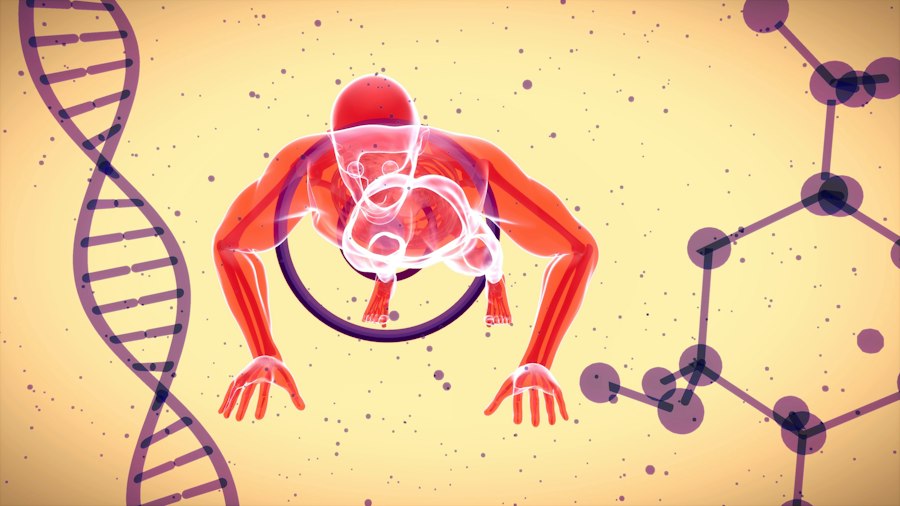
The very act of time, coupled with environmental factors, systematically degrades DNA, posing one of the most significant obstacles in ancient DNA analysis. DNA is a remarkably resilient molecule, but over centuries and millennia, it is subjected to a relentless barrage of damaging processes. This degradation manifests in several key ways, each impacting the ability to retrieve and analyze ancient genetic material.
The relentless march of molecular decay
The primary culprit in DNA degradation is hydrolysis. Water molecules, present in varying degrees in most environments, constantly attack the chemical bonds within the DNA strand. This leads to deamination, where cytosine bases are converted into uracil, and depurination, where purine bases (adenine and guanine) are detached from the sugar-phosphate backbone. These chemical alterations can lead to miscoding during polymerase chain reaction (PCR) amplification, where the very tools used to read the DNA can be tricked into interpreting damaged bases as correct ones, leading to erroneous sequences. Furthermore, ultraviolet (UV) radiation from sunlight can cause cross-linking between adjacent pyrimidine bases (thymine and cytosine), forming thymine dimers. These lesions distort the DNA helix and can block DNA replication and transcription. Oxidative damage, a byproduct of cellular metabolism and environmental factors, also contributes to DNA fragmentation and the formation of modified bases.
The fragmentation hurdle: Small pieces of a grand puzzle
As DNA degrades, it breaks down into progressively smaller fragments. Modern sequencing technologies, while increasingly adept at handling shorter DNA fragments, are fundamentally designed to work with longer strands. Recovering complete or even reasonably long stretches of ancient DNA is a rarity, especially from older or poorly preserved samples. The majority of aDNA extracted is often in fragments of tens to a few hundred base pairs. This shortness limits the types of genetic analyses that can be performed. For instance, reconstructing entire mitochondrial genomes or large portions of nuclear genomes becomes significantly more challenging. Furthermore, short fragments increase the likelihood of ambiguity in genetic mapping, making it harder to definitively assign them to specific regions of the genome, and thus potentially leading to misinterpretations of genetic variation or ancestry. The ability to analyze ancient non-coding regions or repetitive elements, which often require longer sequences for accurate interpretation, is also severely hampered by fragmentation.
Environmental antagonists: The impact of soil and burial conditions
The specific burial environment plays a critical role in the preservation of DNA. Factors such as soil pH, moisture content, temperature fluctuations, and the presence of microbial communities can either protect or accelerate DNA degradation. Highly acidic or alkaline soils can hydrolyze DNA rapidly. Environments with high moisture content can promote microbial activity, which further degrades DNA. Conversely, cold, dry, and stable environments, such as permafrost or arid caves, offer better preservation conditions. The presence of inhibitory substances in the soil, such as humic acids, can also interfere with DNA extraction and downstream molecular analyses, requiring rigorous purification steps that can further reduce DNA yield. The archaeological context itself, including whether the remains were interred in a tomb, a midden, or exposed to the elements, directly influences the potential for DNA recovery.
The Ever-Present Threat of Contamination
Even with pristine ancient samples, the threat of contamination looms large, often a more insidious challenge than degradation itself. Ancient DNA is exceedingly rare in archaeological remains, often present at vanishingly low concentrations. This makes it highly susceptible to contamination from exogenous DNA, both modern and ancient.
Modern DNA: The invisible intruder
The most prevalent form of contamination comes from modern humans: researchers, excavators, and anyone who has handled the ancient remains or the surrounding materials. This contamination can occur at multiple stages, from the initial excavation and sample collection to laboratory processing. Modern human DNA is typically present at much higher concentrations than aDNA and is often more intact, making it far easier for amplification kits and sequencing platforms to preferentially amplify it. Even minute amounts of modern skin cells, saliva, or hair shed onto a sample can overwhelm the authentic ancient genetic signal. Strict cleanroom protocols, including dedicated reagents, specialized equipment, and rigorous personal protective measures, are essential to minimize this risk. However, complete elimination of modern DNA contamination is incredibly difficult, and researchers must employ sophisticated bioinformatics methods to identify and filter out contaminating sequences.
Ancient contaminants: A confusing echo from the past
Contamination is not solely a modern problem. If an archaeological context contains multiple individuals, or if remains are disturbed or commingled, ancient DNA from one individual can contaminate another. For example, if a burial pit contains the remains of several individuals, or if skeletal fragments from different people are mixed together, it can be challenging to assign a retrieved DNA fragment to its correct source. This is particularly problematic when analyzing degraded samples where fragments are short and overlap can occur between different individuals’ genetic material. Distinguishing between the true genetic profile of an individual and contaminating fragments from another individual buried in the same context requires careful comparative analysis and a thorough understanding of the archaeological depositional history.
The challenge of distinguishing signal from noise
Identifying and mitigating contamination requires a multi-pronged approach. Negative controls are routinely included in all steps of the aDNA workflow to detect exogenous DNA contamination. Blank extractions, where no ancient material is added but the entire extraction protocol is followed, are crucial for monitoring the purity of reagents and laboratory environment. Similarly, PCR blanks are used to detect contamination introduced during the amplification process. Sequencing of these negative controls can reveal the presence and source of contaminating DNA, allowing researchers to assess the integrity of their results. Furthermore, bioinformatic tools are employed to identify and filter out reads that exhibit characteristics of modern contamination, such as a higher proportion of cytosine at the 5′ end (a hallmark of deamination in ancient DNA) or sequence patterns common in laboratory reagents. For archaeological samples, comparing the genetic profile of a recovered fragment to other individuals within the same excavation or even geographically proximate sites can help identify potential ancient contamination.
The Ethical Labyrinth of Ancient DNA Research
Beyond the technical hurdles, the use of ancient DNA testing in archaeology is entangled with significant ethical considerations that require careful navigation. The implications of these genetic findings extend far beyond the scientific realm, impacting descendant communities and our understanding of human history.
Respecting ancestral remains and descendant communities
The exhumation and genetic analysis of ancient human remains raise profound ethical questions about respect for the dead and the rights of descendant communities. In many cultures, ancestors are revered, and their remains are considered sacred. The extraction of DNA, even with the promise of scientific advancement, can be perceived as a desecration or an intrusion. Consultation and collaboration with relevant indigenous groups and descendant communities are paramount. This involves obtaining informed consent, where possible, and ensuring that the research is conducted in a manner that is culturally sensitive and respectful. The potential impact of research findings on the identity, history, and cultural narratives of these communities must be carefully considered. This includes discussions about who “owns” the genetic data and how it will be used and disseminated.
The potential for misinterpretation and misuse of genetic data
Ancient DNA research can generate findings that are prone to misinterpretation or misuse, particularly when the genetic data is presented to a non-scientific audience. Claims of “discovery” of ancient populations, definitive statements about lineage, or assertions of genetic superiority can have damaging social and political ramifications. It is crucial for researchers to communicate their findings with nuance and accuracy, emphasizing the probabilistic nature of genetic inference and the limitations of current data. The potential for genetic findings to be co-opted to support nationalist ideologies, racist narratives, or exclusionary social policies is a serious concern. Researchers have a responsibility to be mindful of these potential consequences and to actively work against the misrepresentation of their work.
Balancing scientific curiosity with cultural sensitivities
Striking a balance between the pursuit of scientific knowledge and the respect for cultural sensitivities is an ongoing challenge. While the desire to understand our past is a powerful motivator, it should not come at the expense of disrespecting ancestral heritage. The decision to undertake aDNA analysis on human remains should not be taken lightly and should involve a thorough ethical review process, including consideration of the potential benefits and harms. In some cases, it may be more appropriate to focus research on non-human ancient DNA or to explore alternative archaeological methods that do not involve the direct manipulation of human remains. Transparency in research design, data sharing policies, and open dialogue with stakeholders are essential for building trust and ensuring that aDNA research is conducted responsibly and ethically.
Ancient DNA testing has revolutionized our understanding of historical populations, yet it comes with significant limitations that researchers must navigate. For instance, the preservation of DNA over millennia can be highly variable, often leading to incomplete or degraded samples that complicate analysis. This topic is further explored in a related article that discusses the challenges and advancements in ancient DNA research, which can be found here. Understanding these constraints is crucial for interpreting the findings accurately and appreciating the complexities of our genetic heritage.
The Interpretive Minefield: Making Sense of Fragmented Genetic Clues
| Limit | Description | Impact on Ancient DNA Testing | Mitigation Strategies |
|---|---|---|---|
| DNA Degradation | Ancient DNA is often fragmented and chemically modified due to age and environmental factors. | Reduces the quantity and quality of retrievable DNA, complicating sequencing efforts. | Use of specialized extraction protocols and targeting short DNA fragments for sequencing. |
| Contamination | Modern DNA from researchers or the environment can contaminate ancient samples. | Leads to false results or misinterpretation of ancient genetic data. | Strict clean lab procedures, use of controls, and authentication criteria. |
| Low DNA Yield | Ancient samples often contain very small amounts of endogenous DNA. | Limits the amount of genetic information that can be obtained. | Enrichment techniques and highly sensitive sequencing technologies. |
| Post-Mortem Damage | Chemical modifications such as cytosine deamination cause miscoding lesions. | Introduces errors in sequencing data, affecting accuracy. | Bioinformatic tools to identify and correct damage patterns. |
| Sample Preservation | Environmental conditions like temperature, humidity, and soil chemistry affect DNA preservation. | Poor preservation reduces DNA survival and quality. | Selection of well-preserved samples and contextual archaeological assessment. |
| Limited Reference Genomes | Scarcity of closely related modern genomes for comparison. | Challenges in accurate alignment and interpretation of ancient sequences. | Expanding genomic databases and using de novo assembly methods. |
Even when aDNA is successfully extracted and sequenced, the interpretation of the results presents its own unique set of challenges. The fragmented and often incomplete nature of the data, coupled with the complexities of population genetics, means that drawing definitive conclusions requires careful consideration and robust analytical frameworks.
The complexities of population genetics and ancestry inference
Inferring ancestry and population history from ancient DNA is a complex undertaking. Genetic variation within and between populations is not static; it changes over time due to migration, admixture, and genetic drift. Ancient DNA provides snapshots of these past genetic landscapes, but reconstructing continuous demographic processes from these snapshots requires sophisticated statistical models. Furthermore, our understanding of the genetic diversity of past populations is still incomplete. The reference genomes used for comparison are often based on modern populations or limited ancient samples, which may not accurately reflect the full spectrum of genetic variation present in the past. This can lead to biases in ancestry inference and potentially misattribute genetic contributions. The concept of “ancestry” itself is fluid and multifaceted; ancient DNA can reveal biological relationships, but it does not necessarily equate to cultural or linguistic identity.
The limitations of ancient DNA in resolving fine-grained population movements
While ancient DNA has been instrumental in revealing large-scale migration events and population replacements, resolving fine-grained population movements and smaller-scale interactions can be more challenging. Short DNA fragments and the inherent noise in aDNA data can make it difficult to distinguish between closely related populations or to track subtle shifts in gene flow. Identifying the precise origins and destinations of small migrating groups or understanding the dynamics of localized exchange networks requires very high-quality data and often large sample sizes. Furthermore, the genetic signal of a population can be masked by the overwhelming genetic contribution of a larger, more successful migrating group, making it difficult to detect the presence of smaller, assimilated communities. The reliance on the male-biased Y chromosome and female-biased mitochondrial DNA for some analyses can also present an incomplete picture of admixture and gene flow.
The need for interdisciplinary collaboration and robust bioinformatics
The interpretation of ancient DNA data is not solely a task for geneticists; it necessitates close collaboration with archaeologists, anthropologists, historians, and linguists. Archaeological context, material culture, isotopic analysis, and textual evidence can provide crucial complementary information that helps to contextualize and validate genetic findings. For instance, archaeological evidence of trade routes can help explain observed patterns of gene flow, or the presence of specific artifact types can provide clues about cultural interactions that may have been accompanied by genetic exchange. Robust bioinformatics pipelines are essential for processing, quality control, and analyzing the vast amounts of sequencing data generated. Sophisticated statistical methods are needed to account for biases, estimate admixture proportions, and model demographic histories. The continuous development of new computational tools and algorithms is crucial for pushing the boundaries of what can be inferred from ancient DNA.
The Future Landscape: Advancements and Emerging Frontiers
Despite the persistent challenges, the field of ancient DNA research is rapidly evolving, with new technologies and analytical approaches constantly emerging, promising to overcome current limitations and unlock even deeper insights into the past.
Technological leaps: Improving recovery and sequencing
Significant technological advancements are continuously being made in aDNA recovery and sequencing. Improvements in laboratory extraction techniques, such as optimized lysis buffers and magnetic bead-based purification methods, are increasing DNA yield and purity. New library preparation kits are being developed to efficiently capture and amplify degraded and fragmented DNA. Furthermore, advancements in high-throughput sequencing platforms are allowing for faster and more cost-effective sequencing of ancient genomes, even from very low-quality samples. Emerging technologies, such as single-molecule sequencing, have the potential to overcome some of the limitations imposed by DNA fragmentation, by allowing for the direct sequencing of long DNA molecules without the need for amplification. Techniques like ancient proteomics and paleogenomics, which analyze ancient proteins and RNA, respectively, are also providing complementary molecular data that can shed light on aspects of biology and environment not directly accessible through DNA alone.
Expanding the scope: Beyond human ancient DNA
The focus on human ancient DNA has historically been paramount, but the field is increasingly expanding to include a wide range of other ancient organisms. The analysis of ancient plant DNA is revolutionizing our understanding of agricultural development, domestication, and the spread of crops. Ancient animal DNA is providing insights into the evolution of domestic animals, their migration patterns, and the impact of human activity on wild populations. The study of ancient microbial DNA, from both environmental samples and within host remains, is opening new avenues for understanding ancient diseases, the microbiome, and the evolution of pathogens. Analyzing the DNA of ancient viruses and bacteria can help us trace the origins and spread of infectious diseases, inform our understanding of past epidemics, and even provide clues for tackling modern public health challenges. The study of ancient insect DNA, for example, can illuminate past ecosystems, diet, and even forensic investigations.
Towards a more comprehensive and ethical future
The future of ancient DNA research lies in a continued commitment to scientific rigor, ethical responsibility, and interdisciplinary collaboration. As technologies improve and analytical methods become more sophisticated, researchers will be able to address increasingly complex questions about human history, population dynamics, and evolutionary processes. The ongoing development of ethical guidelines and best practices, in close consultation with descendant communities, will be crucial for ensuring that this powerful scientific tool is used for the benefit of all. A deeper understanding of the interplay between genetics, environment, and culture will ultimately provide a more nuanced and holistic picture of our shared human heritage. The challenges of ancient DNA are substantial, but the potential rewards – a richer, more detailed, and more accurate understanding of our ancestral past – are immeasurable. The careful and considered application of this technology, mindful of its inherent limitations and ethical imperatives, promises to continue to reshape our perception of who we are and where we come from.
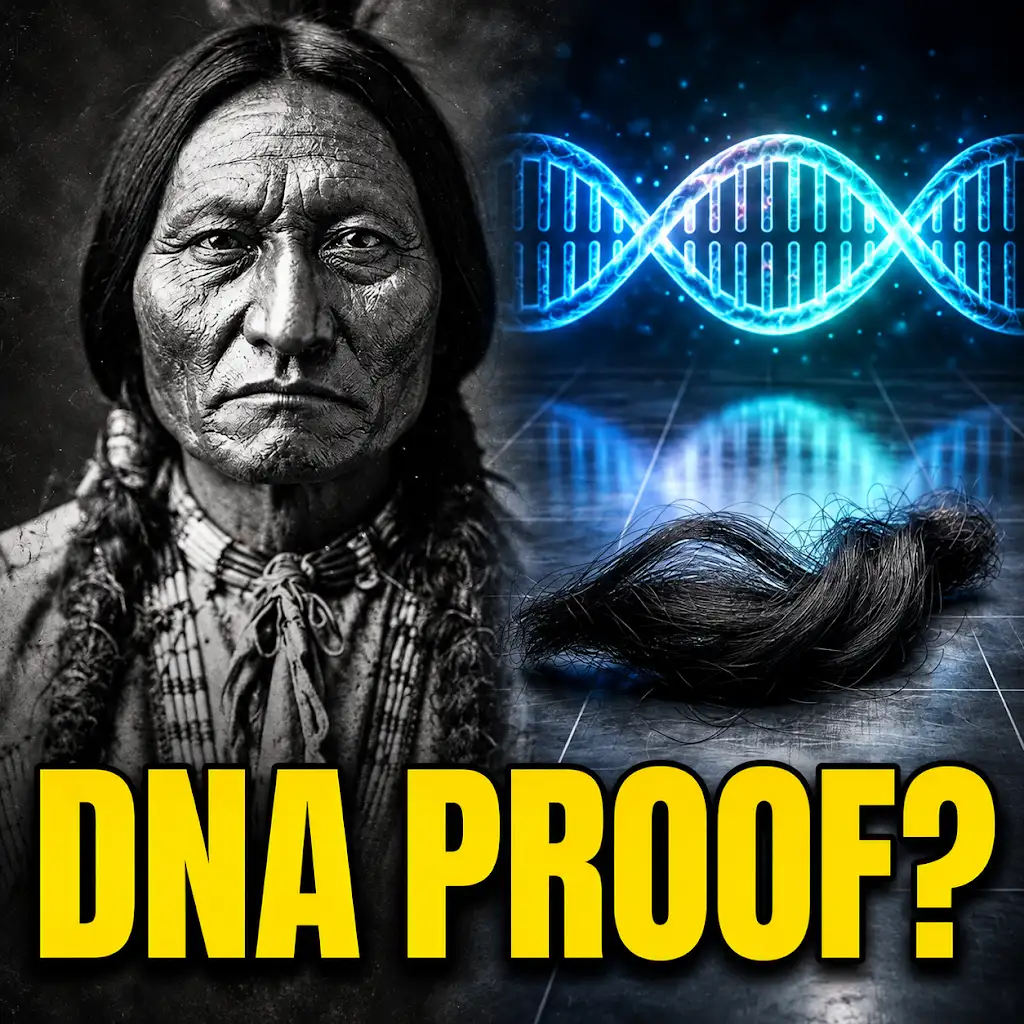
The Sitting Bull DNA Test: What Did It Actually Prove?
FAQs
1. Can ancient DNA testing provide information about an individual’s physical appearance?
Ancient DNA testing can provide some information about physical appearance, such as eye color, hair color, and skin color, but it is limited in its ability to provide a complete picture of an individual’s appearance.
2. What is the time limit for ancient DNA testing to be successful?
Ancient DNA testing is typically successful for samples up to around 10,000 years old, but success rates can vary depending on the preservation of the DNA and the environmental conditions in which the sample was found.
3. Can ancient DNA testing determine an individual’s specific identity or name?
Ancient DNA testing cannot determine an individual’s specific identity or name. It can provide information about genetic relationships and population movements, but it cannot identify individuals by name.
4. Are there limitations to the types of organisms that can be studied using ancient DNA testing?
Ancient DNA testing is primarily used for studying ancient human populations, but it can also be used to study other organisms such as animals and plants. However, the success of ancient DNA testing can vary depending on the organism and the preservation of the DNA.
5. How accurate is ancient DNA testing in determining genetic ancestry?
Ancient DNA testing can provide valuable insights into genetic ancestry, but it is important to consider the limitations of the technology. Factors such as sample contamination, degradation, and the complexity of genetic ancestry can affect the accuracy of the results.