The whisper of ancestral winds, carried across the vast prairie and through the sacred Black Hills, has long been intertwined with the identity of the Lakota people. For generations, their heritage has been preserved through oral traditions, ceremonies, spiritual practices, and a deep connection to the land. In recent years, a new avenue for exploring this rich tapestry of identity has emerged: DNA analysis. This scientific tool, once a distant marvel, now offers a tangible, albeit complex, way for individuals of Lakota descent to connect with their biological past, potentially illuminating aspects of their history, migration, and relationships with other Indigenous communities. The exploration of Lakota identity and genetics through DNA analysis is not a simple quest for a definitive label, but rather a nuanced journey that intersects science, culture, personal experience, and the enduring spirit of a sovereign people.
Ancestral Echoes in the Genome: Understanding Lakota Heritage
The genetic makeup of any population is a testament to millennia of movement, intermingling, and adaptation. For Indigenous peoples of North America, and specifically the Lakota, understanding their genetic landscape is akin to deciphering an ancient map etched into their very being. This map speaks of migrations from distant lands, interactions with neighboring tribes, and the resilience that has allowed their cultures to persist through centuries of upheaval. DNA analysis, through various methodologies, allows for a deeper, albeit often probabilistic, understanding of these deep-time movements and connections.
Tracing the Roots: Early Migrations and Population Genetics
The journey of Indigenous peoples to the Americas is a topic of ongoing scientific and historical investigation. Genetic studies, particularly those focusing on mitochondrial DNA (mtDNA) and Y-chromosome DNA (Y-DNA), have provided significant insights into the ancient migrations of Homo sapiens across the Bering Strait and subsequent diversification within the Americas. For the Lakota, their genetic signature is woven into the broader patterns of Plains Indigenous populations. These studies often reveal shared ancestral lineages with other Siouan-speaking peoples, suggesting a common origin and a shared history of movement and settlement across the Great Plains.
The concept of “haplogroups” is central to this understanding. These are groups of similar DNA sequences passed down from a common ancestor. Certain haplogroups are found at higher frequencies within specific Indigenous populations, serving as genetic markers that can hint at ancestral origins and migration routes. For individuals of Lakota descent, discovering they carry haplogroups prevalent among Plains tribes can offer a profound sense of connection to their broader ancestral community. It validates the stories passed down through generations and provides a scientific framework for understanding the deep historical currents that shaped their lineage. This is not to say that specific haplogroups are exclusively Lakota, as Indigenous populations across North America often share a significant genetic heritage. Rather, it’s about identifying patterns of prevalence that align with known historical and cultural affiliations.
The Complexity of Ancestry: Beyond Simple Labels
It is crucial to emphasize that genetic ancestry is not a monolithic or absolute determinant of identity. Lakota identity is a multifaceted construct, shaped by cultural upbringing, lived experiences, spiritual beliefs, language, and community belonging. DNA analysis, while revealing biological connections, cannot encapsulate the entirety of what it means to be Lakota. Moreover, the notion of “pure” Indigenous ancestry is largely a myth, even within traditionally defined tribal boundaries. Centuries of interaction, trade, and, sadly, forced assimilation have led to the intermingling of genetic lineages across diverse populations.
For individuals exploring their Lakota heritage through DNA, the results can sometimes be surprising. They might discover connections to populations beyond what their immediate family history has indicated, or they may find a lower percentage of ancestry from a specific Indigenous group than they anticipated. This can be a point of reflection and learning. It encourages a broader understanding of Indigenous history, including the complex relationships between tribes, the impact of colonization on population movements, and the inherent fluidity of human populations over vast stretches of time. The journey is less about confirming a predefined identity and more about unfolding a more intricate narrative of ancestral interconnectedness.
The exploration of Lakota identity and genetics is a fascinating intersection of culture and science, shedding light on how ancestral heritage influences contemporary identity. For a deeper understanding of the implications of genetic research on indigenous identities, you may find the article “How Dodd-Frank Affects Deposits: An Overview” insightful, as it discusses broader themes of identity and community in the context of economic policies. You can read it here: How Dodd-Frank Affects Deposits: An Overview.
The Modern Lens: DNA Testing and Lakota Individuals

The advent of direct-to-consumer (DTC) DNA testing has democratized genetic ancestry research, making it accessible to millions. For individuals with Indigenous heritage, these tests can be a powerful, albeit often emotionally charged, tool for reconnecting with their past. The experience of receiving DNA results can range from validation and elation to confusion and a re-evaluation of deeply held beliefs about their lineage.
Navigating Commercial DNA Testing Services
Companies like AncestryDNA, 23andMe, and MyHeritage offer autosomal DNA testing, which analyzes a broad spectrum of DNA inherited from both parents. These tests compare an individual’s DNA to vast reference databases of genetic information from populations worldwide. For those with suspected Lakota ancestry, the results often highlight specific percentages of Indigenous American ancestry, sometimes further breaking it down into regional categories. These regions are determined by comparing the individual’s genetic markers to those of living populations whose ancestral origins are well-documented.
When a DTC test indicates Indigenous American ancestry, it can be a profound moment for someone who has perhaps always felt a connection but lacked concrete proof. This scientific confirmation can validate their sense of self and encourage them to delve deeper into their Lakota heritage. However, it is essential for consumers to understand the limitations of these services. The reference databases, while growing, are not exhaustive and may not perfectly represent the genetic diversity of all Indigenous groups. The algorithms used to assign ethnic percentages are also estimations and can vary between companies. Therefore, while these tests can provide valuable clues, they should be viewed as a starting point for further exploration rather than an irrefutable declaration of ancestral identity.
The Quest for Tribal Affiliation: A Complex Intersection
For many individuals seeking to understand their Lakota heritage, the ultimate goal might be to establish a connection with a federally recognized tribe. This is where the intersection of genetics and tribal law becomes particularly intricate. Federally recognized tribes have their own specific criteria for membership, which often include lineal descent from individuals listed on historical tribal rolls, such as the Dawes Rolls. While genetic testing can provide evidence of biological connections to Indigenous populations, it does not automatically grant tribal enrollment.
Tribal enrollment is a political and legal status, not solely a biological one. It recognizes an individual’s membership in a sovereign nation. Therefore, while DNA results might suggest a strong genetic link to a specific Indigenous group, the ability to join that tribe depends on meeting their established membership requirements. This can be a source of frustration for some, who may have strong genetic indicators but lack the documented lineage required for enrollment. It highlights the importance of understanding that tribal identity is deeply rooted in governance and self-determination, going beyond what can be solely determined by a DNA sample.
Beyond Ethnicity Percentages: Deeper Genetic Insights
While ethnicity percentages are the most commonly discussed aspect of DTC DNA tests, some services offer more in-depth genetic analysis. For individuals with Indigenous American ancestry, this can include information about specific haplogroups (as discussed earlier) and sometimes even admixture analyses that trace ancestry back to specific ancestral populations within broader geographic regions. These deeper insights can offer a more nuanced understanding of ancestral movements and relationships between different Indigenous groups across North America.
For example, a study might reveal that an individual’s genetic markers align closely with those found in populations historically associated with the Northern Plains, which would be consistent with Lakota heritage. These findings can spark further genealogical research, encouraging individuals to seek out historical records, tribal archives, and oral histories to complement their genetic discoveries. The scientific data, when interpreted thoughtfully, can serve as a powerful catalyst for cultural engagement and a deeper appreciation of the complex historical narratives that have shaped the Lakota people.
Cultural Significance and Ethical Considerations

The exploration of Lakota identity through DNA analysis is not merely a scientific endeavor; it is deeply intertwined with cultural values, historical context, and ethical considerations. The Lakota people have a profound and nuanced understanding of kinship, community, and the sacredness of life, which must inform any engagement with genetic information.
Respecting Lakota Traditions and Values
For many Indigenous cultures, including the Lakota, lineage and kinship are understood through a lens that extends beyond the biological. Relationships are often defined by shared experiences, spiritual connections, and the transmission of cultural knowledge. Genetic information, while valuable, represents only one facet of this intricate web of belonging. It is paramount that any exploration of Lakota identity through DNA be conducted with respect for these traditional values. This means understanding that a DNA report does not supersede the wisdom of elders, the teachings of ceremonies, or the lived experience of being part of a Lakota community.
Furthermore, the history of scientific research involving Indigenous peoples is often fraught with exploitation and mistrust. Early anthropological studies, in particular, often treated Indigenous individuals as specimens to be studied, with little regard for their consent or the potential impact of such research on their communities. Therefore, any modern approach to DNA analysis involving Lakota individuals must be grounded in principles of respect, collaboration, and informed consent. It is about empowering individuals and communities to engage with their genetic heritage on their own terms, rather than having it dictated by external forces.
The Ethical Landscape of Genetic Data
The collection, storage, and use of genetic data raise significant ethical concerns for all individuals, but these are amplified when dealing with Indigenous populations who have historically been vulnerable to the misuse of their biological information. Commercial DNA testing companies typically require users to agree to terms of service that outline how their data will be used, which often includes sharing with third parties for research purposes. This can be a point of concern for individuals who wish to maintain the privacy and sovereignty of their genetic information.
For individuals of Lakota descent, there is a heightened awareness of the potential for genetic data to be used in ways that could be detrimental to their communities. This could include decontextualized research, the commodification of Indigenous genetic information, or the use of genetic data to challenge tribal sovereignty or membership. Therefore, it is essential for individuals to carefully consider the policies of DNA testing companies, understand how their data will be used, and be aware of their rights regarding their genetic information. The ethical landscape demands vigilance and a commitment to ensuring that genetic exploration serves to empower, not exploit.
Collaboration and Indigenous-Led Research Initiatives
A growing movement within Indigenous communities is advocating for Indigenous-led research initiatives that prioritize the self-determination and well-being of their people. These initiatives often involve collaborations between Indigenous researchers, tribal leaders, community members, and genetic scientists, with the explicit goal of using genetic information to benefit the community. This can include understanding disease predispositions, tracing ancestral migrations for cultural revitalization, or developing culturally relevant genetic counseling services.
For the Lakota, such initiatives offer a pathway to engage with genetic science in a manner that is aligned with their cultural values and priorities. This could involve establishing community-based DNA databases, ensuring that genetic research directly addresses community needs, and maintaining ownership and control over their genetic data. By taking a leading role in how their genetic heritage is studied and understood, the Lakota can ensure that this powerful scientific tool is used to strengthen their identity, preserve their traditions, and advance their collective future.
Unveiling Connections: Genetic Markers and Tribal Relationships
The genetic landscape of Indigenous North America is a testament to intricate networks of migration, trade, and interaction that have existed for millennia. For the Lakota, their genetic signature can offer clues to their relationships with other tribes, both historically and in the present day, providing a scientific lens through which to examine these complex connections.
Siblings of the Plains: Genetic Links to Neighboring Tribes
The Lakota, as part of the larger Siouan language family, share a common ancestral heritage with numerous other Indigenous groups across the Great Plains and beyond. Genetic studies have corroborated these linguistic and cultural ties, revealing shared ancestral populations and migration patterns. For instance, individuals of Lakota descent might find genetic markers that are also prevalent among the Dakota, Nakota, Crow, Cheyenne, Arapaho, and other tribes with whom they historically interacted.
These genetic links can offer a deeper appreciation for the dynamic relationships that existed between these nations. They speak of periods of alliance, trade, and sometimes conflict, all of which contributed to the genetic diversity and interconnectedness of Indigenous peoples. Discovering a genetic link to a neighboring tribe can prompt individuals to learn more about the history of that particular group, fostering cross-cultural understanding and respect. It highlights the fact that tribal boundaries, while culturally and politically significant, have often been fluid in the biological sense over vast stretches of time.
The Legacy of Displacement and Intermarriage
The history of colonization in North America has profoundly impacted the genetic makeup of Indigenous populations. Policies of forced displacement, reservation systems, and the tragic legacy of boarding schools led to the disruption of traditional communities and increased intermarriage between Indigenous individuals and people of other backgrounds, including European settlers and, in some instances, African Americans. These historical forces have left an indelible mark on the genetic landscape, and DNA analysis can sometimes reveal these complex layers of ancestry.
For individuals of Lakota descent, DNA results may indicate a higher percentage of European or other non-Indigenous ancestry than might be immediately apparent from their family history. This is a reflection of the historical realities of colonization and the subsequent integration of diverse populations. While this can sometimes be a sensitive topic, it is also an important part of understanding the full ancestral narrative. It underscores the resilience of Indigenous peoples, who have navigated immense challenges and, in many cases, maintained their cultural identity despite significant pressures to assimilate.
Reclaiming Narratives Through Genetic Discovery
For many individuals, the insights gained from genetic analysis serve as a powerful tool for reclaiming and enriching their ancestral narratives. It can provide a tangible connection to a past that may have been obscured by historical trauma, lost through generations of assimilation, or simply not fully understood. The process of exploring one’s genetic heritage can be a deeply personal and transformative journey, leading to a renewed sense of pride, belonging, and cultural connection.
This journey often extends beyond the individual, inspiring families to delve deeper into their genealogical research, reconnect with distant relatives, and engage more actively with their tribal community. The scientific data, when approached with respect and cultural sensitivity, can become a bridge, connecting the present generation to the ancestral wisdom and enduring spirit of the Lakota people. It is a reminder that identity is not static but a living, evolving entity, shaped by both biological inheritance and the stories we choose to tell and to embrace.
The exploration of Lakota identity and genetics offers a fascinating insight into the intersection of culture and biology, revealing how ancestral heritage shapes contemporary identities. A related article discusses the ongoing struggles faced by indigenous communities, highlighting the importance of understanding their historical context. For more information on the complexities of identity in conflict situations, you can read about it in this article on the Sudan conflict, which sheds light on similar themes of cultural resilience and identity preservation. You can find it here: Sudan Conflict: A Continuing Struggle for Peace.
The Future of Identity and Genetics: A Path Forward
| Category | Metric | Data/Value | Notes |
|---|---|---|---|
| Population | Estimated Lakota Population | Approximately 20,000 – 25,000 | Based on census and tribal enrollment data |
| Genetic Ancestry | Predominant Haplogroups (mtDNA) | A2, B2, C1, D1 | Common Native American maternal lineages |
| Genetic Ancestry | Predominant Haplogroups (Y-DNA) | Q1a3a | Typical Native American paternal lineage |
| Language | Primary Language | Lakota (Siouan language family) | Integral to Lakota identity |
| Cultural Identity | Percentage identifying as Lakota only | ~70% | Based on tribal enrollment and self-identification |
| Cultural Identity | Percentage with mixed ancestry | ~30% | Includes European and other Native American ancestries |
| Health | Prevalence of Type 2 Diabetes | ~15-20% | Higher than US average, linked to genetics and lifestyle |
| Genetic Studies | Number of Published Genetic Studies | 15+ | Focus on ancestry, health, and population genetics |
The ongoing advancements in genetic technology and the increasing accessibility of DNA testing promise to further shape how individuals, particularly those with Indigenous heritage, explore and understand their identities. For the Lakota people, this evolving landscape presents both opportunities and challenges, demanding thoughtful consideration and a commitment to self-determination.
Advancing Indigenous Genomics and Data Sovereignty
As genetic technologies become more sophisticated, there is a growing imperative for Indigenous communities to lead in the research and interpretation of their own genomic data. Indigenous genomics initiatives, which are driven by Indigenous researchers and prioritize the ethical use and ownership of genetic information, are crucial for ensuring that these powerful tools are used to benefit Indigenous peoples. These initiatives aim to develop culturally appropriate research methodologies, build capacity within Indigenous communities for genomic research, and establish frameworks for data sovereignty, ensuring that Indigenous peoples have control over their genetic information.
For the Lakota, this means advocating for the development of reference populations that accurately reflect their genetic diversity and historical movements. It also involves establishing protocols for data sharing and research collaboration that are based on principles of respect, reciprocity, and the inherent right of Indigenous peoples to govern their own data. By taking ownership of their genomic narrative, the Lakota can ensure that genetic science serves to empower their communities and strengthen their cultural heritage for generations to come.
Bridging Science and Culture: A Holistic Approach
The exploration of Lakota identity through genetics is most meaningful when it is approached holistically, integrating scientific insights with cultural knowledge and lived experiences. Genetic information, while providing valuable biological data, should not be seen as a replacement for traditional forms of knowing, such as oral histories, spiritual practices, and community consensus. Instead, it can serve as a complementary tool, offering new perspectives and prompting deeper engagement with ancestral traditions.
This means fostering dialogues between geneticists, cultural historians, tribal elders, and community members. It involves developing educational resources that explain genetic concepts in a culturally relevant manner and that emphasize the ethical considerations surrounding genetic research. The goal is to create an environment where individuals can use genetic information to enrich their understanding of their heritage without compromising their cultural values or sense of self. The journey of identity is multifaceted, and genetics offers just one path to be explored within a broader tapestry of belonging.
The Evolving Definition of Lakota Identity
Ultimately, the intersection of Lakota identity and genetics is a testament to the enduring resilience and adaptability of Indigenous peoples. As scientific understanding expands and as individuals continue to explore their ancestral roots, the definition of Lakota identity will likely continue to evolve. This evolution is not a dilution of heritage but rather an expansion, a recognition of the complex historical forces that have shaped the Lakota people and their deep connections to the land and to each other.
Genetic analysis, when approached with respect, ethical awareness, and a commitment to Indigenous self-determination, can be a powerful tool for self-discovery and cultural revitalization. It offers a tangible link to the past, a means to understand ancestral relationships, and a catalyst for engaging more deeply with the rich and vibrant heritage of the Lakota nation. The whispers of ancestral winds, now joined by the insights from the human genome, continue to tell a story of resilience, connection, and the enduring spirit of a people.
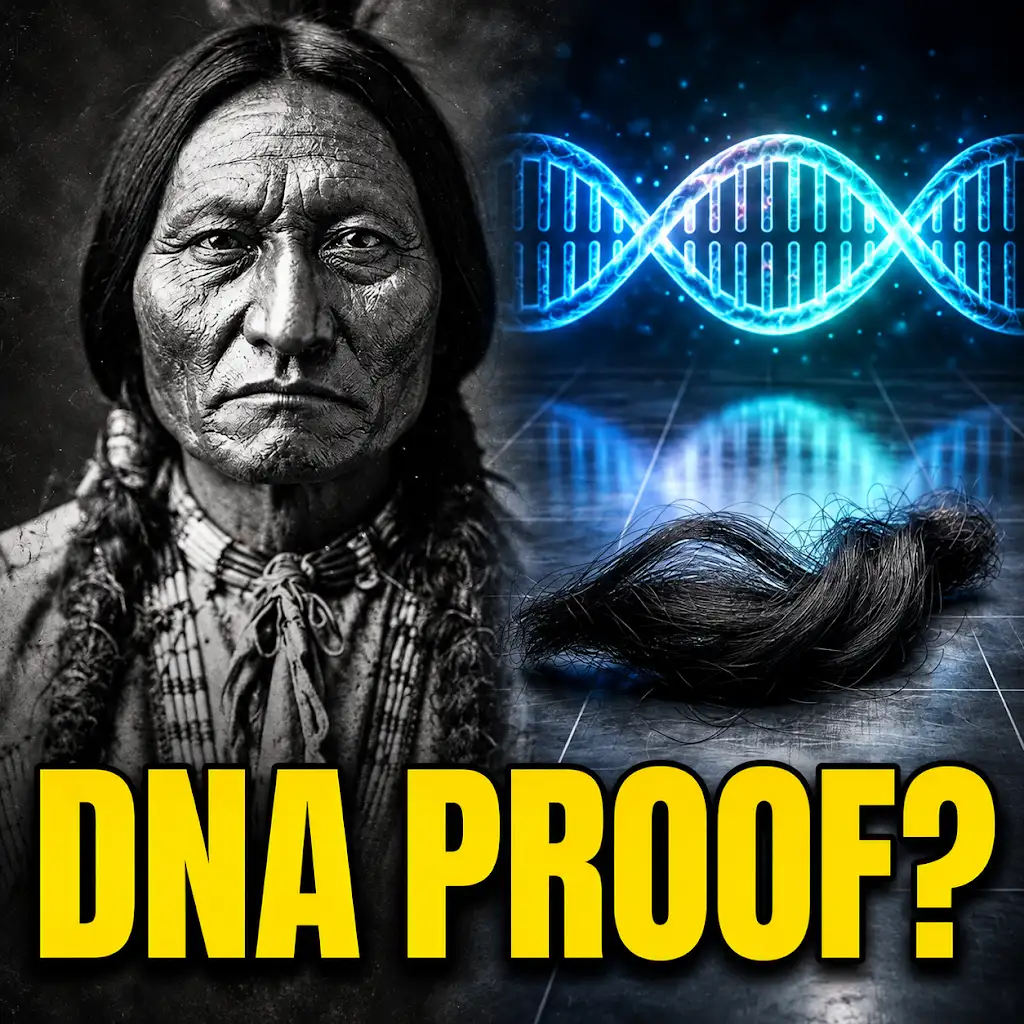
The Sitting Bull DNA Test: What Did It Actually Prove?
FAQs
What is the genetic makeup of the Lakota people?
The Lakota people have a unique genetic makeup that is a combination of various ancestral lineages, including East Asian and Siberian origins.
How does DNA testing help in understanding Lakota identity?
DNA testing can provide insights into the genetic ancestry of individuals, helping them understand their connections to the Lakota tribe and confirming their heritage.
Are there specific genetic markers that are common among the Lakota people?
Yes, there are specific genetic markers, such as mitochondrial DNA and Y-chromosome markers, that are commonly found among the Lakota people and can be used to trace their genetic lineage.
Can genetic testing determine someone’s tribal affiliation with the Lakota tribe?
Genetic testing can provide information about a person’s genetic ancestry and potential connections to the Lakota tribe, but tribal affiliation is typically determined by cultural and historical factors in addition to genetic evidence.
How do genetic studies contribute to the preservation of Lakota identity?
Genetic studies can help validate the ancestral connections of individuals to the Lakota tribe, contributing to the preservation of Lakota identity and cultural heritage for future generations.