
The whispers of the past, long silenced by the relentless march of time, are beginning to speak again. For centuries, historians and archaeologists have relied on written records, artifacts, and skeletal remains to piece together the lives of historical figures. Yet, these sources often offer a fragmented and sometimes biased perspective. Now, a revolutionary scientific advancement is pushing the boundaries of historical inquiry, allowing researchers to delve into the very fabric of ancient beings: degraded DNA. This seemingly fragile genetic material, once thought to be irrevocably lost, is proving to be a potent key to unlocking the deepest secrets of individuals who walked the Earth millennia ago.
The Fragile Legacy of Ancient Genomes
The human genome, a blueprint of life, is remarkably resilient in some forms but highly susceptible to degradation. Environmental factors such as heat, moisture, and microbial activity relentlessly break down DNA into smaller and smaller fragments over time. This process, coupled with the inherent instability of the chemical bonds within DNA molecules, means that ancient genetic material is rarely found intact. Instead, what is recovered from ancient samples – be they bone, teeth, or even ancient dust – is often a fragmented mosaic of the original genetic code. For a long time, this degradation was considered an insurmountable obstacle, rendering ancient DNA research solely focused on robust samples or very recent historical periods.
The Challenges of Ancient DNA Extraction
Extracting usable DNA from ancient samples is a meticulous and arduous process. Researchers must navigate environments that are often rich in contemporary DNA from bacteria, fungi, and even the archaeologists themselves. Sterility is paramount, and every step, from excavation to laboratory analysis, is undertaken with extreme caution to avoid contamination. The process typically begins with the careful removal of surface material from the bone or tooth, followed by drilling or grinding to obtain a fine powder. This powder is then subjected to a series of chemical treatments designed to break down the cellular matrix and release the precious DNA fragments.
Specialized Techniques for Fragmented Reads
The degradation of ancient DNA presents a unique challenge for sequencing technologies. Standard sequencing methods are designed for longer, more intact DNA molecules. To overcome this, scientists have developed specialized techniques. These often involve capturing shorter DNA fragments and ligating them to sequencing adapters, essentially creating scaffolds that allow for the reconstruction of larger genetic sequences from numerous short reads. Advanced bioinformatics tools are then employed to piece together these fragments, much like assembling a jigsaw puzzle with missing or broken pieces. Statistical algorithms play a crucial role in distinguishing genuine ancient DNA from background contamination and in inferring the original sequence with a high degree of confidence. The sheer computational power required for this analysis is immense, representing another significant hurdle that has only recently been overcome with advancements in computing.
The study of degraded DNA has unveiled fascinating insights into historical figures, shedding light on their lives and environments. One intriguing aspect of this research is its connection to ancient maps, such as the Piri Reis map, which has sparked debates regarding its accuracy and the knowledge of geography in the past. For a deeper understanding of this topic, you can explore the article discussing the accuracy debate surrounding the Piri Reis map at this link.
Unveiling Ancestry and Migrations
Perhaps one of the most profound revelations from degraded ancient DNA lies in its ability to illuminate the ancestry and migratory patterns of historical populations. By analyzing the genetic markers present in ancient remains, scientists can trace lineages back through generations, identifying kinship ties and understanding how populations interacted and moved across vast geographical distances. This genetic data offers a powerful counterpoint to archaeological evidence, often providing a more direct and unbiased view of human movement.
Tracing the Roots of Remarkable Individuals
The study of degraded DNA has allowed for the genetic profiling of individuals whose historical significance is well-documented but whose origins or familial relationships were unclear. For example, by analyzing skeletal remains, researchers have been able to identify the geographical origins of individuals who played pivotal roles in shaping societies. This can provide crucial context for understanding their motivations, alliances, and cultural influences. Were they migrants who brought new technologies or ideas? Were they indigenous to the region, deeply connected to its land and traditions? Degraded DNA can offer definitive answers.
Mapping the Journeys of Ancient Peoples
Beyond individual ancestry, degraded DNA has revolutionized our understanding of large-scale human migrations. By analyzing genetic profiles from numerous individuals across different ancient sites and time periods, researchers can construct detailed maps of human dispersal. This has led to groundbreaking discoveries about the peopling of continents, the spread of agricultural practices, and the complex interplay between different ancient cultures. For instance, studies on ancient European DNA have revealed intricate patterns of migration and admixture between hunter-gatherer, farmer, and steppe populations, reshaping our understanding of how modern European populations came to be. Similarly, research in Asia has shed light on the complex movements and interactions of early human groups across the continent.
Uncovering Health and Disease in the Past
The genetic material preserved in ancient remains offers a unique window into the health and disease landscapes of bygone eras. By examining specific genes and their variations, researchers can identify predispositions to certain illnesses, track the evolution of pathogens, and understand the impact of environmental factors on human health throughout history. This information has implications not only for our understanding of history but also for contemporary public health.
Diagnosing Ancient Ailments
Degraded DNA can reveal the presence of genetic markers associated with various diseases. While it cannot always provide a definitive “diagnosis” in the modern sense, it can offer strong evidence of inherited conditions or susceptibilities. For example, researchers have identified genetic variants linked to conditions like lactose intolerance or celiac disease in ancient populations, helping to understand when these traits became prevalent and how they may have influenced diet and lifestyle. The discovery of such genetic predispositions can shed light on the challenges faced by historical populations and their adaptations to their environments.
The Silent Footprints of Ancient Pathogens
Perhaps one of the most exciting applications of degraded DNA in historical health research is the paleovirology and paleobacteriology it enables. By extracting and sequencing DNA from the remains of individuals who suffered from infectious diseases, or even from the ancient environments they inhabited, scientists can reconstruct the genetic makeup of historical pathogens. This allows them to trace the evolutionary history of viruses and bacteria, understand how they have changed over time, and potentially identify the origins of modern diseases. The identification of ancient strains of plague, tuberculosis, and even influenza has provided invaluable insights into their virulence, transmission, and the impact they had on human populations. This can help us understand how diseases spread historically and potentially inform strategies for managing outbreaks today.
Identifying Familial Ties and Social Structures
The power of DNA to identify individuals extends to revealing complex familial relationships and shedding light on the social structures of past societies. By comparing genetic profiles, researchers can establish parent-child relationships, sibling connections, and even broader kinship networks within ancient communities. This data can offer profound insights into inheritance practices, social organization, and the dynamics of power and influence within historical groups.
Reconstructing Genealogies and Lineages
In cases where historical records are sparse or ambiguous, degraded DNA can provide definitive answers about familial relationships. This has been particularly impactful in the study of royal families or prominent figures, where dynastic lines have been debated for centuries. By analyzing DNA from multiple individuals, researchers can confirm or refute proposed familial connections, providing a crucial layer of factual grounding to historical narratives. For example, studies on the remains of the Romanov imperial family have utilized ancient DNA to confirm the identity of all its members, even those whose remains were long thought lost.
Understanding Social Hierarchies and Kinship Networks
The genetic analysis of entire ancient burial sites can reveal intricate kinship networks within a community. This data can inform our understanding of social organization, identifying nuclear families, extended kin groups, and even patterns of exogamy (marriage outside the group). By understanding who was buried near whom and how they were genetically related, researchers can infer social hierarchies, the importance of kinship in social cohesion, and how resources and status were likely transmitted through generations. This can offer a unique perspective on societies that left little written evidence of their social arrangements.
Recent studies have shed light on the fascinating ways in which degraded DNA can provide insights into historical figures, offering a glimpse into the past that was previously thought to be lost forever. This intriguing intersection of genetics and history not only enhances our understanding of ancient civilizations but also raises ethical questions about the implications of such research. For a deeper exploration of ongoing conflicts that shape our understanding of history, you might find this article on the Sudan conflict insightful. It highlights the continuing struggle for peace and its impact on the region’s historical narrative. You can read more about it here.
Ethical Considerations and Future Horizons
| Historical Figure | Estimated Age of DNA Sample | Type of DNA Degradation | Preservation Method | Key Findings from DNA Analysis |
|---|---|---|---|---|
| King Tutankhamun | ~3,300 years | Fragmentation and chemical modifications | Burial in tomb, mummification | Confirmed familial relationships and genetic diseases |
| Otzi the Iceman | ~5,300 years | Cross-linking and fragmentation | Frozen in glacier ice | Insights into ancient human diet and health |
| Neanderthal Specimens | 40,000 – 50,000 years | Highly fragmented and chemically altered | Buried in caves, fossilized bones | Evidence of interbreeding with modern humans |
| Abraham Lincoln | ~160 years | Degradation due to environmental exposure | Preserved hair and bone samples | Confirmed paternity and health conditions |
| Marie Curie | ~100 years | Radiation-induced DNA damage | Preserved tissue samples | Studied effects of radiation on DNA |
As the ability to extract and analyze degraded DNA from historical figures continues to advance, it brings with it a critical set of ethical considerations. The potential for misuse of genetic information, the respect for ancestral remains, and the implications for descendant communities are all paramount. Navigating these challenges will be crucial as this powerful scientific tool continues to shape our understanding of the past.
Respecting Ancestral Remains and Descendant Communities
The study of ancient DNA, particularly from individuals of significant historical or cultural importance, necessitates a deep respect for ancestral remains and the descendant communities who may hold cultural or spiritual connections to them. Ethical protocols must be established to ensure that ancient remains are treated with dignity and that research is conducted in consultation with relevant stakeholders. This includes obtaining informed consent where possible and ensuring that findings are communicated in a culturally sensitive manner. The potential for genetic data to be used in ways that could cause harm or distress to descendant communities must be carefully considered and mitigated.
The Future of Paleogenomics and Historical Inquiry
The field of paleogenomics, which studies ancient DNA, is rapidly evolving. Advances in sequencing technology, bioinformatics, and our understanding of DNA degradation promise even greater insights into historical figures and populations. We can anticipate future studies that will reveal more about the complex genetic tapestry of humanity, the evolution of diseases, and the intricate social lives of our ancestors. The integration of paleogenomic data with archaeological and historical evidence will undoubtedly lead to a more nuanced and comprehensive understanding of the human past. The ongoing development of non-invasive sampling techniques and improved methods for recovering DNA from challenging environments will further expand the scope and impact of this transformative field. The secrets held within degraded DNA are still vast, and with each new discovery, we unlock another chapter in the unfolding story of human history.
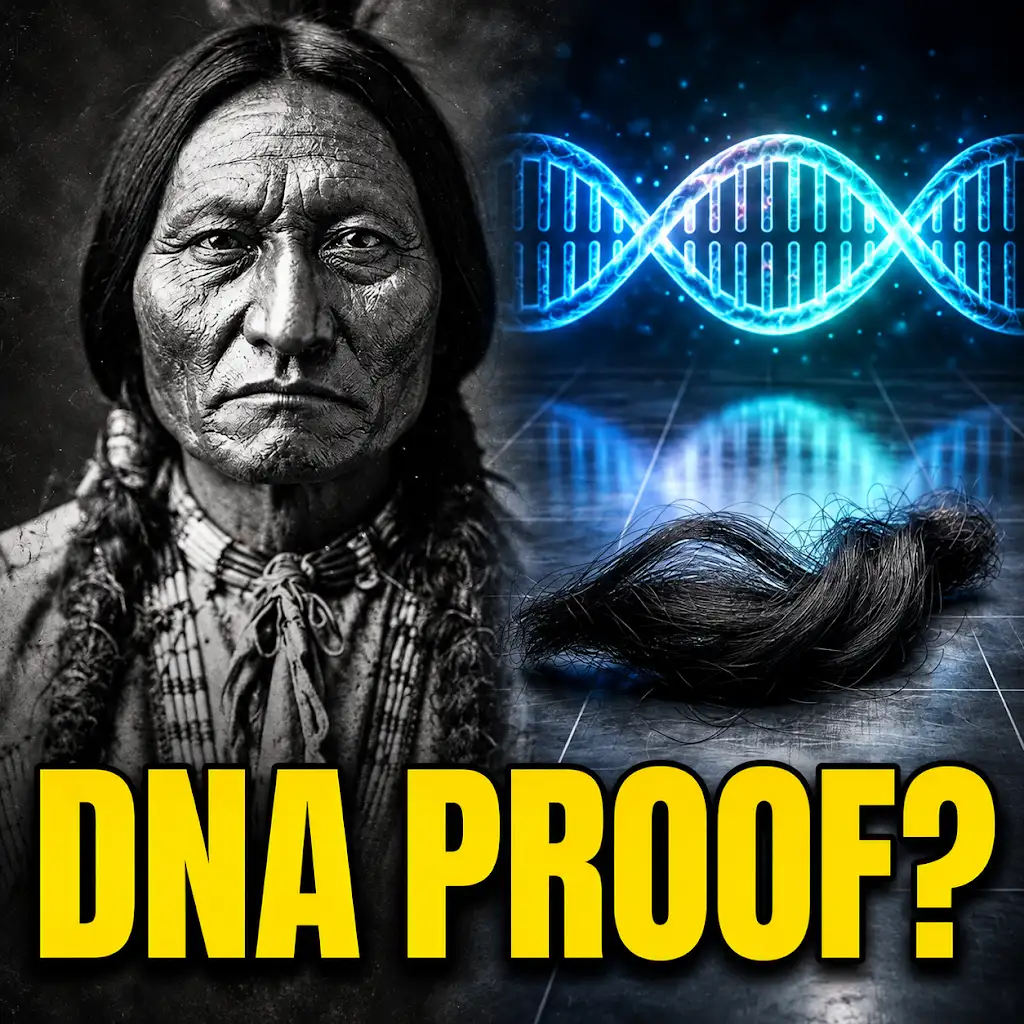
The Sitting Bull DNA Test: What Did It Actually Prove?
FAQs
What is degraded DNA?
Degraded DNA refers to DNA that has been damaged or broken down over time, making it difficult to analyze or extract useful information from.
How can degraded DNA impact the study of historical figures?
Degraded DNA can pose challenges for researchers attempting to study historical figures as it may limit the amount of genetic material available for analysis, potentially leading to incomplete or inaccurate results.
What techniques are used to work with degraded DNA from historical figures?
Researchers may employ advanced DNA extraction methods, such as polymerase chain reaction (PCR) amplification, to work with degraded DNA from historical figures. These techniques can help amplify and analyze small or damaged DNA samples.
Can degraded DNA affect the accuracy of genetic testing on historical figures?
Yes, degraded DNA can impact the accuracy of genetic testing on historical figures by potentially introducing errors or inconsistencies in the results. Researchers must take extra precautions when working with degraded DNA to ensure the reliability of their findings.
What are some examples of historical figures whose DNA has been degraded?
Historical figures such as King Tutankhamun, Thomas Jefferson, and Richard III are examples of individuals whose DNA has been degraded due to factors such as age, environmental conditions, and preservation methods. Despite the challenges posed by degraded DNA, researchers have made significant strides in extracting and analyzing genetic material from these historical figures.