The allure of ancestry, the desire to connect with roots that stretch back through generations, is a powerful human impulse. For many, this journey involves the scientific exploration of DNA, a microscopic map of heritage. When the name Sitting Bull, a revered leader and spiritual figure of the Hunkpapa Lakota, enters this exploration, the quest for personal connection takes on profound cultural and historical significance. Tracing Lakota DNA, especially through the lens of a potential Sitting Bull connection, is more than just a genetic puzzle; it is an immersion into a rich history, a complex legacy, and the enduring spirit of a people.
Understanding the Genetic Tapestry of Indigenous Peoples
The concept of DNA, a double helix carrying the blueprint of life, has revolutionized our understanding of human migration, population genetics, and personal lineage. For Indigenous populations, particularly those with a history of oral tradition and often disrupted record-keeping due to colonization, DNA analysis offers a unique avenue for reclaiming and verifying ancestral connections. This scientific approach, when applied with sensitivity and respect, can illuminate paths to understanding tribal affiliations, migratory patterns, and even direct familial links to historical figures. The challenge, however, lies in navigating the complexities of population genetics, understanding the nuances of haplogroups, and interpreting the results within a culturally appropriate framework.
The Nuances of DNA Testing for Ancestry
Autosomal DNA testing, the most common type used for ancestry, examines segments of DNA inherited from both parents, providing a broad overview of recent ancestry across many generations. This type of test can reveal ethnic percentages, suggesting ancestral origins in specific geographical regions or populations. For individuals with Indigenous American ancestry, autosomal tests can sometimes indicate a percentage of Native American heritage. However, these percentages are often broad, reflecting large ancestral pools rather than precise tribal affiliations. The accuracy of these broad estimations depends heavily on the reference populations used by the testing companies. If a company’s reference database has limited or skewed representation of specific Indigenous groups, the results might not be as precise as desired.
Mitochondrial DNA (mtDNA) testing, on the other hand, traces the maternal lineage, as mitochondria are passed down exclusively from mother to child. This type of DNA provides a lineage back thousands of years, identifying a maternal haplogroup. Similarly, Y-chromosome DNA (Y-DNA) testing traces the paternal lineage, as the Y chromosome is passed from father to son. Both mtDNA and Y-DNA can reveal ancient migratory routes and provide insights into deep ancestral origins. While powerful for tracing ancient maternal or paternal lines, these tests are less effective for identifying more recent specific tribal connections or confirming a link to a particular historical individual, unless that individual’s direct maternal or paternal line is specifically being targeted and the testing population is robust.
The Importance of Indigenous Reference Populations
A critical factor in the accuracy and meaningfulness of DNA testing for Indigenous ancestry is the availability of robust and culturally representative reference populations. Many commercial DNA testing companies have historically relied on data from larger, more widely studied populations, which can lead to misinterpretations or underestimations of Indigenous heritage. For accurate results, particularly when seeking specific tribal connections, it is crucial that testing companies have comprehensive databases that include genetic data from a diverse range of Indigenous communities. These reference populations are built through collaboration with tribal nations and researchers, ensuring that the genetic data reflects the actual diversity and unique genetic signatures of these groups. Without such data, even a high percentage of “Native American” ancestry might not pinpoint specific tribal origins.
The exploration of Lakota DNA and its connection to historical figures like Sitting Bull has sparked significant interest in understanding indigenous heritage and identity. For those intrigued by the broader implications of property rights and ownership, a related article discussing the legal framework for lunar mining property rights can provide a fascinating perspective on how concepts of ownership evolve over time and across different contexts. You can read more about this topic in the article found here: Legal Framework for Lunar Mining Property Rights.
Unraveling the Lineage of Tatanka Iyotake (Sitting Bull)

The story of Sitting Bull is woven into the fabric of American history. As a principal leader of the Hunkpapa Lakota during a time of immense upheaval, his resistance to assimilation and his spiritual leadership resonated deeply with his people and continue to inspire generations. For individuals who believe they may be descendants, or who feel a profound connection to his legacy, tracing a potential genetic link to Sitting Bull presents a unique challenge, blending genealogical research with the scientific interpretation of DNA. This endeavor requires patience, meticulous research, and an understanding of both Lakota kinship systems and historical records.
Historical Records and Genealogical Pathways
Genealogical research forms the bedrock of any ancestry quest. For Sitting Bull, this involves delving into historical documents, tribal rolls, oral histories, and any available family records. The Lakota had complex kinship systems, and understanding these structures is vital when tracing lineage. While written records from before and immediately after European contact are scarce, mission records, government censuses (often incomplete and problematic), and later tribal enrollment documents can offer clues. The challenge lies in the fact that many Indigenous families were separated, records were lost or destroyed, and oral traditions, while rich, may not always align with Western genealogical documentation methods. However, by piecing together fragmented information, researchers can begin to build a framework of potential ancestral lines.
Challenges in Direct Paternity/Maternity Confirmation
Directly confirming a genetic link to a specific historical figure like Sitting Bull through DNA can be fraught with challenges. Unlike modern individuals with accessible DNA samples, obtaining genetic material from historical figures is exceedingly rare. Even if a sample were available, the likelihood of it being Sitting Bull’s is minuscule. Therefore, the most common approach involves tracing descendants of known relatives. This means identifying individuals who can be reliably documented as descendants of Sitting Bull’s parents, siblings, or other close relatives. Then, autosomal DNA testing can be used to look for shared segments of DNA between a potential descendant and individuals who are reliably established as part of Sitting Bull’s known extended family, or by comparing a potential descendant’s autosomal DNA results to those who have tested and identified as belonging to the Hunkpapa Lakota or closely related bands.
Interpreting Genetic Markers and Haplogroups
The interpretation of DNA test results requires an understanding of genetic markers and haplogroups. These are specific patterns within DNA that can indicate ancestral origins and migratory paths. For Indigenous Americans, understanding these markers is crucial for accurate self-identification and for connecting with specific tribal lineages.
Autosomal DNA and Ethnic Percentages
Autosomal DNA tests analyze hundreds of thousands of genetic markers spread across the chromosomes. These markers are compared against large reference databases, and the results are typically presented as ethnic percentages. For individuals with suspected Indigenous American ancestry, these percentages can be a starting point. However, it is crucial to understand that “Native American” is a broad category. The percentages provided might reflect a combination of ancestral origins from various Indigenous groups across North and South America. The accuracy and specificity of these percentages are directly tied to the quality and diversity of the reference populations used by the testing company. If the reference population for Native American ancestry is primarily based on a limited number of tribes, individuals with ancestry from other, unrepresented tribes might receive inaccurate estimations or a lower percentage than expected.
Y-DNA and mtDNA: Tracing Ancient Ancestry
Y-DNA and mtDNA offer a different perspective, tracing ancient paternal and maternal lines, respectively. Specific Y-DNA haplogroups are found at higher frequencies in certain ancestral populations, including Indigenous peoples of the Americas. Similarly, mtDNA haplogroups can also point to ancient geographic origins. For example, certain Y-DNA haplogroups, such as Q, are particularly common among Indigenous peoples of the Americas, indicating ancient paternal lineages that migrated from Asia. Likewise, specific mtDNA haplogroups are also characteristic of Indigenous populations. While these haplogroups can confirm ancient Indigenous ancestry and provide clues about deep migratory patterns, they are not typically granular enough to pinpoint a direct connection to a specific individual like Sitting Bull, unless that individual’s immediate paternal or maternal line is exceptionally rare and clearly identifiable within a very specific population subset.
The Sitting Bull Connection: A Multifaceted Inquiry
The idea of a “Sitting Bull connection” extends beyond mere genetic inheritance. It encompasses a cultural and historical resonance, a desire to understand one’s place within a lineage of resilience and leadership. For those who have embarked on this journey, the findings from DNA analysis, when combined with genealogical research and oral traditions, can offer profound insights into their heritage.
The Role of Community and Oral History
In Indigenous cultures, oral history and community knowledge are as vital as any written record or genetic marker. For individuals seeking to understand their connection to Sitting Bull or the Hunkpapa Lakota, engaging with tribal elders, historians, and community members is paramount. These individuals can offer invaluable context, clarify kinship structures, and share stories that might not be recorded in any official document. Oral traditions often carry the genetic memory of a people, passed down through generations, and can provide crucial corroboration or even alternative pathways to understanding lineage. A DNA result that suggests Native American ancestry might be given significant meaning when an elder recognizes the family name or story within the context of their community.
Navigating Results with Cultural Sensitivity
When individuals receive DNA test results that indicate Indigenous American ancestry, it is crucial to approach these findings with cultural sensitivity and respect. The history of Indigenous peoples has been marked by exploitation and misrepresentation, and DNA testing, if not handled ethically, can perpetuate these harms. It is important to remember that Indigenous identity is not solely determined by DNA. It is also a matter of culture, community, and self-identification. For individuals who discover a potential connection to Sitting Bull, this discovery should ideally lead to further engagement with Lakota culture and community, rather than a purely individualistic pursuit. Working with Indigenous-led organizations and researchers who prioritize ethical genetic research is essential.
Recent studies have explored the fascinating connections between Lakota DNA and historical figures such as Sitting Bull, shedding light on the rich heritage and lineage of Native American tribes. For those interested in understanding the broader implications of cultural identity and historical narratives, a related article discusses the evolution of trade agreements and their impact on indigenous communities. You can read more about it in this insightful piece on trade agreements.
Beyond Genetics: Embodied Heritage and Future Pathways
| Metric | Details |
|---|---|
| Tribal Affiliation | Lakota Sioux |
| Historical Figure | Sitting Bull (Tatanka Iyotake) |
| Genetic Lineage | Predominantly Lakota Sioux DNA markers |
| Y-DNA Haplogroup | Q1a3a (common among Native American males) |
| mtDNA Haplogroup | A2, B2, C1, or D1 (typical Native American maternal lineages) |
| Connection Evidence | Oral histories, genealogical records, and DNA testing of descendants |
| Significance | Confirms cultural and genetic heritage linking Sitting Bull to the Lakota people |
The journey of tracing Lakota DNA and exploring a potential Sitting Bull connection is rarely just about the numbers on a report. It is an invitation to connect with a living heritage, to understand the struggles and triumphs of ancestors, and to contribute to the ongoing narrative of Indigenous resilience. The insights gained from genetic research, when coupled with cultural immersion and community engagement, can be transformative.
Reconnecting with Indigenous Culture and Identity
For individuals who discover or reaffirm their Indigenous heritage through DNA testing, the journey often leads to a deeper desire to reconnect with their ancestral culture. This might involve learning the Lakota language, participating in cultural ceremonies, understanding traditional lifeways, or advocating for Indigenous rights. This reconnection is not just about the past; it is about forging a stronger sense of identity and belonging in the present and for future generations. The recognition of a shared ancestry with a figure like Sitting Bull can be a powerful catalyst for this cultural reawakening, providing a tangible link to a rich and complex heritage.
Ethical Considerations and Future Research
The field of Indigenous genetic research is continually evolving, with an increasing emphasis on ethical practices and community-driven initiatives. Future research must continue to prioritize Indigenous sovereignty over genetic data, ensuring that research is conducted in partnership with tribal nations and that the benefits of such research are shared equitably. This includes developing more refined reference populations, advancing understanding of Indigenous population genetics, and developing ethical frameworks for genetic data storage and use. For individuals interested in tracing their Lakota DNA and potential connections to figures like Sitting Bull, seeking out research projects and organizations that are committed to these ethical principles will be paramount. The ultimate goal should be to use genetic information as a tool for empowerment, cultural revitalization, and the strengthening of Indigenous communities.
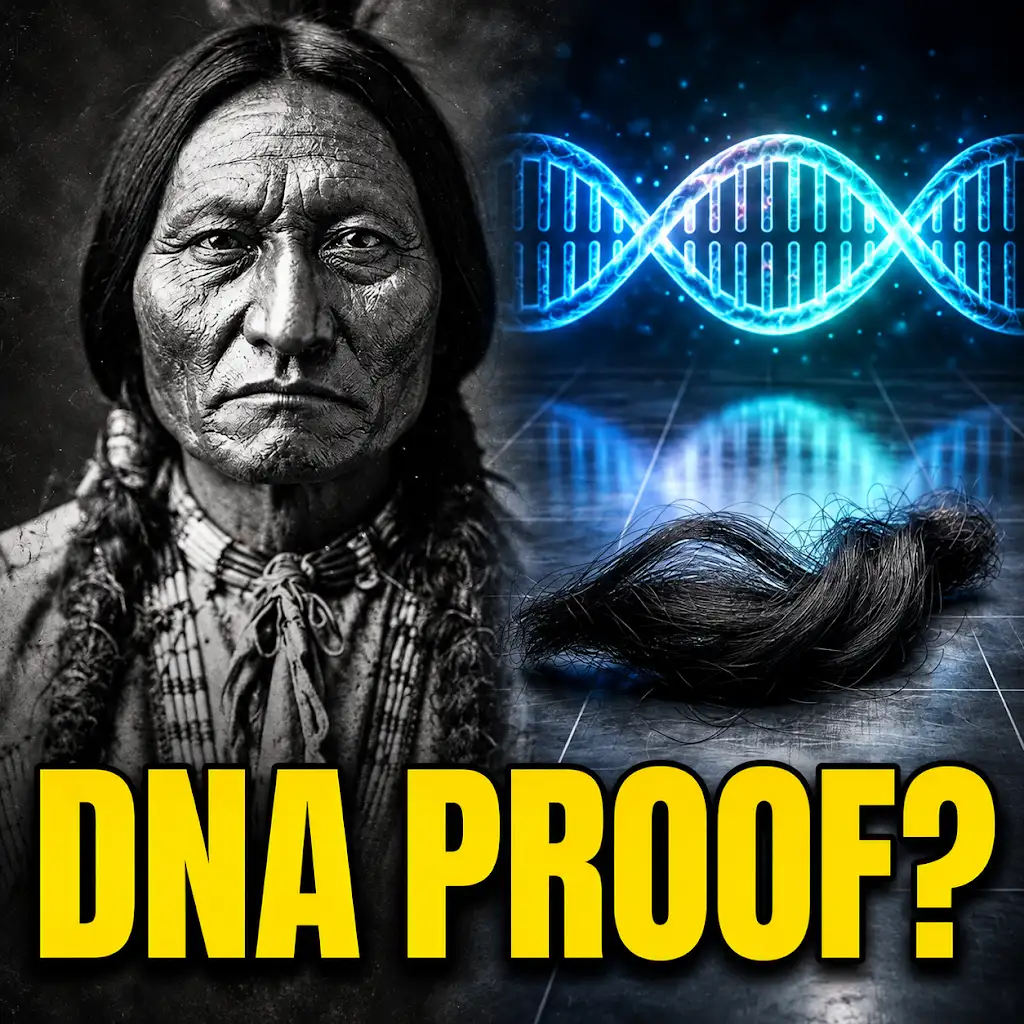
The Sitting Bull DNA Test: What Did It Actually Prove?
FAQs
1. What is the connection between Lakota DNA and Sitting Bull?
Sitting Bull was a prominent leader of the Lakota tribe, and his DNA would be representative of the genetic makeup of the Lakota people. Therefore, studying Sitting Bull’s DNA can provide insights into the genetic history of the Lakota tribe.
2. How can DNA analysis help trace the lineage of Sitting Bull?
DNA analysis can be used to trace the lineage of Sitting Bull by comparing his DNA with that of modern-day individuals who are known descendants of his family line. By identifying specific genetic markers, researchers can establish a genetic connection between Sitting Bull and his living relatives.
3. What genetic information can be obtained from studying Sitting Bull’s DNA?
Studying Sitting Bull’s DNA can provide information about his ancestry, genetic traits, and potential health predispositions. It can also help researchers understand the genetic diversity and history of the Lakota tribe to which Sitting Bull belonged.
4. Are there any ongoing research projects related to Lakota DNA and Sitting Bull?
Yes, there are research projects focused on studying the DNA of Sitting Bull and the Lakota people. These projects aim to uncover more about the genetic heritage of the Lakota tribe, as well as to preserve and honor the legacy of Sitting Bull through scientific exploration.
5. How does the study of Lakota DNA contribute to Native American history and culture?
The study of Lakota DNA contributes to Native American history and culture by providing a scientific perspective on the origins and evolution of indigenous populations. It helps to validate and preserve the rich heritage of Native American tribes like the Lakota, including their traditions, customs, and genetic legacy.