
Understanding the Nuances of DNA Testing for Native American Ancestry
The allure of tracing one’s roots to the Indigenous peoples of the Americas is a powerful motivator for many individuals exploring their ancestry. DNA testing has emerged as a popular tool in this quest, offering the promise of uncovering ancestral connections to Native American tribes. However, the journey to accurately identify Native American ancestry through DNA is complex and fraught with nuances. It is crucial to approach these tests with a realistic understanding of their capabilities and limitations, especially when dealing with ancestral groups whose genetic signatures may be less extensively documented in publicly available databases compared to more widespread populations. This article will delve into the intricacies of using DNA tests for Native American ancestry, guiding individuals through the process, highlighting potential challenges, and emphasizing the importance of combining genetic findings with historical and genealogical research.
The growing accessibility of direct-to-consumer (DTC) genetic testing has opened doors for millions to explore their heritage. Companies like AncestryDNA, 23andMe, and MyHeritage provide DNA testing kits that analyze autosomal DNA, the DNA inherited from all of your ancestors. These companies then compare your genetic profile against vast databases of reference populations, aiming to pinpoint regions and ethnic groups your ancestors likely came from. While these tests can be incredibly insightful for identifying broader ancestral origins, pinpointing specific Native American tribal affiliations requires a more sophisticated understanding of genetic markers, reference populations, and the historical context of Indigenous peoples in North America.
If you’re interested in exploring your ancestry and understanding your Native American heritage, you might find it helpful to read an article that discusses the implications of DNA testing for Native American descent. This topic is increasingly relevant as more individuals seek to connect with their roots through genetic testing. For more insights on related technological advancements, you can check out this article on lunar power grid development, which highlights innovative solutions that could impact various fields, including ancestry research. You can read it here: Securing Lunar Power Grid Development.
The Science Behind Genetic Ancestry and Native American Heritage
At its core, DNA testing for ancestry relies on the principle that individuals share DNA with their relatives. As generations pass, DNA is passed down, with segments of chromosomes being inherited from parents, grandparents, and further back. Genetic testing companies analyze millions of these DNA markers (single nucleotide polymorphisms or SNPs) across your genome. By comparing the patterns of these markers to those found in people from known ancestral backgrounds, they can estimate the percentage of your DNA that likely originated from specific regions and ethnic groups.
Autosomal DNA and Its Role in Ancestry Estimation
Autosomal DNA, which constitutes the vast majority of an individual’s genome, is inherited from both parents and all of their ancestors. This type of DNA testing is the most common for general ancestry tracing. For Native American ancestry, autosomal DNA can provide clues, but its interpretation requires careful consideration. The reference populations used by DNA testing companies are critical. If a company has a robust and representative database of DNA samples from various Native American tribes, its estimations for Native American ancestry are likely to be more accurate. However, historically, many databases have been less comprehensive for Indigenous populations due to a variety of factors, including historical underrepresentation in genetic research and the complexities of tribal affiliations themselves.
Mitochondrial DNA (mtDNA) and Y-Chromosome DNA (Y-DNA)
While autosomal DNA provides a broad picture of ancestry from all lines, mitochondrial DNA (mtDNA) and Y-chromosome DNA (Y-DNA) offer more specific insights into maternal and paternal lineages, respectively. mtDNA is passed down exclusively from mother to child, tracing a direct maternal line. Certain haplogroups found in mtDNA are strongly associated with Indigenous populations of the Americas. Similarly, Y-DNA is passed from father to son, tracing a direct paternal line. Specific Y-DNA haplogroups are also indicative of Native American origins. However, it is important to remember that these tests only reveal a tiny fraction of your overall ancestry – that of a single maternal or paternal line. Therefore, while useful for corroborating evidence, they are not a comprehensive indicator of overall Native American heritage.
The Importance of Reference Populations and Their Limitations
The accuracy of any DNA ancestry test hinges on the quality and diversity of its reference populations. These are groups of individuals whose DNA is known to represent specific ethnic groups or geographic regions. For Native American ancestry, the challenge lies in the vast diversity of Indigenous peoples across the Americas, each with unique genetic profiles shaped by millennia of distinct histories, migrations, and adaptations. Many DNA testing companies have historically relied on broader continental groupings (e.g., “Native American”) or regional estimates. Increasingly, some companies are working to build more specific tribal reference populations, but this is an ongoing and complex process. The absence of a particular tribe from a reference panel does not necessarily mean you lack ancestry from that tribe, but rather that the company has not yet collected sufficient data to confidently assign that ancestry.
Navigating DNA Test Results for Native American Connections
Interpreting DNA test results, particularly those indicating Native American ancestry, requires a discerning approach. It’s essential to understand that the percentages reported are estimations, and their precision can vary. Furthermore, a reported percentage, even a small one, doesn’t automatically translate into a direct, identifiable tribal connection without further investigation.
Understanding Percentage Estimates and Their Significance
When a DNA test reports a percentage of Native American ancestry, it signifies that your DNA shares a statistically significant number of markers with the reference samples identified as Native American by that specific company. The interpretation of these percentages can be nuanced. A higher percentage might suggest a more recent or more substantial contribution from Native American ancestors. However, even small percentages can be significant, especially if they align with genealogical or historical clues. It’s crucial to view these percentages as probabilities rather than definitive facts. Companies are constantly refining their algorithms and reference populations, so results can sometimes change over time with updates to their databases.
Distinguishing Between Broad Ethnic Categories and Specific Tribal Affiliations
Many DNA tests will initially provide broad ethnic categories, such as “Native American” or “Indigenous American.” This is because accurately assigning ancestry to specific tribes is significantly more challenging than identifying broader continental origins. Tribal affiliations are not solely genetic; they are also cultural, political, and legal constructs. Moreover, historical migration patterns, intermarriage, and the formation and dissolution of tribal entities over centuries create complex genetic landscapes. Therefore, a positive Native American DNA result often serves as a starting point for further investigation, rather than a definitive tribal identification.
Potential for Misattribution and Confusing Results
It is important to be aware of the potential for misattribution in DNA ancestry results. Genetic markers can sometimes be shared between different populations due to ancient migrations or admixture events. For example, certain markers found in some Native American populations might also be present, albeit in different frequencies, in other global populations. This is why cross-referencing results with genealogical research and understanding the limitations of reference databases is paramount. Additionally, individuals of Hispanic or Latino descent may sometimes receive a Native American ethnicity estimate due to the significant Indigenous ancestry present in many Latin American populations, which can be challenging for DNA algorithms to disentangle from more recent European or African contributions.
The Crucial Role of Genealogy and Historical Records
While DNA testing can provide tantalizing hints of Native American heritage, it is rarely sufficient on its own to establish definitive tribal connections or confirm ancestral identities. Genealogy and historical records are indispensable partners in this journey, providing the context and corroboration necessary to interpret genetic findings accurately.
Building a Family Tree and Identifying Ancestral Lines
The foundational step in genealogical research is constructing a family tree, tracing your lineage back as far as possible through both paternal and maternal lines. This involves gathering information from living relatives, birth certificates, marriage licenses, death records, census data, and immigration documents. By meticulously documenting your ancestors, you can begin to identify potential lines that might lead to Native American heritage. This process can help you focus your DNA analysis and historical research efforts on specific branches of your family.
Researching Indigenous Communities and Historical Migrations
Once you have identified potential lines of Native American ancestry through your family tree, the next step is to research the historical presence and migrations of Indigenous peoples in the regions where your ancestors lived. This involves consulting historical accounts, tribal histories, academic studies, and archives. Understanding which tribes historically inhabited specific territories can help you narrow down the possibilities for your ancestral connections. For instance, if your family has roots in the Great Plains, researching the history of tribes like the Lakota, Cheyenne, or Pawnee would be a logical step.
Utilizing Tribal Rolls, Dawes Rolls, and Other Historical Documents
For many individuals with Native American ancestry, specific historical documents can be invaluable. The Dawes Rolls, for example, were a series of US federal government censuses of the Five Civilized Tribes (Cherokee, Chickasaw, Choctaw, Muscogee (Creek), and Seminole) in the late 19th and early 20th centuries. Inclusion on these rolls often signified tribal membership and land allotments. Other tribal rolls, historical land records, mission records, and local historical society archives may also contain crucial information. DNA testing can sometimes help identify individuals who might be eligible for enrollment in tribes that have specific DNA requirements or can help confirm connections suggested by these historical documents.
If you’re exploring your heritage and considering a DNA test for Native American descent, you might find it interesting to read about the broader implications of asset valuation in today’s economy. For instance, an article discussing the top assets for dollar devaluation highlights how understanding your roots can influence your investment choices. You can check out the article here to gain insights into how cultural identity and financial decisions can intersect in meaningful ways.
Advanced DNA Strategies for Native American Ancestry
| Metric | Description | Typical Range/Value | Notes |
|---|---|---|---|
| Test Types | Types of DNA tests used to detect Native American ancestry | Autosomal, Y-DNA, mtDNA | Autosomal tests provide broad ancestry estimates; Y-DNA and mtDNA trace paternal and maternal lines respectively |
| Autosomal DNA Percentage | Estimated percentage of Native American ancestry in autosomal DNA | 0% – 100% | Most tests report a percentage estimate based on reference populations |
| Y-DNA Haplogroups | Common paternal haplogroups associated with Native American descent | Q, C | Haplogroup Q is the most prevalent among Native American males |
| mtDNA Haplogroups | Common maternal haplogroups associated with Native American descent | A, B, C, D, X | These haplogroups are markers of Native American maternal lineage |
| Reference Populations | Number of Native American reference populations used in test databases | 10 – 50+ | Varies by testing company; more references improve accuracy |
| Accuracy | Estimated accuracy of detecting Native American ancestry | 70% – 95% | Depends on test type, database size, and genetic markers used |
| Time to Results | Typical turnaround time for receiving DNA test results | 2 – 8 weeks | Varies by company and test type |
| Sample Type | Biological sample required for testing | Saliva or cheek swab | Non-invasive and easy to collect |
Beyond standard consumer DNA tests, more specialized approaches can be employed to refine or confirm Native American ancestral connections. These methods often involve deeper genetic analysis or participation in specific research projects.
Utilizing AncestryDNA’s Indigenous American Communities and Tribal DNA Projects
AncestryDNA, in particular, has made efforts to develop more specific Indigenous American ethnicity estimates by partnering with Native American communities and researchers to build more accurate reference panels. Their “Indigenous American” ethnicity estimate may offer more granular insights than broader continental categories. Furthermore, they sometimes offer “DNA Communities” that can highlight recent ancestral connections to specific geographic regions or ethnic groups, which may include Native American communities. Participating in their tribal DNA projects, if available and relevant to your suspected heritage, can also provide more targeted information.
Exploring Services that Offer Deeper Genetic Analysis and Tribal Matching
Some specialized genetic genealogy services and companies go beyond the standard DTC offerings. These might involve more in-depth analysis of specific genetic markers associated with Indigenous populations or offer tools that facilitate matching with individuals who have identified tribal affiliations. These services can sometimes be more expensive and may require a higher level of understanding of genetic principles. Their effectiveness often depends on the specific datasets and algorithms they employ, and it’s crucial to research their methodologies and reputation before investing.
Understanding the Potential and Pitfalls of Admixture Analysis
Admixture analysis is a type of genetic analysis that attempts to break down an individual’s genome into segments originating from different ancestral populations. Sophisticated admixture calculators, often found on third-party platforms that utilize raw DNA data from DTC tests, can sometimes provide more detailed breakdowns of ancestral components. While these can be fascinating for exploring historical population movements and admixtures, interpreting the results for Native American ancestry requires caution. The accuracy of these calculators heavily depends on the reference populations they use, and they may not always accurately disentangle the complex genetic history of Indigenous American peoples from other surrounding or admixed populations.
The Ethical and Cultural Considerations of Native American DNA Testing
The pursuit of Native American ancestry through DNA testing is not solely a scientific endeavor; it is also deeply intertwined with ethical and cultural considerations. It is vital to approach this journey with respect for Indigenous sovereignty, cultural heritage, and the diverse experiences of Native American peoples.
Respecting Indigenous Sovereignty and Tribal Membership
It is crucial to understand that tribal membership is a complex political and legal matter, not solely a genetic one. Tribes have the inherent right to determine their own membership criteria, which can include descent from enrolled members, residency, cultural connection, or a combination of factors. A DNA test indicating Native American ancestry does not automatically grant tribal membership or rights. It is imperative to engage with tribal governments and communities directly and respectfully if you believe you have a connection to a particular tribe.
The Importance of Cultural Engagement and Community Building
Genetic findings should ideally be a catalyst for deeper cultural engagement, not a replacement for it. If your DNA results suggest Native American heritage, consider learning more about the history, cultures, traditions, and contemporary issues of the relevant Indigenous peoples. This might involve visiting tribal museums, attending cultural events (when invited and appropriate), reading Indigenous literature, and connecting with Indigenous communities. Building relationships and fostering understanding is a far more meaningful outcome than simply identifying an ancestral percentage.
Avoiding Genetic Determinism and Stereotyping
It is essential to guard against genetic determinism, the belief that genes dictate all aspects of a person’s identity and behavior. Native American identity is multifaceted and encompasses far more than genetic markers. Avoid making assumptions or perpetuating stereotypes about individuals based on their perceived or tested ancestry. Acknowledging and celebrating ancestral connections should be done in a way that respects the diversity within Native American communities and avoids reducing individuals to their genetic makeup. The journey of discovering Native American ancestry should be one of respectful learning, cultural appreciation, and a commitment to understanding the rich and complex heritage of Indigenous peoples.
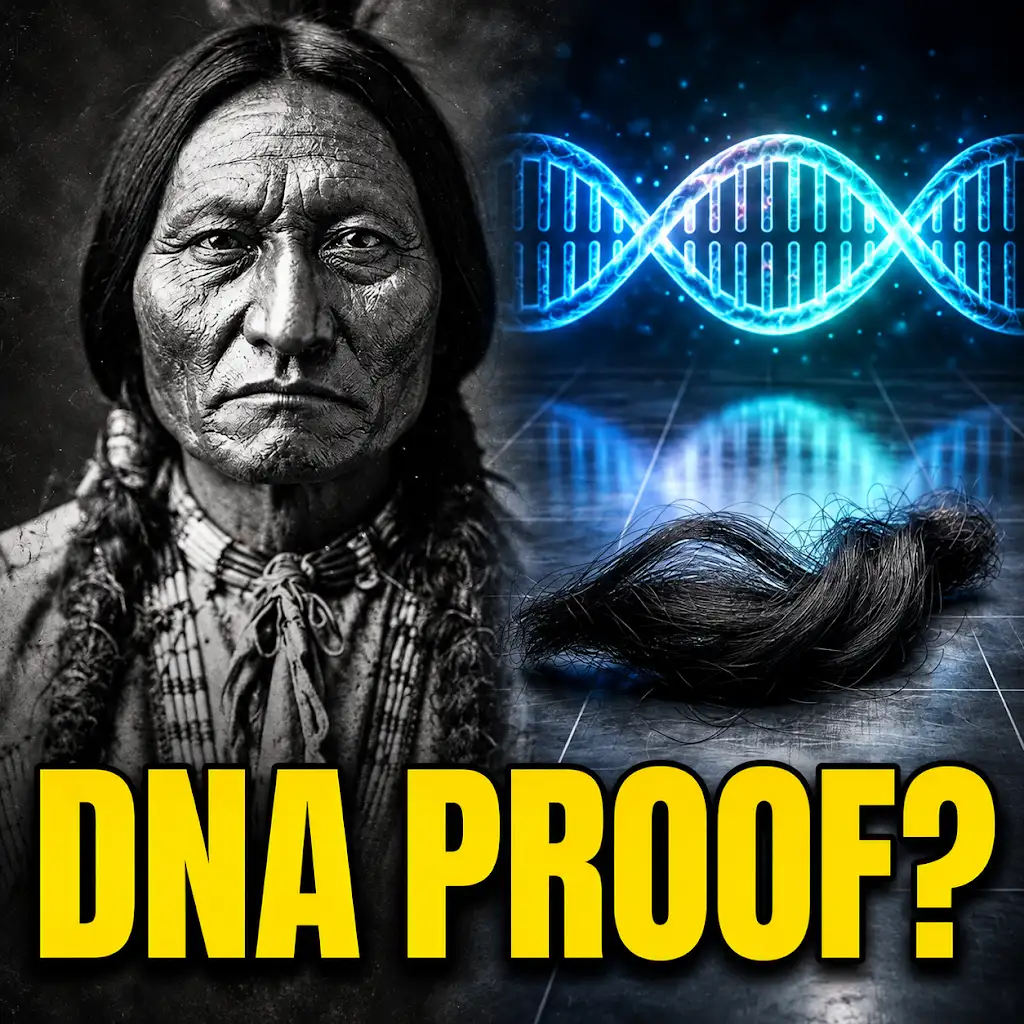
The Sitting Bull DNA Test: What Did It Actually Prove?
FAQs
1. Can a DNA test definitively prove Native American descent?
While a DNA test can provide information about your genetic ancestry, it cannot definitively prove Native American descent. It can indicate the likelihood of having Native American heritage based on genetic markers, but it is not a conclusive proof.
2. How accurate are DNA tests for determining Native American ancestry?
DNA tests can be accurate in detecting Native American ancestry, especially if the test includes markers specific to indigenous populations. However, the accuracy can vary depending on the testing company and the reference populations used for comparison.
3. What type of DNA test is best for determining Native American descent?
An autosomal DNA test is typically the best option for determining Native American descent. This test looks at a wide range of genetic markers from both parents, providing a comprehensive view of your ancestry, including potential Native American heritage.
4. Can DNA tests differentiate between different Native American tribes?
While DNA tests can indicate Native American ancestry, they may not be able to pinpoint specific tribal affiliations. This is because many tribes share genetic markers, making it challenging to distinguish between them based solely on DNA results.
5. Are there any limitations or considerations to keep in mind when taking a DNA test for Native American descent?
It’s important to remember that DNA testing for Native American ancestry has limitations. Results may not be able to provide a complete picture of your heritage, and cultural identity should not solely rely on genetic testing. Additionally, some tribes have specific requirements for proving ancestry, which DNA testing may not fulfill.