
The shimmering surface of a tranquil lake, the mighty rush of a river, or the simple drip of a faucet – water is an element so fundamental to human existence that its presence, or absence, dictates the fate of civilizations. Yet, the intricate systems that have reliably delivered this lifeblood to humanity for millennia are often taken for granted. The story of water engineering is not a recent one, born of the Industrial Revolution or the 20th century’s grand dam projects. Instead, it is a saga of ingenuity stretching back to the dawn of settled societies, a testament to human observation, experimentation, and an enduring drive to harness and control this most precious resource. Unveiling this hidden history reveals a surprising depth of ancient innovation, a lineage of engineers whose work, though largely uncelebrated, laid the groundwork for our modern world.
The First Architects of Flow: Early Water Management Systems
The earliest human settlements, nestled in fertile river valleys, understood the dual nature of water: its life-giving potential and its destructive power. The initial steps in water engineering were not about grand aqueducts but about pragmatic survival. The need to both cultivate crops and protect settlements from floods spurred the development of rudimentary techniques.
Agriculture’s Lifeline: Irrigation in Antiquity
The very concept of agriculture hinges on reliable access to water. Ancient peoples, observing the patterns of rainfall and river flow, began to manipulate their environment to ensure consistent irrigation. The Tigris and Euphrates rivers, cradling Mesopotamia, witnessed some of the earliest systematic irrigation efforts. Small canals, dug by hand, diverted river water to fields, transforming arid landscapes into breadbaskets. These were not mere ditches; they involved a rudimentary understanding of gradient and flow, ensuring water reached its destination without significant loss.
Further afield, ancient Egypt’s reliance on the Nile’s annual flood led to the development of basin irrigation. During the inundation, floodwaters were contained within large basins, allowing the fertile silt to settle on the land. When the waters receded, the fields were left ready for planting. This method, while seemingly simple, required careful management of dikes and channels to control the water’s spread and drainage.
In the Indus Valley Civilization, the cities of Mohenjo-Daro and Harappa showcased sophisticated water management for their time. Evidence suggests elaborate systems of canals and reservoirs, designed to irrigate crops and provide water for urban populations. Their urban planning even incorporated advanced drainage systems, hinting at an understanding of water’s impact on sanitation and public health.
Taming the Torrent: Flood Control and Drainage
Beyond agriculture, the destructive potential of water was a constant threat. Early communities developed methods to defend themselves from floods. The construction of earthen levees and dikes along riverbanks provided the first line of defense. These were not static structures; they required constant maintenance and reinforcement, reflecting an ongoing dialogue between humanity and the forces of nature.
In low-lying areas, drainage became equally important. The development of artificial channels to divert excess water, particularly from agricultural lands, prevented waterlogging and allowed for crop cultivation. The ancient Greeks, particularly those in areas prone to marshlands, developed rudimentary drainage systems to reclaim land and improve living conditions.
Hidden history often reveals fascinating insights into ancient water engineering practices that shaped civilizations. For a deeper understanding of how geomorphology influences water management systems, you can explore the article on unraveling the mysteries of geomorphology. This piece delves into the intricate relationship between landforms and water resources, shedding light on the engineering feats of past societies. To read more, visit this article.
The Masters of the Aqueduct: Transporting Water Across Landscapes
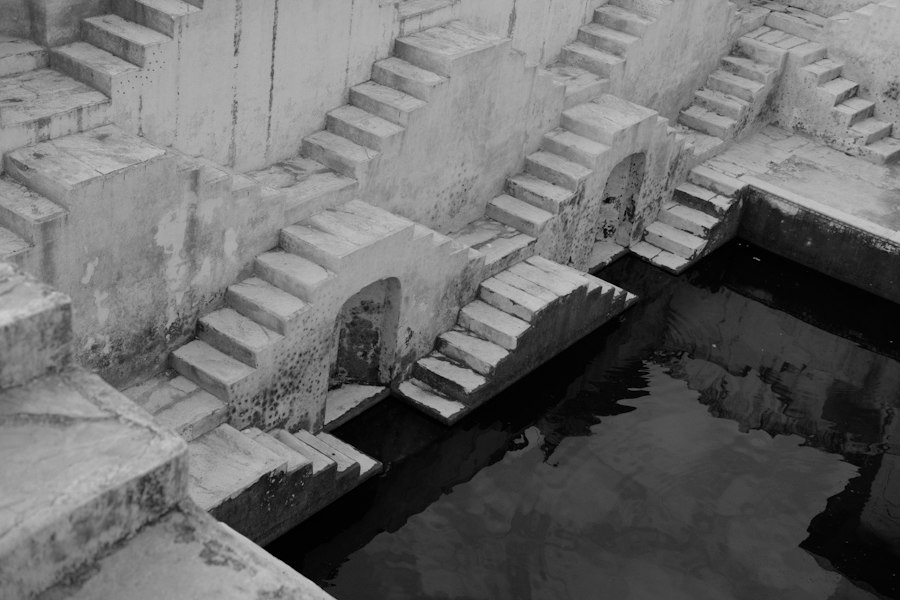
As civilizations grew and urban centers emerged, the need to transport water over greater distances became paramount. This marked a significant leap in water engineering, requiring a deeper understanding of hydraulics, materials science, and sophisticated surveying techniques. The construction of aqueducts, monumental feats of engineering, became a hallmark of many ancient empires.
Rome’s Liquid Arteries: Grand Scale and Precision
The Roman Empire stands as a titan of ancient water engineering, renowned for its extensive network of aqueducts. These were not just simple channels; they were complex structures that utilized gravity to transport water, sometimes for dozens of miles, from distant springs and rivers into cities. Roman engineers mastered the art of maintaining a consistent, gentle gradient, a crucial element for the efficient flow of water without excessive erosion or stagnation.
The design of Roman aqueducts was remarkable for its versatility. They employed inverted siphons, using lead or ceramic pipes, to cross valleys or ascend inclines where gravity alone would not suffice. This demonstrated an early understanding of pressure and fluid dynamics. The materials used – stone, brick, and Roman concrete – were chosen for their durability and water resistance. The construction often involved vast teams of laborers, skilled masons, and meticulous planning. The Aqua Appia, built in 312 BCE, was the first of many, and by the height of the empire, Rome was served by a dozen major aqueducts, providing a daily supply of millions of gallons of water. This vast network was not solely for domestic use; it supplied public baths, fountains, latrines, and industrial enterprises, fundamentally shaping Roman urban life and public health.
Beyond Rome: Other Civilizations’ Waterways
While Roman aqueducts are perhaps the most famous, other ancient civilizations also developed impressive water transport systems. The Greeks, though not on the same scale as Rome, constructed aqueducts and underground tunnels to supply their cities with water. The Persians, known for their ingenuity in arid regions, developed the qanat system, a network of underground tunnels that tapped into groundwater and transported it to settlements and agricultural areas via gravity. These qanats, often extending for miles, were remarkable feats of excavation and maintenance, requiring a deep understanding of geology and hydrology.
In the Inca Empire, the formidable Andean landscape presented unique challenges. The Incas built intricate water channels and stone-lined aqueducts to transport water from mountain springs to their terraced agricultural fields and settlements. These systems often involved impressive feats of stone masonry and a sophisticated understanding of controlling water flow in mountainous terrain.
The Science of Storage: Reservoirs and Cisterns

The ability to store water was as crucial as its transportation. Reservoirs and cisterns provided a buffer against drought, ensured a steady supply during dry seasons, and allowed for the management of water for various purposes. Ancient engineers developed ingenious methods for containing and preserving water.
Fortifying the Supply: Ancient Reservoirs
Large-scale reservoirs were constructed by many ancient societies to store vast quantities of water. The Romans, again, were pioneers in this field, building massive reservoirs to augment their aqueduct systems. These structures often involved massive earthen dams or concrete structures designed to withstand immense pressure. The Vergallo Reservoir in France, dating back to the 1st century CE, is a testament to their engineering prowess, still partially intact today.
Ancient civilizations in the Middle East and North Africa also developed sophisticated reservoir systems to cope with arid climates. In Ceylon (modern Sri Lanka), ancient kings constructed massive reservoirs, some dating back over a thousand years, which served as vital irrigation sources and water storage for their kingdoms. These “tanks,” as they are known, are remarkable for their scale and the intricate systems of sluice gates and canals that managed the water flow. The sheer volume of water they could store was crucial for sustaining agriculture and supporting dense populations in regions prone to erratic rainfall.
Preserving Purity: Cisterns for Collection and Consumption
Cisterns, often smaller and more localized than reservoirs, were essential for collecting and storing rainwater or for supplying individual buildings. Ancient homes, particularly in areas with scarce surface water, would often have underground cisterns lined with waterproof materials like plaster or stone. These were crucial for providing drinking water and water for domestic use.
The Byzantines, inheritors of Roman engineering traditions, are renowned for their extensive network of underground cisterns in Constantinople. The Basilica Cistern, a breathtaking example, could hold an enormous volume of water, acting as a vital reserve for the city. These cisterns were not just utilitarian; they were often architecturally elaborate, with vaulted ceilings and intricate column designs, reflecting the importance placed on water security. The careful construction of these underground spaces prevented evaporation and contamination, ensuring a relatively pure water supply.
Sanitation and Sewage: The Unseen Engineering
While the grandeur of aqueducts often captures the imagination, the engineering efforts dedicated to sanitation and sewage disposal were equally vital for public health and the sustainability of urban life. Ancient societies, from the most advanced to the relatively modest, grappled with the challenge of managing human waste.
The Roman Approach: Baths, Latrines, and Sewers
The Romans excelled in developing integrated water and sanitation systems. Their public baths, while recreational, were elaborate structures that required substantial water supply and, crucially, a way to remove waste. The development of sophisticated sewer systems, like the Cloaca Maxima in Rome, played a critical role. This ancient sewer, still in use today, was a monumental undertaking designed to drain the city and carry waste into the Tiber River.
Roman homes and public buildings also featured latrines, often with multiple seats, connected to the sewer system. The water used to flush these latrines, often supplied by aqueducts, demonstrates a level of integrated design that was centuries ahead of its time. While the disposal of waste into rivers was not ideal by modern standards, it was a significant improvement over open defecation and provided a basic level of urban hygiene that contributed to the longevity and health of Roman populations.
Early Drainage and Waste Management Elsewhere
Other ancient civilizations also developed systems for waste disposal. The Indus Valley cities, as mentioned, had advanced drainage systems integrated into their urban planning, with covered drains running beneath the streets. This suggests an understanding of the link between sanitation and public health, preventing the accumulation of waste and disease.
Ancient Greeks, particularly in Athens, had systems for removing waste from the city, although they were not as comprehensive as those of Rome. Evidence suggests the use of cesspits and rudimentary drainage channels. The Minoan civilization on Crete also exhibited sophisticated plumbing in their palaces, including terracotta pipes for water and drainage, demonstrating an early awareness of the need to manage wastewater.
Exploring the intricate world of hidden history in water engineering reveals fascinating insights into ancient civilizations and their innovative techniques. For a deeper understanding of how these advancements have shaped modern infrastructure, you might find it interesting to read a related article that discusses the strategic implications of historical engineering practices in international relations. This connection highlights the importance of resource management throughout history, as seen in the article available here.
Legacy and Lessons: Enduring Principles of Water Engineering
| Era | Region | Engineering Achievement | Description | Impact |
|---|---|---|---|---|
| Ancient Mesopotamia (c. 3000 BCE) | Mesopotamia | Canal Systems | Construction of extensive irrigation canals to divert river water for agriculture. | Enabled large-scale farming and supported urban growth. |
| Indus Valley Civilization (c. 2500 BCE) | South Asia | Urban Drainage Systems | Advanced drainage and sewage systems in cities like Mohenjo-Daro. | Improved public health and sanitation. |
| Ancient Rome (c. 312 BCE) | Europe | Aqueducts | Engineering of aqueducts to transport water over long distances. | Supplied cities with fresh water, supporting population growth. |
| Medieval Islamic World (8th-14th century) | Middle East | Qanats | Underground channel systems to transport water from aquifers to surface. | Enabled agriculture in arid regions. |
| Pre-Columbian Americas (c. 1000 CE) | South America | Terrace Irrigation | Construction of terraces with irrigation channels in the Andes. | Maximized arable land and controlled erosion. |
The history of ancient water engineering is not merely a collection of curious facts about past civilizations. It offers profound lessons that resonate even in the 21st century. The ingenuity, resourcefulness, and long-term vision displayed by these ancient engineers are inspiring and provide a foundation for understanding the enduring principles of water management.
The Power of Gravity and Observation
One of the most striking aspects of ancient water engineering is the pervasive reliance on gravity. From the subtle slopes of aqueducts to the natural flow of rivers, ancient engineers understood and expertly harnessed this fundamental force. Their success stemmed from meticulous observation of natural phenomena, patient experimentation, and a deep respect for the power of physics. This emphasis on understanding natural forces rather than solely imposing artificial ones offers a valuable perspective for modern engineering, which often seeks to work in harmony with natural systems.
Sustainability and Durability
Many ancient water systems were built to last for centuries, even millennia. The use of durable materials like stone, concrete, and well-fired ceramics, coupled with thoughtful design, ensured longevity. The long-term thinking embedded in these projects, extending far beyond the immediate needs of their builders, highlights a concept of sustainability that is increasingly relevant today. These ancient engineers were, in essence, building for the future, creating infrastructure that would serve generations to come.
The Adaptability of Innovation
The diversity of water engineering solutions across different cultures and environments underscores the adaptability of human innovation. Whether it was the vast aqueducts of Rome, the underground qanats of Persia, the terraced irrigation of the Incas, or the clever use of cisterns in arid lands, ancient peoples found creative ways to solve their water challenges. This adaptability, driven by necessity and ingenuity, is a timeless characteristic of successful engineering. It reminds us that there is no single blueprint for success and that solutions must be tailored to specific contexts and challenges.
The hidden history of water engineering reveals a rich tapestry of human achievement, a testament to the enduring quest to secure life’s most essential resource. The innovations of our ancestors, often overlooked in the grand narratives of history, laid the very foundations upon which our modern water infrastructure is built. By unearthing these ancient marvels, we gain not only a deeper appreciation for the past but also a renewed perspective on the challenges and possibilities of managing water for the future.
They Dug Water Tunnels Under the Desert… And They Still Flow
FAQs
What is hidden history water engineering?
Hidden history water engineering refers to the lesser-known or overlooked advancements, techniques, and innovations in the field of water management and infrastructure development throughout history.
What are some examples of hidden water engineering achievements?
Examples of hidden water engineering achievements include ancient aqueduct systems, underground water tunnels, sophisticated irrigation methods, and early water filtration systems that have played crucial roles in shaping civilizations and societies.
How has hidden water engineering impacted societies throughout history?
Hidden water engineering has had a significant impact on societies by enabling the development of agriculture, establishment of cities, improvement of public health, and facilitation of trade and transportation through efficient water management systems.
Why is it important to uncover and study hidden water engineering history?
Studying hidden water engineering history is important as it provides insights into the ingenuity and resourcefulness of past civilizations, offers solutions to modern water management challenges, and helps in understanding the interconnectedness of water systems and human development.
Where can one learn more about hidden history water engineering?
One can learn more about hidden history water engineering through historical texts, academic research papers, documentaries, museum exhibits, and specialized courses or programs in civil engineering, archaeology, or water management studies.