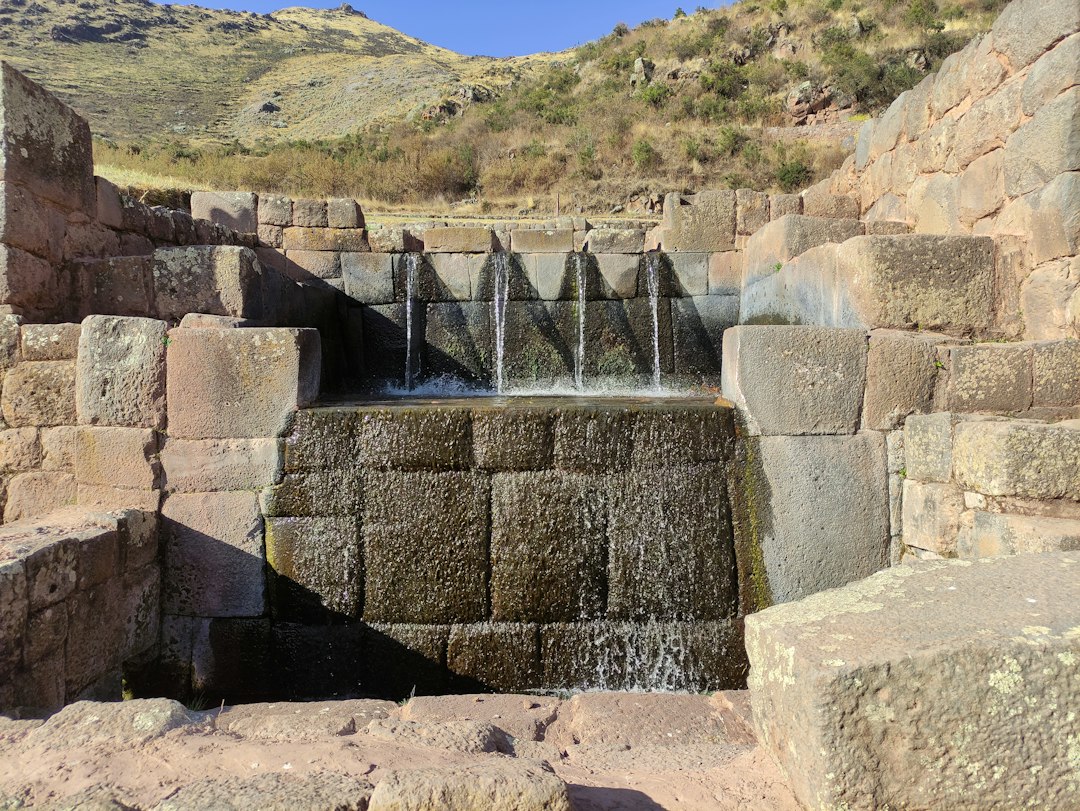
The arid expanses of ancient Persia, a land often characterized by its stark beauty and harsh climate, harbored a secret to survival and prosperity that continues to inspire awe: the qanat system. Far from being a mere collection of wells and ditches, the qanat represents a marvel of ancient engineering, a testament to human ingenuity in harnessing precious water resources to transform deserts into fertile oases. For millennia, these subterranean aqueducts, stretching for miles beneath the earth’s surface, have sustained communities, supported agriculture, and shaped the very landscape of vast regions. Their construction and operation required a profound understanding of geology, hydrology, and meticulous planning, demonstrating a sophisticated approach to water management that predates many modern technologies. The qanat, therefore, is not simply an ancient artifact; it is a living legacy, a sophisticated technology that offers valuable lessons even in the 21st century.
The Genesis of a Subterranean Marvel
The origins of the qanat system are shrouded in the mists of antiquity, with archaeological evidence suggesting its roots can be traced back to the Iranian plateau as early as the first millennium BCE. While the exact moment of its invention is lost to time, its development was intrinsically linked to the environmental challenges faced by early Persian civilizations. The scarcity of surface water, coupled with the vast distances between perennial rivers and arable land, necessitated a radical approach to water acquisition.
The Quest for Perennial Water Sources
The primary driving force behind qanat development was the need to access reliable, year-round water. Surface water sources, such as rivers and springs, were often seasonal, unpredictable, or located too far from settlements and agricultural lands. The arid climate meant that evaporation from open canals and reservoirs was a significant concern, leading to substantial water loss before it could reach its intended destination. The genius of the qanat lay in its ability to circumvent these issues by transporting water underground, thus minimizing evaporation and protecting it from contamination. The engineers of ancient Persia looked to the mountains and foothills, where groundwater accumulated from rainfall and snowmelt, as the ultimate source of this precious resource. Identifying areas with consistent underground water tables was a crucial first step, often requiring extensive geological surveying and empirical observation.
The Silent Architects: Early Engineering Prowess
The construction of a qanat was an undertaking of monumental scale and complexity, demanding a deep understanding of subterranean strata and the physical properties of rock and soil. Early qanat builders, working with rudimentary tools and an immense amount of labor, developed sophisticated techniques for excavation and maintenance. The process began with the identification of an aquifer, typically found at higher elevations in mountainous regions. From this point, a gently sloping tunnel was excavated downhill, gradually descending towards the command area, usually a settlement or agricultural plain. This downhill gradient was critical, allowing gravity to do the work of moving the water without the need for pumps. The excavation proceeded simultaneously from multiple access shafts, known as “wells” or “vertical shafts,” which were dug at regular intervals along the qanat’s path. These shafts served multiple purposes: they provided access for excavators and laborers, facilitated the removal of excavated soil, and allowed for ventilation during the dangerous underground work. The precision required to maintain the correct gradient over several kilometers was astonishing, preventing the qanat from becoming too steep, which could lead to erosion and collapse, or too shallow, which would result in stagnant water and insufficient flow.
The ancient Persian irrigation system is a fascinating topic that highlights the ingenuity of early civilizations in managing water resources. For a deeper understanding of how such systems contributed to the rise and fall of ancient societies, you can explore the related article on the sudden collapse of ancient civilizations, which provides insights into various factors that led to their decline. To read more, visit this article.
The Anatomy of a Qanat: A Masterpiece of Underground Engineering
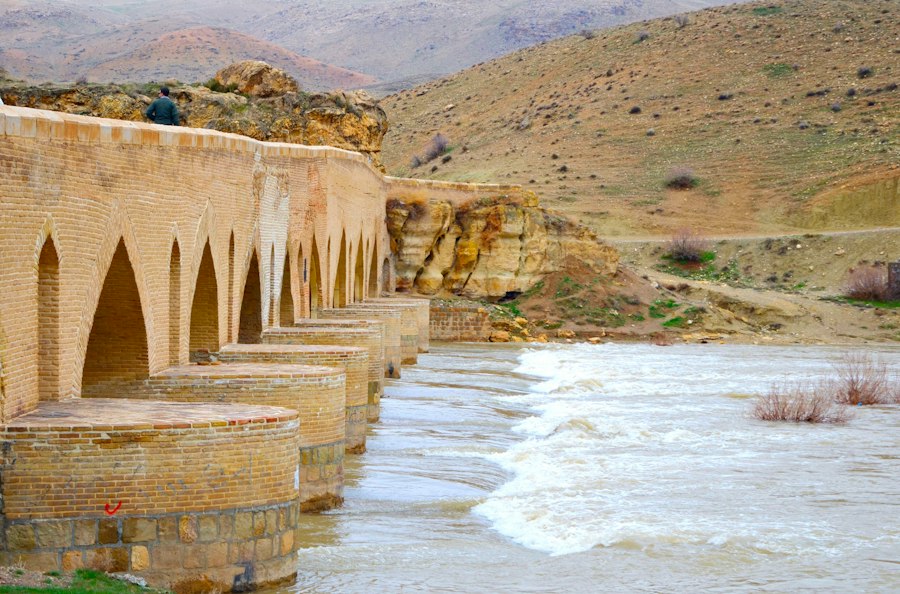
A qanat is not a monolithic structure but a finely tuned system comprised of interconnected components, each playing a vital role in the efficient delivery of water. Understanding these individual elements reveals the intricate planning and foresight that characterized their design and construction.
The Mother Well: Tapping into the Earth’s Veins
The qanat system’s genesis begins at the “mother well,” also known as the “head well” or “water intake well.” This is the deepest and most crucial vertical shaft, strategically located at the point where the qanat intersects the aquifer. The depth of the mother well is determined by the depth of the water table, ensuring a constant supply of groundwater. Excavation at this stage is particularly challenging, requiring specialized techniques to manage the inflow of water and prevent the collapse of the surrounding earth. The careful selection of the mother well’s location was paramount, as it dictated the entire system’s potential yield and the feasibility of its construction. Geological surveys, often conducted through observation of natural springs and vegetation patterns, would have guided this critical decision.
The Gradient Tunnel: The Lifeline of the System
Connecting the mother well to the surface is the main tunnel, a gently sloping subterranean channel that serves as the qanat’s lifeline. This tunnel is typically between one and two meters in height, just enough for workers to navigate and excavate. Its gradient is meticulously calculated, usually between 1:1000 and 1:500, to ensure a steady, unimpeded flow of water without causing excessive erosion or sediment buildup. The construction of this tunnel was the most labor-intensive and dangerous phase, involving teams of workers digging by hand, often in cramped and humid conditions, with only the light of oil lamps to guide them. The excavated soil was brought to the surface through the vertical shafts, creating tell-tale mounds that often mark the path of ancient qanats to this day. The consistency of the tunnel’s slope was a testament to the builders’ remarkable skill and attention to detail, as even minor deviations could have significant consequences for the water flow.
The ancient Persian irrigation system, known for its sophisticated design and engineering, played a crucial role in transforming arid landscapes into fertile agricultural land. This remarkable achievement not only supported the empire’s economy but also showcased the ingenuity of Persian civilization. For those interested in exploring how historical systems of control and manipulation can be paralleled with modern tactics, you might find this article insightful. It delves into the intricacies of influence and power dynamics, which can be seen in various contexts throughout history. To learn more about these themes, you can read the article here.
The Vertical Shafts: Essential Arteries of Access and Ventilation
Interspersed along the length of the gradient tunnel are the vertical shafts, spaced at regular intervals, typically between 20 and 100 meters apart. These shafts are the unsung heroes of the qanat system, serving a multitude of essential functions. Firstly, they provide crucial access points for excavation. Workers could descend into the tunnel from these shafts, significantly reducing the distance and effort required to move excavated material. Secondly, they facilitate ventilation. The constant flow of air through the shafts helped to clear out foul gases and provide fresh air for the workers deep underground, a critical safety measure. Thirdly, the shafts allowed for the removal of excavated debris. The spoil from the tunnel construction was brought to the surface and piled around the shafts, forming the characteristic mounds that are a visual signature of qanat systems. Finally, the vertical shafts were indispensable for the ongoing maintenance of the qanat. Blockages, collapses, or leaks could be identified and repaired by accessing the tunnel through these points, ensuring the longevity and continued functionality of the system. The spacing of the shafts was a carefully considered factor, balancing the need for access and ventilation with the desire to minimize water loss through evaporation and leakage from the shafts themselves.
The Discharge Outlet: The Water’s Destination
At the end of its subterranean journey, the qanat emerges at the surface, typically near the edge of the command area, forming a gentle stream or reservoir. This is the discharge outlet, where the life-giving water becomes available for irrigation, domestic use, and other communal needs. The design of the outlet was often tailored to the specific needs of the community, with reservoirs, distribution channels, and cisterns being common features. The consistent flow of water from the qanat allowed for predictable agricultural planning and supported the development of thriving settlements in otherwise arid regions. The careful management of this water at the outlet was also crucial, often involving communal agreements and regulations to ensure equitable distribution among users. This was the culmination of a complex engineering feat, the point where subterranean ingenuity met the needs of the surface world.
The Societal Impact: Water, Life, and Civilization
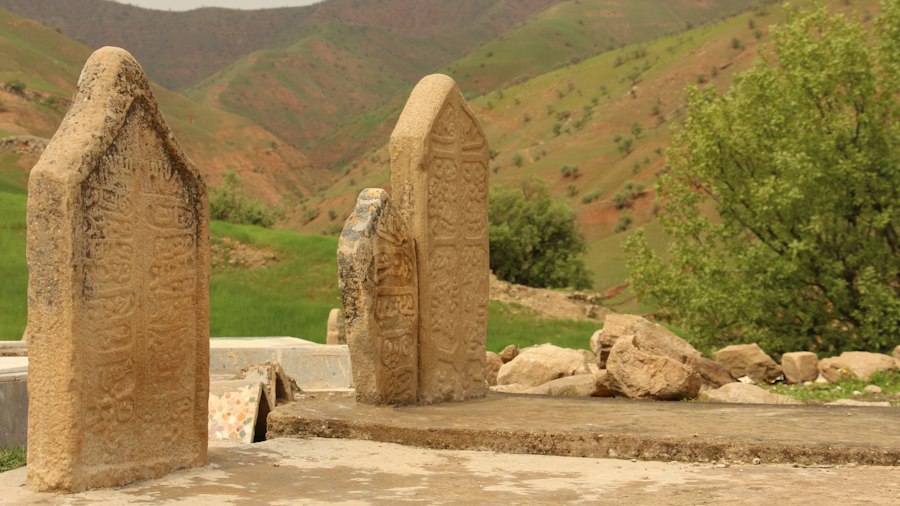
The qanat system was far more than just an ingenious piece of infrastructure; it was a fundamental pillar of ancient Persian society, profoundly shaping its economy, culture, and political landscape. Its ability to bring water to arid lands facilitated agricultural development, supported population growth, and fostered the rise of powerful and prosperous civilizations.
Sustaining Agriculture and Creating Oases
The most immediate and profound impact of the qanat was its ability to sustain agriculture in regions that would otherwise be barren. By providing a reliable and continuous supply of water, qanats transformed deserts and semi-arid lands into fertile fields and lush gardens. This enabled the cultivation of a wide variety of crops, including grains, fruits, and vegetables, supporting the food needs of growing populations. The predictable nature of qanat water also allowed for sophisticated agricultural planning, moving beyond subsistence farming to surplus production. The development of extensive agricultural lands around qanat outlets led to the creation of vibrant oases, which became centers of trade, culture, and innovation. These fertile pockets within the vast arid landscape were testaments to the transformative power of the qanat technology.
Empowering Communities and Shaping Governance
The construction and maintenance of qanats were communal efforts, requiring significant organization, cooperation, and shared responsibility. This fostered a strong sense of community and interdependence among the people who relied on them. Often, the ownership and management of qanats were governed by complex customary laws and agreements, ensuring equitable distribution of water and preventing disputes. This communal ownership model contributed to social stability and provided a framework for local governance. In many instances, the control and regulation of qanat systems became a source of power and influence for local leaders and elites, shaping the political structures of ancient Persia. The success of a qanat directly correlated with the prosperity and well-being of the community, underscoring its central importance.
A Legacy of Knowledge and Cultural Exchange
The qanat technology was a sophisticated body of knowledge, passed down through generations of engineers, surveyors, and laborers. This knowledge encompassed not only the technical skills of excavation and water management but also a deep understanding of geology, hydrology, and the natural environment. As Persian influence spread, the qanat system was adopted and adapted by other cultures across the Middle East, North Africa, and parts of Asia. This dissemination of knowledge represents a significant contribution to the history of hydraulic engineering and demonstrates the impact of Persian innovation on global development. The enduring presence of qanats in these regions serves as a tangible reminder of this rich cultural exchange.
The Enduring Relevance of the Qanat
Despite the advent of modern irrigation technologies, the qanat system has demonstrated remarkable resilience and continues to play a vital role in many regions. Its principles of sustainable water management and its low environmental impact make it a model that is increasingly relevant in the face of contemporary water scarcity challenges.
Sustainable Water Management in the Modern Era
In an age where water scarcity is a growing global concern, the qanat system offers a powerful example of sustainable water management. By drawing on naturally replenished groundwater, qanats avoid the over-extraction of surface water sources that can lead to ecological damage and depletion. The underground nature of the system also significantly minimizes evaporation losses, ensuring that a greater proportion of the water resource reaches its intended use. This contrasts sharply with many modern irrigation methods that can be water-intensive and lead to salinization and water table depletion. The qanat’s reliance on gravity-fed flow further reduces energy consumption, making it an environmentally friendly and cost-effective solution for water delivery.
Challenges and Adaptations of Existing Qanats
While qanats have a long history of successful operation, they are not without their challenges in the modern world. Changes in land use, groundwater depletion due to increased pumping for other uses, and the intrusion of modern infrastructure can threaten the integrity and functionality of ancient qanat systems. Furthermore, the labor-intensive nature of their maintenance can be a challenge in communities where traditional skills are declining. However, in many areas, efforts are underway to preserve and restore these vital systems. This includes modernizing maintenance techniques, fostering community engagement, and integrating qanats into contemporary water management plans. The adaptation and revival of qanat technology underscore its enduring value and the potential for its continued contribution to water security.
Lessons for Future Water Resource Development
The qanat system holds invaluable lessons for future water resource development strategies. Its emphasis on understanding local hydrogeology, minimizing environmental impact, and fostering community involvement in water management are principles that resonate strongly today. The qanat demonstrates that sustainable and effective water solutions can be achieved through clever engineering and a deep respect for natural processes. As societies grapple with the challenges of climate change and increasing water demand, studying and learning from the ingenuity of ancient Persian qanat builders provides a crucial historical perspective and a source of inspiration for developing resilient and equitable water futures. The silent flow of water beneath the earth, a testament to ancient wisdom, continues to offer a vital blueprint for navigating the water challenges of tomorrow.
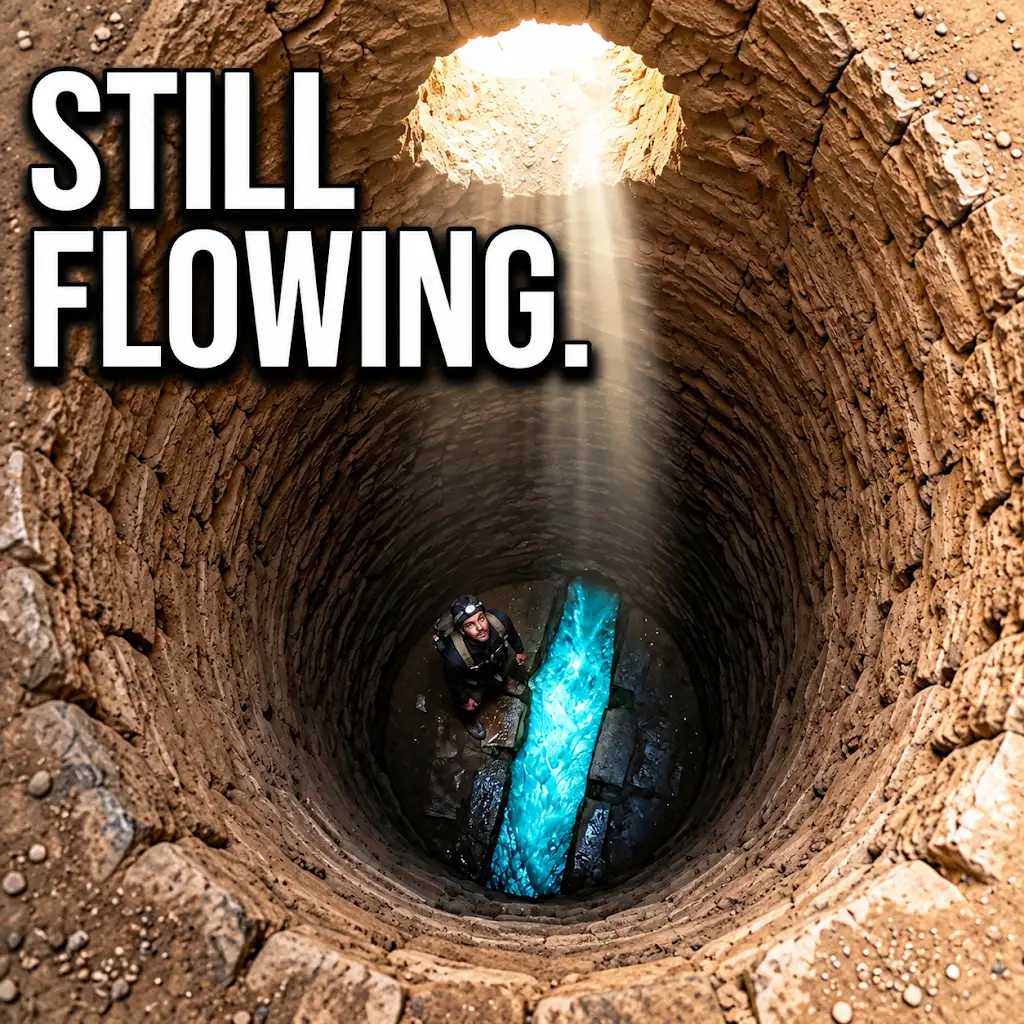
They Dug Water Tunnels Under the Desert… And They Still Flow
FAQs
What was the purpose of the ancient Persian irrigation system?
The ancient Persian irrigation system was designed to efficiently distribute water to agricultural lands for irrigation, allowing crops to thrive in arid regions.
How did the ancient Persians transport water for irrigation?
Ancient Persians used a network of underground tunnels called qanats to transport water from highland sources to lower elevation fields, ensuring a steady supply of water for irrigation.
What role did the ancient Persian engineers play in developing the irrigation system?
Ancient Persian engineers were instrumental in designing and constructing the intricate network of qanats, underground channels, and reservoirs that made up the irrigation system, showcasing their advanced knowledge of hydrology and engineering.
How did the ancient Persian irrigation system impact agriculture and society?
The ancient Persian irrigation system revolutionized agriculture in the region, leading to increased crop yields, improved food security, and the growth of prosperous settlements and cities along the fertile lands watered by the system.
Is the ancient Persian irrigation system still in use today?
While some elements of the ancient Persian irrigation system are still in use today, such as qanats in Iran, many parts have been replaced by modern irrigation techniques. However, the legacy of the system continues to influence water management practices in the region.