
Understanding the Bureau of Indian Affairs DNA Policy
The Bureau of Indian Affairs (BIA), an agency within the United States Department of the Interior, plays a crucial role in administering federal programs and services for American Indians and Alaska Natives. Over recent years, the BIA has grappled with complex issues surrounding tribal enrollment and identity, leading to the development and implementation of specific DNA policies. These policies are not merely administrative procedures; they carry significant implications for individuals, families, and tribal nations. This article delves into the guidelines and broader implications of the BIA’s DNA policy, aiming to provide a comprehensive understanding of its intricacies.
The Bureau of Indian Affairs (BIA) has recently implemented a new DNA policy aimed at enhancing the management of tribal enrollment and identity verification. This policy has sparked discussions about the implications for tribal sovereignty and the protection of indigenous rights. For further insights into the intersection of culture and technology, you may find the article “Uncovering Ancient Secrets: The Documentary” particularly relevant, as it explores how modern advancements can impact our understanding of indigenous histories. You can read it here: Uncovering Ancient Secrets: The Documentary.
The Genesis and Purpose of BIA DNA Policy

The evolution of BIA DNA policy is rooted in the historical complexities of tribal recognition, federal trust responsibilities, and the determination of tribal affiliation. Historically, tribal enrollment has been governed by a variety of criteria, including blood quantum, lineal descent, and historical connection to a tribe. However, as scientific advancements in DNA analysis have become more accessible and sophisticated, the BIA, in collaboration with tribal governments, has explored the utility of genetic testing as a tool to assist in enrollment and verification processes. The primary purpose behind these policies is to ensure accuracy, fairness, and consistency in determining who qualifies for tribal membership, thereby upholding the integrity of tribal governance and the administration of federal services tied to tribal status.
Historical Context of Tribal Enrollment
Understanding the current BIA DNA policy necessitates a brief look at the historical methods of tribal enrollment. For centuries, tribes maintained their own enrollment systems, often based on kinship, lineage, and community recognition. Following the establishment of the United States and the subsequent federal policies toward Native Americans, including allotment and assimilation, federal agencies like the BIA began to play a role in managing tribal affairs and, consequently, tribal rolls. Blood quantum, a measure of the proportion of Native American ancestry, became a prevalent, albeit controversial, criterion imposed by the federal government for enrollment in many tribes. This system, often at odds with traditional tribal understandings of kinship and belonging, has led to ongoing debates about identity and membership.
The Rise of Genetic Testing in Tribal Affairs
The advent of affordable and accessible DNA testing technologies presented new possibilities and challenges for tribal enrollment. While some tribes have embraced genetic testing as a supplemental tool to verify lineal descent or historical connections, others remain cautious due to concerns about privacy, cultural appropriateness, and the potential for genetic determinism to overshadow community ties. The BIA’s involvement in DNA policy often stems from situations where federal programs or benefits are tied to tribal enrollment, necessitating a standardized and verifiable approach. The policy aims to provide a framework for the ethical and effective use of genetic information in these contexts, always with an emphasis on respecting tribal sovereignty and individual privacy.
Key Guidelines and Components of the BIA DNA Policy

The BIA’s DNA policy is not a monolithic entity but rather a set of guidelines that can be adapted and implemented differently by various tribal nations. However, certain core principles and components are generally present across these guidelines, focusing on the responsible and ethical use of genetic information. The overarching objective is to ensure that any DNA testing conducted in relation to BIA matters is conducted with transparency, informed consent, and robust data protection measures.
Informed Consent and Voluntary Participation
A cornerstone of any ethical DNA policy is the principle of informed consent. The BIA’s guidelines strongly emphasize that individuals must voluntarily agree to undergo DNA testing. This means that potential participants must be fully apprised of the purpose of the testing, how their genetic information will be used, who will have access to it, and the potential implications of the results. They must also be informed of their right to refuse testing without penalty. The process of obtaining informed consent is crucial to maintaining trust and respecting individual autonomy. This involves clear, accessible language that avoids jargon, and providing ample opportunity for individuals to ask questions and receive satisfactory answers before making a decision.
Sample Collection and Laboratory Standards
The integrity of DNA testing hinges on the proper collection and analysis of biological samples. BIA guidelines typically mandate that sample collection be performed by trained personnel using standardized procedures to minimize the risk of contamination or error. Similarly, the genetic analysis itself must be conducted by accredited laboratories that adhere to strict quality control measures. These standards ensure the reliability and accuracy of the test results, which are essential for making important decisions regarding tribal enrollment or eligibility for services. The choice of accredited laboratories is vital, as it provides an independent assurance of the technical competence and adherence to established protocols.
Data Privacy and Security
Protecting the sensitive genetic information collected is paramount. BIA DNA policies include stringent provisions for data privacy and security. This involves secure storage of genetic data, access controls to prevent unauthorized viewing or use, and clear protocols for data retention and destruction. The policy aims to prevent the misuse of genetic information, which could lead to discrimination or other harmful consequences. Organizations involved in handling this data must implement robust cybersecurity measures and adhere to all relevant privacy regulations. The long-term implications of genetic data are significant, and thus, its protection requires a proactive and comprehensive approach.
Use of Genetic Information in Enrollment and Verification
The primary application of BIA DNA policy is in assisting with tribal enrollment and verification processes. Genetic testing can be used to help establish lineal descent, particularly when traditional documentary evidence is incomplete or unavailable. For instance, it can help connect individuals to ancestral Native American populations or confirm relationships within a family lineage that is crucial for enrollment. However, it is important to note that DNA testing is generally intended to be a supplementary tool, not the sole determinant of tribal membership. Tribal sovereignty dictates that individual tribes retain the right to set their own enrollment criteria, and the BIA’s policy aims to support tribes in these endeavors in a manner that is scientifically sound and ethically responsible.
Implications for Tribal Nations and Individuals
The implementation of BIA DNA policies has far-reaching implications, affecting tribal governance, individual identity, and the administration of federal programs. For tribal nations, these policies can impact their ability to maintain accurate membership rolls, uphold their sovereignty, and manage federal resources effectively. For individuals, DNA testing can be a gateway to asserting their tribal identity and accessing associated rights and benefits, but it can also raise complex questions about identity and belonging.
Reinforcing Tribal Sovereignty and Self-Determination
For many tribal nations, the decision to incorporate or utilize DNA testing in their enrollment processes is an exercise of their inherent sovereignty. By developing their own policies, often in consultation with or with guidance from the BIA, tribes can ensure that genetic information is used in a manner that aligns with their cultural values and traditional understandings of kinship. This strengthens their self-determination by allowing them to define their own membership and govern themselves according to their own laws and customs. The BIA’s role is often to provide a supportive framework, enabling tribes to make informed decisions about how genetic testing fits into their broader enrollment strategies.
Impact on Identity and Belonging
For individuals, the prospect of DNA testing can be deeply personal. For some, it may provide crucial confirmation of a connection to a tribe they have always felt a part of, solidifying their sense of identity and belonging. This can be particularly meaningful for those who have experienced historical disruptions in familial records or who are seeking to reconnect with their heritage. Conversely, negative or inconclusive results can be emotionally challenging, raising questions about identity and community affiliation. It is vital that any DNA policy acknowledges the profound personal and cultural significance of genetic information and that support systems are in place to assist individuals navigating these complex emotions.
Administrative and Resource Management Considerations
From an administrative perspective, the use of DNA testing can introduce new layers of complexity and cost to enrollment processes. Tribes and the BIA must invest in training, laboratory services, and data management systems. However, the potential benefits include increased accuracy in enrollment, which can lead to more efficient and equitable distribution of federal resources and services that are often allocated based on tribal membership numbers. Accurate rolls are crucial for effective program planning and resource allocation, ensuring that federal support reaches the intended beneficiaries.
The Bureau of Indian Affairs has recently implemented a new DNA policy aimed at enhancing the management of tribal enrollment and identity verification. This policy has sparked discussions about the implications of genetic data in relation to indigenous rights and sovereignty. For a deeper understanding of how ancient technologies and knowledge might intersect with contemporary issues, you can read more in this insightful article on lost ancient tech, which explores what we may have lost over time. Check it out here.
Challenges and Criticisms of DNA Policies
| Category | Details |
|---|---|
| Agency | Bureau of Indian Affairs (BIA) |
| Policy Focus | Use of DNA testing for tribal enrollment and identity verification |
| Purpose | Establish biological relationships for tribal membership eligibility |
| Consent Requirement | Informed consent required before DNA collection and testing |
| Data Privacy | DNA data protected under federal privacy laws and tribal sovereignty |
| Testing Methods | Standard genetic markers used for parentage and kinship analysis |
| Data Storage | DNA samples and results stored securely with limited access |
| Use Limitations | DNA data used solely for enrollment and identity verification purposes |
| Policy Updates | Periodic review to align with advances in genetic technology and tribal laws |
Despite the intentions behind BIA DNA policies, their implementation has not been without challenges and criticisms. Concerns often revolve around the potential for genetic determinism to overshadow cultural identity, the ethical considerations of using genetic data, and the practical difficulties in ensuring equitable access and understanding.
The Debate Over Genetic Determinism vs. Cultural Identity
A significant criticism leveled against the reliance on DNA testing is the concern that it promotes genetic determinism, reducing complex identities to biological markers. Critics argue that true tribal identity is rooted in culture, community participation, kinship, and lived experience, not solely in genes. While DNA can indicate biological lineage, it cannot fully capture the nuanced reality of belonging to a tribal nation. The BIA and tribal governments are often in a delicate balancing act, striving to use genetic information as a tool without allowing it to become the sole or dominant factor in defining identity.
Privacy Concerns and Data Security Vulnerabilities
Despite robust guidelines, the inherent sensitivity of genetic data raises ongoing privacy concerns. The potential for data breaches, unauthorized access, or the misuse of genetic information for discriminatory purposes remains a significant challenge. Ensuring that data protection measures are consistently and effectively implemented across all involved entities is a continuous endeavor. The long-term implications of genetic data being stored and potentially linked across various databases also warrant careful consideration and ongoing vigilance.
Equity, Accessibility, and Interpretation of Results
Ensuring equitable access to DNA testing and the proper interpretation of results presents another challenge. The cost of testing can be a barrier for some individuals, and access to knowledgeable genetic counselors or cultural liaisons who can help individuals understand their results within a tribal context may be limited. Furthermore, the scientific understanding of genetic ancestry is constantly evolving, and the interpretation of complex genetic profiles requires expertise. The BIA and tribal entities must work to address these issues to ensure that DNA policies are applied fairly and that all individuals have the support they need.
The Bureau of Indian Affairs has recently implemented a new DNA policy aimed at enhancing the management of tribal enrollment and identity verification. This policy has sparked discussions about its implications for Native American communities and their governance. For those interested in exploring related topics, an insightful article discusses the challenges faced by the U.S. market in the context of international competition, particularly focusing on the impact of Chinese electric vehicles. You can read more about this issue in the article available here.
Future Directions and Best Practices
As the use of genetic information in tribal affairs evolves, so too must the policies and practices surrounding it. The BIA and tribal nations are continually learning and adapting, with a focus on improving accuracy, enhancing ethical considerations, and fostering a greater understanding of the role of genetics in identity. Moving forward, there is a clear need for ongoing collaboration, transparent communication, and a commitment to upholding the principles of tribal sovereignty and individual rights.
The Role of Tribal Consultation and Collaboration
Future advancements in BIA DNA policy will undoubtedly be shaped by continued consultation and
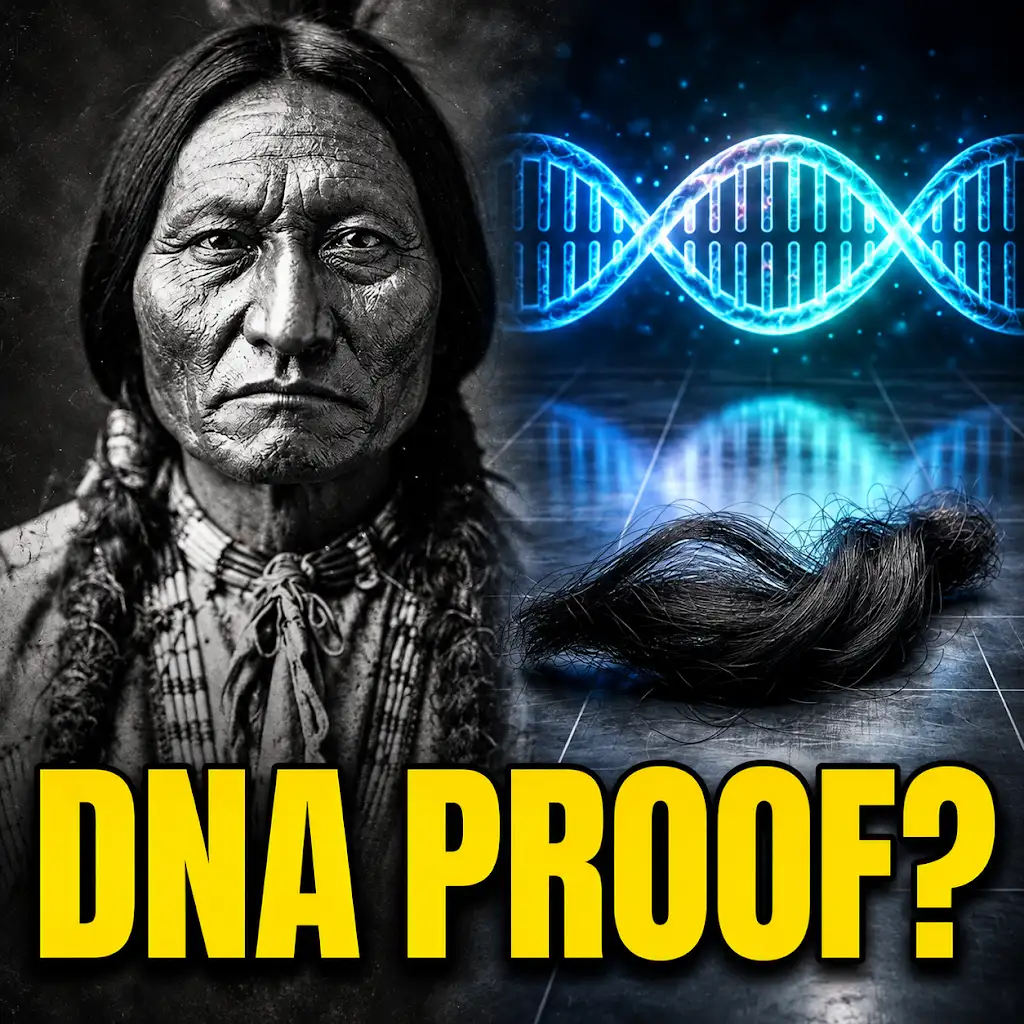
The Sitting Bull DNA Test: What Did It Actually Prove?
FAQs
What is the Bureau of Indian Affairs DNA policy?
The Bureau of Indian Affairs DNA policy is a set of guidelines and procedures that govern the collection, storage, and use of DNA samples from individuals who are seeking to establish their Native American ancestry for tribal enrollment purposes.
Why does the Bureau of Indian Affairs have a DNA policy?
The Bureau of Indian Affairs has a DNA policy to help verify the ancestry of individuals who are applying for tribal enrollment and to ensure that only those who meet the criteria for tribal membership are granted official recognition.
How does the Bureau of Indian Affairs DNA policy impact tribal enrollment?
The Bureau of Indian Affairs DNA policy plays a crucial role in the tribal enrollment process by providing a scientific method to verify the ancestry of individuals who may not have traditional documentation to prove their Native American heritage.
Are there any concerns or controversies surrounding the Bureau of Indian Affairs DNA policy?
Yes, there have been concerns raised by some Native American tribes and individuals about the potential misuse of DNA data, privacy issues, and the cultural implications of using genetic testing to determine tribal membership.
Can individuals refuse to provide a DNA sample under the Bureau of Indian Affairs DNA policy?
While individuals have the right to refuse to provide a DNA sample under the Bureau of Indian Affairs DNA policy, doing so may impact their ability to establish their Native American ancestry for tribal enrollment purposes.