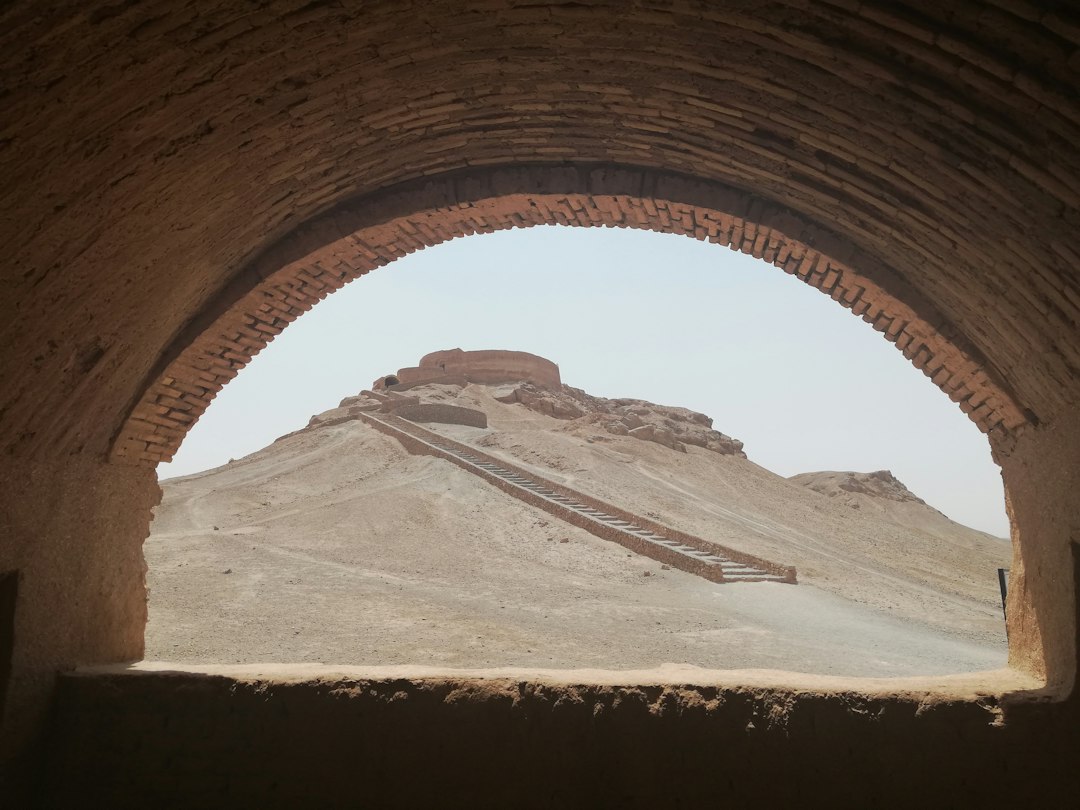
The arid expanses of Iran have long been a testament to human ingenuity, particularly in the realm of water management. For millennia, a sophisticated network of underground aqueducts, known as qanats, has sustained life and agriculture in this often unforgiving landscape. These remarkable feats of engineering, some dating back over two thousand years, represent a profound understanding of hydrology, geology, and community organization. The qanat system, a marvel of ancient technology, is not merely a collection of tunnels; it is a living legacy, a testament to a civilization’s ability to adapt and thrive in challenging environments.
The Genesis of Subterranean Sustenance
The origins of the qanat system are deeply intertwined with the very survival of human settlements in Iran’s vast, arid and semi-arid regions. The scarcity of surface water, coupled with intense solar radiation that leads to rapid evaporation, necessitated a radical approach to water acquisition. Rather than relying on unpredictable rivers or exposed reservoirs, ancient Iranians turned their gaze downwards, seeking the perennial underground water sources. This quest led to the development of a unique engineering solution that would shape the course of Iranian civilization and influence water management practices across much of the arid world.
The Geological Imperative
The geological makeup of the Iranian plateau provided the fundamental conditions for the qanat system’s success. Extensive mountain ranges, such as the Zagros and Alborz, are rich in aquifers – layers of rock or sediment that hold groundwater. These mountains often act as natural catchment areas, receiving precipitation that slowly percolates through the soil and rock, replenishing these subterranean reservoirs. The terrain, characterized by slopes descending from these mountainous regions towards flatter plains and valleys, was crucial. This natural gradient was the key to harnessing gravity as the sole driving force for water flow. Without the elevated sources of groundwater in the mountains and the downward slope to the populated areas, the qanat system would have been an impossibility. The selection of appropriate geological strata was paramount; impermeable layers needed to be present below the water-bearing ones to prevent the groundwater from simply draining away, while permeable layers above allowed for the initial infiltration of surface water.
Early Innovations and Spread
While pinpointing the exact moment of invention is difficult, evidence suggests that rudimentary forms of underground water channels existed in Persia as early as the first millennium BCE. The full development and widespread implementation of the qanat system, however, are often attributed to the Achaemenid Empire (550-330 BCE). The empire’s vast expansion and need to support burgeoning cities and agricultural production in arid territories likely spurred further refinement and construction. The concept of tapping into underground water sources and channeling it via gravity was a revolutionary leap, allowing for a more reliable and consistent water supply than was possible with surface water alone. From its presumed heartland in ancient Persia, the qanat technology gradually spread. It is believed that Persian engineers and merchants carried this knowledge eastward to Afghanistan and Pakistan, and westward to the Arabian Peninsula, Egypt, and even as far as North Africa and Spain. The UNESCO World Heritage inscription of eleven qanats across Iran in 2016 underscores their global significance and the enduring legacy of this ancient innovation.
The intricate underground water channels of Iran, known as qanats, have been a crucial part of the country’s agricultural and urban development for centuries. These ancient systems not only showcase the ingenuity of Persian engineering but also highlight the challenges of water management in arid regions. For a broader perspective on how water management impacts trade and economic relations, you might find the article on Sheinbaum’s impact on US-Mexico trade interesting. It discusses the significance of resource management in shaping economic partnerships. You can read it here: Sheinbaum’s Impact on US-Mexico Trade.
The Anatomy of a Qanat: A Masterpiece of Interconnectedness
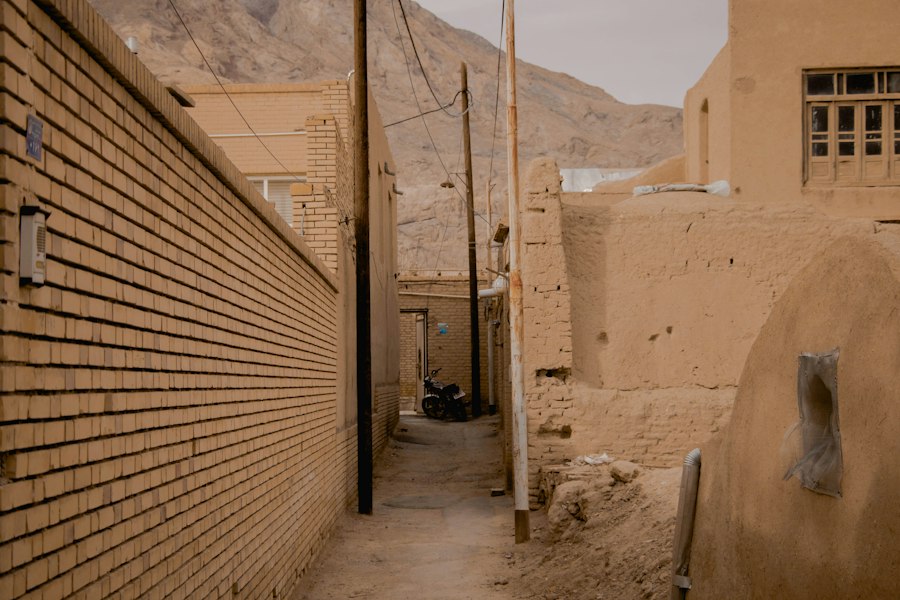
The qanat is not a single, monolithic structure but rather a complex and interconnected system designed to efficiently capture, transport, and distribute water. Each component plays a vital role, working in concert to deliver life-giving moisture from distant underground sources to the lands that depend on it. Understanding the individual elements reveals the sophisticated planning and meticulous execution that went into their construction and maintenance.
The Mother Well: The Source of Life
At the highest point of a qanat, often situated in mountainous foothills or along the base of slopes, lies the “mother well” (or “chah-e madar” in Persian). This is the primary vertical shaft that taps directly into the aquifer. It is the deepest and most crucial well of the entire system, designed to reach the water table. The construction of the mother well is a formidable undertaking, often requiring extensive excavation through layers of rock and soil. Its depth can vary significantly, from a few meters to hundreds of meters, depending on the geological conditions and the elevation of the aquifer. The success of the entire qanat hinges on the accurate identification of the water-bearing stratum and the careful excavation of the mother well to ensure a continuous and stable inflow of water. The construction process itself would have involved skilled laborers employing basic tools like picks, shovels, and possibly rudimentary hoisting mechanisms for removing excavated material and lowering workers.
The Access Wells: Ventilation and Maintenance
Extending from the mother well towards the point of use, a series of evenly spaced vertical shafts, known as access wells or simply “wells” (“chahs” in Persian), are dug. These wells serve multiple critical purposes. Firstly, they provide ventilation to the underground tunnel, allowing workers to safely excavate and maintain the qanat without succumbing to dangerous gases or suffocation. Secondly, they act as points of access for periodic cleaning and repair. Over time, sediments can accumulate within the qanat tunnel, reducing its flow rate and potentially blocking it entirely. The access wells enable workers to descend into the tunnel, remove debris, and carry out necessary structural repairs. The spacing of these wells is a crucial engineering decision, influenced by factors such as the depth of the qanat, the type of soil and rock encountered, and the ease with which excavated material can be brought to the surface. Typically, they are spaced such that a worker can shout to someone in the adjacent well, facilitating communication during excavation and maintenance.
The Tunnel: The Flowing Vein
The heart of the qanat system is the gently sloping underground tunnel that connects the mother well to the distribution point. This horizontal tunnel is precisely engineered to exploit gravity, allowing water to flow naturally from the higher elevation of the aquifer to the lower elevation of the settlement or agricultural fields. The gradient is meticulously calculated, typically ranging from 1:1000 to 1:500, to ensure a steady flow without excessive erosion of the tunnel walls. The size of the tunnel varies but is generally large enough for a person to crawl or walk through for maintenance purposes. The construction of this tunnel was the most labor-intensive and time-consuming aspect of the qanat’s creation. Teams of excavators, working from both ends and from the access wells, would painstakingly dig through the earth, using picks, shovels, and baskets to remove debris. The tunnel walls were often lined with stones or baked bricks, particularly in unstable soil, to prevent collapses. The precision required to maintain the correct gradient over long distances, sometimes several kilometers, is a testament to the sophisticated surveying and engineering skills of the ancient Persians.
The Distribution Outlet: Delivering the Bounty
At the end of the qanat tunnel, at the point where the water emerges onto the surface, is the distribution outlet, known as the “mizab” or “sorakh.” This is where the carefully channeled groundwater is made available for use. Historically, these outlets would feed into a series of open channels, reservoirs, or directly into agricultural fields. The flow rate of the qanat is generally constant, as it taps into the stable groundwater table, making it a reliable source of water. The distribution system downstream of the outlet would then divide the water amongst the community, often according to pre-established rights and regulations. The transparency and fairness of water distribution were crucial for maintaining social harmony in communities reliant on a shared qanat.
The Sociopolitical Fabric Woven by Qanats
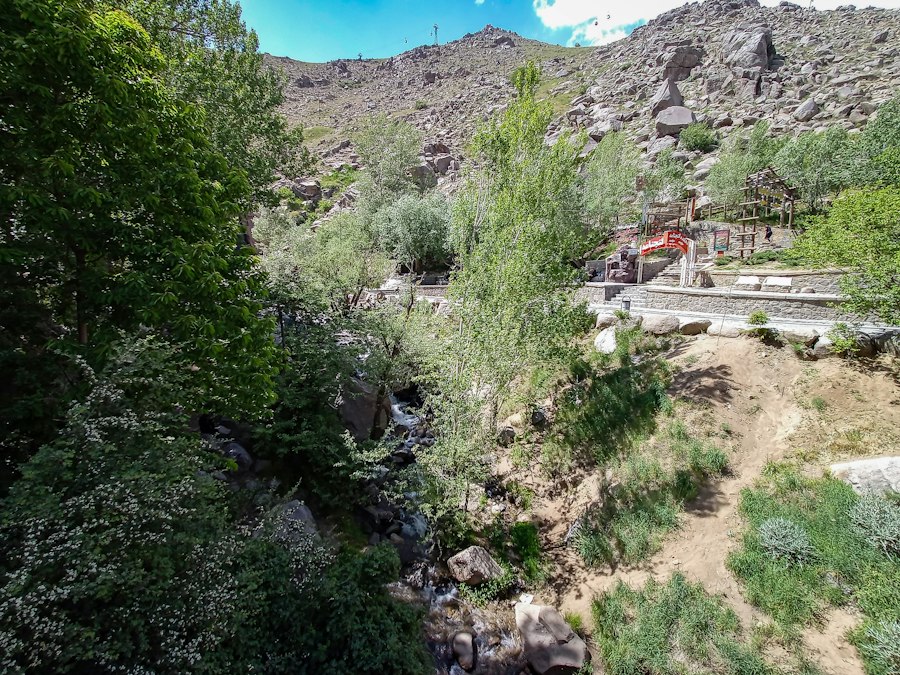
The qanat system was not merely an engineering marvel; it was intrinsically linked to the social and political structures of the communities it served. The immense communal effort required for their construction and, crucially, their ongoing maintenance, fostered a strong sense of shared responsibility and cooperation. The management of qanat water often dictated the rhythm of life, influencing settlement patterns, agricultural practices, and even the distribution of power.
Communal Labor and Ownership
The construction of a qanat was a monumental undertaking, demanding significant labor and resources. Typically, the financing and labor for a qanat were provided by a group of landowners or villagers who would collectively share the rights to the water. This communal ownership model was essential for the qanat’s success. If a single individual or entity were to own a qanat, it would be challenging for them to mobilize the necessary workforce for its upkeep. Instead, a cooperative system, often formalized through unwritten agreements or legal charters, ensured that everyone contributed to the building and maintenance of the system that benefited them all. The concept of “water rights” was deeply ingrained, and these rights were often directly proportional to the individual’s contribution to the qanat’s construction or maintenance. This fostered a sense of collective responsibility and ensured the long-term viability of the water supply.
Water Management and Social Harmony
The shared reliance on qanat water meant that its equitable distribution was paramount for maintaining social harmony. Disputes over water were inevitable, but established customs and sometimes formal arbitration systems existed to resolve them. The flow of water from a qanat was often timed and regulated, with different users having rights to specific periods of flow. This careful management ensured that no single party monopolized the precious resource and that all members of the community had access to the water they needed for their crops and domestic use. The village elder or a designated water manager (“mirab”) often played a crucial role in overseeing the distribution, ensuring fairness, and mediating any conflicts that arose. The qanat thus became a powerful force for social cohesion, uniting people under a common need and a shared responsibility.
The Influence on Settlement Patterns and Agriculture
The availability of qanat water profoundly shaped where people lived and how they farmed. Settlements naturally gravitated towards areas where qanats could be constructed and maintained, leading to the establishment of villages and towns in otherwise inhospitable terrains. The reliability of qanat water also enabled the development of sophisticated irrigation systems, allowing for the cultivation of a wider variety of crops, including grains, fruits, and vegetables, in regions where rain-fed agriculture would be impossible. This transformed arid landscapes into fertile oases, supporting larger populations and fostering economic prosperity. The agricultural calendar itself was often dictated by the availability and flow of qanat water, with planting and harvesting cycles meticulously planned to coincide with the water supply.
The Qanat’s Legacy: Resilience and Modern Relevance
Despite the advent of modern irrigation technologies, the qanat system continues to play a vital role in many parts of Iran. Its resilience, sustainability, and the cultural heritage it represents are increasingly recognized and valued in the face of contemporary environmental challenges. The lessons learned from millennia of qanat management offer valuable insights for modern water resource strategies.
Enduring Utility in the Modern Era
While modern pumping technology has supplemented and, in some areas, replaced qanats, these ancient systems remain operational and indispensable in many rural communities. Their gravity-driven nature means they require no external energy input, making them remarkably sustainable and cost-effective, especially in remote areas where electricity is unavailable or unreliable. The slow, steady release of water from qanats is also often considered to be more efficient, with less water lost to evaporation compared to open canals or reservoirs. Furthermore, the gentle nature of qanat water, having filtered through the earth, is often of higher quality than surface water sources. The qanats’ ability to tap into deep groundwater aquifers makes them particularly resilient to short-term droughts that can decimate surface water supplies.
The Cultural Heritage of the Qanat
Beyond their practical utility, qanats are a significant part of Iran’s rich cultural heritage. They represent a deep understanding of the natural environment, a testament to the ingenuity and perseverance of past generations. The intricate knowledge of geology, hydrology, and engineering passed down through centuries of qanat construction and maintenance forms a unique body of traditional ecological knowledge. The UNESCO World Heritage inscription of several Iranian qanats serves as a powerful reminder of their global importance and the need for their preservation. These ancient water systems are not just historical artifacts; they are living landscapes that continue to shape the identity and traditions of the communities that depend on them. Efforts are underway to document, protect, and revitalize these invaluable resources, ensuring that their legacy endures for future generations.
Lessons for Sustainable Water Management
In an era grappling with water scarcity and climate change, the qanat system offers profound lessons for sustainable water management. Its reliance on natural forces, its communal ownership model, and its emphasis on careful distribution highlight principles that are highly relevant today. The qanat demonstrates the power of working with nature rather than against it, of harnessing natural gradients and groundwater reserves efficiently. The social structures that supported qanat maintenance underscore the importance of community engagement and equitable resource allocation. As the world seeks more sustainable solutions to water challenges, the ancient wisdom embedded in the qanat system provides a valuable blueprint for resilience, resourcefulness, and harmonious coexistence with the environment.
In exploring the intricate network of underground water channels in Iran, it is fascinating to consider how these ancient systems have shaped the region’s agriculture and settlement patterns. The significance of such water management techniques is highlighted in a related article that discusses the evolution of world maps and the changes they reflect across the globe. For more insights on this topic, you can read the article here. Understanding these historical practices provides valuable context for contemporary water issues faced by many countries today.
The Future of the Qanat: Preservation and Adaptation
| Metric | Value | Unit | Description |
|---|---|---|---|
| Number of Qanats (Underground Water Channels) | 30,000+ | Count | Estimated total qanats across Iran |
| Average Length of Qanats | 5,000 | meters | Typical length of a qanat tunnel |
| Maximum Length of Qanat | 70,000 | meters | Longest qanat in Iran (e.g., Qanat of Zarch) |
| Annual Water Discharge | 5-10 | million cubic meters | Average annual water flow per qanat |
| Depth Range | 20-100 | meters | Typical depth of qanat mother wells |
| Primary Usage | Agriculture and Drinking Water | – | Main purposes of qanat water |
| Regions with Highest Density | Central and Eastern Iran | – | Areas with most qanats |
| UNESCO World Heritage Status | Yes | – | Qanats of Iran inscribed in 2016 |
The challenges facing the qanat system in the 21st century are significant, ranging from environmental degradation to the erosion of traditional knowledge. However, there are also growing efforts to preserve these invaluable resources and adapt them for continued relevance. The future of the qanat lies in a delicate balance between safeguarding its heritage and ensuring its functionality in a changing world.
Threats to the Qanat Ecosystem
Several factors threaten the continued existence and functionality of qanats. The primary threat is often the over-extraction of groundwater through modern pumping technologies. This can lower the water table to the point where the qanat can no longer deliver water by gravity, rendering it defunct. Urbanization and infrastructure development can also disrupt qanat pathways, leading to their abandonment or damage. Furthermore, the traditional knowledge required for qanat construction and maintenance is gradually diminishing as younger generations migrate to urban areas and traditional crafts are less valued. Climate change, with its unpredictable rainfall patterns and increased risk of drought, also poses a significant challenge to the long-term water availability from these systems. Without proper management and conservation, many qanats risk falling into disrepair and becoming relics of the past.
Modern Interventions and Revitalization Efforts
Recognizing the immense value of the qanat system, various initiatives are underway to preserve and revitalize them. Governmental organizations, NGOs, and local communities are collaborating to map existing qanats, assess their condition, and implement restoration projects. These efforts often involve clearing accumulated sediment, repairing collapsed sections, and reinforcing vulnerable tunnels. In some cases, modern technologies are being integrated to enhance efficiency and monitoring without compromising the core principles of the qanat. This might include using remote sensing to identify optimal locations for new qanats or employing small-scale, low-impact pumps to assist with water delivery in challenging terrain. Crucially, these revitalization efforts often focus on empowering local communities, reviving traditional knowledge through educational programs, and ensuring that the benefits of the qanat system are shared equitably.
The Qanat as a Model for Future Water Solutions
The qanat’s enduring legacy lies not just in its historical significance but also in its potential as a model for future water management strategies. Its reliance on gravity, its minimal environmental footprint, and its inherent sustainability offer valuable lessons for societies grappling with water scarcity. The principles of community-based management and equitable distribution, honed over centuries of qanat operation, are crucial for ensuring social justice in water resource allocation. As the world seeks innovative and sustainable solutions to the global water crisis, the qanat system stands as a powerful example of human ingenuity and a testament to the enduring wisdom of ancient civilizations. Its continued existence, and the ongoing efforts to preserve and adapt it, offer a beacon of hope for a more water-secure future.
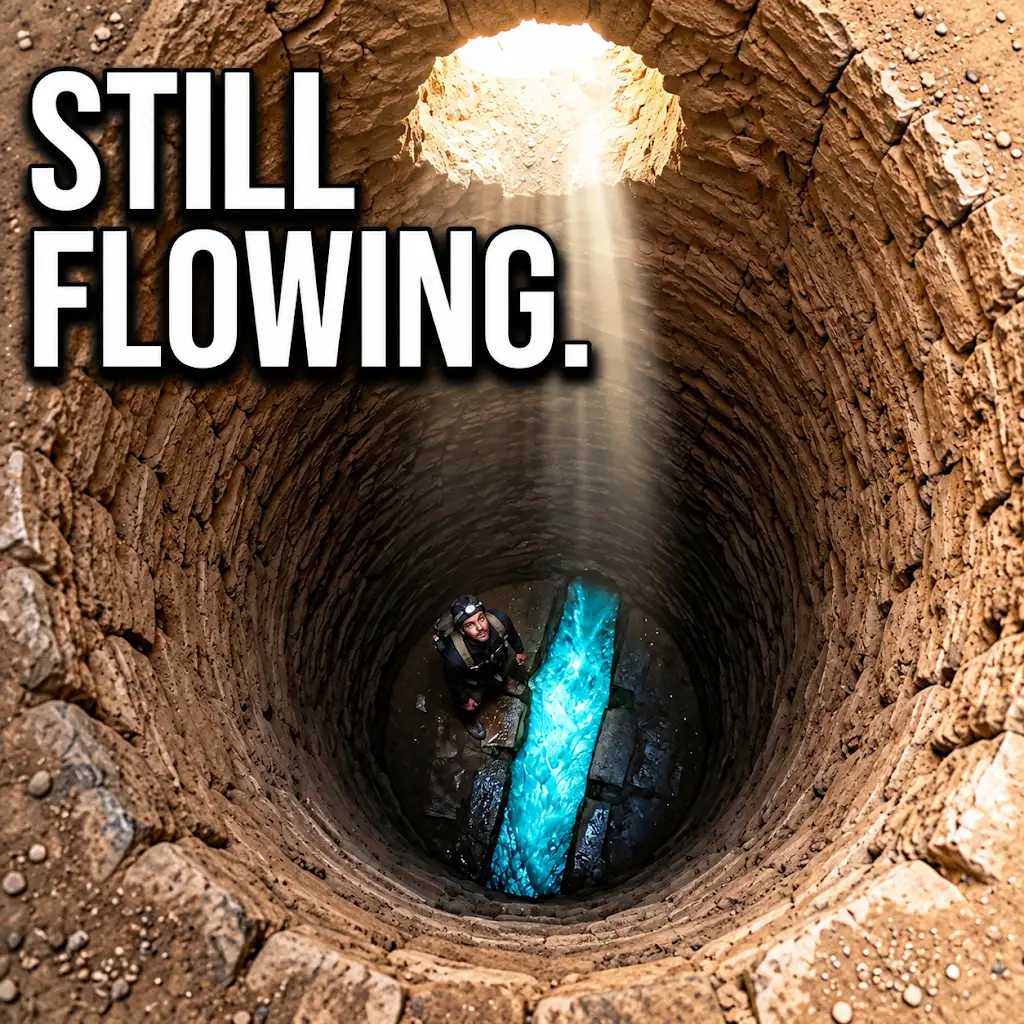
They Dug Water Tunnels Under the Desert… And They Still Flow
FAQs
What is an underground water channel in Iran?
An underground water channel in Iran, also known as a qanat, is an ancient system of water supply that taps into underground water sources and transports water over long distances to surface locations.
How were underground water channels constructed in Iran?
Underground water channels in Iran were traditionally constructed by digging a series of vertical shafts into the ground to reach the water table, then connecting these shafts with a gently sloping tunnel to allow water to flow by gravity to the surface.
What was the purpose of underground water channels in Iran?
Underground water channels in Iran were built to provide a reliable and sustainable water supply for agriculture, urban areas, and domestic use in regions where surface water sources were scarce or unreliable.
How did underground water channels impact Iranian society and culture?
Underground water channels played a crucial role in the development of ancient Iranian civilizations by enabling the establishment of permanent settlements, supporting agriculture, and fostering the growth of cities and trade networks.
Are underground water channels still in use in Iran today?
Yes, many underground water channels in Iran are still in use today, providing water for irrigation, drinking, and other purposes in both rural and urban areas. Efforts are being made to preserve and maintain these historic water systems for future generations.