Unraveling Ancestry: The Revolutionary Role of DNA in Understanding Native American Past
For centuries, the history of Native American peoples has been pieced together through fragmented archaeological evidence, oral traditions, and written accounts, often filtered through the perspectives of colonizers. The origins of these ancient individuals, their migrations, and their connections to present-day communities have remained subjects of intense study and debate. However, a powerful new tool has emerged to illuminate these mysteries: DNA testing. By analyzing the genetic material preserved in ancient human remains, scientists are now able to provide unprecedented insights into the lives, movements, and relationships of Native American ancestors. This scientific revolution is not merely an academic pursuit; it is also a vital process that empowers descendant communities, helping them reclaim their heritage and solidify their ancestral ties.
The process of extracting and analyzing ancient DNA (aDNA) is fraught with challenges. Remains must be carefully excavated and preserved to prevent contamination from modern DNA. The DNA itself is often degraded, fragmented, and present in very small quantities. Yet, advancements in laboratory techniques, such as polymerase chain reaction (PCR) and next-generation sequencing, have made it possible to recover and analyze this ancient genetic information with remarkable accuracy. From bone and tooth samples, researchers can extract mitochondrial DNA (mtDNA), which is inherited maternally and provides a lineage tracing back through the female line, and Y-chromosome DNA, inherited paternally, which traces paternal lineages. More recently, whole-genome sequencing has become increasingly feasible, offering a far richer and more comprehensive picture of an individual’s genetic makeup, including autosomal DNA, which is inherited from both parents. This comprehensive data allows for comparisons with the genomes of modern populations, shedding light on migration patterns, population structure, and the degree of genetic relatedness between ancient and living groups.
The Science of Ancient DNA Analysis
Isolating Genetic Clues from the Past
The journey of ancient DNA analysis begins long before the laboratory. The successful retrieval of usable genetic material depends heavily on the context of discovery and the preservation of the remains. Sites of archaeological significance, often located in diverse environmental conditions, present unique challenges. For instance, remains found in arid desert environments or frozen permafrost tend to preserve DNA better than those found in humid, tropical regions where decomposition is accelerated.
Archaeologists and bioarchaeologists play a critical role in the initial stages. Their meticulous excavation techniques are designed to minimize contamination. This involves using sterile tools, wearing protective clothing, and carefully handling samples to avoid introducing modern DNA from researchers, excavators, or even the environment. Once collected, samples, typically small bone fragments or teeth, are sent to specialized aDNA laboratories.
Extracting and Sequencing Ancient Genomes
In the laboratory, the process of DNA extraction is a delicate operation. The bone or tooth sample is first cleaned and decontaminated. Then, it is ground into a fine powder, and specialized chemical reagents are used to break open the cells and release the DNA. The ancient DNA, often present in minute quantities and highly fragmented, is then purified. The next crucial step is amplification, where specific regions of the DNA are copied millions of times using PCR. This allows for the analysis of even tiny amounts of genetic material.
With the advent of next-generation sequencing (NGS) technologies, the entire process has been revolutionized. NGS allows for the simultaneous sequencing of millions of DNA fragments. This means researchers can reconstruct entire ancient genomes, or significant portions thereof, far more efficiently and comprehensively than ever before. The resulting sequence data is then aligned with reference genomes, allowing scientists to identify genetic variations and compare them to other ancient and modern DNA samples. This comparative analysis is the cornerstone of understanding population relationships and movements.
Interpreting Genetic Signatures of Ancestry
The genetic data, once sequenced, must be meticulously interpreted. Bioinformaticians and population geneticists employ sophisticated computational tools to analyze the vast amounts of data. They look for specific patterns, such as haplogroups, which are groups of similar DNA sequences passed down through generations. In Native American populations, specific mtDNA haplogroups, like Haplogroup A, B, C, and D, are particularly important as they are found almost exclusively in Indigenous peoples of the Americas.
The analysis also involves calculating genetic distances between different populations, which can reveal how closely related they are. By comparing the genetic profiles of ancient individuals to those of modern populations, researchers can infer migration routes, estimate divergence times, and identify ancestral lineages. This allows for the construction of genetic trees that illustrate the evolutionary history of different groups. The process is iterative, with new data continually refining our understanding and challenging previous assumptions.
The ongoing discussions surrounding DNA testing of historical Native American remains have sparked significant interest in the intersection of archaeology and genetics. A related article that delves into ancient mysteries and the precision of historical constructions can be found at Puma Punku: The Mystery of Precise Cuts. This piece explores the enigmatic site of Puma Punku, highlighting the advanced techniques used by ancient civilizations, which parallels the scientific advancements in DNA testing that are reshaping our understanding of Native American ancestry and heritage.
Unveiling Population Movements and Migrations
One of the most profound contributions of DNA testing to understanding Native American history lies in its ability to illuminate ancient migration patterns. For decades, scientific models have proposed various theories about how early humans first populated the Americas, with the Bering Land Bridge being a central point of discussion. Ancient DNA analysis is now providing direct genetic evidence to support, refine, or even challenge these long-held hypotheses.
The Beringian Standstill and the Peopling of the Americas
Genetic studies of ancient Native American remains have provided compelling evidence for the “Beringian standstill” hypothesis. This theory suggests that the ancestors of Native Americans spent a significant period of time isolated in Beringia, a landmass that once connected Siberia and Alaska, before migrating further into the Americas. By analyzing the genetic divergence of ancient individuals from Siberian populations, researchers have found that the ancestors of Native Americans separated from their Siberian counterparts thousands of years before they are believed to have entered the Americas.
The genetic signatures found in ancient remains from Alaska and Siberia are crucial for this understanding. These studies reveal specific genetic markers that point to a distinct ancestral population that inhabited Beringia for an extended period. The genetic isolation in this region would have allowed for the accumulation of unique genetic variations, which are then observed in the subsequent populations that moved southward. The timing of this divergence and the subsequent gene flow into the Americas are now being more precisely estimated through radiocarbon dating of ancient remains and advanced genetic modeling.
Tracking Journeys Across the Continents
Beyond the initial peopling event, ancient DNA is also shedding light on subsequent migrations and population movements within North and South America. By analyzing the genetic profiles of ancient individuals from different geographical regions and time periods, researchers can trace the spread of specific lineages and identify periods of population expansion, contraction, or admixture. For instance, studies of ancient remains found in different parts of North America have revealed genetic connections between seemingly disparate groups, suggesting ancient trade routes or large-scale population movements that were previously unknown or poorly understood.
Similarly, in South America, ancient DNA has helped to unravel the complex genetic landscape shaped by millennia of human movement and interaction. Genetic studies have shown how different ancestral components were assimilated into various South American populations over time, contributing to the diverse cultural and linguistic tapestry of the continent. The ability to link genetic profiles to archaeological cultures provides a powerful means of understanding the material culture and biological ancestry of ancient peoples.
Connecting Ancient Lives to Present-Day Communities
Perhaps the most significant and ethically important application of ancient DNA testing is its role in connecting ancient Native American remains to their living descendants. For generations, human remains have been unearthed and studied by researchers, sometimes without the full consent or involvement of descendant communities. Ancient DNA analysis offers a way to bridge this historical disconnect, providing concrete genetic evidence of ancestral ties and empowering tribes to reclaim their heritage.
Establishing Kinship and Ancestral Ties
Genetic analysis can provide definitive proof of kinship between ancient individuals and modern tribal members. By comparing the DNA of ancient remains with the DNA of living individuals, researchers can calculate the probability of a genetic relationship. This scientific evidence can be invaluable in resolving historical injustices and establishing the rightful custodianship of ancestral remains. Tribes can use this genetic data to affirm their ancestral connections to specific ancestral sites and individuals, strengthening their cultural identity and sovereignty.
The process of reburial and repatriation is often guided by this genetic evidence. When a clear genetic link is established, it allows for the respectful reburial of ancestral remains within their ancestral lands, often accompanied by traditional ceremonies led by the descendant community. This act of repatriation is not just about returning bones; it is about restoring a connection to the past and acknowledging the enduring presence of Indigenous peoples.
Addressing Historical Injustices and Repatriation Efforts
The Native American Graves Protection and Repatriation Act (NAGPRA) in the United States mandates the repatriation of ancestral remains and cultural items to federally recognized Native American tribes. Ancient DNA testing has become an increasingly important tool in implementing NAGPRA. It provides objective scientific evidence that can be used to establish cultural affiliation, which is a key criterion for repatriation under the law.
In cases where historical records are scarce or contested, genetic analysis can offer crucial support for tribal claims. It helps to counter the legacy of colonial practices where remains were often collected and studied without regard for Indigenous rights. By providing a scientific basis for ancestral connections, DNA testing empowers tribes to reclaim their ancestors and their cultural heritage, fostering a sense of healing and self-determination. This collaboration between scientists and Indigenous communities is vital for ensuring that the science serves the needs and priorities of the communities themselves.
Case Studies: Illuminating Specific Ancestral Lineages
The application of ancient DNA technology to Native American remains has yielded remarkable insights into specific ancestral groups and their histories. These case studies offer tangible examples of how this science is transforming our understanding of the past and its connection to the present.
The Anzick-Child and the Clovis Connection
One of the most significant ancient DNA discoveries came from the Anzick-Child, a young boy buried approximately 12,600 years ago in Montana, associated with Clovis lithic technology. This discovery provided a crucial genetic link between the ancient Paleo-Americans and subsequent Native American populations. Analysis of the Anzick-Child’s genome revealed that he was closely related to all contemporary Native American populations.
This finding strongly supports the theory that the Clovis culture, characterized by its distinctive stone tools, represented a significant ancestral group that contributed genetically to the peopling of the Americas. The genome revealed no close genetic affinity to East Asian populations outside of the already established link to the ancestral Siberian population. This reinforces the idea that the ancestors of Native Americans had already diverged and undergone significant genetic differentiation within Beringia before the migration southward, and that Clovis people represented an early, widespread lineage within the Americas. The Anzick-Child’s DNA thus provided a vital piece of the puzzle in understanding the initial diversification of Native American populations.
Insights into Ancestral Puebloan and Mississippian Societies
Ancient DNA has also been instrumental in understanding the genetic landscape of more recent, complex societies like the Ancestral Puebloans of the American Southwest and the Mississippian cultures of the Eastern Woodlands. Studies of skeletal remains from these periods have revealed fascinating patterns of migration, admixture, and population continuity.
For example, genetic analyses of Ancestral Puebloan individuals have helped to trace their lineage from earlier Archaic populations and identify connections to present-day Pueblo communities. These studies have sometimes revealed surprising genetic diversity within what were once considered homogenous cultural groups, suggesting complex social structures and interactions. Similarly, research on Mississippian individuals has provided evidence of widespread genetic connections across the vast Mississippian world, from Cahokia to the Southeast, indicating significant population movements and exchanges. These studies have also helped to differentiate between the origins of various components within Mississippian populations, highlighting the dynamic nature of these societies and the complex interplay of gene flow and cultural exchange.
Recent discussions surrounding DNA testing of historical Native American remains have sparked significant interest in the intersection of science and cultural heritage. An insightful article that delves into the implications of such testing can be found here, where it explores the legal and ethical considerations involved in preserving Native American identity. This topic is particularly relevant as communities seek to reclaim their ancestral connections while navigating modern legal frameworks. For more information on related legislative issues, you can read about emergency asset seizure legislation that aims to protect against financial crimes by following this link.
Ethical Considerations and Future Directions
| Study/Project | Year | Number of Remains Tested | Region | Key Findings | DNA Type Analyzed | Significance |
|---|---|---|---|---|---|---|
| Kennewick Man DNA Analysis | 2015 | 1 (Kennewick Man) | Pacific Northwest, USA | Confirmed close genetic relationship to modern Native American tribes | Whole genome sequencing | Resolved controversy over ancestry and repatriation rights |
| Ancient DNA from Anzick Child | 2014 | 1 (Anzick-1) | Montana, USA | Showed genetic continuity with modern Native Americans | Whole genome sequencing | Provided evidence for early migration patterns into Americas |
| DNA Analysis of Spirit Cave Mummy | 2018 | 1 (Spirit Cave Mummy) | Nevada, USA | Linked remains to modern Native American populations | Mitochondrial DNA and nuclear DNA | Supported repatriation under NAGPRA |
| DNA from Ancient Southwestern Remains | 2020 | 15 | Southwestern USA | Identified genetic diversity and migration within Native groups | Mitochondrial DNA and Y-chromosome markers | Enhanced understanding of regional population dynamics |
| Genetic Study of Paleo-Indian Remains | 2017 | 10 | Various sites across North America | Confirmed multiple founding lineages of Native Americans | Whole genome and mitochondrial DNA | Clarified early peopling of the Americas |
The power of ancient DNA technology brings with it significant ethical responsibilities. As the field advances, ongoing dialogue and collaboration between scientists, Indigenous communities, and policymakers are crucial to ensure that this research is conducted in a respectful, inclusive, and beneficial manner.
Responsible Research Practices and Indigenous Collaboration
The ethical landscape of ancient DNA research has evolved significantly. Early research practices, often conducted without adequate consultation or consent from Indigenous communities, have led to a greater emphasis on ethical guidelines. Today, collaborative approaches are paramount. This involves engaging with descendant communities from the outset of research projects, respecting their wishes regarding the study and repatriation of ancestral remains, and ensuring that the benefits of the research are shared.
Indigenous knowledge and perspectives are increasingly recognized as vital to the interpretation of genetic data. Many tribes have their own traditions and understandings of their origins and ancestral connections, which can complement and enrich scientific findings. Building trust and fostering genuine partnerships are essential for the ethical advancement of ancient DNA research, ensuring that it serves to empower and benefit Indigenous peoples, rather than further dispossess them.
The Evolving Landscape of Genetic Ancestry
The field of genetic ancestry is constantly evolving, with new technologies and analytical methods emerging at a rapid pace. Future directions in ancient DNA research hold immense potential for even deeper insights into Native American history. Whole-genome sequencing will become even more accessible, allowing for more detailed analyses of population structure, admixture events, and even the identification of genes related to adaptation and health.
Furthermore, the development of ancient proteomics and metabolomics could provide additional layers of information about the diet, lifestyle, and health of ancient individuals, complementing the genetic data. The continued integration of genetic evidence with archaeological, linguistic, and historical data will undoubtedly lead to a more comprehensive and nuanced understanding of the complex and rich history of Native American peoples. The ongoing ethical commitment to collaboration and respect will be the guiding principle for unlocking these future discoveries responsibly.
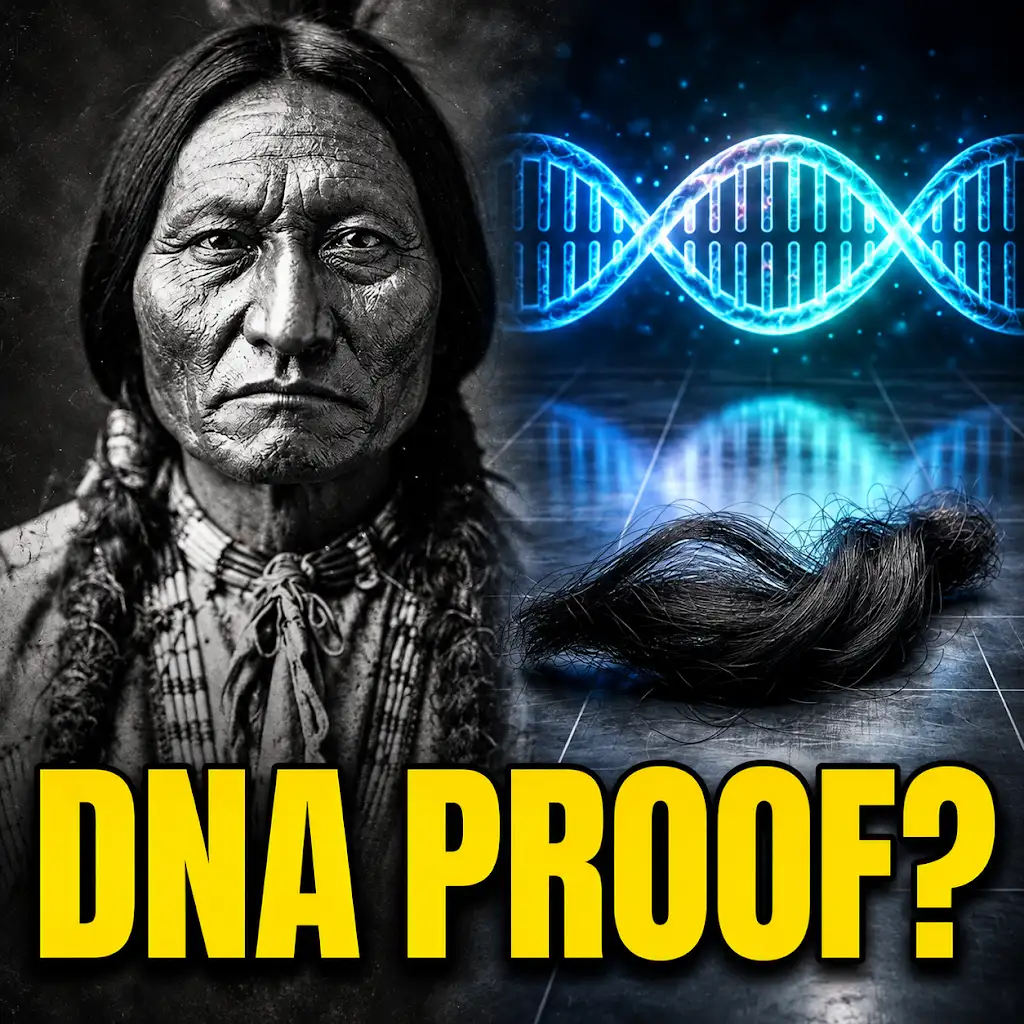
The Sitting Bull DNA Test: What Did It Actually Prove?
FAQs
1. Can DNA testing accurately determine the ancestry of historical Native American remains?
Yes, DNA testing can provide valuable information about the ancestry of historical Native American remains by comparing the DNA of the remains to modern Native American populations.
2. What are some challenges associated with DNA testing historical Native American remains?
Challenges include the degradation of DNA over time, contamination from handling, and the need for permission and collaboration with Native American tribes for testing and analysis.
3. How do scientists ensure the ethical and respectful handling of Native American remains during DNA testing?
Scientists work closely with Native American tribes to obtain consent for testing, follow established protocols for respectful handling of remains, and prioritize cultural sensitivity throughout the process.
4. What are some potential benefits of DNA testing historical Native American remains?
Benefits include gaining insights into migration patterns, genetic relationships, and population history of Native American communities, as well as contributing to the repatriation and preservation of ancestral remains.
5. Are there any limitations to using DNA testing for studying historical Native American remains?
Limitations include the complexity of genetic analysis, the need for additional archaeological and historical context, and the importance of interpreting results in conjunction with cultural knowledge and oral histories.