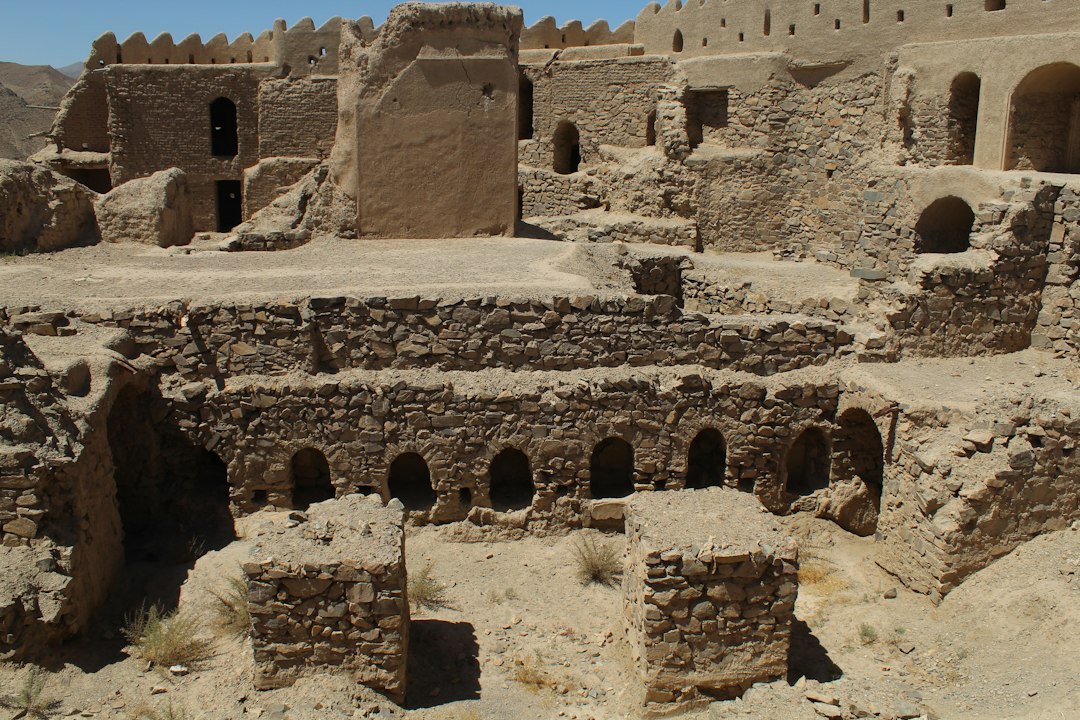
The relentless sun beat down on the arid plains of Persia, a land sculpted by wind and time. Yet, here, life thrived. It was not a miracle of divine intervention, but a testament to human ingenuity, a silent symphony orchestrated by a network of subterranean channels known as qanats. This ancient marvel, a lifeline connecting distant mountains to parched settlements, forms the captivating subject of a new documentary, “Qanat History: Exploring Ancient Persian Water Systems.” The film embarks on a visual and historical journey, delving into the origins, evolution, and enduring legacy of these extraordinary aqueducts, revealing them not merely as feats of engineering, but as conduits of civilization, culture, and resilience.
The Genesis of an Ingenious System
The documentary traces the genesis of the qanat system to the ancient lands of Persia, a region blessed with high mountain ranges that capture precious rainfall, and vast, arid plains that cry out for irrigation. The fundamental principle of the qanat is elegantly simple yet profoundly effective: harnessing gravity to transport water from underground aquifers, often located at considerable altitudes, to lower-lying agricultural lands and urban centers. Unlike surface canals that lose significant amounts of water through evaporation, qanats, by their subterranean nature, minimize this loss, ensuring a more consistent and reliable water supply.
Unearthing the Earliest Evidence
“Qanat History” meticulously explores the archaeological evidence pointing to the qanat’s ancient origins. While definitive proof remains elusive, the film presents compelling theories and findings. It highlights the possibility of proto-qanats existing even earlier, perhaps as simple wells connected by rudimentary tunnels, evolving over time into the sophisticated systems witnessed in later periods. The documentary emphasizes the pivotal role of the Achaemenid Empire (c. 550–330 BCE) in the widespread adoption and expansion of qanat technology. It illustrates how the empire’s vast territorial reach and administrative prowess facilitated the construction and maintenance of these vital water arteries across a diverse range of landscapes. The film’s narrative draws upon insights from archaeologists and historians who have dedicated their careers to understanding these ancient waterworks, piecing together fragmented evidence from ancient texts and the qanats themselves.
The Science of Subterranean Flow
The documentary dedicates a significant portion to explaining the underlying scientific principles that govern qanat functionality. It moves beyond mere description to delve into the “how” and “why” of their success. Experts featured in the film illustrate the delicate balance of gradients, the importance of geological surveys to identify suitable aquifer locations, and the skilled excavation techniques required to construct these underground tunnels. The concept of “vertical shafts,” or “wells,” is explored in detail, explaining their dual purpose: to provide access for construction and maintenance, and crucially, to ventilate the tunnels and allow for the removal of excavated earth. The film uses animated graphics to visually represent the flow of water, the hydrostatic pressure at play, and the intricate relationship between the water table and the qanat’s gradient. This section serves as a powerful reminder that the qanat is not just a historical artifact but a sophisticated hydrological engineering solution.
The fascinating history of qanats, ancient underground water channels that have been crucial for irrigation in arid regions, is intricately linked to the broader themes of sustainability and climate adaptation. For a deeper understanding of how ancient civilizations responded to climate challenges, you can explore the article “Lessons from the Ancient Climate Crisis: A Historical Perspective,” which provides valuable insights into historical responses to environmental changes. To read more, visit this article.
The Art and Labor of Construction
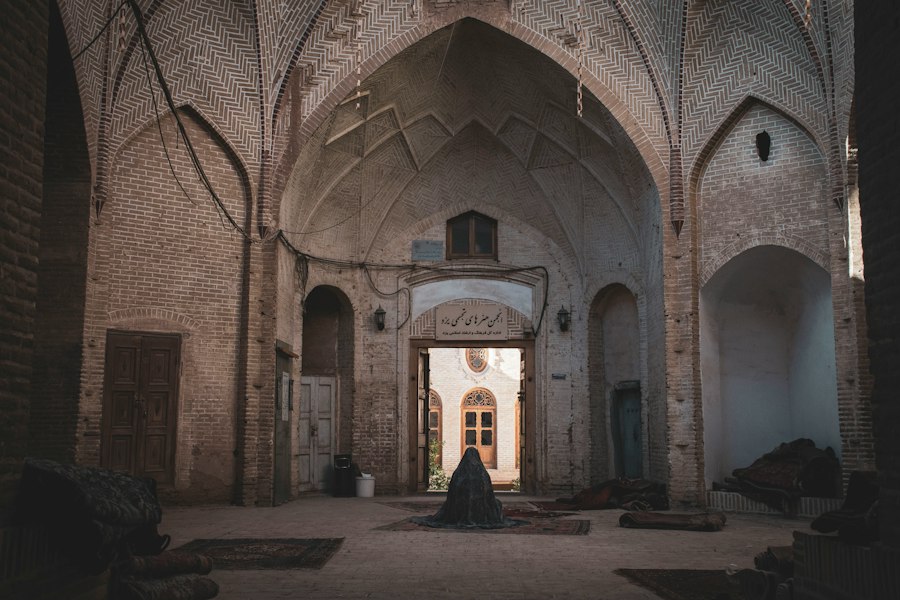
The construction of a qanat was no small undertaking. It demanded immense planning, considerable resources, and the tireless effort of skilled laborers. The documentary paints a vivid picture of the human capital and collective effort involved, transforming theoretical knowledge into tangible infrastructure.
Surveying the Terrain and Locating Water
Before a single shovel broke ground, painstaking surveys were conducted. The film highlights the traditional methods employed by qanat engineers, often relying on keen observation of vegetation patterns, ground moisture, and the presence of specific rock formations. They would identify potential water sources in mountainous regions where rainfall and snowmelt replenished underground aquifers. The documentary illustrates how these surveys were often conducted with an intimate understanding of the local topography and geology, a knowledge passed down through generations. The process of locating the precise starting point of the qanat, known as the “mother well” or “source well,” was critical, requiring an assessment of the water table’s depth and the desired flow rate.
Excavation Techniques and Challenges
The core of qanat construction involved digging miles of subterranean tunnels, a process fraught with peril and demanding remarkable skill. The documentary showcases the labor-intensive methods used, from manual excavation with simple tools like pickaxes and shovels to the use of rudimentary explosives in later periods. The challenges were immense: navigating unstable soil, dealing with groundwater ingress, and ensuring structural integrity of the tunnels. The film features footage of contemporary qanat excavators demonstrating traditional techniques, offering a visceral understanding of the physical demands and the expertise required to maintain tunnel stability. The careful placement of supporting structures, such as brick or stone lining, is also highlighted, emphasizing the foresight needed to prevent collapses and ensure the longevity of the qanat.
The history of qanats, an ancient irrigation system that has been vital for agriculture in arid regions, is explored in depth in a fascinating documentary. This innovative method of water management has allowed civilizations to thrive in challenging environments for centuries. For those interested in the broader implications of resource management and technology, a related article discusses how ISRU (In-Situ Resource Utilization) technology can maximize resources in space exploration. You can read more about it in this insightful piece on maximizing resources with ISRU technology.
The Role of the Muqanni and Skilled Labor
Central to the success of qanat construction was the “Muqanni,” the master qanat builder. These individuals were highly respected engineers and architects, possessing a unique blend of scientific knowledge, practical experience, and leadership qualities. The documentary profiles the historical and societal role of the Muqanni, explaining their responsibilities from initial design and surveying to the supervision of the entire construction process. It also emphasizes the collective effort of the entire community, where skilled laborers, often organized into guilds, played a crucial role. The film underscores that qanat construction was a community project, fostering social cohesion and a shared sense of purpose.
Lifeblood of Civilizations: Societal Impact and Cultural Significance
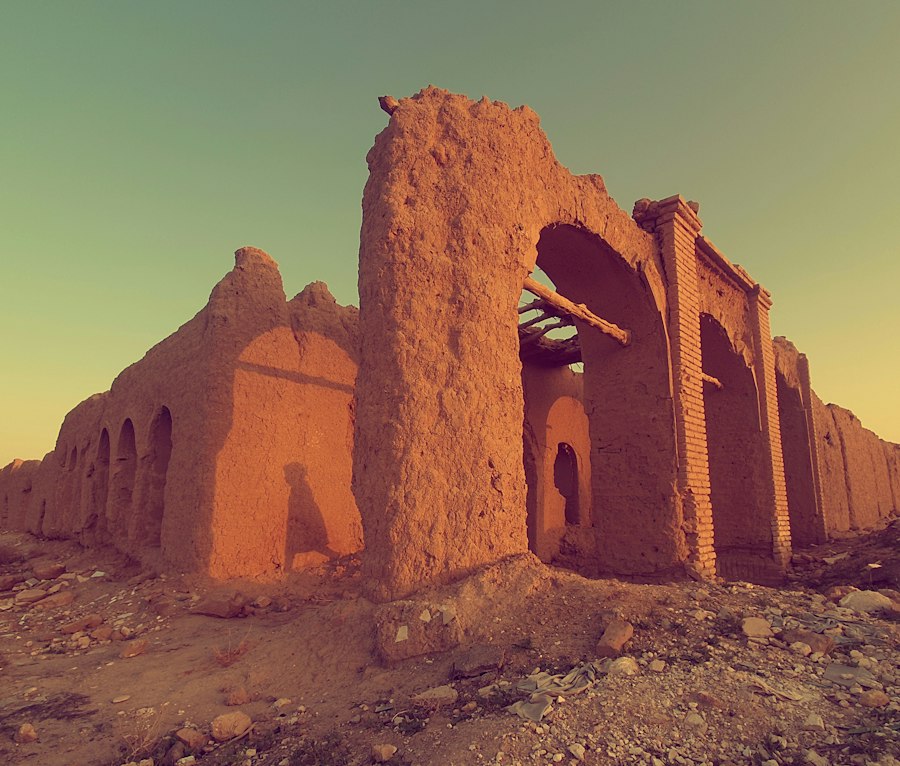
The qanat was far more than just an engineering marvel; it was a fundamental element that shaped the very fabric of Persian society and civilization. Its influence extended from the sustenance of life to the flourishing of culture and the development of complex social structures.
Sustaining Agriculture and Food Security
The most immediate and profound impact of the qanat was its ability to transform arid lands into fertile fields. The documentary vividly illustrates the contrast between barren landscapes and the lush green fields that qanats made possible. It showcases historical agricultural practices that relied on qanat water, from irrigation techniques to the cultivation of staple crops. The film highlights how qanats enabled settled agriculture in regions previously limited to nomadic pastoralism, leading to population growth and the establishment of permanent settlements. The concept of food security, a constant concern in arid environments, was fundamentally addressed by the reliable water supply provided by these systems, allowing communities to thrive and even prosper.
The Rise of Cities and Urban Development
The presence of a reliable water source was a prerequisite for the growth of urban centers. The documentary demonstrates how qanats were instrumental in the development of ancient Persian cities, providing water for drinking, sanitation, and agriculture within city walls. Cities like Yazd and Kerman, renowned for their historical qanat systems, are featured prominently. The film explores how these cities grew around their qanat networks, with the water channels influencing urban planning and the distribution of resources. The documentary suggests that the very layout and organization of these ancient metropolises were, in part, dictated by the arteries of water flowing beneath them.
Qanats as Centers of Social and Economic Life
Beyond agriculture and urban development, qanats fostered a unique social and economic ecosystem. The documentary explores the communal responsibility for qanat maintenance, often involving elaborate systems of water allocation and dispute resolution. The “water rights” associated with qanats were meticulously regulated, reflecting a deep understanding of fairness and shared resources. The film also touches upon the economic activities that flourished due to qanat systems, including milling, handicrafts, and trade. The proximity to water often dictated the location of businesses and workshops, further integrating the qanat into the daily life and economic pulse of communities.
Decline and Resilience: The Modern Era and Future Prospects
As civilizations evolve and technologies advance, so too do the fortunes of ancient systems. The qanat, once the undisputed king of water management, faced new challenges and underwent transformations in the modern era, yet its story is one of remarkable resilience.
The Impact of Modern Technology and Water Management
The advent of modern technologies, such as deep-well drilling, electric pumps, and large-scale dam construction, presented a significant challenge to the traditional qanat system. The documentary explores how these new methods, often perceived as more efficient and cost-effective in the short term, led to the neglect and eventual disuse of many qanats. The film discusses the unsustainable exploitation of groundwater resources that often accompanied these modern approaches, leading to aquifer depletion and environmental degradation. Experts featured in the film lament the loss of traditional knowledge and the erosion of the holistic approach to water management that qanats represented.
Preservation Efforts and Revitalization Initiatives
Despite the decline, a growing recognition of the qanat’s historical, cultural, and environmental significance has spurred preservation and revitalization efforts. “Qanat History” highlights the inspiring work of organizations and individuals dedicated to restoring and maintaining these ancient water systems. The documentary showcases projects where qanats are being repaired, their water flows being monitored, and their historical significance being educated to new generations. It explores the potential for integrating qanat water into modern water management strategies, emphasizing their efficiency in minimizing evaporation and their historical role in sustainable resource use. These initiatives are not just about preserving ruins but about learning from the past to inform future water security.
The Enduring Legacy and Lessons for Sustainability
The documentary concludes by emphasizing the enduring legacy of the qanat system and the vital lessons it offers for contemporary challenges. The qanat stands as a powerful symbol of human ingenuity, resourcefulness, and harmonious coexistence with the environment. It reminds us of the importance of understanding local hydrogeology, fostering community participation in resource management, and adopting a long-term perspective on water sustainability. The film posits that by studying and respecting the principles behind the qanat, humanity can find innovative solutions to the growing global water crisis, ensuring a more secure and sustainable future for all. The final scenes often depict the tranquil flow of water in a restored qanat, a gentle reminder of the wisdom of our ancestors and the potential for renewal.
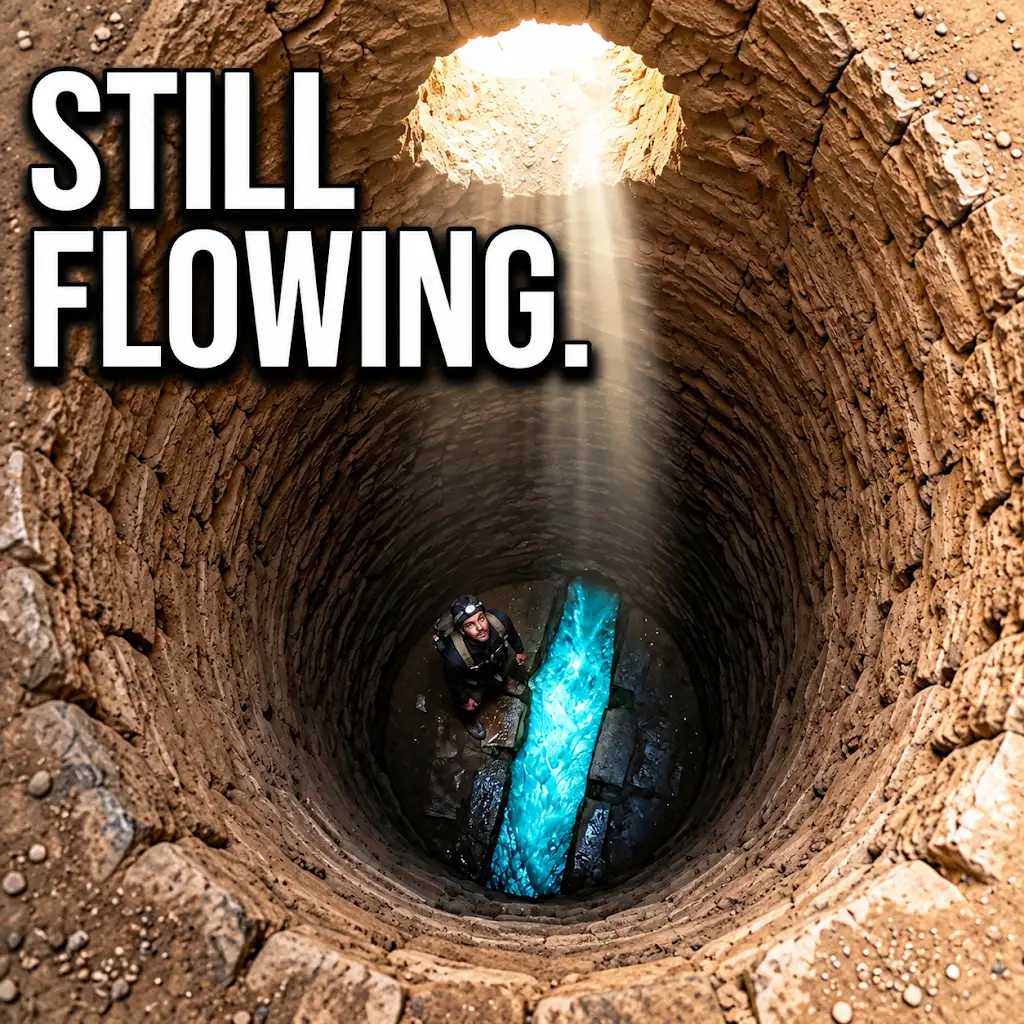
They Dug Water Tunnels Under the Desert… And They Still Flow
FAQs
What is a qanat?
A qanat is an underground water management system used to transport water from an aquifer under a hill to the surface for irrigation and drinking purposes.
How old is the history of qanats?
The history of qanats dates back over 3,000 years, with the earliest known qanat systems being developed in ancient Persia (modern-day Iran).
What is the significance of qanats in history?
Qanats played a crucial role in the development of ancient civilizations by providing a reliable source of water for agriculture, urban settlements, and sustaining life in arid regions.
How are qanats constructed?
Qanats are typically constructed by digging a series of vertical shafts and underground tunnels to reach the water table, allowing gravity to bring the water to the surface at a lower elevation.
Are qanats still in use today?
Yes, qanats are still in use in various parts of the world, particularly in arid regions where they provide a sustainable and energy-efficient method of water supply for agriculture and communities.