
The whispers of ancient civilizations often echo through their enduring infrastructure, and few are as profound or as intricate as the qanat system. These subterranean marvels, a testament to human ingenuity and a lifeline for arid lands, offer a unique window into the past. Dating ancient qanats, therefore, is not merely an archaeological pursuit; it is a journey into the very fabric of societies that mastered the art of water management millennia ago. This exploration delves into the sophisticated techniques employed to date these subterranean aqueducts and the invaluable historical insights they reveal about human settlement, agricultural practices, and technological development across diverse regions.
Unearthing the Temporal Layers of Qanat Construction
The process of dating ancient qanats is a multifaceted endeavor, drawing upon a range of scientific and archaeological methods. It’s a detective story where clues are buried deep within the earth and within the very materials used to construct these ancient water channels. The primary challenge lies in the fact that qanats are largely underground, often sealed and undisturbed for centuries, making direct dating difficult. However, by combining stratigraphic analysis, radiocarbon dating of organic materials found within or near the qanat, and the study of associated artifacts, archaeologists can piece together the construction timelines.
Stratigraphic Clues: Layers of Time
Stratigraphy, the study of rock layers and soil deposits, provides a fundamental framework for dating. When excavating a qanat, archaeologists carefully observe the sequence of soil and debris layers. Layers deposited above a qanat section indicate a later period, while those below suggest an earlier one. Within the qanat itself, any collapsed sections, silt deposits, or subsequent repairs can also be dated relative to each other. For instance, if a layer of charcoal from a cooking fire is found directly above a collapsed section of the qanat, it suggests that the qanat was likely in use or had fallen into disrepair by the time of that fire. Conversely, finding ancient pottery shards or tools embedded within the original construction fill can offer direct evidence of the period of its creation. The careful mapping and documentation of these layers are crucial for establishing a relative chronology, a foundation upon which more precise dating methods can be applied.
Radiocarbon Dating: The Organic Fingerprint
Radiocarbon dating, a cornerstone of modern archaeology, plays a vital role in dating organic materials associated with qanats. Charcoal fragments from ancient fires used during construction, remnants of wooden supports that have fossilized, or even organic matter trapped within the mortar or sediment can be subjected to radiocarbon analysis. This method relies on the decay of carbon-14, a radioactive isotope of carbon, which is absorbed by living organisms. After an organism dies, the carbon-14 begins to decay at a known rate, allowing scientists to estimate the time of death. When these organic samples are found in secure contexts directly related to the qanat’s construction or use, they can provide absolute dates, pushing back the perceived age of the water system. For example, a wooden beam used to shore up a qanat tunnel, dated through radiocarbon analysis to 2,500 years ago, firmly places that section of the qanat within that historical period.
Artifactual Evidence: Traces of Daily Life
The artifacts unearthed during qanat excavations are invaluable for dating. Pottery shards, tools, coins, and even building materials like bricks and mortar can provide clues to the period of construction or use. Each type of pottery, for instance, has a distinct stylistic evolution, and archaeologists can compare the qanat finds to established typologies of pottery from known historical periods. Similarly, the design and materials of tools found within the qanat, such as spades or pickaxes, can be indicative of specific eras. Coins, when present and well-preserved, offer direct dating evidence if they bear inscriptions or imagery that can be precisely dated. The presence of these items not only helps in dating the qanat but also offers glimpses into the daily lives of the people who built and maintained them.
The study of ancient qanats, which are underground aqueducts used for irrigation in arid regions, reveals fascinating insights into historical engineering and water management practices. For those interested in understanding the broader implications of historical infrastructure on modern systems, you might find the article on how the Dodd-Frank Act affects deposits particularly enlightening. It explores the regulatory frameworks that govern financial systems today, drawing parallels to how ancient societies managed their resources. You can read more about it here: Dodd-Frank Act Overview.
Illuminating Settlement Patterns and Agricultural Frontiers
The age and extent of qanat systems offer profound insights into the patterns of human settlement and the expansion of agricultural frontiers throughout history. The very existence of a qanat is predicated on the need for a reliable water source in arid or semi-arid regions, implying a settled population capable of undertaking such a monumental engineering feat. By dating these systems, researchers can trace the ebb and flow of human occupation, identify areas where agriculture was successfully introduced, and understand the limitations and possibilities of early civilization.
Identifying the Earliest Water Harvesters
The earliest qanats are often found in regions with a long history of water management, such as Iran, Oman, and the Xinjiang region of China. Dating these pioneering systems helps pinpoint where and when humans first developed the sophisticated techniques required to tap into underground aquifers. For instance, archaeological evidence suggests that some of the oldest qanats in Iran date back as far as the 8th century BCE, coinciding with the rise of the Achaemenid Empire. This dating allows historians to correlate the development of advanced irrigation with the growth of larger, more organized states and the expansion of agricultural capacity that supported them. The presence of early qanats is thus a powerful indicator of sedentary life and the beginnings of complex societies.
Mapping the Agricultural Reach
The network of qanats in a region directly reflects its agricultural potential and the extent to which human settlements could expand into previously unproductive lands. By dating different qanat systems and mapping their distribution, archaeologists can reconstruct historical agricultural frontiers. A cluster of qanats dating to a particular period might indicate a phase of agricultural expansion and prosperity, while the abandonment or disuse of older systems could signal periods of drought, conflict, or shifting political power. For example, the dating of qanats in the oasis towns of Central Asia can reveal how these settlements were sustained and grew over centuries, transforming desert landscapes into fertile farmlands capable of supporting significant populations.
Tracing the Demise and Revival of Water Systems
The lifecycle of qanats also provides crucial data on the rise and fall of civilizations. Dating allows for the identification of periods when qanats were actively constructed, maintained, and expanded, as well as periods of decline when they fell into disrepair or were abandoned. This cyclical pattern can be linked to broader historical events. The decline of qanat systems might coincide with periods of invasion, economic collapse, or the exhaustion of water resources. Conversely, the revival of qanat construction or maintenance could indicate a period of stability, renewed prosperity, or the influx of new populations with the knowledge and will to restore these vital lifelines. Studying the dating of these transitions helps us understand the resilience and vulnerability of societies reliant on intricate water management.
Understanding Technological Prowess and Engineering Innovation
The construction of qanats represents a remarkable feat of ancient engineering, showcasing a sophisticated understanding of hydrology, geology, and construction techniques. Dating these systems is crucial for understanding the evolution of this technology and its spread across different cultures. It allows us to appreciate the incremental innovations that led to their development and the diffusion of this knowledge across vast geographical distances.
The Genesis of Subterranean Aqueducts
The initial development of qanat technology was likely a gradual process, building upon simpler water-gathering techniques. Dating the earliest known qanats helps to establish the time frame for this groundbreaking innovation. Researchers often look for evidence of simpler, less sophisticated channels that might have preceded the complex, multi-stage qanat systems. The discovery and dating of these proto-qanats can shed light on the gradual realization of the principles behind subterranean water extraction and conveyance. Understanding this genesis is key to appreciating the ingenuity involved in moving from surface water management to tapping deep underground reserves.
Evolution of Construction Techniques
As qanats were built and maintained over centuries, construction techniques undoubtedly evolved. Dating different sections or systems can reveal these advancements. For instance, differences in the types of tools used for excavation, the methods of shoring up tunnels, or the composition of mortar used in lining channels can all be dated and compared. Early qanats might have relied more heavily on manual labor and simpler tools, while later ones might incorporate more advanced techniques for groundwater detection, tunnel stability, or efficient water flow. Dating these changes provides a timeline for the refinement of qanat engineering, showcasing the cumulative knowledge passed down through generations of builders and engineers.
Diffusion of Knowledge Across Cultures
The presence of similar qanat systems in geographically dispersed regions, such as the Middle East, North Africa, and Central Asia, raises questions about the diffusion of this technology. Dating these systems in different areas can help trace the routes and timing of this knowledge transfer. If qanats in one region are consistently dated earlier than those in another, it might suggest a directional flow of technological innovation. This dating allows for the exploration of trade routes, cultural exchange, and potential instances of independent invention. Understanding the spread of qanat technology provides valuable insights into the interconnectedness of ancient civilizations and the impact of technological diffusion on human development.
Insights into Socio-Political Structures and Labor Organization
The construction and maintenance of qanats were not solely technical challenges; they were also deeply intertwined with the socio-political structures and labor organization of the societies that built them. Dating these systems provides a lens through which to examine how these large-scale projects were managed, funded, and executed, offering insights into the nature of ancient governance and societal organization.
The Role of Centralized Authority
The sheer scale and complexity of many qanat systems suggest the involvement of a significant degree of centralized authority or strong community coordination. The ability to mobilize and organize large labor forces, secure funding for construction, and manage water distribution over extended periods points to sophisticated governance structures. Dating these large-scale projects can correlate with periods of strong empires or well-established regional powers. For example, the extensive qanat networks in Persia often coincide with periods of imperial rule, suggesting that the state played a significant role in their development and maintenance. The dating of qanats can thus serve as an indicator of the capacity for large-scale public works under different political regimes.
Labor Mobilization and Social Hierarchy
The construction of qanats required considerable manpower, often involving specialized skills such as tunneling, surveying, and masonry. Dating can help us understand how this labor was organized. Were workers conscripted, hired, or part of a communal labor system? The presence of worker settlements, tools, or even burial sites associated with qanat construction can provide clues. If dating reveals that qanats were built in stages over long periods, it might suggest a sustained labor commitment from a particular social stratum or a system of ongoing maintenance that involved the local populace. Conversely, dating a rapid construction phase might indicate a period of intensive labor mobilization, perhaps in response to an urgent need or a specific political directive.
Water Rights and Social Contracts
The equitable distribution of water from qanats was a critical issue that shaped social relations and legal frameworks. Dating the development of water management systems and the rules governing water rights can offer insights into the social contracts that underpinned these communities. Archaeological evidence, such as inscriptions or legal documents found near qanats, can provide direct information. However, dating the infrastructure itself helps to establish the temporal context for these practices. If dating reveals a long history of a qanat system, it implies a long-standing tradition of managing water scarcity and resolving disputes, contributing to social stability. The dating of different stages of water distribution infrastructure within a qanat system can also indicate the evolution of these social agreements over time.
Recent studies have shed light on the fascinating history of ancient qanats, which were sophisticated underground irrigation systems developed in arid regions. These structures not only demonstrate the ingenuity of early civilizations but also highlight the importance of water management in sustaining agricultural practices. For those interested in exploring how ancient innovations continue to influence modern practices, a related article discusses contemporary challenges and solutions in resource management, which can be found here. This connection between past and present underscores the enduring relevance of ancient technologies in today’s world.
Qanat Durability and the Legacy of Water Management
| Dating Method | Description | Typical Age Range | Accuracy | Limitations |
|---|---|---|---|---|
| Radiocarbon Dating | Measures decay of carbon-14 in organic materials found in qanat sediments or construction layers | Up to ~50,000 years | ±50 to 200 years depending on sample quality | Requires organic material; contamination can affect results |
| Optically Stimulated Luminescence (OSL) | Dates last exposure of quartz or feldspar grains to sunlight, useful for sediments in qanat tunnels | Up to ~100,000 years | ±5-10% of sample age | Requires careful sampling to avoid light exposure; complex preparation |
| Archaeological Stratigraphy | Relative dating based on layering and associated artifacts found in qanat construction or use phases | Varies by site | Relative dating only | Dependent on site preservation and context |
| Dendrochronology | Tree-ring dating of wooden elements used in qanat construction or maintenance | Up to several thousand years | ±1 year | Requires preserved wood samples; regional tree-ring chronologies needed |
| Thermoluminescence (TL) | Dates last heating event of ceramic or mineral materials found in qanat structures | Up to ~500,000 years | ±10-15% of sample age | Requires heating event; complex sample preparation |
The longevity of many qanat systems is a testament to their robust design and the sustained importance of water management throughout history. Dating these ancient structures allows us to appreciate their enduring legacy and understand their role in shaping human civilization. It highlights the adaptability and resilience of these watercourses, which have continued to serve communities for millennia in some cases.
The Enduring Functionality of Ancient Designs
Many qanats, even those dating back thousands of years, are still functional today, a remarkable feat of engineering. Dating allows us to identify the oldest continuously operating systems and study the principles behind their design that have contributed to their longevity. These ancient systems often employed a deep understanding of natural gradients, material science (such as the selection of durable stone and water-resistant mortar), and careful construction to minimize leakage and collapse. Dating these ancient marvels helps us to appreciate the timelessness of their engineering solutions and their ability to adapt to changing environmental conditions.
The Influence on Modern Water Management
While modern technology has introduced new methods of water management, the fundamental principles embodied in qanats – tapping groundwater, conveying it efficiently, and distributing it equitably – remain relevant. Dating ancient qanats allows us to trace the historical trajectory of these principles and understand how they have influenced later water management strategies. The study of dating ancient qanats can inform contemporary approaches to sustainable water resource management, particularly in arid regions facing increasing water scarcity. By understanding the successes and limitations of ancient systems, modern engineers and policymakers can gain valuable perspectives.
Qanats as Living Heritage and Cultural Icons
Beyond their practical utility, qanats are also significant cultural heritage sites. Dating them helps to contextualize their historical importance and their role in the cultural identity of the regions where they exist. Many qanat systems are recognized as UNESCO World Heritage sites, acknowledging their outstanding universal value. Dating these sites allows for accurate historical interpretation, preservation efforts, and their presentation to the public as tangible links to the past. The continued existence and dating of these ancient aqueducts serve as powerful reminders of human ingenuity and our fundamental dependence on water, a legacy that continues to inspire and inform us today.
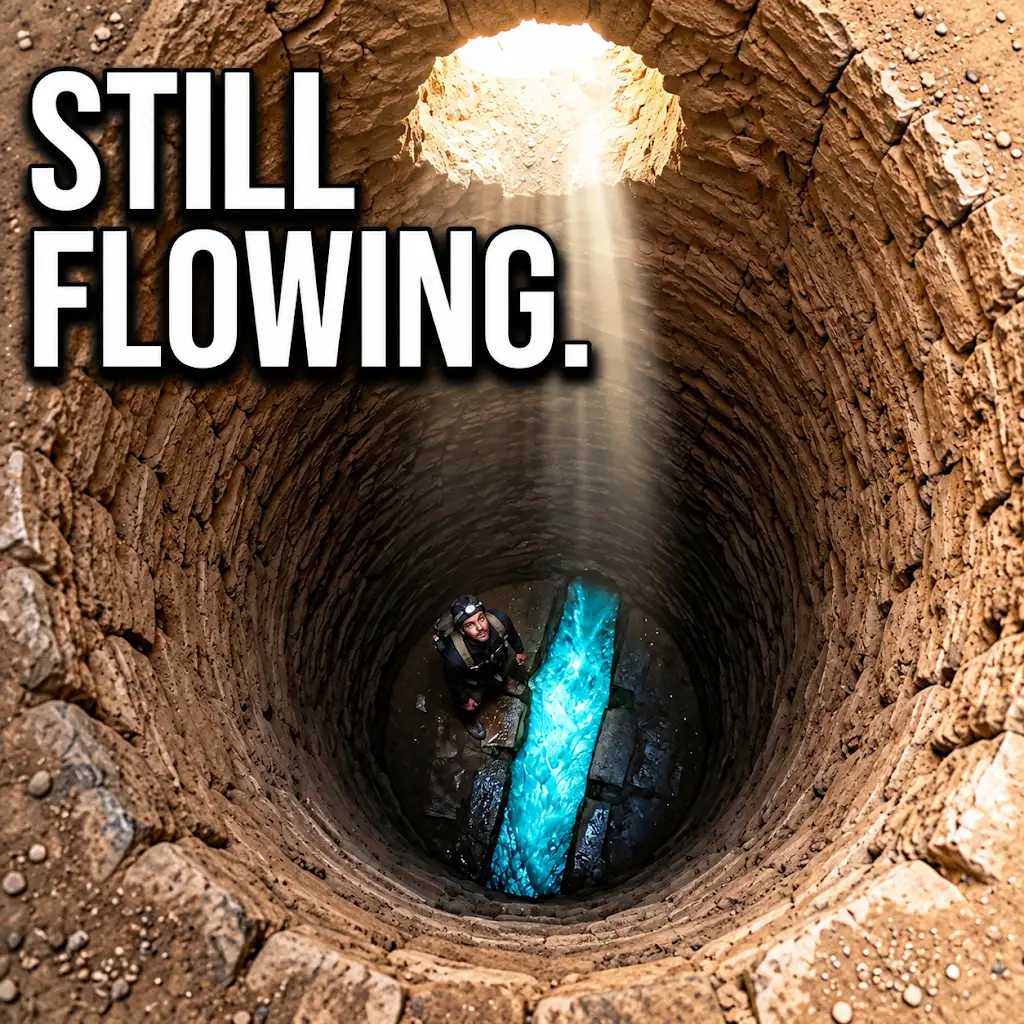
They Dug Water Tunnels Under the Desert… And They Still Flow
FAQs
What are ancient qanats?
Ancient qanats are underground water channels used for irrigation and water supply in arid regions. They are an ancient form of water management that dates back thousands of years.
Where were ancient qanats commonly found?
Ancient qanats were commonly found in arid and semi-arid regions such as the Middle East, North Africa, and Central Asia. They were essential for sustaining agriculture in these regions.
How were ancient qanats constructed?
Ancient qanats were constructed by digging a series of underground tunnels to tap into groundwater sources located at higher elevations. These tunnels were then connected to surface wells for access to the water.
What was the purpose of dating ancient qanats?
Dating ancient qanats helps researchers understand the history of water management practices in different regions and provides insights into the technological advancements of ancient civilizations. It also helps in preserving and protecting these historical water systems.
Why are ancient qanats considered a sustainable water management system?
Ancient qanats are considered a sustainable water management system because they rely on gravity to transport water, minimizing the need for energy consumption. They also help in groundwater recharge and reduce water loss through evaporation and seepage.