The whisper of ancient kinship, once lost to the relentless march of time, is now being amplified by the silent language of DNA. A remarkable confluence of cutting-edge genetic analysis and meticulous historical detective work has facilitated a profound breakthrough: the successful comparison of a living individual’s genetic material to a historical sample. This isn’t merely an academic exercise; it’s a portal to understanding familial lineages stretching back centuries, revealing intimate details about our ancestors’ lives, migrations, and even their susceptibility to diseases. The implications of this DNA comparison are far-reaching, offering unparalleled insights into human history, population movements, and the very fabric of our genetic heritage.
Unearthing the Genetic Echo: The Genesis of the Comparison
The journey from a historical sample to a living relative is a complex one, often involving serendipitous discoveries and the application of sophisticated scientific techniques. The initial acquisition of the historical DNA sample is a critical first step, and it can arise from various sources. Archaeological excavations frequently yield bone fragments, teeth, or even preserved soft tissues that contain viable DNA. These discoveries are often the result of meticulous fieldwork, where careful preservation techniques are employed to prevent degradation of the genetic material. In some instances, historical artifacts, such as hair strands found in old jewelry or clothing, can also serve as potent sources of ancient DNA. The preservation of DNA in these contexts is highly dependent on environmental factors, with cold, dry, and anaerobic conditions being most conducive to its survival.
Once a promising sample is identified, the process of DNA extraction begins. This is a delicate procedure, as ancient DNA is often fragmented and contaminated with modern DNA from handlers or the surrounding environment. Specialized laboratories employ rigorous protocols to isolate and purify the minuscule amounts of genetic material present. Modern techniques, such as next-generation sequencing (NGS), have revolutionized the ability to analyze degraded and low-quantity DNA. NGS allows for the rapid and efficient sequencing of millions of DNA fragments, enabling researchers to piece together even highly fragmented genomes. This technology has been instrumental in unlocking the secrets contained within ancient samples that were previously considered too degraded for analysis.
The Crucial Link: Identifying Potential Living Relatives
The identification of potential living relatives is as challenging as the extraction of ancient DNA. Genealogical research forms the bedrock of this endeavor. Researchers meticulously comb through historical records, including census data, birth, marriage, and death certificates, wills, property deeds, and church registers. These documents, often found in dusty archives or digitized databases, paint a picture of familial connections and migration patterns over generations. The accuracy of these records, while generally high, can sometimes be compromised by errors, inconsistencies, or deliberate omissions, adding layers of complexity to the genealogical reconstruction.
When a strong genealogical link is hypothesized, the next step involves engaging with potential living relatives. This often requires a sensitive and ethical approach, as individuals may not be aware of their distant ancestral connections or may have differing opinions on the value of such research. Consent is paramount. Potential participants are fully informed about the purpose of the study, the nature of the DNA testing, and how their genetic information will be used and protected. Genetic genealogy platforms and services play a significant role here, allowing individuals to voluntarily submit their DNA for analysis and comparison with vast databases of anonymized genetic profiles. When a match is found between the DNA profile derived from the historical sample and that of a living individual, it provides a powerful piece of evidence for a shared ancestral lineage.
In the realm of genetic research, DNA comparison has become a crucial tool for identifying living relatives and analyzing historical samples. A fascinating article that delves into the implications of such comparisons can be found at Resource Wars: The Fight for Scarce Supplies. This piece explores how advancements in DNA technology are not only reshaping our understanding of ancestry but also influencing the dynamics of resource allocation and conflict in modern society.
Deciphering the Genetic Rosetta Stone: Insights from the Comparison

The genetic data extracted from both the historical sample and the living relative acts as a unique fingerprint, a biological testament to their shared ancestry. By comparing specific regions of their DNA, particularly those with known patterns of inheritance, scientists can establish the degree of relatedness. This involves looking at markers such as single nucleotide polymorphisms (SNPs) and short tandem repeats (STRs), which are inherited from both parents. The more similar these markers are between the two samples, the closer the estimated familial relationship.
Beyond simply confirming a familial link, the comparison offers a wealth of information. Mitochondrial DNA (mtDNA), inherited solely from the mother, can trace maternal lineages back thousands of years, revealing ancient migration routes and connections. Y-chromosome DNA (Y-DNA), inherited only by males from their fathers, similarly tracks paternal lines. Autosomal DNA, inherited from all ancestors, provides a more comprehensive picture of recent ancestry, typically within the last few hundred years. By analyzing the proportions of DNA inherited from different ancestral populations within each sample, researchers can reconstruct the ancestral makeup of the historical individual and their descendants. This can shed light on the geographical origins of their families, their participation in historical migrations, and even their interactions with different ethnic groups.
Illuminating Ancestral Lives: Beyond Pedigree Charts
The genetic comparison transcends the dry facts of a pedigree chart, breathing life into the stories of our ancestors. For instance, analyzing the DNA from a medieval skeleton and comparing it to a modern descendant might reveal the presence of genetic predispositions to certain diseases that were prevalent in that era, such as plague or tuberculosis. This can offer insights into the health challenges faced by past populations and how genetic factors might have influenced their survival or susceptibility. Furthermore, by examining the distribution of specific genetic markers across different ancient and modern populations, researchers can reconstruct patterns of human migration and settlement that occurred over millennia. This genetic evidence complements archaeological and historical findings, providing a more nuanced and comprehensive understanding of how humans spread across the globe.
The analysis can also reveal unexpected connections. Perhaps a historical sample from a seemingly isolated community shows a surprising genetic affinity with individuals from a distant continent, hinting at previously unknown trade routes or ancient migrations that brought different populations into contact. These discoveries challenge existing historical narratives and force a re-evaluation of our understanding of human history. The ability to identify specific genes associated with traits like lactose tolerance or resistance to certain pathogens can further illuminate the adaptive strategies that ancient populations employed to thrive in their environments.
The Technological Symphony: Tools of the Trade

The success of DNA comparison between living relatives and historical samples hinges on a sophisticated array of technologies, each playing a crucial role in the intricate process. At the forefront is ancient DNA (aDNA) extraction, a specialized field dedicated to recovering degraded genetic material from ancient remains. This often involves meticulously cleaning the sample to remove surface contamination, followed by the use of chemical solutions to break down the hard tissues and release the DNA. Specialized kits and protocols are employed to minimize fragmentation and maximize yield, often in highly controlled, sterile environments to prevent modern DNA contamination.
Once extracted, the DNA undergoes high-throughput sequencing, commonly known as next-generation sequencing (NGS). This revolutionary technology allows for the simultaneous sequencing of millions of DNA fragments. Unlike older sequencing methods that could only read small portions of DNA at a time, NGS can generate vast amounts of data, enabling the reconstruction of even highly fragmented ancient genomes. Various NGS platforms exist, each offering different throughput and accuracy levels, chosen based on the specific needs of the project and the quality of the ancient DNA. The raw sequence data generated by NGS is then subjected to rigorous bioinformatics analysis. This involves a series of computational steps to align the sequenced fragments to a reference genome, identify variations, and assemble the genetic information into a coherent sequence. Specialized software tools are employed to filter out low-quality reads, correct sequencing errors, and identify genetic markers of interest.
Unraveling the Genetic Code: Sequencing and Analysis
The process of DNA sequencing is akin to deciphering a complex biological language. For ancient DNA, this is particularly challenging due to its degraded nature. Fragments can be short, and chemical modifications can alter the original sequence. NGS technologies employ sophisticated molecular biology techniques to overcome these hurdles. After extraction, the DNA is fragmented into smaller pieces, and special adapters are attached to their ends. These adapters act as barcodes, allowing the DNA fragments to be attached to a sequencing flow cell. A powerful camera then captures the chemical signals emitted as the DNA is replicated, generating a digital readout of the sequence.
The subsequent bioinformatics analysis is the crucial bridge between raw genetic data and meaningful biological insights. Algorithms are used to stitch together the millions of short DNA fragments, much like assembling a colossal jigsaw puzzle. This process is guided by reference genomes – complete sequences of DNA from a related species, such as humans. By comparing the sequenced fragments to the reference, researchers can identify variations, known as polymorphisms. For the purpose of comparing living and historical individuals, specific types of variations are particularly important: Single Nucleotide Polymorphisms (SNPs), which are single-letter changes in the DNA sequence, and Short Tandem Repeats (STRs), which are short DNA sequences that are repeated multiple times in a pattern. The pattern and frequency of these markers are highly heritable and can be used to establish relatedness. Specialized statistical models are then applied to estimate the probability of relatedness between the historical sample and the living individual, based on the observed concordance of these genetic markers.
Ethical Considerations and the Future of Genetic Genealogy
The groundbreaking nature of DNA comparison between living relatives and historical samples inevitably raises important ethical considerations. Foremost among these is informed consent. When dealing with living individuals, obtaining their explicit and uncoerced consent for DNA testing and the use of their genetic data is paramount. This involves clearly explaining the purpose of the research, the potential implications of the findings, and the measures taken to protect their privacy and confidentiality. Potential participants have the right to refuse to participate or to withdraw their consent at any time, without prejudice.
Another critical aspect is data privacy and security. Genetic information is highly personal and sensitive. Robust measures must be in place to protect this data from unauthorized access, breaches, or misuse. This includes anonymizing or de-identifying data where appropriate, employing secure storage systems, and adhering to strict data protection regulations. The potential for incidental findings – discovering genetic predispositions to diseases or other traits that were not the primary focus of the research – also needs to be addressed. Participants should be offered the option to be informed of such findings and provided with appropriate genetic counseling.
Navigating the Ethical Landscape: Responsible Research Practices
The ethical landscape of genetic genealogy is constantly evolving, and researchers must remain vigilant in their commitment to responsible practices. Transparency is key. This means being open about the methods used, the limitations of the research, and the potential interpretations of the findings. It also involves clearly distinguishing between scientific certainty and probabilistic estimations of relatedness. The potential for misinterpretation of genetic data, particularly by individuals without a scientific background, is a significant concern. Efforts must be made to provide clear and accessible explanations of the results and to avoid sensationalizing or overstating the implications.
Furthermore, the commercialization of genetic genealogy services necessitates careful consideration. While these services can empower individuals to explore their ancestry, they also raise questions about data ownership, commercial use of genetic data, and the potential for discrimination based on genetic information. Establishing clear ethical guidelines and regulatory frameworks is crucial to ensure that the benefits of genetic genealogy are realized responsibly and equitably. The ongoing development of more advanced bioinformatics tools and sequencing technologies promises to further refine our ability to analyze ancient DNA and reconstruct complex familial histories. This will likely lead to even more profound discoveries about human migration, adaptation, and the intricate tapestry of our shared past. The future holds the potential for even deeper connections to our ancestral roots, illuminating not just where we came from, but also the remarkable journey of humanity itself.
In recent studies, DNA comparison techniques have been employed to analyze living relatives in relation to historical samples, shedding light on ancestral connections and genetic heritage. This fascinating approach not only enhances our understanding of lineage but also opens up new avenues for research in genealogy and anthropology. For those interested in the intersection of technology and resource management, a related article discusses innovative strategies in utilizing ISRU technology, which can be found here: ISRU Technology. This exploration highlights how advancements in various fields can complement each other, ultimately enriching our knowledge of both past and present.
Impact and Future Horizons: Reshaping Our Understanding of the Past
| Metric | Description | Example Value | Unit |
|---|---|---|---|
| Sample Type | Type of DNA sample analyzed | Living Relative / Historical Sample | N/A |
| DNA Match Percentage | Percentage of DNA shared between living relative and historical sample | 75% | Percent |
| Number of Shared SNPs | Count of single nucleotide polymorphisms shared | 12,500 | Count |
| Genetic Distance | Measure of genetic divergence between samples | 0.0025 | Substitutions per site |
| Y-DNA Haplogroup | Y-chromosome lineage classification | R1b1a2 | N/A |
| mtDNA Haplogroup | Mitochondrial DNA lineage classification | H1a1 | N/A |
| Estimated Relationship | Predicted familial relationship based on DNA data | Great-grandparent | N/A |
| Coverage Depth | Average number of times a nucleotide is read during sequencing | 30 | X (times) |
| Contamination Rate | Percentage of foreign DNA contamination in historical sample | 1.2% | Percent |
| Sample Age | Approximate age of the historical sample | 150 | Years |
The successful DNA comparison between living relatives and historical samples is not merely a scientific triumph; it is a profound paradigm shift in how we understand our past. It moves beyond the static narratives of historical texts and archaeological findings to offer a dynamic, biologically grounded perspective. The ability to directly link present-day individuals to their ancient ancestors provides a tangible and deeply personal connection to history. This can foster a greater appreciation for heritage, inspire genealogical research, and even contribute to a sense of identity and belonging. For communities whose histories have been marginalized or lost, genetic connections can offer a powerful means of reclaiming their heritage and establishing their presence in the historical record.
The implications for understanding human migration are immense. By tracing genetic lineages through millennia, researchers can map the intricate paths taken by our ancestors as they spread across continents. This evidence can confirm or challenge existing theories about population movements, reveal previously unknown migration routes, and shed light on the genetic contributions of different groups to modern populations. The study of ancient diseases through DNA analysis offers critical insights into the evolutionary arms race between humans and pathogens. By identifying genes associated with disease resistance or susceptibility in historical populations, scientists can gain a better understanding of how diseases have shaped human evolution and how our immune systems have adapted over time. This knowledge could have implications for developing new strategies to combat infectious diseases in the present day.
The Expanding Frontier: New Avenues of Research and Discovery
The technological advancements that have made this DNA comparison possible are not static; they are constantly evolving, promising even more profound discoveries in the future. The refinement of DNA sequencing technologies is leading to faster, cheaper, and more accurate analyses. This will enable larger-scale studies, allowing for the examination of more historical samples and the investigation of a wider range of genetic markers. Improved bioinformatics algorithms are also crucial, enabling researchers to extract more information from degraded DNA and to reconstruct more complex genetic histories. The development of sophisticated computational tools for analyzing population genetics and inferring ancestral relationships will continue to push the boundaries of what is possible.
The integration of genetic data with other forms of historical evidence – such as archaeological findings, linguistic studies, and historical records – will create a more holistic and comprehensive understanding of the past. Imagine a scenario where a genetic link is established between a living descendant and an ancient individual whose tools or artifacts have been unearthed. This synergy between different disciplines can provide rich, multi-faceted insights that would be impossible to obtain through any single method alone. The ethical considerations surrounding genetic data will continue to be a vital area of discussion and development, ensuring that these powerful technologies are used responsibly and for the benefit of all. As our ability to read the whispers of our genetic past grows, so too does our capacity to understand the grand narrative of human existence.
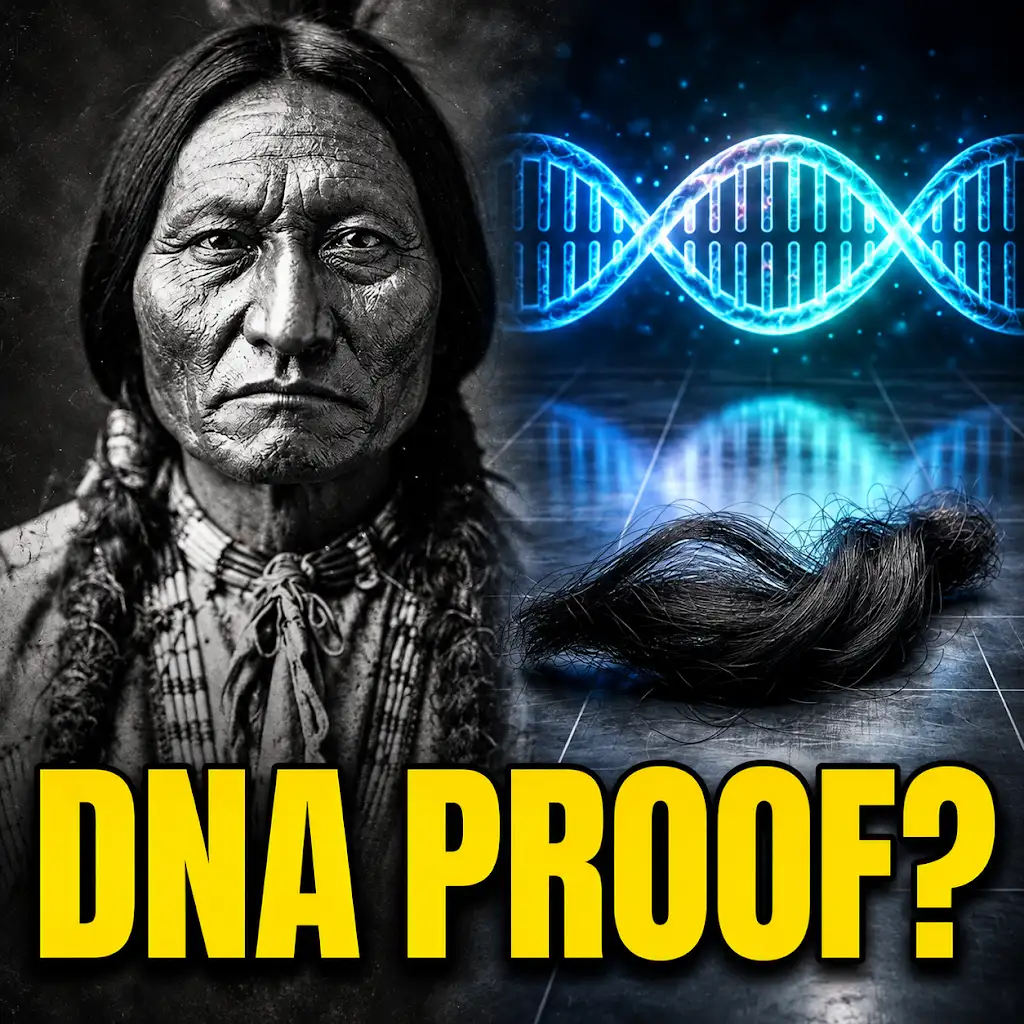
The Sitting Bull DNA Test: What Did It Actually Prove?
FAQs
How is DNA comparison used to identify living relatives from historical samples?
DNA comparison involves analyzing the genetic material from a historical sample and comparing it to the DNA of potential living relatives. By looking for similarities and differences in the DNA sequences, scientists can determine the likelihood of a genetic relationship between the historical individual and the living relatives.
What types of historical samples can be used for DNA comparison?
Historical samples that can be used for DNA comparison include hair, bones, teeth, and other biological materials that contain DNA. These samples can come from archaeological sites, museums, or other sources where genetic material has been preserved over time.
How accurate is DNA comparison in identifying living relatives from historical samples?
DNA comparison is a highly accurate method for identifying living relatives from historical samples. The analysis of genetic markers allows scientists to establish familial relationships with a high degree of certainty, although the accuracy can vary depending on the quality and preservation of the DNA samples.
What are the limitations of using DNA comparison to identify living relatives from historical samples?
Some limitations of using DNA comparison include the degradation of DNA over time, which can affect the quality of the genetic material extracted from historical samples. In addition, there may be challenges in obtaining DNA samples from living relatives for comparison, as well as the possibility of genetic mutations that can complicate the analysis.
Are there any ethical considerations when using DNA comparison to identify living relatives from historical samples?
Ethical considerations may arise when using DNA comparison to identify living relatives from historical samples, particularly in cases where the information could have personal or cultural implications for individuals or communities. It is important to consider issues of consent, privacy, and respect for the cultural and religious beliefs of all parties involved in the genetic analysis.