The silent, subterranean arteries of the qanat system are more than just remarkable feats of ancient engineering. They are foundational elements that sculpted human settlement patterns for millennia, influencing everything from village layout and agricultural practices to social structures and economic development. Across vast swathes of arid and semi-arid lands, from the sun-baked plains of Iran to the oases of North Africa and the Iberian Peninsula, the qanat has been a silent architect of life, dictating where people could live, how they could prosper, and the very rhythm of their existence. Understanding qanat settlement patterns is, therefore, to understand the ingenuity of human adaptation to challenging environments and the profound impact of water management on the fabric of society.
The Genesis of Subterranean Waterways
The qanat, a gently sloping tunnel tapped from an underground water source such as an aquifer or a mountain spring, is a deceptively simple yet ingenious solution to water scarcity. Its construction typically involves a mother well, sunk vertically to reach the water table, and a series of interconnected, gently sloping tunnels that convey the water by gravity to the surface. This remarkable system not only provides a consistent and reliable water supply but also minimizes evaporation, a critical advantage in hot, dry climates. The origins of this technology are debated, with strong evidence pointing to ancient Persia as its cradle, though similar systems emerged independently or were influenced by Persian innovations across various regions. The earliest known qanats date back possibly to the 8th century BCE, and their spread over the following centuries reflects their immense utility and the desire of communities to harness precious water resources.
The Importance of the Mother Well
The mother well, or ‘mad’ in Persian, is the vital point where the qanat system begins its subterranean journey. It is sunk deep enough to intersect the groundwater table, acting as the primary intake point for the precious water. The depth of the mother well is a critical determinant of the qanat’s flow rate and its viability. If sunk too shallow, it may not capture enough water, especially during drier periods. If sunk too deep, the energy required for its excavation becomes prohibitive, and the gradient of the qanat tunnel will be compromised, hindering the gravitational flow. The precise location of the mother well was often determined through careful observation of surface indicators, such as the presence of certain vegetation or patterns of soil moisture, and sometimes through trial and error. The construction of the mother well was a perilous undertaking, involving dangerous excavation in often unstable ground, demanding considerable skill and bravery from the qanat diggers.
The Masterful Gradient of the Tunnels
The success of a qanat hinges on the meticulous control of its gradient. The subterranean tunnels, known as ‘karez’ or ‘galeriy’ depending on the region, must be excavated with an almost imperceptible, yet consistent, downward slope. This gradient is precisely calculated to ensure that water flows by gravity from the mother well to the point of emergence on the surface, known as the ‘mazhar’. Too steep a gradient can lead to erosion within the tunnel, potentially causing collapses, and can also result in water velocities that are difficult to manage at the distribution points. Conversely, too shallow a gradient will result in a slow flow or even stagnant water, rendering the qanat ineffective. Achieving and maintaining this delicate balance required extensive surveying skills, often relying on simple but effective tools and techniques developed over generations. The visual control of the gradient was often maintained by ensuring that the excavated spoil from a lower section was just sufficient to fill a slight depression in an upper section, creating a level path.
The Role of Ventilation Shafts
Interspersed along the length of the qanat tunnels are vertical shafts, known as ‘chah-e taze’ or ventilation shafts. These shafts served multiple crucial purposes. Primarily, they facilitated the excavation process, allowing for the removal of excavated material and providing a means for workers to enter and exit the tunnel. More importantly, they were essential for ventilation, ensuring a supply of fresh air for the workers in the often-confined and potentially hazardous subterranean environment. The spacing of these shafts was a critical consideration, balancing the need for access and ventilation with the logistical challenges of their construction and maintenance. They also served as points for inspection and repair, allowing access to different sections of the qanat without needing to traverse the entire length. In some instances, these shafts also played a role in monitoring water flow and identifying blockages.
The study of qanat settlement patterns provides valuable insights into how ancient civilizations adapted to their environments, particularly in arid regions. These underground aqueduct systems not only facilitated water distribution but also influenced the spatial organization of communities. For a deeper understanding of how environmental factors, such as water scarcity, affect migration and settlement dynamics, you can explore the related article on environmental migration at this link.
Settlement Patterns Dictated by Water Access
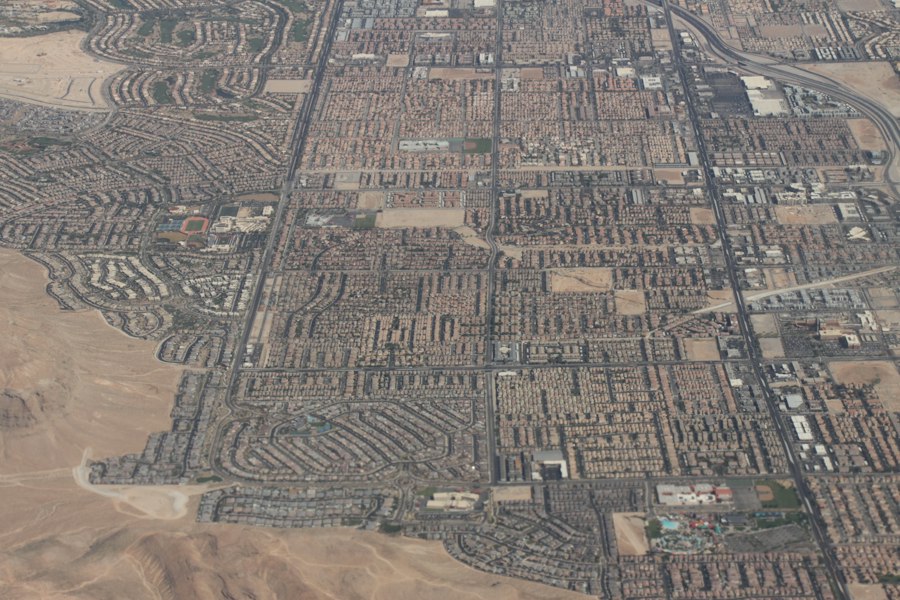
The qanat system did not merely supply water; it fundamentally shaped where communities could establish themselves and how they were organized. The predictable and reliable access to water offered by qanats allowed for the development of permanent settlements in otherwise inhospitable arid and semi-arid regions. Villages and towns coalesced around the points where qanat water emerged, creating a nexus of human activity. The availability and volume of qanat water directly influenced the size and density of these settlements, and the very layout of these communities was often dictated by the irrigation channels that fanned out from the qanat outlets.
Villages Clustered Around Outlets
The most immediate impact of qanat construction on settlement patterns was the concentration of habitation around the ‘mazhar’, the point where the qanat water surfaced. This location became the most valuable land, offering direct access to life-sustaining water. Villages and towns grew organically, with houses, public spaces, and agricultural fields clustered in proximity to the water source. This proximity ensured efficient use of labor for irrigation and domestic water supply, reducing the burden of water transport. The availability of a reliable water supply also fostered greater permanence, encouraging investment in more substantial structures and the development of established social and economic infrastructures. The layout of these settlements often reflected the flow of water, with irrigation channels forming a network that permeated the community.
The study of qanat settlement patterns reveals fascinating insights into ancient water management systems and their influence on urban development. For a contemporary perspective on how strategic resource management shapes modern cities, you might find the article on Monterrey’s nearshoring investment opportunities particularly enlightening. This piece discusses how effective planning and resource allocation can drive economic growth in urban areas, much like the ancient qanat systems did in their time. To explore this connection further, you can read the article here.
Agricultural Terraces and Fields
The fertile land created by qanat irrigation became the economic engine of these communities. Extensive agricultural areas were developed, often utilizing terracing to maximize the use of water and prevent soil erosion. The predictable water supply allowed for the cultivation of a wider range of crops, supporting larger populations and diversifying local economies. The management of these agricultural lands was a communal undertaking, deeply intertwined with the operation of the qanat itself. The distribution of water often followed established rules and customs, ensuring equitable access among the farming community and fostering a strong sense of shared responsibility. The visual landscape of these qanat-fed regions was thus transformed from barren desert into thriving agricultural oases.
The Influence on Urban Development
In larger urban centers, qanats played a crucial role in sustaining dense populations. Instead of relying on rivers or wells within the city walls, which could be prone to contamination or depletion, cities like Yazd in Iran developed extensive qanat networks to bring water from distant mountain springs. This allowed for urban growth and prosperity in otherwise challenging environments. The qanat system supported not only domestic needs but also public amenities such as baths, fountains, and gardens, contributing to the quality of urban life and the aesthetic character of these cities. The intricate network of qanats beneath and around these urban centers often formed a hidden infrastructure that was as vital as the visible city above.
Social and Economic Structures Shaped by Qanats

The intricate system of qanat construction, maintenance, and water distribution necessitated and fostered specific social and economic structures. The shared responsibility for these vital water systems created strong community bonds and often led to the development of formalized governance mechanisms to manage water rights and resolve disputes. The economic prosperity derived from qanat irrigation also influenced trade, specialization, and the overall economic development of the regions where they were prevalent.
Water Rights and Communal Governance
The ownership and distribution of qanat water were central to the social order in qanat-dependent communities. Complex systems of water rights, often passed down through generations, governed who could access water, when, and in what quantities. These rights were often meticulously recorded and enforced, sometimes through customary law, and other times through formal legal institutions. The necessity of maintaining the qanats fostered a strong sense of communal responsibility and cooperation. In many cases, communities formed water user associations or councils responsible for the repair, maintenance, and equitable distribution of water. These bodies played a crucial role in resolving disputes and ensuring the long-term sustainability of the qanat system.
The Qanat Digger: A Skilled Profession
The construction and maintenance of qanats required a highly specialized set of skills, giving rise to a distinct and respected profession: the qanat digger, or ‘muqanni’ in Persian. These individuals possessed a deep understanding of geology, hydrology, and engineering principles, albeit often gained through practical experience and oral tradition rather than formal education. Their work was arduous, dangerous, and vital to the survival of entire communities. The muqanni were responsible for surveying, excavating, shoring up tunnels, and troubleshooting any issues that arose within the qanat. Their knowledge and expertise were highly valued, and they often formed guilds or professional networks, passing their skills from father to son.
Economic Prosperity and Trade
The reliable supply of water provided by qanats enabled agricultural surplus, which in turn fueled economic prosperity. This surplus allowed for the support of non-agricultural specialists, such as artisans, merchants, and administrators, leading to a more diversified economy. Qanat-fed regions became centers of agricultural production, generating goods that could be traded with neighboring communities or transported along trade routes. The ability to sustain larger populations and produce surplus goods also contributed to the development of urban centers and facilitated the growth of trade networks, making qanat systems indirectly responsible for the economic vitality of vast regions.
The Enduring Legacy of Qanat Systems
While many qanat systems have fallen into disuse or disrepair due to modern infrastructure, changing climate patterns, or political neglect, their legacy continues to shape the landscape and the cultural memory of many regions. The architectural remnants of qanat systems, from the mother wells to the subtle depressions marking the tunnel routes, are testaments to the ingenuity of ancient peoples. Furthermore, the principles of water management embodied in qanat systems offer valuable lessons for contemporary challenges in water scarcity and sustainable development.
Decline and Modern Challenges
The advent of modern water technologies, such as motorized pumps and large-scale irrigation projects, has led to a decline in the reliance on traditional qanat systems in many areas. While these modern technologies offer increased efficiency and capacity, they can also lead to the depletion of groundwater resources and can be less sustainable in the long run. Furthermore, political instability, neglect, and the erosion of traditional water management knowledge have contributed to the abandonment and decay of many qanats. The seismic activity in some regions also poses a significant threat to the structural integrity of these ancient underground networks.
Qanat Systems as Cultural Heritage
The qanat systems are not merely technological artifacts; they are integral components of the cultural heritage of the regions where they exist. They represent a profound connection between people and their environment, embodying generations of accumulated knowledge and ingenuity. In recent years, there has been a growing recognition of their historical and cultural significance, leading to efforts to preserve and document these systems. UNESCO has recognized several qanat systems as World Heritage sites, highlighting their importance to global heritage and promoting their conservation for future generations. These ancient waterways are living monuments to human resilience and innovation.
Lessons for Modern Water Management
The principles underlying the qanat system offer valuable insights for contemporary water management, particularly in arid and semi-arid regions facing increasing water stress. The emphasis on gravity-fed systems, minimizing evaporation, and promoting communal governance highlights the importance of sustainable and community-based approaches to water resource management. The qanat’s success demonstrates the power of understanding local hydrogeology and working in harmony with natural systems. As the world grapples with the challenges of climate change and growing water scarcity, the ancient wisdom embedded in qanat systems may hold keys to a more sustainable future. The careful planning, meticulous construction, and equitable distribution inherent in qanat systems serve as enduring models for responsible water stewardship.
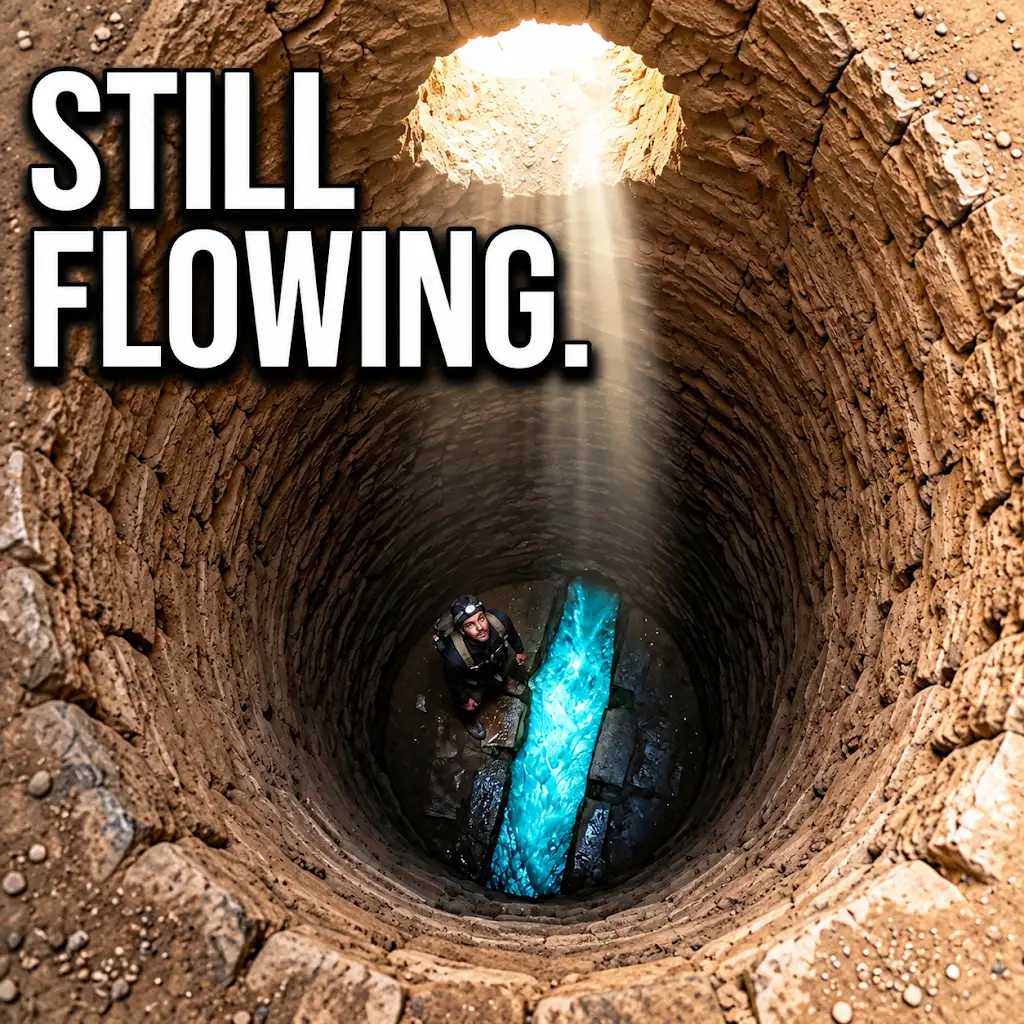
They Dug Water Tunnels Under the Desert… And They Still Flow
FAQs
What are qanats?
Qanats are underground channels used to transport water from an aquifer under a hill to the surface, providing a reliable source of water for irrigation and human consumption.
How did qanat settlement patterns develop?
Qanat settlement patterns developed in arid and semi-arid regions where water scarcity was a significant challenge. The construction of qanats allowed communities to establish settlements in areas where water was not readily available on the surface.
What factors influenced the location of qanat settlements?
The location of qanat settlements was influenced by factors such as the availability of water resources, topography, soil fertility, and proximity to trade routes. Settlements were often strategically positioned to maximize agricultural productivity and access to markets.
How did qanat settlements impact the surrounding environment?
Qanat settlements often led to the development of oasis-like environments in arid regions, supporting diverse flora and fauna. However, the intensive use of water resources from qanats could also lead to environmental degradation, such as soil salinization and depletion of aquifers.
Are qanat settlement patterns still relevant today?
While modern technologies have largely replaced qanats for water supply, some communities in arid regions still rely on qanat systems for irrigation and drinking water. The traditional knowledge and sustainable practices associated with qanat settlement patterns continue to be studied and adapted for contemporary water management strategies.