The Unseen Threads of Inheritance: Understanding Genetic Relatedness
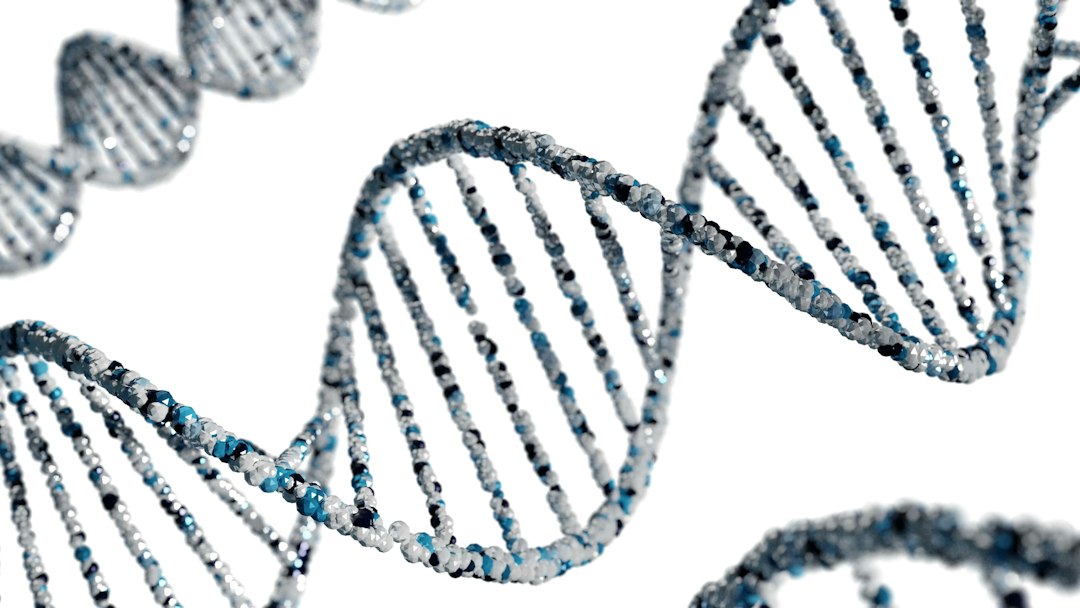
The tapestry of human existence is woven with countless threads, many of them invisible yet profoundly influential. Among the most fundamental of these are the genetic threads that connect individuals across generations. From the most distant ancestor to the newest arrival, our DNA carries a unique blueprint, a testament to the journey of life that has led to our present form. Tracing these family DNA links is no longer confined to the realm of genealogical research; it has become a powerful scientific endeavor, offering unprecedented insights into our heritage, our health, and our very identity. This exploration delves into the fascinating world of genetic relatedness, unraveling the complex mechanisms by which DNA charts our ancestral connections and the profound implications of understanding these inherited links.
Genetic relatedness across generations is a fascinating topic that explores how traits and characteristics are passed down through familial lines. An insightful article that touches on the implications of genetic heritage in the context of environmental challenges can be found at this link. It discusses how the threat of sinking island nations due to climate change may impact the genetic diversity and relatedness of populations, highlighting the interconnectedness of environmental and genetic factors in shaping future generations.
Unraveling the Genetic Code: The Foundation of Family Ties
At its core, genetic relatedness is a matter of shared inheritance. Every individual receives a unique combination of DNA from their parents, a mosaic formed by half the genetic material from their mother and half from their father. This process of inheritance, governed by the principles of Mendelian genetics, ensures that familial resemblance, both physical and predisposed health conditions, are passed down through generations. The fundamental unit of this inheritance is the gene, a segment of DNA that carries the instructions for building and operating an organism. These genes are organized into chromosomes, and the complete set of genes within an organism is its genome.
The Symphony of DNA Transmission: From Parents to Offspring
The journey of DNA transmission begins at conception. During meiosis, the specialized cell division that produces gametes (sperm and egg cells), chromosomes are halved. Crucially, during this process, a phenomenon called recombination occurs. This is where homologous chromosomes, one inherited from the mother and one from the father, exchange segments of DNA. This shuffling of genetic material ensures that each gamete is genetically unique, even within the same individual. Consequently, when fertilization occurs, the resulting zygote, and thus the offspring, inherits a novel combination of genes, making them genetically distinct from both parents, yet undeniably linked. This constant recombination is a key reason why siblings, while sharing a significant portion of their DNA, are not identical (unless they are identical twins, who arise from a single fertilized egg that splits).
The Gradual Dilution of Ancestral DNA: A Statistical Reality
As we move further back in time, the proportion of DNA inherited from any single ancestor diminishes. This is a predictable statistical outcome. For instance, a person inherits 50% of their DNA from each parent. From each grandparent, they inherit 25% of their DNA. From each great-grandparent, it’s 12.5%, and so on. While the total number of ancestors doubles with each preceding generation, the proportion of DNA inherited from any one of them decreases by half. This means that while you might have hundreds of ancestors from many generations ago, the actual amount of DNA you share with any specific distant ancestor becomes infinitesimally small. However, this does not mean their genetic legacy has vanished entirely. Even a tiny fraction of shared DNA can carry important genetic information.
The Role of Mitochondrial DNA and Y-Chromosomes: Distinctive Inheritance Pathways
Beyond the nuclear DNA inherited from both parents, there are two other crucial components for tracing lineage: mitochondrial DNA (mtDNA) and the Y-chromosome. Mitochondrial DNA is found in the mitochondria, the powerhouses of the cell, and is almost exclusively inherited from the mother. This is because the egg cell contains numerous mitochondria, while the sperm’s contribution to the zygote is primarily its nucleus. The Y-chromosome, on the other hand, is unique to biological males and is passed down from father to son. These maternally and paternally inherited lineages are powerful tools for tracing very specific ancestral lines, as they are not subject to the same recombination that shuffles nuclear DNA. mtDNA can trace a purely maternal line back through countless generations, while the Y-chromosome can trace a purely paternal line.
The Science of DNA Ancestry: Tools and Techniques

The ability to analyze and compare DNA sequences has revolutionized our understanding of genetic relatedness. Modern genetic ancestry testing, available to the public, utilizes sophisticated technologies to compare an individual’s DNA with vast databases of genetic information from people worldwide. These tests can reveal not only close relatives but also provide insights into ancestral origins, migration patterns, and even identify potential health predispositions.
Autosomal DNA Testing: The Broadest Net
Autosomal DNA tests are the most common type of consumer genetic ancestry test. They analyze DNA from the 22 pairs of autosomal chromosomes, which are inherited from all ancestors, not just maternal or paternal lines. This broad coverage allows for the identification of relatives across multiple generations, even distant ones. The analysis involves comparing segments of your autosomal DNA with those of other individuals in the database. When significant stretches of DNA are identical, it indicates a shared ancestor. The longer the shared segment and the more segments shared, the closer the relationship. These tests are excellent for uncovering family trees, finding living relatives, and understanding the overall ethnic makeup of one’s ancestry.
Y-DNA and mtDNA Testing: Unlocking Deep Ancestry
Y-DNA and mtDNA tests, while more specialized, offer unique advantages for tracing deep ancestral lines. Y-DNA testing is exclusively for males and examines the Y-chromosome. By comparing Y-chromosome DNA, researchers can trace a direct paternal lineage back thousands of years, identifying the origins and migration paths of a person’s male ancestors. Similarly, mtDNA testing, available to both males and females, analyzes mitochondrial DNA, revealing a direct maternal lineage. This can trace a maternal line back even further than Y-DNA due to the higher mutation rate of mtDNA. These tests are invaluable for understanding ancient human migrations and identifying distinct ancestral haplogroups.
The Power of Databases and Algorithms: Connecting the Dots
The effectiveness of genetic ancestry tests hinges on the vastness and sophistication of the databases they utilize. These databases contain DNA profiles from millions of individuals who have also undergone testing. Advanced algorithms then compare an individual’s DNA to these profiles, looking for shared segments. The algorithms are designed to account for the natural variation in DNA and the expected diminishing returns of shared DNA with increasing generational distance. They also use reference populations with known genetic markers and historical migration data to estimate ethnic percentages and geographic origins. The more comprehensive the database and the more refined the algorithms, the more accurate and detailed the ancestry results will be.
Interpreting Genetic Clues: From Ethnic Percentages to Kinship Matches
The results of a genetic ancestry test are not always straightforward. They often require careful interpretation, understanding the limitations of the technology, and combining the genetic data with historical and genealogical research. The insights gained can range from broad ethnic estimations to precise identification of close relatives.
Decoding Ethnic Origins: A Mosaic of Ancestry
One of the most popular outcomes of genetic ancestry testing is the breakdown of ethnic or ancestral origins. These tests provide percentages of DNA that are most similar to specific geographic regions or ethnic groups represented in their reference databases. For example, a report might indicate 30% Northwestern European, 25% West African, 15% East Asian, and 30% Native American. It is important to understand that these percentages are estimations based on the algorithms’ comparisons to defined populations. They represent the best matches found in the database and are not definitive declarations of birthplace or citizenship. Furthermore, human populations have migrated and intermingled for millennia, making neat ethnic classifications challenging.
Identifying Relatives: Building Bridges Across Time and Distance
Perhaps the most profound impact of genetic ancestry testing lies in its ability to identify living relatives. Companies maintain databases of users who have opted to share their results for potential kinship matches. When two individuals in the database share a statistically significant amount of DNA, the system flags them as potential relatives. The closer the estimated relationship (e.g., parent/child, sibling, first cousin), the more DNA they will share. This can be a life-changing experience, reconnecting individuals with long-lost family members, uncovering unknown branches of the family tree, or even solving genealogical mysteries that have stumped researchers for years.
Navigating Shared DNA Segments: The Language of Kinship
The concept of “shared DNA segments” is central to interpreting kinship matches. When two people are related, they will share identical DNA sequences in certain regions of their chromosomes. The length of these shared segments, measured in centimorgans (cM), and the number of such segments are key indicators of the degree of relatedness. For instance, full siblings typically share around 2,400-3,700 cM across multiple segments, while first cousins might share 500-1000 cM. Genetic genealogy tools and calculators help interpret these cM values, providing estimated relationships based on statistical probabilities. It is a complex puzzle, but with enough shared DNA data, a clear picture of familial connections can emerge.
Recent studies have explored the fascinating concept of genetic relatedness across generations, shedding light on how traits and behaviors are passed down through family lines. This topic is intricately connected to various aspects of inheritance and evolution, making it a rich field for research. For those interested in understanding the implications of genetic connections, you might find this article on financial security and its potential impact on future generations particularly insightful. You can read more about it here.
Beyond the Individual: Implications for Health and Society
| Relationship | Genetic Relatedness (Coefficient of Relationship) | Percentage of Shared Genes | Generations Apart |
|---|---|---|---|
| Parent – Child | 0.5 | 50% | 1 |
| Full Siblings | 0.5 | 50% | 1 |
| Grandparent – Grandchild | 0.25 | 25% | 2 |
| Half Siblings | 0.25 | 25% | 1 |
| First Cousins | 0.125 | 12.5% | 2 |
| Great-Grandparent – Great-Grandchild | 0.125 | 12.5% | 3 |
| Second Cousins | 0.03125 | 3.125% | 4 |
The insights gleaned from tracing genetic relatedness extend far beyond personal curiosity. They have significant implications for understanding human health, population genetics, and even our sense of collective identity. As our ability to analyze DNA becomes more sophisticated, so too does our capacity to leverage this information for broader societal benefit.
Genetic Predispositions and Health: A Proactive Approach to Well-being
Understanding one’s genetic inheritance can offer valuable insights into potential health predispositions. While direct-to-consumer genetic tests are not diagnostic, they can identify variations in genes that are associated with an increased risk of certain conditions, such as specific types of cancer, cardiovascular diseases, or neurodegenerative disorders. This information, when discussed with a healthcare professional, can empower individuals to make informed lifestyle choices, undergo targeted screenings, and engage in proactive health management. It shifts the paradigm from reactive treatment to preventative care, based on a personalized understanding of genetic risk factors.
Population Genetics and Human Migration: Rewriting Our Ancestral Story
The study of genetic relatedness across large populations has been instrumental in unraveling the complex story of human migration and evolution. By analyzing the genetic markers of diverse populations around the world, scientists can trace ancient migratory routes, estimate the timing of population splits, and understand how different groups adapted to various environments. This field, known as population genetics, provides a powerful genetic lens through which to view human history, often corroborating and sometimes refining archaeological and linguistic evidence. It reveals the interconnectedness of humanity, demonstrating how all populations share common ancestral roots.
Ethical Considerations and the Future of Genetic Information: Responsibility and Privacy
As genetic information becomes more accessible and our understanding of its implications grows, so too do the ethical considerations. Issues of privacy, data security, and the potential for genetic discrimination are paramount. Companies that offer genetic testing must have robust policies in place to protect user data and ensure informed consent. The potential for this information to be used in ways that could disadvantage individuals, such as in employment or insurance, requires careful legislative and societal oversight. The future of genetic information lies in harnessing its power for good while rigorously safeguarding individual rights and promoting equitable access to its benefits.
Conclusion: The Ever-Unfolding Narrative of Our Genes
Genetic relatedness across generations is a fundamental aspect of the human experience. Tracing family DNA links, through advancements in genetic science, offers us a powerful and deeply personal way to connect with our past, understand our present, and shape our future. From the intricate dance of chromosomes during reproduction to the vast databases that now house our genetic signatures, the journey of discovery is ongoing. Each DNA test, each relative found, each health predisposition identified, adds another chapter to the ever-unfolding narrative of our genes. As technology continues to evolve, our ability to understand and utilize this inheritance will undoubtedly expand, offering even more profound insights into the rich and complex tapestry of human ancestry and the enduring threads that bind us all.
The Sitting Bull DNA Test: What Did It Actually Prove?
FAQs
1. How is genetic relatedness across generations determined?
Genetic relatedness across generations is determined by analyzing the genetic material passed down from parents to offspring through DNA sequencing and comparison.
2. What factors influence the degree of genetic relatedness between generations?
The degree of genetic relatedness between generations is influenced by the number of shared genetic markers, the genetic diversity within the population, and the presence of mutations or genetic variations.
3. Why is understanding genetic relatedness important in evolutionary studies?
Understanding genetic relatedness is important in evolutionary studies as it helps researchers trace the transmission of genetic traits over generations, study the genetic diversity within populations, and analyze the mechanisms of evolution.
4. How does genetic relatedness impact hereditary diseases within families?
Genetic relatedness can impact hereditary diseases within families by increasing the likelihood of certain genetic disorders being passed down from parents to offspring, especially if there is a history of the disease in the family.
5. Can genetic relatedness across generations be used in paternity testing?
Yes, genetic relatedness across generations can be used in paternity testing by comparing the genetic markers of the child with those of the potential father to determine the likelihood of paternity based on shared genetic material.