The ubiquitous presence of DNA in modern discourse often leads to an assumption of its absolute authority in defining who we are. From forensic science to genealogical tracing, DNA is presented as the ultimate arbiter of personal identity and individuality. Yet, while undeniably powerful in establishing biological lineage and predisposition, DNA’s scope is fundamentally limited. It can tell us about our ancestry, our genetic predispositions to certain traits and conditions, and our biological relationships. However, it falls silent on the intricate tapestry of experiences, choices, beliefs, and relationships that truly constitute a unique individual. This article will delve into the profound aspects of personal identity and individuality that lie beyond the purview of genetic code, exploring what DNA simply cannot prove.
The Illusion of Determinism: Why Genes Aren’t Destiny
The allure of genetic determinism – the idea that our genes dictate our every characteristic and behavior – is a powerful one. It offers a comforting, albeit flawed, simplicity in a complex world. DNA sequencing reveals our genetic blueprint, a blueprint inherited from our parents, and thus, it’s tempting to believe that this blueprint predetermines our entire existence. However, a closer examination reveals that while genes play a significant role, they are far from the sole architects of our being. The interplay between genes and environment, known as epigenetics, introduces a level of complexity that genetic sequencing alone cannot unravel.
The Epigenetic Landscape: A Dynamic Layer of Influence
Epigenetics refers to the study of heritable changes in gene expression that do not involve alterations to the underlying DNA sequence. Think of DNA as the hardware of a computer, and epigenetics as the software that dictates how that hardware operates. Environmental factors – such as diet, stress, exposure to toxins, and even social interactions – can cause epigenetic modifications. These modifications can switch genes on or off, or fine-tune their activity, profoundly influencing how our genetic predispositions are expressed. For instance, two individuals with identical genetic predispositions for a certain disease might experience vastly different outcomes based on their lifestyle and environmental exposures. DNA can reveal the genetic potential for a trait, but it cannot predict the epigenetic story that will ultimately shape its manifestation. This dynamic interplay means that identical twins, who share the same DNA, can develop different personalities, interests, and even susceptibility to certain illnesses over their lifetimes due to these epigenetic shifts. Therefore, DNA can tell us about our inherent genetic potential, but it cannot definitively prove the lived expression of that potential.
The Role of Randomness and Chance Events
Beyond the deterministic influence of genes and the modulatory effects of epigenetics, life is also shaped by a significant element of chance. Unforeseen events, serendipitous encounters, and random occurrences can profoundly alter the trajectory of an individual’s life, forging pathways that were never encoded in their DNA. A chance meeting could lead to a lifelong friendship or a pivotal career opportunity. A sudden illness or accident could necessitate a complete reevaluation of life goals. These unpredictable junctures, while not dictated by genetic sequences, are instrumental in shaping our individuality. DNA offers no insight into the probability of these random events, nor their profound impact on our personal narratives. It cannot prove the influence of a fortunate accident or an unfortunate setback on the unique development of a person.
While DNA testing has become a powerful tool in establishing biological relationships, it cannot definitively prove aspects of personal identity such as cultural background, personal experiences, or individual choices. For a deeper understanding of how identity can be influenced by various factors beyond genetics, you may find the article on the implications of financial regulations on personal identity and security insightful. You can read more about this topic in the article titled “How Dodd-Frank Affects Deposits: An Overview” at this link.
Beyond Biology: The Uncharted Territory of Lived Experience
Personal identity is not solely a biological construct; it is profoundly shaped by the accumulation of experiences, memories, and the subjective interpretations of these events. DNA can inform us about our biological predispositions and ancestry, but it remains silent on the rich, nuanced, and deeply personal narratives that we weave throughout our lives. These are the experiences that forge our character, shape our values, and define our sense of self.
The Formation of Memories and Their Impact
Memories are the building blocks of our personal history. From the earliest childhood recollections to the most recent events, our memories shape our understanding of ourselves and the world around us. They influence our decisions, inform our perspectives, and contribute to our unique worldview. The richness and complexity of human memory, with its capacity for recall, embellishment, and even selective forgetting, is a uniquely individual phenomenon. DNA can indicate a genetic predisposition for certain memory-related disorders, but it cannot account for the content of a specific memory, its emotional valence, or the profound impact it has on an individual’s development and sense of self. The feeling of nostalgia for a childhood event, the lingering sting of a past betrayal, or the joy of a cherished accomplishment – these are deeply personal experiences that DNA cannot quantify or explain. They are the unwritten chapters of our identity, stories that DNA, for all its power, cannot read.
The Subjective Nature of Perception and Interpretation
Each individual perceives and interprets the world through a unique lens, shaped by their personal history, cultural background, and emotional state. Even when faced with the same event, two people will likely process and react to it differently. This subjective interpretation is a cornerstone of individuality. DNA provides no mechanism for understanding the subtle nuances of how an individual internalizes and makes sense of their environment. It cannot explain why one person finds a particular piece of art deeply moving while another remains indifferent, or why a shared experience can elicit joy in one and sadness in another. Our subjective reality, our internal landscape of feelings and thoughts, is a testament to our individuality, a territory that DNA cannot map. It cannot prove the unique meaning an individual assigns to an event or a relationship.
The Social and Cultural Fabric: Identity Woven with Others
Human beings are inherently social creatures, and our identities are intricately woven into the social and cultural fabric of our communities. The relationships we form, the groups we belong to, and the cultural norms we absorb all contribute significantly to our sense of self. DNA can confirm biological kinship, but it cannot illuminate the complex dynamics of chosen families, the bonds of friendship, or the influence of a shared cultural heritage on an individual’s identity.
The Bonds of Friendship and Chosen Family
While DNA can establish biological familial ties, it cannot account for the profound impact of chosen relationships. Friendships, mentorships, and chosen families are often as significant, if not more so, in shaping an individual’s identity as biological kinship. These relationships are built on shared experiences, mutual understanding, emotional support, and a voluntary commitment to one another. The loyalty of a best friend, the guidance of a trusted mentor, or the unconditional love of a partner – these are deeply personal connections that contribute immeasurably to who we are. DNA offers no insight into the formation, maintenance, or profound influence of these non-biological bonds. It cannot prove the depth of connection forged through shared laughter and tears with a lifelong friend, nor the sense of belonging found in a chosen family.
The Influence of Cultural Norms and Societal Values
Culture provides a framework through which we understand the world and our place within it. Societal norms, traditions, and values are absorbed from birth, influencing our behaviors, beliefs, and aspirations. Whether it’s the celebration of certain holidays, the adherence to specific dietary practices, or the embrace of particular social etiquette, our cultural upbringing plays a vital role in shaping our individuality. DNA cannot reveal the nuances of cultural assimilation, the adoption of specific ideologies, or the internalized values that stem from our upbringing. It cannot prove the impact of growing up in a particular ethnic community, the pride in a shared heritage, or the adoption of a specific set of moral principles that are learned, not inherited genetically. The way one navigates social hierarchies, expresses respect, or understands the concept of community are all deeply cultural and, consequently, deeply individual.
The Realm of Beliefs, Values, and Aspirations
Perhaps the most significant aspect of personal identity that DNA cannot illuminate is the intricate landscape of an individual’s beliefs, values, and aspirations. These are the abstract, yet potent, forces that drive our actions, shape our moral compass, and chart the course of our lives. They are born not of genetic code, but of reflection, experience, and the continuous process of self-discovery.
The Formation of Moral and Ethical Frameworks
Our moral and ethical frameworks guide our decisions and define our understanding of right and wrong. These frameworks are not genetically predetermined. They are developed through a complex interplay of upbringing, education, personal reflection, and exposure to diverse perspectives. The commitment to justice, the practice of compassion, or the adherence to principles of honesty – these are deeply personal ethical stances. DNA can indicate a genetic predisposition for certain temperamental traits that might influence how readily one embraces empathy, but it cannot explain the conscious development of a moral code or the unwavering commitment to ethical principles in the face of adversity. It cannot prove the internal struggle leading to a profound ethical conviction.
The Power of Choice and Agency
The concept of free will and personal agency is central to our understanding of individuality. While genetics might predispose us to certain tendencies or behaviors, the ultimate power to choose our actions, to override impulses, and to forge our own path remains a distinctly human attribute. Our choices – from career paths and personal relationships to the daily decisions that define our routines – are the ultimate expression of our individuality. DNA cannot predict the choices we will make, nor can it explain the motivations behind them. It cannot prove the conscious decision to pursue a challenging goal, the courage to defy societal expectations, or the personal growth that stems from overcoming a difficult decision. The very essence of individuality lies in the freedom to choose, a freedom that transcends the boundaries of our genetic inheritance.
While DNA testing has become a popular method for establishing identity, it cannot definitively prove the complexities of personal identity, which encompasses cultural, social, and emotional factors. For a deeper understanding of how identity is shaped by various influences beyond genetics, you may find it interesting to explore the article on the climate emergency and its impact on societal identity. This piece highlights how external factors can redefine who we are and how we relate to one another. You can read more about it in this insightful article.
The Elusive Nature of Consciousness and Self-Awareness
| Aspect of Identity | What DNA Cannot Prove | Explanation |
|---|---|---|
| Personal Experiences | Cannot verify life events or memories | DNA does not contain information about an individual’s experiences, memories, or personal history. |
| Behavior and Personality | Cannot determine personality traits or behavior | While genetics influence traits, DNA alone cannot predict specific behaviors or personality characteristics. |
| Social Identity | Cannot prove cultural, ethnic, or social affiliations | DNA may indicate ancestry but cannot confirm cultural practices, language, or social group membership. |
| Legal Identity | Cannot establish legal status or identity documents | Legal identity depends on documentation and recognition by authorities, not solely on genetic information. |
| Physical Appearance Variability | Cannot fully predict exact physical traits | DNA provides genetic potential but environmental factors also influence appearance. |
| Identical Twins Differentiation | Cannot distinguish between identical twins | Identical twins share the same DNA sequence, making it difficult to differentiate them using standard DNA tests. |
At the very apex of what makes us unique lies the enigma of consciousness and self-awareness. This internal world of subjective experience, of being aware of oneself as a distinct entity, is the ultimate frontier of individuality. While neuroscience continues to unravel the biological underpinnings of consciousness, the subjective feeling of being oneself, the internal monologue, and the capacity for introspection are phenomena that remain deeply personal and largely inexplicable by genetic means alone.
The Subjective Experience of Being
The ability to experience the world from a first-person perspective, to feel emotions, to ponder existence, and to be aware of one’s own thoughts and feelings – this is the essence of consciousness. While genes undoubtedly play a role in the development of the brain’s structures that support consciousness, they cannot account for the qualitative nature of this subjective experience. DNA cannot explain the feeling of awe when gazing at a starry sky, the pang of loneliness in a crowd, or the profound satisfaction of solving a complex problem. These are the deeply personal, internal experiences that constitute the core of our individual consciousness.
The Capacity for Introspection and Self-Reflection
Self-awareness allows us to reflect on our own thoughts, emotions, and behaviors. It is through introspection that we gain a deeper understanding of ourselves, identify our strengths and weaknesses, and strive for personal growth. This capacity
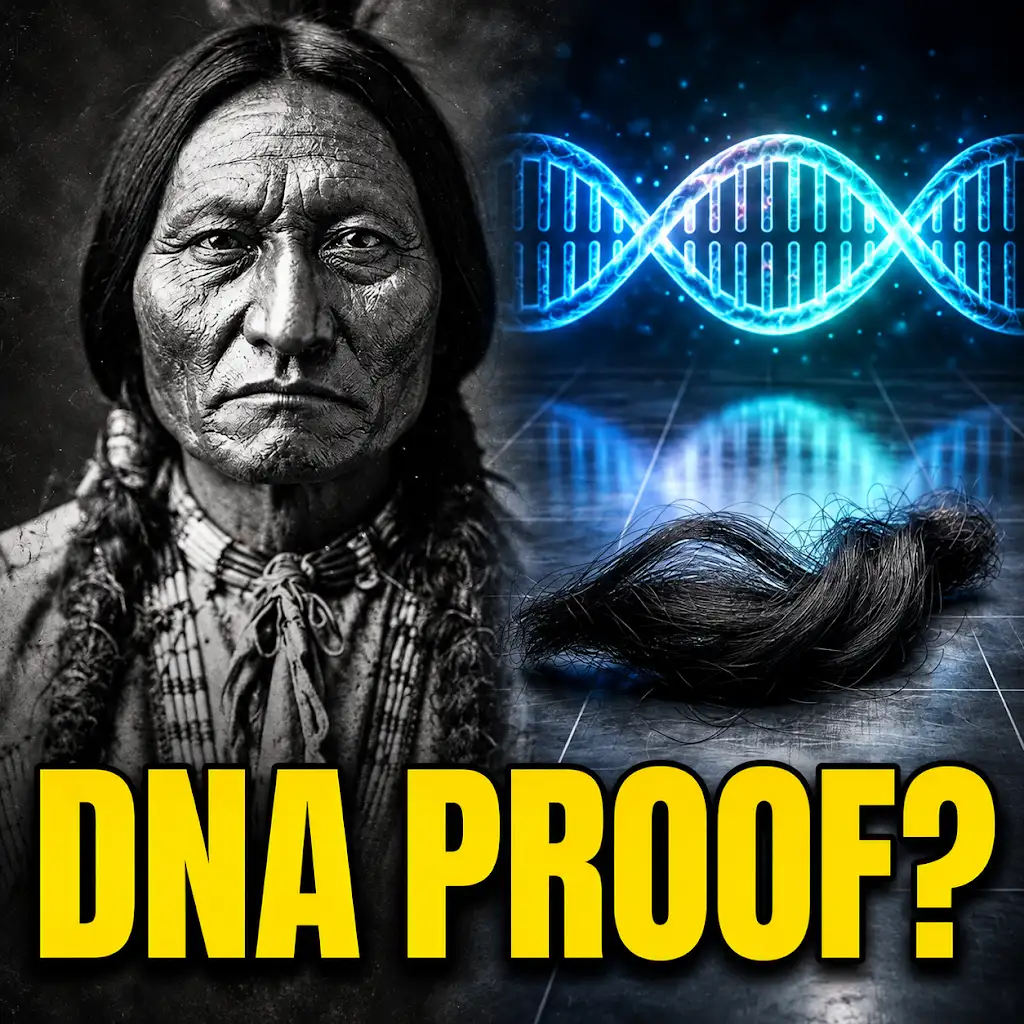
The Sitting Bull DNA Test: What Did It Actually Prove?
FAQs
Can DNA prove someone’s race or ethnicity?
No, DNA cannot definitively determine a person’s race or ethnicity. While certain genetic markers may be more common in specific populations, race and ethnicity are social constructs that cannot be accurately determined through DNA testing.
Can DNA prove someone’s nationality or citizenship?
No, DNA cannot determine a person’s nationality or citizenship. Nationality and citizenship are legal statuses that are not determined by genetic information. DNA testing cannot provide information about a person’s legal status in a country.
Can DNA prove someone’s personality traits or behavior?
No, DNA cannot prove a person’s personality traits or behavior. While there may be some genetic components that influence certain traits, personality is a complex interplay of genetics, environment, and personal experiences that cannot be solely attributed to DNA.
Can DNA prove someone’s religious beliefs or affiliations?
No, DNA cannot prove a person’s religious beliefs or affiliations. Religion is a personal choice and cultural identity that is not determined by genetic information. DNA testing cannot provide insights into a person’s religious beliefs or affiliations.
Can DNA prove someone’s individual identity beyond a doubt?
No, while DNA testing can be highly accurate in identifying individuals, it is not foolproof. There is always a small margin of error in DNA testing, and factors such as sample contamination or human error can impact the results. Therefore, DNA evidence should be considered as part of a broader investigation and not as the sole determinant of individual identity.