
The unexpected revelation that a DNA test confirmed a familial link to a previously unknown great-grandfather can be a profound and life-altering experience. For many, it’s a bridge built across generations, connecting them to a part of their ancestry they might never have imagined existed. This discovery often sparks a deeper curiosity about personal heritage, leading individuals to explore their family tree with renewed vigor and a tangible thread of evidence. The journey of confirming such a relationship is not merely an academic pursuit; it’s an emotional excavation, unearthing stories, and potentially reshaping one’s understanding of self and lineage. This article will delve into the intricacies of how DNA testing can reveal great-grandfather relationships and provide a comprehensive guide on how individuals can embark on their own journey of confirmation.
The Science of Unraveling Ancestry: DNA Testing Explained
At its core, DNA testing for genealogical purposes relies on the remarkable consistency of our genetic makeup and the predictable patterns of its inheritance. Every individual inherits half of their DNA from their mother and half from their father. This DNA is passed down through generations, with each generation inheriting a unique recombination of their parents’ genetic material. Autosomal DNA, which is the most commonly tested type for ancestry, is inherited from all of your ancestors, going back about six to seven generations. This type of DNA is present in all 23 pairs of chromosomes and is therefore the most useful for identifying close and distant relatives.
The process begins with a simple saliva or cheek swab. This sample is then sent to a laboratory where specialized scientists extract the DNA. This raw DNA is then analyzed and compared against massive databases of other individuals who have also taken the same tests. The algorithms used by these companies are designed to identify shared segments of DNA. The longer and more numerous these shared segments are, the closer the genetic relationship is likely to be. For example, sharing a significant portion of DNA is indicative of a sibling or a parent/child relationship. Sharing smaller, but still substantial, segments can point to cousins, grandparents, or aunts and uncles. When it comes to a great-grandfather, the shared DNA segments will be smaller still, but still statistically significant and distinguishable from random matches.
The science extends beyond simply identifying shared DNA. It also involves understanding the concept of genetic ethnicity estimates. These estimates are derived by comparing an individual’s DNA to reference populations from various regions around the world. By analyzing the unique genetic markers present in an individual’s DNA and comparing them to the genetic profiles of people whose ancestors have lived in specific regions for centuries, testing companies can provide an estimated percentage breakdown of ethnic origins. While these ethnicity estimates are fascinating and can offer broad insights into ancestral homelands, they are less precise than the direct relationship predictions, which are based on the actual shared DNA segments rather than broad ethnic patterns.
Understanding Different DNA Test Types
The landscape of genetic genealogy offers several types of DNA tests, each with its own strengths and applications. For the purpose of confirming a great-grandfather relationship, autosomal DNA testing is the most crucial.
Autosomal DNA Testing: The Backbone of Relationship Discovery
Autosomal DNA tests are the workhorse of genetic genealogy and are essential for identifying relationships across multiple branches of the family tree, including those that are more distant. These tests analyze DNA from the 22 pairs of non-sex chromosomes, which are inherited equally from both parents. As a result, autosomal DNA provides a comprehensive view of your ancestry from all sides of your family, going back approximately six to seven generations. When seeking to confirm a connection to a great-grandfather, the autosomal DNA test is paramount because it’s the only test type that will reveal shared DNA with relatives across all your ancestral lines. The percentages of shared DNA can help triangulate potential relationships. For instance, if you match with someone who is also a close match to your parent, it strongly suggests a shared grandparent, and by extension, a potential great-grandparent relationship.
Y-DNA and mtDNA Testing: Specialized Ancestry Trails
While autosomal DNA is vital for broad familial connections, Y-DNA and mitochondrial DNA (mtDNA) tests offer specialized insights into very specific ancestral lines. Y-DNA testing, for instance, focuses on the Y chromosome, which is passed down exclusively from father to son. This means that Y-DNA can only be used to trace the direct paternal line – your father’s father’s father’s father, and so on. If you are male, you can take a Y-DNA test and compare it with other males to see if you share a paternal ancestor. If you are female, you can have a male relative (father, brother, paternal uncle) take the Y-DNA test on your behalf to explore your paternal ancestral line. This could be invaluable if the potential great-grandfather you are investigating is on your paternal side.
Mitochondrial DNA (mtDNA), on the other hand, is inherited from the mother and passed down to all of her children, both male and female. mtDNA traces the direct maternal line – your mother’s mother’s mother’s mother, and so on. Similar to Y-DNA, it provides a very specific ancestral trail. While mtDNA is useful for tracing very ancient maternal lineage and migration patterns, its utility for confirming recent familial relationships like a great-grandfather is limited because the segments of mtDNA shared between individuals can be very small over shorter distances, and it doesn’t pinpoint specific individuals as effectively as autosomal DNA.
If you’re interested in exploring your family history and uncovering connections to your great-grandfather, you might find the process of DNA testing particularly enlightening. Understanding your ancestry can provide insights into your family’s migration patterns and historical context. For a deeper look into how environmental factors influence community migration and relationships, you can read this related article on the topic: Environmental Migration: Understanding the Impact on Communities. This article sheds light on the broader implications of migration, which can be relevant when considering the roots of your own family tree.
Embarking on Your Ancestral Quest: Practical Steps for Confirmation

Discovering a potential great-grandfather relationship through DNA is often just the beginning of a fascinating genealogical journey. The next crucial step is to systematically confirm this link. This involves a multi-pronged approach, combining the insights from your DNA results with traditional genealogical research methods. It’s a process of weaving together genetic clues and historical documents to paint a complete picture of your family history.
The initial step after receiving your DNA results is to thoroughly examine your matches. Most DNA testing services provide a list of individuals with whom you share DNA, along with the estimated amount of DNA you share. For a great-grandfather relationship, you would typically be looking for matches who are classified as second or third cousins, or even closer relatives if the connection is through a more recently deceased ancestor. The key is to look for matches who are also close matches to other known relatives, particularly those on the suspected ancestral line. This “triangulation” of matches is a powerful tool in confirming relationships.
Navigating Your DNA Matches: Identifying Key Connections
Once you have a list of DNA matches, the real detective work begins. The first priority is to identify matches who are also close matches to your parents or grandparents, especially those on the side of the family where the potential great-grandfather connection lies. If you have tested yourself, and your father has also tested, a match who is a close cousin to your father is very likely a relative through your father’s side of the family. Similarly, if your mother has tested, and a match is a close cousin to her, it indicates a connection through your maternal line. This triangulation process is fundamental to isolating the specific branch of the family tree where your potential great-grandfather resides.
It’s also important to note the estimated percentage of shared DNA. For a great-grandfather, you might expect to share approximately 1.56% of your DNA, which translates to roughly 126 centimorgans (cM). However, these figures are averages, and the actual amount can vary. What’s more important is to look at the distribution of shared DNA. If you share multiple smaller segments with an individual, it’s generally a stronger indicator of a common ancestor than sharing one large segment, which could be an artifact or a more distant connection.
The Power of Family Trees and Public Records
While DNA provides the genetic map, traditional genealogical research provides the historical context and documentary evidence. Once you have identified potential relatives through your DNA matches, the next step is to build family trees for these individuals and compare them to your own. Many DNA testing companies allow you to link your DNA results to a family tree. This enables you to visually see how you might be related to your matches. If a DNA match has a public family tree, you can examine it for common ancestors. Look for individuals who lived during the time your potential great-grandfather would have been alive and in the geographical regions where your family originated.
Public records are an indispensable resource. Birth, marriage, and death certificates are goldmines of genealogical information, often listing parents’ names, birthplaces, and occupations. Census records can provide snapshots of family structures at different points in time, including the names and ages of household members. Obituaries and newspaper articles can offer biographical details and connections to other family members. By meticulously searching these records, you can build a documented trail that either confirms or refutes the familial link suggested by your DNA. For instance, if your DNA suggests a link to a particular surname, you can then search for vital records associated with that surname in the relevant time period and location.
Building Your Family Tree: A Step-by-Step Approach

Constructing a comprehensive family tree is a fundamental aspect of genealogical research, and it becomes even more critical when you’re trying to confirm a specific ancestral link, such as that of a great-grandfather. A well-researched family tree not only provides a visual representation of your lineage but also serves as a framework for organizing and interpreting your DNA results and historical documents. It’s a journey of discovery that requires patience, meticulous record-keeping, and a systematic approach.
The process begins with the information you already possess. Start with yourself and work backward. Document your parents’ names, birth dates, and places of birth. Then, gather information about your grandparents, great-grandparents, and so on. Don’t rely solely on memory; try to obtain birth, marriage, and death certificates, as well as family Bibles, letters, and photographs that might contain genealogical data. Interview older relatives; they are often invaluable sources of information, memories, and anecdotal evidence that can point you in the right direction. Record everything you learn, including the source of the information, as this will be crucial for verifying facts later on.
Gathering and Organizing Genealogical Data
Once you have collected the initial information, the next step is to organize it systematically. Many genealogists use specialized software programs or online platforms designed for family tree building. These tools allow you to input names, dates, and locations, and to attach documents and photographs to specific individuals. This digital organization is essential for preventing the loss of information and for easily navigating your growing family tree. When you encounter a DNA match that suggests a potential connection, you can then insert this information into your tree and begin to see where it might fit.
Crucially, every piece of information you add to your family tree should be sourced. Note down where you found the information – whether it was from a vital record, a census document, an interview, or another genealogist’s tree. This sourcing is vital for verifying the accuracy of your research. If a piece of information is not sourced, it is considered unverified. As you build your tree, you will inevitably encounter discrepancies and dead ends. This is a normal part of the process. It requires patience to cross-reference information from multiple sources, resolve conflicting dates, and overcome gaps in historical records.
Utilizing Online Resources and Archives
The digital age has revolutionized genealogical research, making a wealth of resources accessible from the comfort of your home. Numerous websites offer access to vast databases of historical records, including census data, immigration records, military records, and vital records from various countries. Subscription-based services like Ancestry.com, FamilySearch.org (which is free), MyHeritage, and Findmypast provide access to millions of digitized documents and family trees. Many of these platforms also integrate with DNA testing services, allowing you to upload your DNA data and connect with potential relatives who have also used their services.
Beyond these large platforms, there are also specialized archives and websites dedicated to specific regions or types of records. Local historical societies, government archives, and even university libraries often have digitized collections that can be invaluable for in-depth research. When you have a specific surname and geographical area in mind for your potential great-grandfather, searching these more niche resources can often yield unique and insightful information that might not be available on broader platforms. Remember to approach online trees with a degree of caution; while they can provide clues, they are not always accurate and should be independently verified with primary source documents whenever possible.
The Emotional and Psychological Impact of Ancestral Discoveries
The confirmation of a great-grandfather relationship through DNA testing is rarely a purely academic exercise. It is a deeply personal and often emotionally charged experience that can profoundly impact an individual’s sense of identity and belonging. These discoveries can evoke a wide range of emotions, from elation and wonder to surprise and even a sense of loss or confusion. Understanding these potential psychological effects is an important part of navigating the journey of ancestral discovery.
For many, the discovery is a source of immense joy and fulfillment. It can feel like finding a missing piece of a puzzle, a tangible connection to a lineage that was previously unknown. This can lead to a renewed appreciation for one’s heritage and a deeper understanding of the factors that have shaped their family history. It can also foster a sense of connection to a broader human story, placing one’s own existence within a vast tapestry of generations. The stories of these ancestors, once unearthed, can provide inspiration, lessons, and a sense of continuity.
Processing Unexpected Familial Revelations
While positive emotions are common, it’s also important to acknowledge that ancestral discoveries can sometimes bring unexpected or challenging information. The revelation of previously unknown relatives, for example, might come with complex family dynamics or circumstances that were deliberately hidden. It can prompt questions about family secrets, parental identity, and the narratives that have been passed down through generations. It’s not uncommon for individuals to experience a period of adjustment as they integrate this new information into their understanding of their family.
This processing often involves re-evaluating personal narratives and family stories. What was once a clear and simple family tree might now have new branches and unexpected connections. It can be helpful to discuss these findings with trusted friends, family members, or even a therapist, especially if the revelations bring up difficult emotions or unanswered questions. Support groups for genealogists or individuals who have undergone similar DNA discoveries can also provide a valuable space for sharing experiences and gaining insights.
Reconstructing Identity and Belonging
The impact of discovering a great-grandfather relationship can extend to a fundamental re-evaluation of personal identity. For some, it might explain certain inherited traits, talents, or even predispositions that they had always wondered about. It can provide context for cultural traditions or family quirks that were previously unexplained. This newfound understanding can strengthen a sense of belonging, not just to a specific family line, but also to a particular community or historical narrative.
Conversely, for individuals who have struggled with a sense of belonging or a fragmented identity, these discoveries can offer a powerful anchor. The knowledge of a concrete lineage, supported by genetic evidence and historical documentation, can provide a solid foundation upon which to build a more robust self-understanding. It can be a journey of self-discovery that extends far beyond just names and dates, delving into the very essence of who one is and where they come from. The ability to trace one’s ancestry back to a specific individual, like a great-grandfather, can imbue a sense of historical depth and personal significance.
If you’re exploring your family history and considering a DNA test to uncover your great grandfather’s relationship, you might find it interesting to read about how global connections can influence personal stories. For instance, the article on China’s investment in Mexican factories highlights the growing partnerships that shape our world today. You can check it out here to see how these international ties might resonate with your own family’s narrative.
Ethical Considerations and Best Practices in DNA Genealogy
| Metric | Description | Typical Range/Value | Notes |
|---|---|---|---|
| Test Type | Type of DNA test used to establish relationship | Autosomal DNA, Y-DNA, or mtDNA | Y-DNA is often used for direct paternal line testing |
| Shared DNA Percentage | Percentage of DNA shared between individual and great grandfather | 6.25% | On average, great-grandparents share about 6.25% DNA with their great-grandchildren |
| Centimorgans (cM) Shared | Amount of shared DNA measured in centimorgans | 220 – 340 cM | Ranges vary due to recombination and inheritance patterns |
| Probability of Relationship | Likelihood that the tested relationship is accurate | 95% – 99.9% | Depends on test quality and number of markers analyzed |
| Markers Tested | Number of genetic markers analyzed in the test | 20 – 111 STR markers (for Y-DNA) | Higher marker count increases accuracy |
| Test Turnaround Time | Time taken to receive results | 2 – 6 weeks | Varies by testing company and test type |
| Sample Type | Biological sample required for testing | Cheek swab or saliva | Non-invasive and easy to collect |
As the field of DNA genealogy continues to expand, it is crucial to approach the practice with a strong sense of ethical responsibility. The information gleaned from DNA testing can be incredibly powerful, but it also carries significant implications for privacy, consent, and the potential for causing distress. Adhering to ethical guidelines ensures that these discoveries are made in a respectful and responsible manner.
One of the most significant ethical considerations revolves around privacy and consent. When you submit your DNA to a testing company, you are consenting to its use for genealogical purposes. However, it is important to understand how your data is stored and who might have access to it. Most reputable companies have clear privacy policies, but it is always advisable to read them carefully. Furthermore, when you discover new relatives through DNA testing, it is crucial to approach them with respect and sensitivity. Not everyone may be comfortable with their genetic information being shared or with unexpected contact from distant relatives. Always seek consent before sharing their information or attempting to build a relationship.
Respecting Privacy and Data Security
The security of your genetic data is paramount. Reputable DNA testing companies employ robust security measures to protect your information from unauthorized access. However, it is wise to be aware of the potential risks associated with sharing any personal data online. Consider the terms of service of the DNA testing company you choose and understand their policies regarding data retention and potential sharing with third parties (even if anonymized). Some individuals choose to only upload their raw DNA data to platforms that offer greater control over privacy settings.
When you make a discovery that links you to a new relative, it is imperative to be considerate of their privacy. If a DNA match has not publicly shared their family tree or contact information, it is best to reach out gently and respectfully. Avoid bombarding them with information or demands. Start by introducing yourself and explaining how you believe you are related, allowing them to decide how much they wish to share. Never share their DNA match information or personal details with others without their explicit consent. This holds true for any sensitive information you might uncover during your genealogical research.
Navigating Sensitive Discoveries and Family Secrets
The pursuit of ancestry can sometimes uncover sensitive information, such as previously unknown adoptions, infidelity, or other family secrets. These discoveries can be emotionally challenging for everyone involved. It is important to approach such situations with empathy and discretion. If you uncover information that might be upsetting to living relatives, consider the impact of revealing it. Sometimes, the best course of action is to maintain discretion, especially if the information could cause significant distress or conflict within the family.
If you are a genealogist who has uncovered sensitive information about a living individual through DNA testing or documentary research, consider the ethical implications of disclosing that information. It is often advisable to speak with the individual directly and allow them to decide how they wish to proceed. If the information is about someone deceased, the ethical considerations are different, but it is still important to be mindful of how such revelations might impact living family members. The goal of genealogy should be to understand and connect, not to disrupt or cause harm.
The Importance of Consent in Community Research
When participating in collaborative genealogical projects or sharing your findings within online communities, consent is a critical ethical principle. If you are working with other researchers or sharing information from your family tree, ensure that everyone involved is aware of and agrees to the terms of data sharing. This is particularly important when dealing with sensitive personal information or when the research might involve living individuals. By prioritizing consent and open communication, you contribute to a more ethical and trustworthy genealogical community. This collaborative spirit, when guided by ethical principles, can accelerate discoveries and enrich the collective understanding of our shared human history.
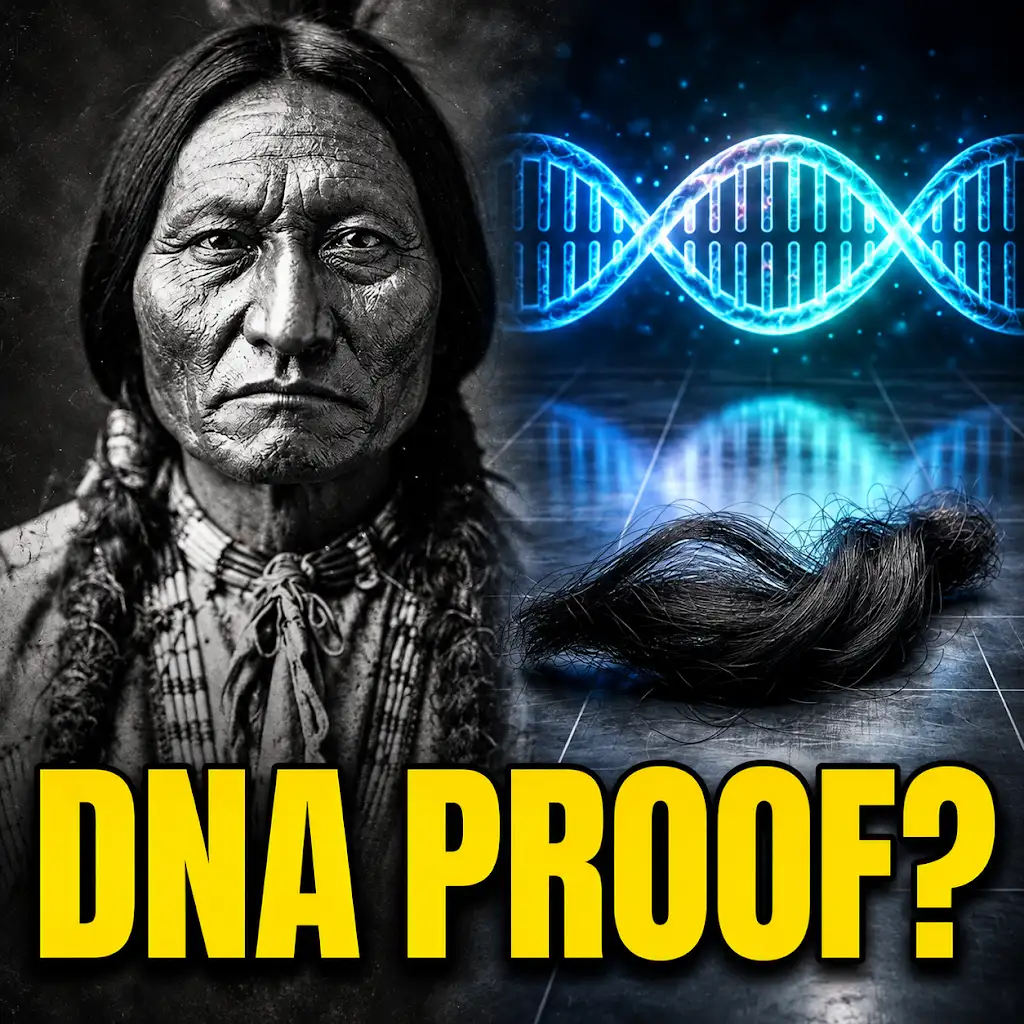
The Sitting Bull DNA Test: What Did It Actually Prove?
FAQs
1. Can a DNA test determine if someone is my great grandfather?
Yes, a DNA test can help determine if someone is your great grandfather by comparing your DNA to that of other known relatives and analyzing the genetic markers that are passed down through generations.
2. How accurate are DNA tests in determining a great grandfather relationship?
DNA tests are highly accurate in determining a great grandfather relationship. The results are based on scientific analysis of genetic markers and can provide a clear indication of the likelihood of a biological connection.
3. What type of DNA test is typically used to establish a great grandfather relationship?
The most common type of DNA test used to establish a great grandfather relationship is the autosomal DNA test. This test looks at the DNA that is inherited from both parents and can provide information about relationships up to 5 generations back.
4. How long does it take to get the results of a DNA test for a great grandfather relationship?
The time it takes to get the results of a DNA test for a great grandfather relationship can vary, but it typically ranges from a few days to a few weeks. Some testing companies offer expedited processing for an additional fee.
5. Can a DNA test for a great grandfather relationship be done without the great grandfather’s DNA sample?
Yes, a DNA test for a great grandfather relationship can still be done without the great grandfather’s DNA sample. By comparing your DNA to that of other relatives who are descendants of the great grandfather, it is still possible to determine the likelihood of a biological connection.