The Invisible Thread: How DNA Connects Generations
The journey of inherited DNA is a profound and intricate saga, a silent narrative woven into the very fabric of our being. From the earliest stirrings of life to the unique individual standing here today, this genetic legacy has traveled across millennia, carrying with it the whispers of ancestral lives, adaptations, and migrations. It is an invisible thread, connecting us not just to our immediate parents and grandparents, but to a vast tapestry of humanity stretching back to the dawn of our species. Understanding this journey is to understand a fundamental aspect of ourselves, a deeper connection to the past that informs our present and shapes our future.
At its core, DNA, or deoxyribonucleic acid, is the biological blueprint for life. It’s a complex molecule composed of a double helix structure, where sequences of four nucleotide bases – adenine (A), guanine (G), cytosine (C), and thymine (T) – encode the instructions for building and operating an organism. These sequences, vast and intricate, are passed down from one generation to the next. While most of our DNA is identical to every other human, it is the subtle variations within these sequences, the SNPs (single nucleotide polymorphisms), and the patterns of these variations that reveal our unique genetic fingerprint and our ancestral story. The inheritance of this genetic material is not a simple photocopy; it’s a dynamic process of recombination and selection, ensuring both continuity and diversity.
Recent studies have shed light on the fascinating ways in which inherited DNA from our ancestors can reveal insights into our genetic makeup and historical lineage. For those interested in exploring the connections between our genetic heritage and ancient civilizations, a related article discusses the intriguing secrets of Antarctica before the ice age, offering a glimpse into how our ancestors may have interacted with their environment. You can read more about this captivating topic in the article found here: Antarctica Pre-Ice Age Secrets.
Unraveling the Genetic Tapestry: The Mechanics of Inheritance
The transmission of DNA from parents to offspring is a marvel of biological engineering, a testament to the enduring power of evolution. Each individual receives a unique combination of genetic material from their mother and father, a fusion that creates a new entity with a distinct genetic makeup. This process is far from a simple merging; it involves intricate mechanisms that ensure genetic diversity and the continuous evolution of our species.
The Dance of Chromosomes: Meiosis and Recombination
The fundamental units of inheritance are chromosomes, rod-shaped structures found within the nucleus of cells, each carrying a specific set of genes. Humans typically have 23 pairs of chromosomes, with one chromosome from each pair inherited from the mother and the other from the father. The creation of reproductive cells – sperm in males and eggs in females – is a specialized form of cell division called meiosis. This process is crucial for halving the chromosome number, ensuring that when sperm and egg fuse during fertilization, the resulting zygote has the correct complement of 46 chromosomes.
During meiosis, a remarkable event called homologous recombination, or crossing over, takes place. In this process, homologous chromosomes – those carrying the same genes – physically exchange segments of DNA. This shuffling of genetic material between parental chromosomes ensures that the resulting gametes (sperm or egg) are genetically unique. Imagine two decks of cards, one representing the maternal chromosome and the other the paternal. During crossing over, sections of these decks are swapped, creating new combinations of genes on each card. This is why siblings, though sharing both parents, are not genetically identical (except for identical twins, who arise from a single fertilized egg that splits). This constant reshuffling is a primary driver of genetic variation within a population, providing the raw material for natural selection to act upon.
The Maternal Gift: Mitochondrial DNA’s Unique Lineage
While the majority of our DNA resides in the nucleus of our cells and is inherited biparentally, there is another crucial component: mitochondrial DNA (mtDNA). Mitochondria are the powerhouses of the cell, responsible for generating energy. They possess their own small, circular DNA molecule, which is almost exclusively inherited from the mother. This is because the egg cell contributes the vast majority of the cytoplasm, including mitochondria, to the zygote, while the sperm’s contribution of mitochondria is typically negligible.
mtDNA’s maternal inheritance pattern makes it an invaluable tool for tracing ancestral lineages, particularly on the maternal side. Unlike nuclear DNA, which undergoes recombination, mtDNA is passed down relatively intact. This means that by examining variations in mtDNA, scientists can trace a maternal line back through generations with a high degree of certainty. Mutations in mtDNA occur at a relatively predictable rate, allowing for the construction of phylogenetic trees that depict the evolutionary relationships between different populations. This has been instrumental in understanding human migration patterns and the deep history of our species, confirming, for example, the “Out of Africa” theory of human origins.
Paternal Echoes: The Y-Chromosome’s Straight Path
Complementing the maternal lineage traced by mtDNA, the Y-chromosome offers a distinct pathway for tracing paternal ancestry. The Y-chromosome is one of the sex chromosomes, and it is present only in individuals with male biological sex. It is passed down directly from father to son, with very little recombination occurring with other chromosomes. This makes the Y-chromosome a direct marker of the paternal lineage.
Similar to mtDNA, the Y-chromosome accumulates mutations over time, and these changes can be used to identify distinct haplogroups, or groups of individuals who share a common paternal ancestor. By analyzing Y-chromosome DNA, researchers can reconstruct migration routes of ancient populations, identify distant paternal relatives, and gain insights into the history of male lineages. The Y-chromosome, therefore, provides a complementary perspective to mtDNA, allowing for a more comprehensive understanding of human genetic history by tracing both the maternal and paternal lines independently.
The Ancestral Map: Uncovering Journeys Through Time
Our DNA doesn’t just reside within us; it carries the echoes of ancient journeys, a genetic atlas that charts the migrations and interactions of our ancestors across continents and millennia. The study of population genetics, fueled by advancements in DNA sequencing and analysis, has revolutionized our understanding of human history, revealing intricate patterns of movement, intermingling, and adaptation.
Decoding Migrations: Following the Genetic Footprints
For tens of thousands of years, humans have been a nomadic species, driven by curiosity, resource availability, and environmental changes. These migrations left indelible marks on our genetic landscape. By analyzing the frequency and distribution of specific genetic markers – particular variations in DNA sequences – in different populations around the world, scientists can reconstruct the paths our ancestors took.
For instance, the study of mtDNA haplogroups has provided strong evidence for the “Out of Africa” hypothesis, suggesting that modern humans originated in Africa and subsequently migrated outwards, populating the rest of the globe. Different mtDNA haplogroups are found in distinct geographic regions, each representing a distinct branch of this ancient migration. Similarly, Y-chromosome analysis has illuminated the spread of patrilineal lines across continents, revealing how groups of men traveled and established new settlements.
The arrival of humans in the Americas, for example, is a story meticulously pieced together through genetic evidence. Studies of indigenous American populations reveal distinct mtDNA and Y-chromosome haplogroups that point to a common ancestral origin and specific migration routes across the Bering Strait. The timing of these migrations, the number of founding individuals, and subsequent population movements within the Americas are all subjects of ongoing research, constantly refined by new genetic data.
Encounters and Exchanges: The Legacy of Intermingling
Human history is not just a story of separate migrations but also of encounters, interactions, and intermingling between different groups. As populations spread and encountered each other, genetic exchange occurred, leaving a complex legacy in our DNA. These genetic admixtures can reveal fascinating details about historical relationships, trade routes, and even conflicts.
One of the most compelling examples of this is the presence of Neanderthal DNA in the genomes of non-African populations. For a long time, it was believed that early modern humans had completely replaced Neanderthals. However, genetic studies have revealed that as Homo sapiens migrated out of Africa and encountered Neanderthals in Eurasia, interbreeding occurred. This ancient admixture means that many people of European and Asian descent carry a small percentage of Neanderthal DNA. This DNA, though a small fraction, is not inert; it has been linked to various traits, including immune responses and even hair and skin color.
Similarly, the genomes of populations in South Asia show evidence of admixture with Denisovans, another extinct hominin species. The discovery of Denisovan DNA in the genomes of people from Melanesia and Southeast Asia suggests a more complex picture of ancient hominin interactions and interbreeding events across different regions. These discoveries underscore the fact that human evolution was not a linear progression but a dynamic process of interaction and exchange between different hominin groups.
Adaptation’s Imprint: Genes Shaped by Environment
Over millennia, as humans spread across diverse environments, their bodies and metabolisms adapted to the unique challenges and opportunities presented by each locale. These adaptations are etched into our DNA, providing a window into the selective pressures faced by our ancestors.
Consider the ability to digest lactose, the sugar found in milk. While many adult populations around the world are lactose intolerant, a significant portion of individuals in populations historically associated with dairy farming, particularly in Northern Europe, possess genetic mutations that allow them to digest lactose into adulthood. This lactase persistence is a classic example of recent human adaptation, driven by the selective advantage of being able to utilize milk as a nutrient source.
Another example is skin pigmentation. The varying shades of human skin color are largely a response to differing levels of ultraviolet (UV) radiation across the globe. In regions with high UV radiation, darker skin pigmentation evolved to protect against folate degradation, which is essential for reproduction. Conversely, in regions with lower UV radiation, lighter skin evolved to facilitate vitamin D synthesis, which requires UV exposure. These adaptations are the result of natural selection acting on genetic variations, shaping our physical traits over vast stretches of time.
Personalizing the Past: Genetic Ancestry Testing
In recent decades, the ability to access and analyze our own DNA has opened up unprecedented avenues for personal exploration of our heritage. Genetic ancestry testing, once the realm of specialized scientific research, is now readily available to the public, allowing individuals to connect with their ancestral roots in tangible and often surprising ways.
The Technology Behind the Results: How It Works
Commercial genetic ancestry tests typically utilize microarray technology to analyze hundreds of thousands of single nucleotide polymorphisms (SNPs) across an individual’s genome. SNPs are common variations in DNA sequences that occur at a specific position. By comparing an individual’s SNP profile to vast reference databases containing the genetic information of populations from around the world, these services can estimate the proportion of ancestry that an individual has from different geographic regions.
The process begins with a simple saliva or cheek swab. The collected DNA is then sent to a laboratory for analysis. Sophisticated algorithms analyze the patterns of SNPs, looking for segments of DNA that are more common in certain populations than others. These algorithms are constantly being refined as more reference data becomes available, leading to increasingly accurate and nuanced ancestry breakdowns. It’s important to understand that these tests provide probabilities and estimations, not absolute certainties. The reference databases are crucial, and their comprehensiveness directly impacts the accuracy of the results.
Unveiling Haplogroups and Migrations: Tracing Your Lineage
Beyond broad regional estimates, genetic ancestry tests can also delve into specific paternal (Y-chromosome) and maternal (mtDNA) haplogroups. These haplogroups represent branches on the human family tree that are defined by specific sets of genetic mutations. By identifying an individual’s haplogroup, the test can provide insights into the ancient migration paths of their direct maternal or paternal ancestors.
For example, a maternal haplogroup might indicate that an individual’s maternal lineage originated in East Africa, migrated through the Middle East, and eventually settled in Europe. Similarly, a paternal haplogroup might trace a father’s paternal line back to the steppes of Central Asia. These haplogroup assignments offer a more focused narrative of ancestral journeys, connecting individuals to specific historical movements and populations. While these tests only trace the direct line of descent, they provide a compelling glimpse into the grand narratives of human migration that shaped our ancestral populations.
Beyond the Numbers: Emotional and Social Implications
The results of genetic ancestry tests can evoke a wide range of emotions and have significant social implications. For many, discovering a connection to distant lands or previously unknown ethnic groups can be a deeply moving experience, fostering a sense of belonging and enriching their understanding of their identity. It can spark a desire to learn more about the history, culture, and traditions of these ancestral regions.
However, the results can also be surprising, challenging pre-existing notions about one’s heritage. Discovering unexpected ancestral components can lead to a re-evaluation of personal identity and family narratives. In some cases, the results might reveal connections to groups with whom there is historical tension or conflict, prompting reflection and dialogue. Furthermore, the growing accessibility of this technology has led to increased discussions about privacy, data security, and the ethical considerations of genetic information. The ability to connect with previously unknown relatives through these services also opens up possibilities for forming new relationships and understanding family dynamics in novel ways.
Recent studies have shed light on how inherited DNA from our ancestors influences not only our physical traits but also our susceptibility to certain diseases. This fascinating connection between genetics and health is explored in depth in a related article that delves into the complexities of geomorphology and its impact on human evolution. For those interested in understanding these intricate relationships, you can read more about it in this insightful piece on geomorphology.
The Living Legacy: DNA’s Influence on the Present and Future
| Ancestor Generation | Approximate Years Ago | Percentage of DNA Inherited | Number of Ancestors at This Generation | Notes |
|---|---|---|---|---|
| Parents | 0-30 years | 50% | 2 | Direct parents contribute half of your DNA each |
| Grandparents | 30-60 years | 25% | 4 | Each grandparent contributes roughly a quarter |
| Great-Grandparents | 60-90 years | 12.5% | 8 | DNA contribution halves each generation |
| 2nd Great-Grandparents | 90-120 years | 6.25% | 16 | Genetic contribution becomes more diluted |
| 3rd Great-Grandparents | 120-150 years | 3.125% | 32 | Small but measurable DNA segments may remain |
| 4th Great-Grandparents | 150-180 years | 1.56% | 64 | Some DNA may be lost due to recombination |
The DNA we inherit is not merely a relic of the past; it is a living, breathing blueprint that continues to influence our health, traits, and even our behavior in the present day. Moreover, the ongoing study of our genetic inheritance holds immense promise for shaping our future, from advancements in medicine to a deeper understanding of human diversity.
Health and Predispositions: Genes at Work in Our Bodies
The sequences of DNA we inherit encode the instructions for virtually every aspect of our physiology. Variations in these genes can influence our susceptibility to certain diseases, our response to medications, and even our predisposition to specific physical and behavioral traits. For instance, genetic variations have been linked to an increased risk of developing conditions like cardiovascular disease, certain types of cancer, and neurodegenerative disorders.
Understanding these genetic predispositions is becoming increasingly important in the field of personalized medicine. By identifying an individual’s genetic risk factors, healthcare professionals can implement targeted preventive strategies, recommend specific screening protocols, and tailor treatment plans for maximum efficacy and minimal side effects. Pharmacogenomics, the study of how genes affect a person’s response to drugs, is a rapidly growing field that aims to optimize drug therapy based on an individual’s genetic makeup. This personalized approach promises to revolutionize healthcare, moving away from a one-size-fits-all model to one that is highly individualized and proactive.
The Continuum of Traits: From Physical Appearance to Behavior
Beyond health, our inherited DNA also plays a significant role in shaping a wide array of observable traits. These range from the obvious, such as eye color, hair texture, and height, to more complex characteristics that are influenced by a combination of genetic and environmental factors. While the direct influence of specific genes on traits like intelligence or personality is a subject of ongoing scientific debate and research, it is undeniable that our genetic inheritance provides the foundational framework upon which our experiences and environments build.
The study of epigenetics, which examines how environmental factors can influence gene expression without altering the underlying DNA sequence, further highlights the dynamic interplay between our inherited genes and our lived experiences. This means that while we inherit a genetic potential, how that potential is expressed can be modified by diet, lifestyle, stress, and other external factors throughout our lives. This complex interplay underscores the nuanced nature of human development and the continuous evolution of our individual selves.
Shaping the Future: Genomics and Human Understanding
The ongoing exploration of our inherited DNA holds immense potential for advancing human knowledge and well-being. As genomic technologies become more sophisticated and accessible, our ability to understand the complexities of human biology and evolution will continue to expand. This knowledge can be leveraged to address global health challenges, develop innovative therapies, and foster a greater appreciation for the diversity of the human species.
The field of genomics is at the forefront of this endeavor. By sequencing and analyzing entire genomes, scientists are uncovering new genes associated with diseases, identifying novel therapeutic targets, and gaining a deeper understanding of the evolutionary history of our species. Furthermore, the increasing focus on diversity in genomic research is crucial for ensuring that the benefits of these advancements are accessible to all populations, not just those historically well-represented in genetic databases. The journey of inherited DNA is far from over; it is a continuous story of discovery, shaping our understanding of who we are and where we come from, while simultaneously paving the way for a healthier and more informed future.
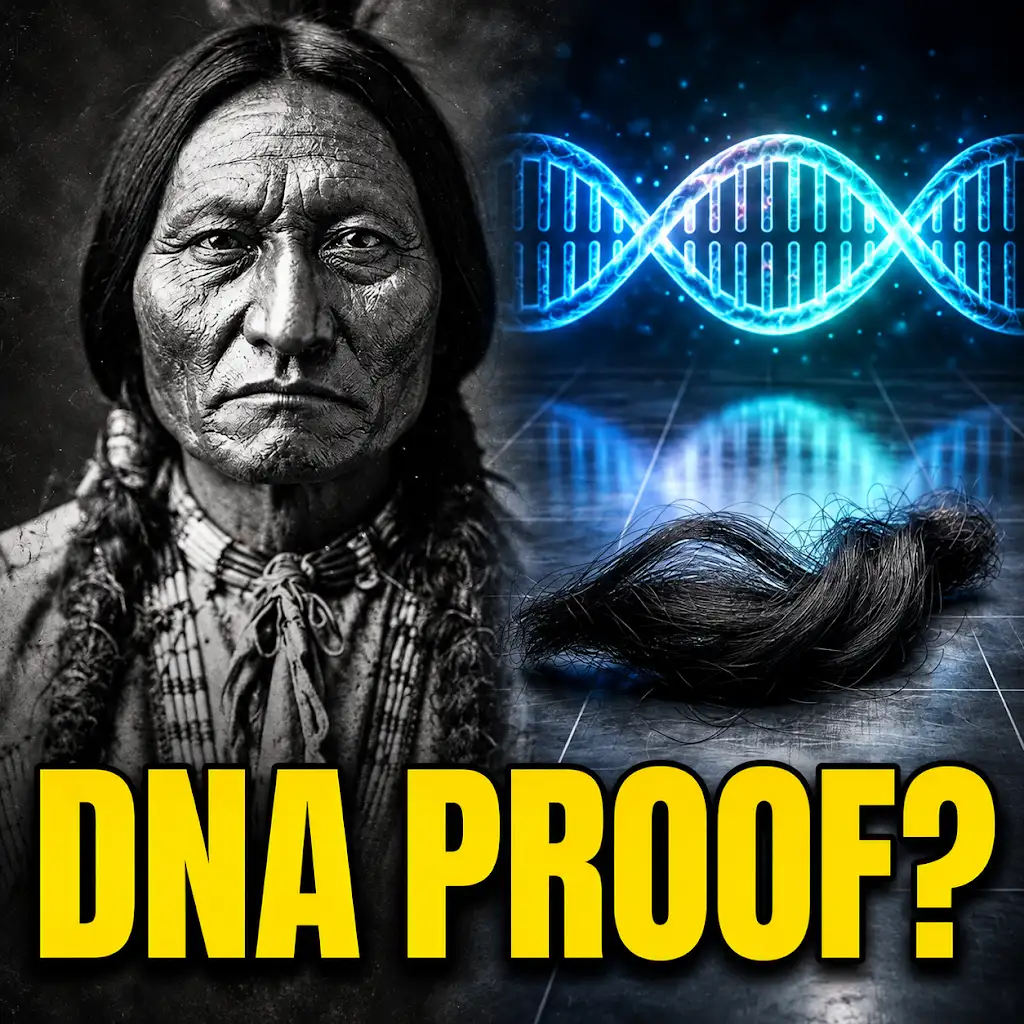
The Sitting Bull DNA Test: What Did It Actually Prove?
FAQs
1. Can we inherit DNA from our ancestors?
Yes, we inherit half of our DNA from our biological mother and half from our biological father, which includes genetic material passed down from our ancestors.
2. How far back can we trace inherited DNA from ancestors?
We can trace inherited DNA from ancestors back several generations, as genetic material is passed down from parents to children and so on, creating a genetic link to our ancestors.
3. What role does inherited DNA play in determining our traits?
Inherited DNA plays a significant role in determining our physical traits, such as eye color, hair color, height, and susceptibility to certain diseases, as these traits are influenced by our genetic makeup inherited from ancestors.
4. Can inherited DNA impact our health and predisposition to diseases?
Yes, inherited DNA can impact our health and predisposition to diseases, as certain genetic variations passed down from ancestors can increase the risk of developing specific health conditions or influence how our bodies respond to treatments.
5. Is it possible to learn more about our ancestry through inherited DNA?
Yes, it is possible to learn more about our ancestry through inherited DNA by using genetic testing services that analyze our DNA to provide information about our ethnic background, genetic relatives, and migration patterns of our ancestors.