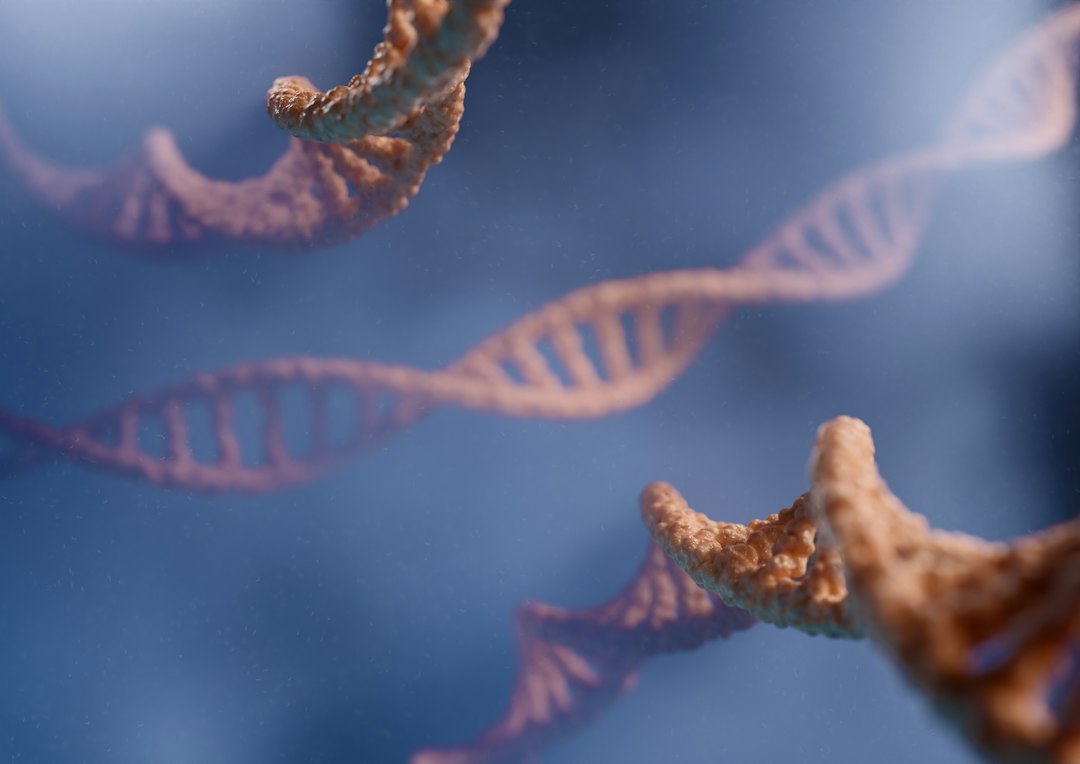
The Dance of Genes: Recombination’s Enduring Influence
The continuity of life, a grand tapestry woven across countless generations, owes much of its vibrancy and resilience to a fundamental biological process: genetic recombination. Far from a mere shuffling of existing traits, recombination is a dynamic engine that actively reshapes the genetic landscape, generating novel combinations of alleles and driving evolutionary adaptation. It is a constant, intricate dance between parental chromosomes, orchestrated during sexual reproduction, that ensures each offspring inherits a unique genetic blueprint. This article delves into the profound impact of recombination across generations, exploring how this molecular mechanism underpins the generation and maintenance of genetic diversity, the bedrock upon which all life evolves. From the microscopic choreography within cells to the macroscopic patterns of species adaptation, recombination’s influence is pervasive and indispensable.
Recombination across generations plays a crucial role in genetic diversity and evolution, as it allows for the mixing of genetic material and the emergence of new traits. For a deeper understanding of how innovative technologies can enhance resource utilization in various fields, you might find the article on maximizing resources with ISRU technology insightful. It discusses the potential of in-situ resource utilization in optimizing resource management, which can be related to the broader themes of adaptation and evolution. You can read the article here: Maximizing Resources with ISRU Technology.
The Molecular Mechanics of Genetic Exchange
At its core, genetic recombination is a process of breaking and rejoining DNA segments. In eukaryotes, this process is most prominently observed during meiosis, the specialized cell division that produces gametes (sperm and egg cells). The key event is known as crossing over, which occurs during prophase I of meiosis. Here, homologous chromosomes, one inherited from each parent, pair up tightly. These paired chromosomes, called bivalents, then undergo a remarkable physical exchange of genetic material.
Chromosomal Pairing and Synaptonemal Complex Formation
The initial step of recombination involves the precise alignment of homologous chromosomes. This alignment is facilitated by a protein structure known as the synaptonemal complex. This elaborate protein scaffold acts like a zipper, holding the homologous chromosomes in close approximation. Within the synaptonemal complex, regions of non-sister chromatids (one chromatid from each homologous chromosome) become closely aligned, creating the opportune environment for breakage and exchange. The synaptonemal complex is not merely a passive scaffold; it actively participates in mediating the interactions between homologous chromosomes, ensuring that recombination occurs accurately between corresponding genetic loci. The formation of this complex is a highly regulated process, initiated by programmed DNA double-strand breaks.
The Critical Role of DNA Double-Strand Breaks
The initiation of recombination is signaled by programmed double-strand breaks (DSBs) in the DNA. These breaks are deliberately introduced by specialized enzymes called topoisomerases and Spo11. This targeted breakage is crucial because it creates the necessary broken ends that can then engage in the strand invasion and exchange process. Without these initial breaks, the DNA molecules would not be able to physically exchange segments. The number and distribution of these DSBs are carefully controlled, as excessive or misplaced breaks could lead to chromosomal abnormalities and cellular dysfunction. The precise timing and location of DSB formation are therefore critical for the successful execution of recombination.
Strand Invasion and the Formation of Chiasmata
Following the DSBs, the broken DNA ends are processed to create single-stranded overhangs. These overhangs then engage in a process called strand invasion, where one of the single strands from a broken chromatid searches for and pairs with its complementary sequence on the intact homologous chromosome. This strand invasion is mediated by specialized proteins, including Rad51 and Dmc1, which facilitate the search for homology and the displacement of the intact DNA strand. This critical step leads to the formation of a Holliday junction, a cross-shaped structure where the DNA strands from the two homologous chromosomes are intertwined. The visible manifestation of these Holliday junctions after further processing and resolution are the chiasmata, the physical links between homologous chromosomes that can be observed under a microscope during meiosis. Each chiasma represents a point where genetic material has been exchanged.
Resolution of Holliday Junctions: Crossovers and Non-Crossovers
The Holliday junctions formed during recombination must be resolved to separate the homologous chromosomes. This resolution can occur in two ways, leading to either a crossover or a non-crossover product. In a crossover event, the strands are cut and rejoined in such a way that the segments of the chromosomes distal to the chiasma are exchanged between the homologous chromosomes. This results in a reshuffling of alleles between the parental chromosomes. In contrast, a non-crossover event resolves the Holliday junction without the reciprocal exchange of chromosomal segments. While non-crossover events can still lead to gene conversion (the transfer of genetic information from one DNA molecule to another), crossovers are the primary drivers of new allele combinations on chromosomes. The relative frequency of crossover versus non-crossover events is influenced by various factors, including chromosomal location and sequence context.
Generating Novel Allele Combinations: The Engine of Variation
The primary consequence of recombination, particularly crossing over, is the generation of new combinations of alleles on chromosomes. Before recombination, an individual’s chromosomes carry parental combinations of alleles. For instance, if a parent has an allele for blue eyes on one chromosome and an allele for brown hair on the same chromosome, and a different set of alleles on the homologous chromosome, recombination can break these associations.
Breaking Linkage Disequilibrium
Genes located close to each other on the same chromosome are said to be linked. In the absence of recombination, these linked genes tend to be inherited together. Recombination, by physically exchanging segments between homologous chromosomes, breaks these linkage groups. This process is crucial for breaking down linkage disequilibrium, a statistical non-random association between alleles at different loci. By separating alleles that were previously linked, recombination allows for their independent assortment in future generations, greatly expanding the pool of possible genetic combinations. This means that a desirable trait that was originally coupled with an undesirable one can be separated, or vice versa, offering greater evolutionary flexibility.
Shuffling Alleles Within and Between Genes
Recombination doesn’t just shuffle alleles at different genetic loci; it can also generate novel alleles within genes through a process called gene conversion, which can occur during non-crossover recombination events. Furthermore, crossing over can effectively shuffle alleles that reside on different homologous chromosomes. Consider an individual who inherited a chromosome with allele A and allele B from one parent, and a homologous chromosome with allele a and allele b from the other. Without recombination, these combinations (AB and ab) would be passed on as units. However, if a crossover occurs between the loci of genes A/a and B/b, the resulting chromosomes could carry combinations like Ab and aB. This is a fundamental mechanism for creating genetic diversity.
Increasing the Potential for Adaptation
The continuous generation of novel allele combinations is the raw material for natural selection. When environmental pressures change, populations with a greater diversity of genetic combinations are more likely to possess individuals with traits that are advantageous in the new environment. These individuals are more likely to survive and reproduce, passing on their beneficial gene combinations to the next generation. Recombination ensures that evolution has a vast palette of genetic variation to draw from, allowing species to adapt to a perpetually changing world. Without the constant innovation brought about by recombination, evolutionary progress would be significantly hampered.
Recombination’s Impact on Evolutionary Trajectories
The genetic variation generated by recombination is not just a passive byproduct of reproduction; it actively shapes the trajectory of evolution. By influencing the rate and pattern of evolutionary change, recombination plays a crucial role in speciation, adaptation, and the maintenance of genetic diversity within populations.
Facilitating Speciation and Reproductive Isolation
Recombination can contribute to the divergence of populations, a key step in the process of speciation. As populations become geographically isolated or adapt to different ecological niches, the types of alleles present and the selective pressures acting upon them can differ. Recombination within these diverging populations will generate distinct sets of novel allele combinations. Over time, these differences in genetic makeup, amplified by recombination and selection, can lead to the evolution of reproductive isolation, where individuals from different populations can no longer interbreed successfully. The unique combinations of genes that arise through recombination can contribute to the development of distinct mating behaviors, physiological incompatibilities, or developmental differences that prevent gene flow between nascent species.
Accelerating Adaptation to Environmental Change
The ability of a species to adapt to changing environments is directly linked to the genetic variation available within its population. Recombination acts as an accelerator of adaptation by rapidly creating new combinations of beneficial alleles. If a new disease emerges or the climate shifts, a population that can quickly generate individuals with resistance or tolerance through recombination has a significant survival advantage. This is particularly true for complex traits that are influenced by multiple genes. Recombination can bring together favorable alleles at different loci, creating synergistic effects that lead to a more robust adaptive response.
Maintaining Genetic Diversity in Large Populations
In large, sexually reproducing populations, recombination is a powerful force for maintaining genetic diversity. While mutation is the ultimate source of new genetic variation, recombination shuffles and redistributes these variations, preventing them from becoming fixed too rapidly. Without recombination, favorable mutations could quickly spread through a population, and unfavorable mutations could also accumulate. Recombination, by creating new combinations, ensures that a wider range of alleles persists, allowing for a more resilient population that can respond to future challenges. The constant shuffling of alleles means that even in the face of strong selection, rare beneficial alleles are less likely to be lost simply due to chance.
Recombination across generations plays a crucial role in the evolution of species, influencing genetic diversity and adaptation. For a deeper understanding of how power dynamics and knowledge have shaped societal structures throughout history, you might find it interesting to explore this related article on ancient elites and their control over resources and information. This connection highlights the interplay between genetic variation and social hierarchies, illustrating how both can impact the trajectory of development in various contexts. You can read more about it in the article here.
The Evolutionary Significance of Recombination Rates
| Generation | Recombination Rate (cM/Mb) | Number of Crossovers per Meiosis | Percentage of Genome Recombined (%) | Average Segment Length (Mb) |
|---|---|---|---|---|
| 1 | 1.2 | 40 | 50 | 25 |
| 2 | 1.2 | 40 | 75 | 12.5 |
| 3 | 1.2 | 40 | 87.5 | 6.25 |
| 4 | 1.2 | 40 | 93.75 | 3.13 |
| 5 | 1.2 | 40 | 96.88 | 1.56 |
The rate at which recombination occurs is not uniform across all genomes or all regions of a chromosome. This variation in recombination rates has profound evolutionary implications, influencing gene evolution, the efficiency of selection, and the overall structure of genomes.
Chromosomal Regions with High and Low Recombination
Certain chromosomal regions tend to exhibit higher rates of recombination than others. Telomeres (the ends of chromosomes) and centromeres (the constricted regions that play a role in chromosome segregation) are often recombination “deserts,” with low rates of crossing over. Conversely, regions between genes, or intergenic regions, can sometimes be hotspots for recombination. The distribution of recombination hotspots and coldspots is influenced by various factors, including DNA sequence composition, the presence of specific regulatory elements, and the organization of chromatin. These variations in recombination frequency can lead to different evolutionary pressures acting on genes located in these regions.
Implications for Selection and Adaptation
Regions with high recombination rates are more permeable to the shuffling of alleles. This means that beneficial mutations that arise in such regions can be rapidly combined with other favorable mutations present elsewhere on the chromosome, accelerating the process of adaptation. Conversely, in regions with low recombination, alleles tend to be inherited together as blocks. This can lead to a phenomenon known as selective sweep, where a beneficial mutation sweeps through the population, dragging along linked neutral or even slightly deleterious alleles. This can reduce the overall genetic diversity in regions of low recombination. Understanding recombination rates is therefore crucial for understanding how selection operates across the genome and how adaptation occurs.
Genome Evolution and Chromosomal Structure
The patterns of recombination can also influence the evolution of genome structure itself. For instance, regions with very low recombination might be more prone to chromosomal rearrangements, such as inversions or translocations, as the lack of exchange makes it harder to correct errors during DNA replication or repair. Conversely, the presence of recombination hotspots can help to maintain the integrity of chromosome structure by facilitating the repair of DNA damage. The forces that drive the evolution of recombination rates themselves are a subject of ongoing research, with hypotheses suggesting that the optimal rate of recombination may vary depending on the organism’s lifestyle, population size, and environmental variability.
Recombination across generations plays a crucial role in the evolution of species, influencing genetic diversity and adaptation. For a deeper understanding of how ancient civilizations harnessed engineering principles that may have parallels in natural processes, you can explore this fascinating article on ancient hydraulic engineering marvels. The insights provided in the piece can shed light on the innovative methods used by our ancestors, which may reflect the adaptive strategies seen in nature. To read more about this topic, visit this article.
Recombination Beyond Meiosis: Other Roles and Mechanisms
While meiotic recombination is the most well-studied and evolutionarily significant form of recombination in eukaryotes, other forms of DNA recombination also occur and play vital roles in maintaining genome integrity and driving genetic change.
Somatic Recombination and Genome Stability
Recombination also occurs in somatic cells (non-reproductive cells) throughout an organism’s life. This process, known as somatic recombination, is primarily involved in DNA repair. When DNA double-strand breaks occur in somatic cells due to environmental damage or errors in replication, recombination mechanisms are activated to accurately repair these breaks, thereby preventing mutations and maintaining genome stability. Dysregulation of somatic recombination can lead to various diseases, including cancer, highlighting its critical role in preventing genomic instability. For example, the V(D)J recombination system in immune cells is a highly specialized form of somatic recombination that allows for the generation of diverse antibody and T-cell receptor genes, a remarkable feat of molecular engineering.
Horizontal Gene Transfer and Prokaryotic Diversity
In prokaryotes (bacteria and archaea), recombination is a major driver of genetic diversity, facilitated by processes like conjugation, transformation, and transduction. These mechanisms allow for horizontal gene transfer (HGT), the movement of genetic material between unrelated organisms. Through HGT, bacteria can rapidly acquire new genes, including those that confer antibiotic resistance or metabolic advantages. This process significantly contributes to the remarkable adaptability and diversity of microbial communities and plays a crucial role in the evolution of pathogens. Unlike the typically reciprocal exchange in meiosis, HGT can involve the transfer of entire plasmids or fragments of bacterial chromosomes, leading to significant genetic innovation.
The Future of Recombination Research
The study of recombination continues to evolve, with advancements in genomics, molecular biology, and computational approaches revealing new insights into its complex mechanisms and far-reaching consequences. Understanding how recombination rates are regulated, how they vary across species, and how they interact with other evolutionary forces like mutation and selection are key areas of ongoing research. Future investigations may unlock new strategies for manipulating recombination for therapeutic purposes, such as enhancing gene therapy efficiency or developing novel approaches to combat diseases driven by genomic instability. The intricate dance of genes, orchestrated by recombination, remains a fundamental and endlessly fascinating aspect of life’s enduring story.
The Sitting Bull DNA Test: What Did It Actually Prove?
FAQs
What is recombination across generations?
Recombination across generations refers to the process by which genetic material is exchanged between two different chromosomes during the formation of reproductive cells. This process results in genetic diversity among offspring.
How does recombination occur during meiosis?
Recombination occurs during meiosis when homologous chromosomes pair up and exchange genetic material through a process called crossing over. This results in the shuffling of genetic information and the creation of new combinations of genes.
What is the significance of recombination across generations?
Recombination across generations plays a crucial role in increasing genetic diversity within a population. This diversity is important for the adaptation and evolution of species, as it allows for the generation of individuals with different genetic traits.
Can recombination across generations lead to the production of genetically unique individuals?
Yes, recombination across generations can lead to the production of genetically unique individuals. The exchange of genetic material during recombination results in offspring that have combinations of genes that are different from those of their parents.
Are there any factors that can influence the rate of recombination across generations?
Yes, several factors can influence the rate of recombination across generations, including the distance between genes on a chromosome, the presence of DNA sequences that promote or inhibit recombination, and environmental factors. These factors can affect the frequency and location of recombination events.