The Unseen Guardians: The Crucial Role of Chain of Custody in Historical DNA Analysis
The tantalizing prospect of unlocking the secrets of the past through DNA analysis has captured the imagination of historians, genealogists, and the public alike. From identifying the remains of long-lost royalty to tracing the migratory patterns of ancient populations, historical DNA analysis promises to rewrite textbooks and connect us to our ancestral roots in unprecedented ways. Yet, the allure of these discoveries often overshadows a fundamental cornerstone of scientific integrity: the chain of custody. Without rigorous adherence to this principle, even the most sophisticated genetic sequencing techniques become susceptible to doubt, rendering the most compelling findings unreliable. The chain of custody, in essence, refers to the documented, unbroken record of who has possessed, controlled, transferred, and analyzed a particular sample from its collection to its final disposition. In the context of historical DNA, this means meticulously tracking every artifact, bone fragment, or biological material from the moment it is exhumed or discovered, through its preservation, transport, extraction, sequencing, and ultimate storage. It is the unseen guardian, ensuring that the DNA analyzed is indeed the DNA from the intended historical source and not a result of contamination or misidentification.
In exploring the complexities of chain of custody in historical DNA analysis, it is essential to consider the broader implications of evidence handling and preservation in forensic science. A related article that delves into the importance of preparedness in various contexts can be found at Preparing for the Dollar’s Collapse: What to Buy Now. This article discusses the significance of being ready for unforeseen circumstances, paralleling the meticulous attention required in maintaining the integrity of DNA evidence throughout its chain of custody.
## From Tomb to Lab: The Delicate Journey of Ancient Samples
The journey of a historical DNA sample from its original resting place to the sterile environment of a genetics laboratory is fraught with potential pitfalls. Each step, no matter how seemingly insignificant, carries the risk of compromising the integrity of the genetic material. Archaeologists and paleontologists on the front lines of discovery bear the initial responsibility for maintaining this crucial chain. Their actions at the excavation site set the stage for the entire analytical process, and any lapse can have cascading consequences.
### Excavation and Initial Handling: The First Link in the Chain
The moment an ancient artifact or skeletal remain is unearthed marks the commencement of its chain of custody. It is a critical juncture where contamination can easily occur. Modern human DNA, shed from the hands of excavators, researchers, or even the public, can readily adhere to ancient surfaces. This is especially problematic with fragmented remains or porous materials like bone and ancient textiles. Therefore, strict protocols are essential from the outset.
#### Minimizing Contamination at the Source
To combat this pervasive threat, excavators must employ specialized techniques and personal protective equipment. The use of sterile gloves, masks, and hair coverings is paramount. Excavation tools should be meticulously cleaned and sterilized between each sample. When handling delicate bone fragments or tissue samples, specialized spatulas and collection tools made of non-reactive materials are preferred. Samples should be collected using sterile, disposable containers, ideally designed for biological sample preservation. This might include specialized bags made of inert materials or cryovials, depending on the anticipated storage and analytical requirements. Proper labeling at this initial stage is also crucial, ensuring each sample is uniquely identified with a tag that includes the excavation site, date of collection, and collector’s initials. This initial tag becomes the first verifiable link in the chain.
#### Documentation of Context and Provenance
Beyond the physical handling, the accurate documentation of the sample’s context and provenance is a vital part of its chain of custody. The precise location within the archaeological stratum, associated artifacts, and any other environmental factors recorded during excavation provide essential information about the sample’s origin. This data is not just for historical interpretation; it serves as a critical piece of evidence for verifying the sample’s authenticity. Any discrepancies in the documented context or provenance could raise red flags about the sample’s true origin and, by extension, the validity of any DNA data derived from it. Researchers must maintain detailed field notes and photographic records that clearly depict the sample in situ before its removal, further solidifying its origin.
### Preservation and Packaging: Securing the Genetic Treasure
Once collected, the preservation and packaging of ancient samples are crucial to prevent degradation of the DNA and to maintain the integrity of the chain of custody during transport and storage. Improper handling during this phase can lead to DNA fragmentation, chemical alteration, or even cross-contamination if samples are not adequately isolated.
#### Environmental Controls for Long-Term Stability
The ideal preservation method depends on the type of sample and the anticipated timeline for analysis. For skeletal remains, drying the bones thoroughly in a controlled environment to prevent microbial growth is often the first step. If immediate analysis is not possible, samples may require refrigeration or freezing, especially in environments where decomposition is a concern. The use of desiccants within sealed containers can help to reduce moisture content, a major factor in DNA degradation. For organic materials like hair or soft tissues, freezing is often the preferred method to arrest cellular decay. Packaging should be designed to create a barrier against environmental factors such as light, humidity, and fluctuating temperatures. Materials like aluminum foil, airtight plastic bags, and sturdy, sealed containers are commonly used. Each package must be clearly labeled with the sample’s unique identifier, mirroring the initial labeling from the excavation site, and sealed in a way that indicates if tampering has occurred.
#### Secure Transportation Protocols
The transportation of ancient DNA samples requires a carefully planned and documented process. This phase presents a significant opportunity for the chain of custody to be broken if not managed meticulously. Whether samples are moved from an excavation site to a local archive, then to a specialized laboratory across the country or even internationally, each transfer must be recorded. This includes noting the date of transfer, the individuals involved in the handover, the method of transport (e.g., courier, mail, hand-delivery), and the destination. For sensitive or valuable samples, using reputable, specialized couriers who can provide tracking and proof of delivery is essential. Temperature-controlled shipping solutions may be necessary to maintain sample integrity during transit, and these conditions should be documented as well. Any deviations from the planned transport route or timeline should be meticulously recorded and explained.
## From Storage to Extraction: Safeguarding Genetic Material
The period between sample collection and DNA extraction is a critical phase for maintaining the chain of custody. Samples are often stored for extended periods, and during this time, they may be accessed by multiple individuals for various reasons, from inventory checks to preliminary examinations. The risk of contamination, misidentification, or accidental damage remains a constant concern.
### The Vault of Time: Secure Storage and Inventory Management
Archaeological archives and research institutions house vast collections of ancient samples. The integrity of these collections hinges on robust storage and inventory management systems that uphold the chain of custody. This is where the physical security of the samples is paramount, alongside the meticulous tracking of their presence and movement.
#### Controlled Access and Environmental Monitoring
Secure storage facilities are characterized by controlled access, meaning only authorized personnel can enter. This might involve keycard systems, biometric scanners, or even traditional locks with documented key logs. The environmental conditions within storage areas are also critical. Consistent temperature and humidity levels are essential to prevent DNA degradation. Regular monitoring of these parameters, with automated logging systems, provides an objective record of the storage environment. Any fluctuations outside the acceptable range should be immediately investigated and documented. Furthermore, pest control measures are necessary to prevent damage or contamination from insects or rodents.
#### Detailed Inventory and Tracking Systems
A comprehensive inventory system is the backbone of chain of custody in storage. Each sample should have a unique identifier that is consistently used across all documentation. This identifier should be linked to a detailed record that includes the sample’s origin, date of collection, current location within the storage facility, and any previous movements or accessions. Digital inventory databases are increasingly common, allowing for real-time tracking. When a sample is accessed, this must be logged electronically or manually, noting the individual accessing it, the date and time, and the purpose of the access. This creates an auditable trail of every interaction with the sample. Regular physical audits of the inventory against the database are crucial to ensure accuracy and to identify any discrepancies.
### The Art of Extraction: Isolating Ancient DNA
DNA extraction is the process of releasing DNA from the complex biological matrix of the ancient sample. This is a highly sensitive procedure where contamination is a significant threat. The chain of custody must extend seamlessly into the laboratory environment and encompass every step of the extraction process.
#### Laboratory Hygiene and Dedicated Workspaces
Modern molecular biology laboratories employ stringent protocols to minimize contamination. For ancient DNA extraction, these protocols are often amplified. Dedicated “clean rooms” or specialized extraction hoods with positive air pressure are essential. These areas are designed to filter out airborne contaminants, including modern human DNA. Regular cleaning and decontamination of all surfaces, equipment, and air filtration systems are mandatory. Personnel working in these areas must wear specialized disposable lab coats, gloves, and masks, and these garments are often changed multiple times during a single extraction session to prevent the introduction of their own DNA.
#### Documenting Reagents and Procedural Steps
The chain of custody in DNA extraction extends to the reagents used. Each reagent bottle should be clearly labeled with its identity, lot number, and expiry date. Any aliquots or dilutions made from these primary reagents must also be meticulously documented. The specific DNA extraction kit or protocol used for each sample must be recorded, along with the date and time of extraction and the names of the technicians performing the work. Detailed laboratory notebooks, or increasingly, electronic lab notebooks (ELNs), serve as the primary documentation for this process. Any deviations from the standard protocol, however minor, must be documented and justified. For particularly challenging extractions, or when dealing with extremely precious samples, multiple independent extractions might be performed, and each of these must be logged as a separate, verifiable event within the chain of custody.
## From Analysis to Interpretation: The Genetic Detective Work
Once the DNA has been successfully extracted, the journey continues through a series of complex analytical and interpretative stages. Each of these steps, from PCR amplification to sequencing and data analysis, must be integrated into the overarching chain of custody to ensure the reliability of the final conclusions. The authenticity of the DNA being analyzed is paramount, and the chain of custody provides the essential framework for establishing this.
### Amplification and Sequencing: Generating the Genetic Code
The process of amplifying and sequencing ancient DNA involves highly sensitive molecular techniques. The integrity of the samples and the careful execution of these procedures are critical for obtaining accurate genetic information.
#### PCR and Library Preparation Protocols
Polymerase Chain Reaction (PCR) is a technique used to amplify small fragments of DNA. When working with ancient DNA, which is often highly degraded and present in very low quantities, PCR is essential. However, PCR is also highly susceptible to contamination. Even a single molecule of modern DNA can be amplified exponentially, leading to false positive results. Therefore, dedicated ancient DNA laboratories often employ “ancient DNA-free” reagents and use stringent decontamination procedures for all equipment and consumables. Library preparation, the process of preparing DNA for sequencing, also requires meticulous attention to detail. This involves fragmenting the DNA, adding adapters, and quantifying the resulting library. Each step must be documented, including the specific kits and reagents used, the dates of the procedures, and the individuals involved. The unique identifiers of the original samples must be carried through this entire process, ensuring that the resulting genetic data can be unequivocally linked back to its source.
#### Sequencing Technologies and Data Generation
Modern sequencing technologies, such as next-generation sequencing (NGS), allow for the rapid and high-throughput generation of genetic data. While these technologies are powerful, the interpretation of the resulting sequence data relies heavily on the quality of the input DNA and the integrity of the analytical pipeline. The raw sequencing data is typically stored in formats like FASTQ. The origin of this data must be clearly documented, linking it to the specific DNA library and, by extension, the original ancient sample. Information about the sequencing platform used, the run parameters, and the date of sequencing is also crucial for ensuring reproducibility and for understanding any potential biases or limitations of the sequencing process.
### Data Analysis and Interpretation: Reconstructing the Past
The vast amounts of data generated by DNA sequencing must be meticulously analyzed and interpreted to extract meaningful biological and historical information. The chain of custody plays a vital role in ensuring the validity of these interpretations.
#### Bioinformatic Pipelines and Quality Control
Bioinformatic pipelines are used to process raw sequencing data, align it to reference genomes, identify genetic variations, and perform population genetic analyses. The specific software and algorithms used, along with their versions and parameters, must be documented. This ensures that the analysis is transparent and reproducible. Rigorous quality control (QC) measures are implemented at every stage of the bioinformatic analysis. This includes assessing the quality of the raw reads, the accuracy of the alignment, and the reliability of variant calls. For ancient DNA, specific QC metrics are used to estimate the degree of DNA degradation, contamination levels (e.g., from modern humans or lab reagents), and the authenticity of the genetic signals. All QC reports and their findings must be part of the documented chain of custody.
#### Verifying Authenticity and Avoiding Misinterpretations
The ultimate goal of historical DNA analysis is to reconstruct past events and understand human history. However, misinterpretations can arise if the chain of custody has been compromised. For example, if contamination occurred during extraction, the resulting DNA might appear to be from a different individual or population, leading to erroneous conclusions about kinship, ancestry, or migration patterns. Therefore, the entire chain of custody documentation serves as a critical tool for verifying the authenticity of the findings. When published, the research paper should reference the protocols and documentation that underpin the chain of custody, allowing for independent scrutiny. This transparency builds confidence in the scientific community and the wider public, ensuring that the stories unearthed from the past are accurate reflections of history, not artifacts of analytical error.
The concept of chain of custody in historical DNA analysis is crucial for ensuring the integrity of samples and the reliability of findings. This process not only applies to modern forensic investigations but also sheds light on ancient civilizations and their practices. For a deeper understanding of how historical narratives can be shaped by the analysis of DNA, you might find the article on uncovering the deceptions of ancient rulers particularly insightful, as it explores the implications of genetic evidence in rewriting history.
## The Ethical and Legal Dimensions: Upholding Trust and Transparency
| Metric | Description | Typical Value/Range | Importance in Chain of Custody |
|---|---|---|---|
| Sample Collection Date | Date when the DNA sample was originally collected | Varies (e.g., 1980s to present) | Ensures timeline integrity and relevance of DNA evidence |
| Sample Storage Conditions | Temperature and environment where the sample is stored | -20°C to -80°C for long-term storage | Prevents DNA degradation and contamination |
| Chain of Custody Documentation | Records tracking sample handling and transfers | Complete, signed logs with timestamps | Maintains legal admissibility and traceability |
| DNA Degradation Rate | Rate at which DNA quality deteriorates over time | Variable; half-life approx. 521 years under ideal conditions | Impacts reliability of historical DNA analysis |
| Contamination Incidents | Number of recorded contamination events during handling | Ideally zero | Critical to ensure authenticity of DNA results |
| Sample Transfer Frequency | Number of times the sample has changed custody | Typically 1-5 times | Each transfer is a potential risk point for error or contamination |
| DNA Extraction Method | Technique used to isolate DNA from the sample | Phenol-chloroform, silica-based, magnetic bead methods | Affects DNA yield and purity, influencing downstream analysis |
The scientific rigor of historical DNA analysis is intrinsically linked to ethical considerations and, in some cases, legal frameworks. The chain of custody is not merely a technical requirement; it is a fundamental element of responsible scientific practice that underpins trust and transparency in research.
### Consent, Ownership, and Cultural Heritage
The extraction and analysis of DNA from ancient human remains raise complex ethical questions concerning consent and ownership. While direct consent from deceased individuals is impossible, ethical considerations often extend to descendants or to the cultural groups whose ancestors are being studied. The chain of custody plays a crucial role in ensuring that the correct individuals or groups are consulted and that the samples are handled in accordance with their wishes or cultural protocols.
#### Indigenous Rights and Repatriation
For many indigenous communities, ancestral remains and associated artifacts are considered sacred. The analysis of DNA from these remains can provide invaluable insights into their history and origins. However, these communities often have strong cultural protocols regarding the handling and study of their ancestors. A robust chain of custody demonstrates that the samples have been treated with respect and according to agreed-upon guidelines. It is also essential in facilitating repatriation efforts, where ancestral remains are returned to their rightful cultural guardians. The documented journey of the sample, from excavation to analysis and back, is a critical component of the repatriation process.
#### Ethical Review and Permitting Processes
Before any archaeological excavation involving human remains, or the subsequent analysis of those remains, ethical review boards and relevant permitting agencies must grant approval. These processes often stipulate specific requirements for sample handling, storage, and data management, which are directly related to maintaining the chain of custody. Adherence to these requirements is not just a matter of scientific integrity but also a legal obligation. The documentation associated with the chain of custody serves as evidence of compliance with these ethical and legal stipulations.
### Data Sharing and Reproducibility: The Open Science Imperative
In an era of increasing emphasis on open science, the accessibility and reproducibility of research are paramount. The chain of custody is integral to achieving these goals, as it provides the necessary foundation for others to verify and build upon existing research.
#### Archiving and Data Deposition
The long-term archiving of ancient DNA samples and their associated data is crucial for future research and for enabling independent verification. Well-maintained chain of custody records are essential for understanding the provenance and analytical history of these archived materials. Furthermore, raw sequencing data and analytical pipelines are increasingly being deposited in public repositories. This allows other researchers to access and re-analyze the data, contributing to a more robust and collaborative scientific endeavor. The link between the deposited data and the physical samples, as established by the chain of custody, is fundamental to this process.
#### The Foundation of Trust in Historical Narratives
Ultimately, the chain of custody is the bedrock upon which the credibility of historical DNA analysis rests. Without it, the most extraordinary discoveries can be undermined by accusations of contamination, misidentification, or manipulation. By meticulously documenting every step of a sample’s journey, researchers build trust with their peers, with the communities whose heritage is being studied, and with the public at large. This transparency is essential for ensuring that the narratives we construct about our past are not only compelling but, more importantly, accurate and ethically sound. The unseen guardians of the chain of custody, therefore, are not just custodians of samples; they are custodians of history itself, ensuring that the stories we tell are as reliable as the DNA from which they are drawn.
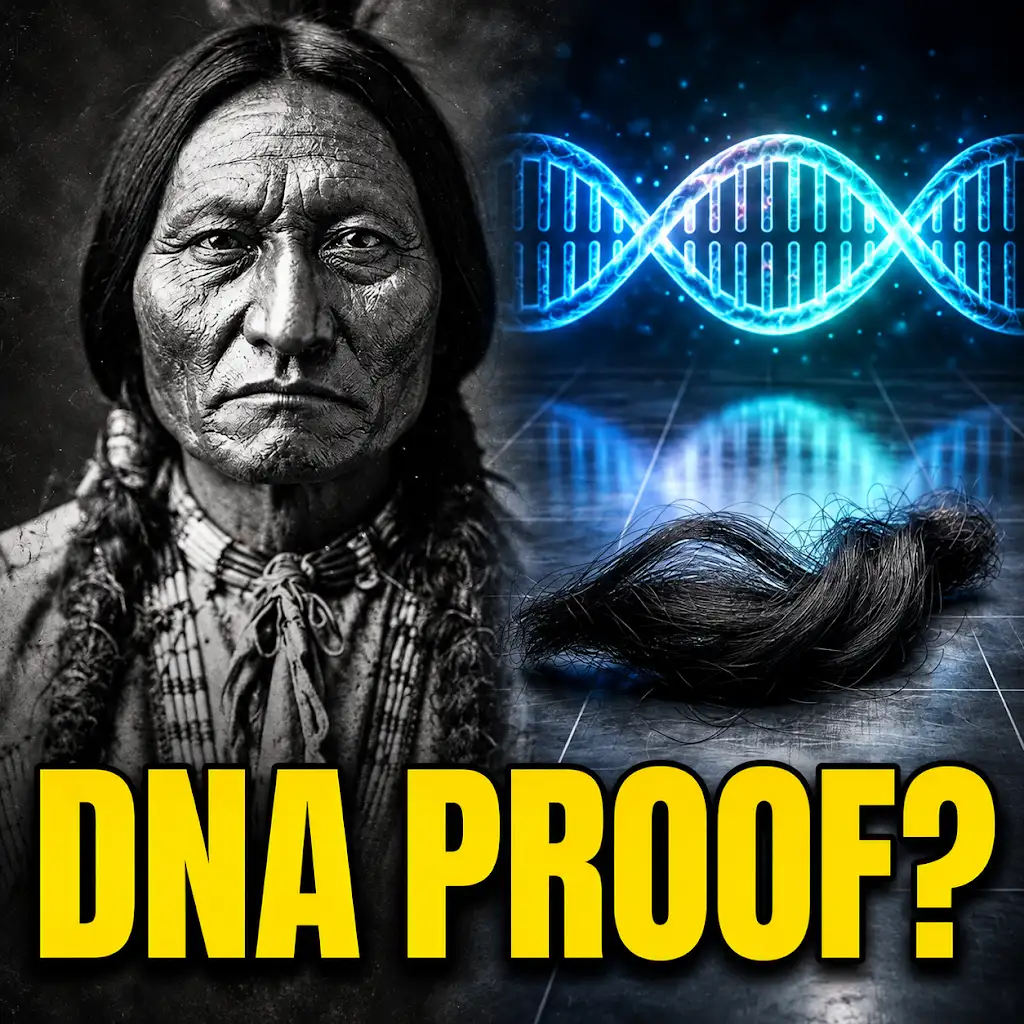
The Sitting Bull DNA Test: What Did It Actually Prove?
FAQs
What is the chain of custody in historical DNA analysis?
The chain of custody in historical DNA analysis refers to the documentation and tracking of the handling of DNA samples from the moment they are collected to their analysis in order to ensure their integrity and reliability as evidence.
Why is maintaining a chain of custody important in historical DNA analysis?
Maintaining a chain of custody is crucial in historical DNA analysis to establish the authenticity and reliability of the DNA evidence presented in legal or historical contexts. It ensures that the samples have not been tampered with or contaminated, thus preserving their credibility.
Who is responsible for maintaining the chain of custody in historical DNA analysis?
In historical DNA analysis, it is typically the responsibility of trained professionals such as forensic scientists, archaeologists, or researchers to maintain the chain of custody. They must carefully document each step of the process to ensure the integrity of the DNA samples.
What are the key components of a chain of custody in historical DNA analysis?
The key components of a chain of custody in historical DNA analysis include proper labeling of samples, documentation of who handled the samples and when, maintaining a log of sample storage conditions, and ensuring secure transportation of samples between locations.
How does the chain of custody impact the admissibility of historical DNA evidence in court?
The chain of custody is essential for establishing the admissibility of historical DNA evidence in court. If the chain of custody is not properly maintained, the integrity of the evidence may be called into question, potentially leading to its exclusion from legal proceedings.