The faint whispers of forgotten lives, once confined to the silent annals of archaeology and the speculative narratives of historians, are now finding a powerful voice. Ancient DNA testing, a revolutionary field that has blossomed in recent decades, is fundamentally transforming our understanding of human history. By extracting and analyzing genetic material from skeletal remains, it offers an unprecedented window into the lives, migrations, relationships, and even the health of our ancestors, bridging gaps in the historical record that were previously unbridgeable. This cutting-edge science is not merely confirming existing theories; it is actively rewriting them, revealing complex tapestries of human interaction and adaptation that were previously unimagined. From tracing the origins of agricultural societies to understanding the genetic underpinnings of ancient pandemics, ancient DNA analysis is unlocking secrets buried for millennia, offering a deeply personal connection to the human story.
The Dawn of Paleogenomics: Extracting Echoes from the Bones
The journey to unlocking ancient DNA begins with a delicate and meticulously controlled process of extraction. Skeletal remains, often unearthed from archaeological sites, hold the key. The success of DNA recovery is heavily dependent on preservation conditions; environments that are cold, dry, or waterlogged tend to offer the best chances for the long-term survival of genetic material. Burial contexts, geological strata, and the very composition of the soil can all play a role in either protecting or degrading the fragile molecules of life. Once samples are collected, they are transported to specialized laboratories equipped to handle the extremely low levels of DNA present and to prevent contamination with modern genetic material, a paramount concern in this field.
The Art and Science of DNA Extraction from Ancient Samples
The extraction process itself is a testament to ingenuity and precision. Typically, small bone fragments, such as teeth or petrous bones (the densest part of the skull), are favored for their higher DNA content and better preservation. These fragments are first meticulously cleaned to remove surface contaminants. Then, they are ground into a fine powder. This powdered material is then subjected to a series of chemical treatments designed to break open the cells and release the DNA. These treatments often involve demineralization, which removes the hard mineral matrix of the bone, and proteinases, enzymes that digest proteins surrounding the DNA. The released DNA is then isolated and purified through various chemical and physical separation techniques, such as binding to silica beads. The resulting extract is a minuscule amount of genetic material, often just nanograms, but it contains the blueprint of an individual who lived centuries or even millennia ago.
Safeguarding Purity: The Critical Battle Against Contamination
The specter of contamination looms large over ancient DNA research. Modern DNA from researchers, lab technicians, or even environmental sources can easily overwhelm the ancient signal if not rigorously controlled. Therefore, ancient DNA laboratories operate under the strictest sterile conditions, often employing dedicated cleanrooms with specialized air filtration systems. Researchers wear full protective suits, including masks, gloves, and hairnets. Every reagent used is sterilized, and samples are handled with extreme care to minimize any potential introduction of foreign DNA. Blanks – samples processed alongside ancient specimens but containing no actual ancient material – are routinely included in experiments to detect any signs of contamination. A positive result in a blank sample indicates a problem with the lab’s procedures, not with the ancient DNA itself. This constant vigilance is essential to ensure that the genetic data obtained is truly representative of the ancient individual.
Ancient DNA testing has revolutionized our understanding of historical populations and their migrations, allowing scientists to extract genetic material from archaeological remains. For a deeper insight into the implications of such discoveries, you can explore the article titled “The Curse of the Mummy’s Tomb: The Dig That Should Have Stayed Buried,” which discusses the ethical considerations and scientific challenges faced during excavations. This article highlights how ancient DNA analysis can both illuminate our past and raise questions about the preservation of cultural heritage. To read more, visit here.
Deciphering the Genetic Code: From Fragments to Family Trees
Once the ancient DNA is extracted and purified, the painstaking process of sequencing and analysis begins. This involves piecing together millions of tiny DNA fragments to reconstruct the genome, or at least significant portions of it. The advent of high-throughput sequencing technologies has revolutionized this aspect of paleogenomics, allowing for the rapid and cost-effective generation of vast amounts of genetic data from even highly degraded ancient samples.
Reconstructing the Past: The Power of Next-Generation Sequencing
Next-generation sequencing (NGS) technologies have been a game-changer for ancient DNA. Unlike older methods that could only sequence small DNA fragments, NGS can simultaneously sequence millions of DNA molecules. This allows researchers to reconstruct longer stretches of the ancient genome, providing more comprehensive information. The process involves fragmenting the ancient DNA, attaching special adapters to the ends of these fragments, and then amplifying them. These amplified fragments are then loaded onto a sequencing machine, which reads the order of the DNA bases (A, T, C, and G) in each fragment. The resulting millions of short sequence reads are then computationally assembled, like a giant jigsaw puzzle, to reconstruct the original genome. For ancient samples, where DNA is often fragmented and damaged, specialized bioinformatics tools are employed to account for these irregularities and accurately piece together the genetic information.
Population Genetics and Migrations: Tracing the Movements of Humanity
One of the most profound impacts of ancient DNA testing is in understanding human migration patterns and population dynamics. By comparing the genetic profiles of ancient individuals from different geographical locations and time periods, researchers can infer ancestral relationships and trace the movement of people across continents and oceans. For instance, studies have revealed surprising insights into the peopling of Europe, showing complex waves of migration and admixture rather than a simple linear progression. Ancient DNA has helped to delineate the spread of farming from the Near East into Europe, the arrival of steppe pastoralists who contributed significantly to the genetic makeup of many modern European populations, and the intricate connections between ancient societies that were previously unknown through archaeological evidence alone. It has illuminated the vast distances covered by ancient peoples and the profound genetic legacy they left behind.
Unveiling Kinship: Family Ties in the Distant Past
Ancient DNA is also proving invaluable in understanding social structures and family relationships in past societies. By analyzing the DNA of multiple individuals buried within the same grave or tomb, researchers can determine if they were related. This has led to some remarkable discoveries, such as identifying Neanderthal and Denisovan DNA in the genomes of modern humans, proving that interbreeding occurred between these ancient hominin groups and early Homo sapiens. In more recent archaeological contexts, ancient DNA has revealed complex familial structures within ancient settlements, offering insights into inheritance patterns, social hierarchies, and even the roles of different individuals within a community. It allows us to move beyond inferring relationships from burial goods or social status and instead directly see the biological connections that bound people together.
Beyond Ancestry: Unlocking Health, Diet, and Identity
The genetic information preserved in ancient DNA extends far beyond simple lineage tracing. It provides a rich source of data for understanding the health, diet, and even the cultural identity of ancient populations. By examining specific genes and their variations, scientists can infer predispositions to diseases, reconstruct ancient diets, and gain insights into how past peoples adapted to their environments.
Insights into Ancient Diseases: The Genetic Footprint of Pandemics
Ancient pathogens leave their mark not only in the archaeological record but also in the genomes of the people they infected. By extracting DNA from the remains of individuals who likely died from infectious diseases, researchers can identify the pathogens responsible and study their evolution. This has been crucial in understanding historical pandemics, such as the Black Death, where the plague bacterium Yersinia pestis has been successfully identified in plague victims. Analyzing the genetic variations within these ancient pathogens can reveal information about their virulence, transmissibility, and geographical origins, providing a deeper understanding of disease dynamics and the human immune response throughout history. Furthermore, ancient human DNA can reveal genetic adaptations that conferred resistance or susceptibility to certain diseases, offering a glimpse into the co-evolutionary arms race between humans and microbes.
Reconstructing Ancient Diets: Clues from the Gut and Genes
The food people ate profoundly impacted their health and survival. Ancient DNA, particularly from the gut microbiome or from skeletal remains themselves, can offer clues about past diets. Analysis of the gut microbiome can reveal the types of bacteria present, which are heavily influenced by diet. For instance, the presence of bacteria associated with the digestion of plant matter or animal products can indicate dietary staples. Moreover, ancient DNA can reveal genetic adaptations related to diet, such as the lactase persistence gene that allows adults to digest milk. The widespread presence or absence of genetic variants associated with the metabolism of different food groups can provide powerful evidence for dietary shifts and agricultural practices across different populations and time periods.
The Genetic Basis of Identity: Beyond Simple Belonging
While often associated with ancestry, ancient DNA also plays a role in understanding the complex concept of identity in the past. Genetic information, when combined with archaeological and historical data, can help to clarify the genetic components of groups that defined themselves as distinct. For example, in cases of conquest or assimilation, ancient DNA can reveal the extent of genetic admixture and how it relates to the cultural and political identities of the groups involved. It can shed light on whether shared genetic heritage was a significant factor in group cohesion or if cultural practices and affiliations were more dominant. While genetics alone cannot define identity, it can offer a crucial layer of evidence in deciphering how ancient peoples perceived themselves and were perceived by others.
Challenges and Ethical Considerations: Navigating the Future of Paleogenomics
Despite its extraordinary promise, ancient DNA research faces significant challenges, both scientific and ethical. The inherent degradation of ancient DNA, the risk of contamination, and the interpretation of complex genetic data require constant innovation and careful consideration. Furthermore, the application of this powerful technology raises important questions about ownership of genetic material, the potential for misuse, and the respectful representation of ancestral populations.
Overcoming Obstacles: The Ongoing Quest for Better Data
The primary scientific challenge in ancient DNA research remains the degradation of genetic material over time. DNA molecules are constantly being broken down by environmental factors, leading to fragmented and damaged sequences. Developing more efficient and less destructive extraction and sequencing methods is an ongoing area of research. Furthermore, accurately distinguishing authentic ancient DNA from modern contamination, especially in challenging environments, requires sophisticated bioinformatics tools and stringent laboratory protocols. Researchers are continually refining computational methods to improve the accuracy of ancient genome reconstruction and to detect even the subtlest signs of contamination. The development of techniques that can analyze DNA from even more degraded samples, such as hair or environmental DNA, is also a frontier in the field.
Ethical Frontiers: Respect, Ownership, and Representation
As ancient DNA research becomes more powerful, so too do the ethical considerations. The recovery and analysis of ancient human remains raise questions about the ownership of ancestral genetic material and the rights of descendant communities. Many indigenous groups have expressed concerns about the potential for exploitation and the misrepresentation of their ancestors’ genetic heritage. Researchers are increasingly collaborating with descendant communities, seeking their consent and incorporating their perspectives into research design and data interpretation. Transparency in research methods and findings, as well as the responsible dissemination of results, are crucial for building trust and ensuring that ancient DNA research benefits both science and the communities whose past is being explored. Issues of data privacy, the potential for genetic information to be used to discriminate against present-day groups, and the long-term stewardship of ancient DNA data are all critical ethical discussions that must continue.
Ancient DNA testing has revolutionized our understanding of human history and migration patterns, providing insights that were previously unattainable. For those interested in exploring the intricacies of this fascinating field, a related article discusses the implications of modern genetic analysis in various contexts. You can read more about it in the article on nearshoring and its impact. This connection highlights how advancements in technology not only affect our understanding of the past but also shape contemporary economic strategies.
The Expanding Horizon: Ancient DNA’s Impact on Human Understanding
| Step | Description | Key Techniques | Challenges | Outcome |
|---|---|---|---|---|
| 1. Sample Collection | Obtain ancient biological material such as bones, teeth, or hair from archaeological sites. | Careful excavation, contamination prevention protocols | Degradation, contamination with modern DNA | Preserved ancient DNA source |
| 2. DNA Extraction | Isolate DNA molecules from the ancient sample using chemical and enzymatic methods. | Silica-based extraction, phenol-chloroform extraction | Low quantity and fragmented DNA, contamination | Purified ancient DNA fragments |
| 3. Library Preparation | Convert extracted DNA into a format suitable for sequencing. | End repair, adapter ligation, PCR amplification | Damage patterns, short fragment length | Sequencing-ready DNA libraries |
| 4. DNA Sequencing | Sequence the DNA fragments to obtain raw genetic data. | Next-generation sequencing (NGS), shotgun sequencing | Low coverage, sequencing errors | Raw sequence reads |
| 5. Data Analysis | Process and analyze sequence data to reconstruct ancient genomes. | Bioinformatics pipelines, alignment, contamination filtering | Distinguishing ancient DNA from contaminants, damage correction | Reconstructed ancient DNA sequences |
| 6. Interpretation | Use genetic data to infer ancestry, migration, and evolutionary history. | Population genetics, phylogenetics, comparative genomics | Incomplete data, interpretation biases | Insights into ancient populations and evolution |
The field of ancient DNA testing is still relatively young, and its full potential is only just beginning to be realized. As technology advances and analytical methods become more sophisticated, the insights gleaned from ancient genomes will continue to reshape our understanding of human history, evolution, and our place in the grand tapestry of life. From shedding light on the origins of agriculture and the development of complex societies to unraveling the genetic basis of human adaptability and the impact of past environmental changes, ancient DNA offers a unique and invaluable lens through which to view our shared past. It allows us to connect with our ancestors on a fundamental level, revealing the enduring threads of humanity that bind us across time and space. The silent whispers from the bones are becoming a chorus, singing the intricate and ever-evolving story of who we are and where we came from.
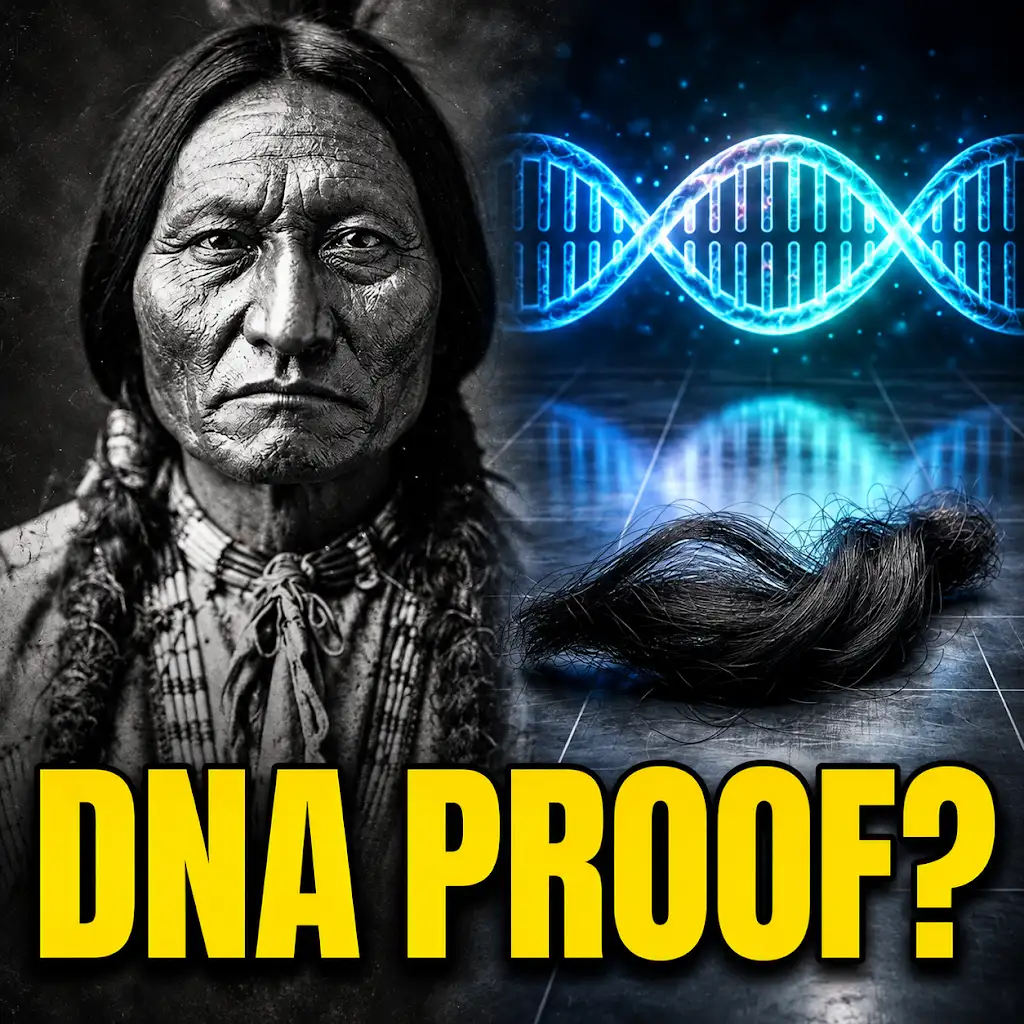
The Sitting Bull DNA Test: What Did It Actually Prove?
FAQs
1. How is ancient DNA extracted from archaeological samples?
Ancient DNA is extracted from archaeological samples using a process that involves breaking down the sample to release the DNA, purifying the DNA, and amplifying it through a technique called polymerase chain reaction (PCR).
2. What are the challenges of working with ancient DNA?
Working with ancient DNA poses challenges such as contamination from modern DNA, degradation of the ancient DNA over time, and the presence of inhibitors that can interfere with the extraction and analysis process.
3. How is ancient DNA sequencing performed?
Ancient DNA sequencing is performed by first amplifying the extracted DNA using PCR, then sequencing the amplified DNA using modern sequencing technologies such as next-generation sequencing (NGS) to determine the nucleotide sequence of the ancient DNA.
4. What can ancient DNA testing reveal about the past?
Ancient DNA testing can reveal information about the genetic relationships between ancient populations, migration patterns, evolutionary history, genetic adaptations, and the genetic diversity of past human and animal populations.
5. How is ancient DNA testing used in archaeology and anthropology?
Ancient DNA testing is used in archaeology and anthropology to study the genetic history of ancient populations, trace the origins and movements of human and animal species, investigate genetic diseases in ancient populations, and reconstruct the evolutionary relationships between different groups of organisms.