Unraveling the Tapestry of Lineage: Genetic Evidence Confirms Ancestral Descent
The human story, a sprawling epic etched in time, has long been a subject of intense fascination and scholarly pursuit. From the dawn of civilization, humanity has sought to understand its origins, its migrations, and the intricate webs of kinship that connect us all. For millennia, this understanding was primarily derived from the fragmented whispers of oral traditions, the silent testimonies of archaeological digs, and the scholarly interpretations of historical texts. While these methods have yielded invaluable insights, they often leave vast swathes of our ancestral past shrouded in speculation. Today, however, a revolutionary tool has emerged from the crucible of scientific advancement, offering an unprecedented clarity into the depths of our genetic heritage: DNA analysis.
The advent of sophisticated genetic sequencing and analysis techniques has transformed the field of genealogy, moving beyond educated guesses to concrete, quantifiable evidence. This powerful methodology allows researchers and individuals alike to peer into the very blueprint of life, identifying markers that have been passed down through countless generations. These genetic signatures act as indelible fingerprints, tracing the journey of our ancestors across continents and millennia. The confirmation of ancestral descent through DNA analysis is not merely an academic curiosity; it is a profound revelation, offering a tangible connection to our lineage and illuminating the shared humanity that binds us. This article will delve into the multifaceted ways in which genetic evidence is confirming ancestral descent, exploring the scientific underpinnings, the diverse applications, and the far-reaching implications of this groundbreaking field.
Recent studies have provided compelling genetic evidence supporting the theory of descent, shedding light on the intricate relationships between various populations throughout history. This research not only enhances our understanding of human migration patterns but also challenges some long-held beliefs about ancestry. For a deeper exploration of how historical maps and scientific analysis intersect, you can read more in the article titled “Debunking the Piri Reis Map: A Scientific Rebuttal” available at this link.
The Molecular Architects of Heritage: How DNA Unlocks Ancestry
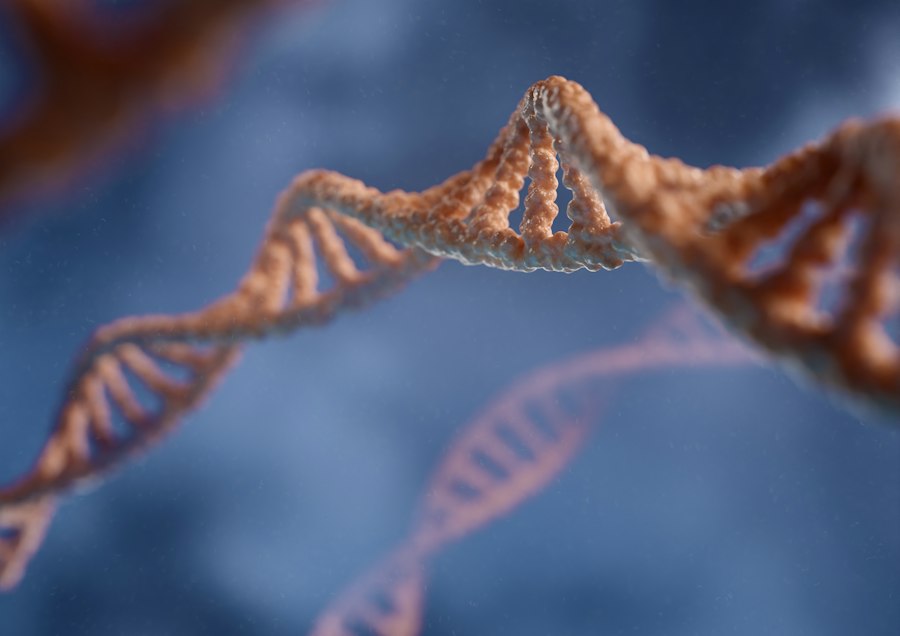
At its core, the confirmation of ancestral descent through DNA analysis rests on the fundamental principles of heredity. Our DNA, a complex molecule organized into chromosomes, contains the genetic instructions that dictate our physical and biological traits. A significant portion of this DNA is inherited from our parents, who in turn inherited it from their parents, and so on, creating an unbroken chain stretching back into the mists of time.
Inherited Signatures: Autosomal DNA and the Echoes of Generations
The most comprehensive form of DNA testing for ancestral tracing relies on autosomal DNA. Autosomal DNA is present in all 23 pairs of chromosomes in our cells, excluding the sex chromosomes (X and Y). Both males and females inherit 22 pairs of autosomes from their mother and 22 from their father. This means that autosomal DNA provides a mixed inheritance from all branches of an individual’s family tree, typically reflecting approximately 50% from each parent, 25% from each grandparent, 12.5% from each great-grandparent, and so forth.
As individuals age, the specific segments of autosomal DNA passed down from each ancestor become diluted. However, the unique combinations of genetic markers, or single nucleotide polymorphisms (SNPs), within these inherited segments remain remarkably stable over many generations. Genetic testing companies utilize vast databases of these SNPs, comparing an individual’s genetic profile to those of reference populations from around the world. By analyzing the frequency and patterns of specific SNPs, these companies can estimate an individual’s ancestral origins, often assigning percentages to different geographic regions or ethnic groups. For instance, a particular combination of SNPs might be highly prevalent among populations in Western Europe, while another set might be characteristic of East Asian populations. The more closely an individual’s DNA matches a reference population, the stronger the evidence for ancestral connection to that region.
The Maternal and Paternal Threads: Mitochondrial and Y-Chromosome DNA
While autosomal DNA offers a broad overview of ancestral origins, mitochondrial DNA (mtDNA) and Y-chromosome DNA provide more focused insights into specific ancestral lines.
Mitochondrial DNA is found in the mitochondria, small organelles within our cells responsible for energy production. Unlike nuclear DNA, which is inherited from both parents, mtDNA is almost exclusively inherited from the mother. This is because the egg cell contributes all the cellular machinery, including mitochondria, to the zygote, while the sperm’s contribution is primarily its nucleus. Therefore, mtDNA is passed down virtually unchanged from mother to daughter to son, creating a direct maternal lineage. Analyzing mtDNA allows individuals to trace their maternal ancestors back thousands of years, identifying specific haplogroups – distinct branches of the human family tree defined by particular mtDNA mutations. These haplogroups can often be traced to specific geographic regions where these mutations first arose and spread.
In contrast, the Y-chromosome is the sex chromosome that determines maleness. Males have one X chromosome and one Y chromosome, while females have two X chromosomes. The Y chromosome is passed down directly from father to son, with very few genetic changes occurring between generations. Analyzing the Y chromosome allows men to trace their paternal lineage back through time, also identifying Y-chromosome haplogroups that indicate ancestral origins. This provides a parallel but distinct line of ancestral investigation to that of mtDNA. While women cannot directly trace their paternal line through Y-chromosome DNA, they can inherit Y-chromosome DNA from their father and thus gain insight into their paternal ancestry through male relatives such as brothers, fathers, or paternal uncles.
Applications in the Realm of Lineage: From Personal Discovery to Scientific Breakthroughs

The ability to confirm ancestral descent through DNA analysis has far-reaching applications, impacting individuals seeking to understand their personal heritage, and contributing to broader scientific endeavors.
Connecting the Dots: Empowering Personal Genealogical Journeys
For countless individuals, DNA testing has opened a gateway to understanding their family history in ways previously unimaginable. Many people embark on these journeys with a desire to connect with their roots, to fill in the blanks in family trees, or to understand the diverse influences that have shaped their identity. DNA testing can often provide surprising revelations, identifying ancestral connections to regions or ethnicities that were previously unknown or only vaguely suspected.
For example, a person who believed they were solely of European descent might discover through autosomal DNA testing that they have a significant percentage of ancestry from West Africa, prompting a deeper exploration of their family’s history and potential migrations. Similarly, individuals seeking to identify biological relatives separated by adoption or unknown parentage can find crucial connections through DNA matching. When individuals submit their DNA to a testing service, their genetic profile is compared against a database of other users. If a close genetic match is found, it suggests a shared ancestor. This has led to countless reunions and the unraveling of deeply held family mysteries. Beyond personal discovery, these genetic connections can also validate oral traditions and family stories, providing scientific grounding to anecdotal evidence passed down through generations.
Illuminating Human Migration: Mapping the Ancient Odyssey
Beyond individual quests for identity, DNA analysis is a powerful tool for understanding the grand narrative of human migration and evolution. By analyzing the genetic patterns of diverse populations across the globe, scientists can reconstruct the ancient pathways our ancestors took as they ventured out of Africa, colonized new territories, and adapted to varied environments.
Studies of autosomal, mtDNA, and Y-chromosome DNA have provided robust evidence for the out-of-Africa migration of Homo sapiens, tracing the dispersal routes and identifying the genetic markers associated with different migratory waves. For instance, specific haplogroups found in Indigenous populations of the Americas are genetically linked to ancient Siberian populations, providing strong support for migration across the Bering Strait. Similarly, genetic studies have shed light on the peopling of Europe, the spread of agriculture, and the complex interactions between different human groups throughout prehistory. These scientific investigations transform abstract timelines into tangible genetic lineages, offering a molecular map of humanity’s shared journey.
Forensic Anthropology and the Unseen Past
The application of DNA analysis extends into the realm of forensic anthropology, offering invaluable assistance in identifying unknown individuals, particularly in cases of mass disasters or historical remains. When conventional methods of identification are impossible, DNA analysis can provide definitive answers.
For instance, during archaeological excavations of ancient burial sites or historical mass graves, DNA analysis can be used to identify individuals, potentially linking them to known historical figures or providing insights into the composition of ancient communities. This has been instrumental in identifying victims of historical atrocities, allowing for proper burial and remembrance. Furthermore, in cases where skeletal remains are discovered without any accompanying identification, DNA can be compared to databases of missing persons or utilized to identify potential family members, bringing closure to grieving families and contributing to historical understanding. The ability of DNA to preserve genetic information over vast periods makes it a crucial tool for unlocking the secrets of the unseen past.
Challenges and Considerations: Navigating the Nuances of Genetic Ancestry
While the power of DNA analysis in confirming ancestral descent is undeniable, it is crucial to approach the results with an understanding of the inherent complexities and limitations of the technology.
The Ever-Evolving Landscape of Reference Populations
Genetic testing companies rely on extensive reference databases compiled from DNA samples of individuals with known ancestral origins. These databases are crucial for assigning percentages to different ethnic groups and geographic regions. However, these reference populations are not static; they are continuously being expanded and refined as more data becomes available and scientific understanding deepens.
This dynamic nature means that results from DNA tests can sometimes change over time. As a company incorporates new reference populations or improves its analytical algorithms, an individual’s ancestral breakdown might be updated. Furthermore, the concept of distinct “ethnic groups” itself is a social construct, and genetic markers often blend and overlap across geographic boundaries. Therefore, the percentages provided by testing companies are estimations based on the current scientific understanding and the available reference data. It is important to interpret these results as a guide rather than an absolute declaration, acknowledging that human populations have always been in motion and intermingling.
The Limits of Predictive Power: Ancestry vs. Traits
It is essential to distinguish between confirming ancestral descent and predicting specific personal traits or predispositions. While DNA analysis can reveal the geographic origins and ethnic makeup of an individual’s ancestors, it cannot reliably predict complex traits such as intelligence, personality, or susceptibility to specific diseases in a deterministic manner.
Many traits are influenced by a complex interplay of multiple genes and environmental factors. While certain genetic markers might be associated with an increased risk for some conditions, they do not guarantee their manifestation. Similarly, ancestral origins do not dictate an individual’s talents or personality. For example, having ancestors from a region known for musical talent does not automatically make an individual musically gifted. Focusing solely on genetic predispositions can lead to misinterpretations and unwarranted anxieties. The confirmation of ancestral descent provides a fascinating glimpse into one’s heritage, but it should not be used as a sole determinant of individual capabilities or future outcomes.
Ethical Considerations and Data Privacy
As the field of genetic testing continues to grow, so too do the ethical considerations surrounding the collection, storage, and use of genetic data. Individuals who submit their DNA for analysis are entrusting companies with highly personal information. It is paramount that these companies maintain robust data security measures and transparent privacy policies.
Questions arise regarding who has access to this genetic data, how it might be used in the future (e.g., by law enforcement agencies or insurance companies), and the potential for de-identification challenges. Furthermore, the commercialization of genetic data raises concerns about ownership and potential exploitation. Individuals must carefully review the terms of service and privacy policies of any DNA testing service they choose to use, understanding the implications of sharing their genetic information. Responsible stewardship of this powerful data is crucial to ensure that the benefits of genetic ancestry tracing are realized without compromising individual privacy and autonomy.
Recent studies have provided compelling genetic evidence supporting the theory of descent, shedding light on the intricate relationships among various species. This fascinating research not only enhances our understanding of evolution but also raises important questions about the implications of genetic inheritance. For those interested in exploring related topics, an intriguing article discusses the governance of space and the ethical considerations that arise as humanity ventures beyond Earth. You can read more about these unsettling questions in the article available here.
The Future of Ancestral Exploration: Integrating Genetic Insights with Traditional Methods
| Type of Genetic Evidence | Description | Example Metric | Significance in Supporting Descent |
|---|---|---|---|
| DNA Sequence Similarity | Comparison of nucleotide sequences between species | Humans and chimpanzees share ~98.8% DNA sequence identity | Indicates close evolutionary relationship and common ancestry |
| Shared Genetic Mutations | Presence of identical mutations or genetic markers in different species | Shared endogenous retroviral insertions in primates | Supports common descent by showing inherited genetic changes |
| Phylogenetic Trees | Tree diagrams constructed from genetic data showing evolutionary relationships | Branching patterns based on mitochondrial DNA sequences | Visualizes descent and divergence from common ancestors |
| Comparative Genomics | Analysis of genome structure and gene content across species | Conserved gene order (synteny) between mammals | Demonstrates inherited genome architecture from common ancestors |
| Molecular Clocks | Estimation of divergence times based on mutation rates | Estimated human-chimpanzee divergence ~6-7 million years ago | Provides timeline for descent and evolutionary events |
The confirmation of ancestral descent through DNA analysis represents a monumental leap forward, but it is not a replacement for other forms of genealogical research. Rather, it is a powerful complementary tool that, when integrated with traditional methods, offers a more complete and nuanced understanding of our lineage.
The Synergistic Power of DNA and Traditional Genealogy
The most profound insights into ancestral descent are often achieved by combining the objective data provided by DNA analysis with the rich narrative and documentary evidence uncovered through traditional genealogical research. While DNA can point to geographic origins and identify potential relatives, it often lacks the specific details that flesh out an individual’s life story. Documenting birth, marriage, and death records, census data, immigration papers, and personal letters can provide invaluable context to the genetic findings.
For instance, DNA might reveal a connection to a specific European country. Traditional research might then uncover the name of an ancestor who emigrated from that country, along with the ship they sailed on, their destination, and the year of their arrival. This synergistic approach allows for a much richer and more detailed reconstruction of one’s family tree. Furthermore, traditional research can help to validate and explain genetic findings. If DNA suggests an ancestral link to a particular surname, traditional research can then be used to verify if that surname was indeed prevalent in the indicated geographic region during the relevant historical period.
Expanding the Frontiers: Ancestry in a Globalized World
As global connectivity increases and awareness of diverse ancestries grows, the demand for comprehensive and inclusive genetic ancestry testing is also on the rise. The future will likely see further refinement of reference populations, incorporating a wider array of ethnic groups and geographic locations, particularly those historically underrepresented in genetic databases.
This will enable more accurate and detailed ancestral breakdowns for a broader segment of the global population. Furthermore, advancements in genetic technology may allow for even deeper dives into ancestral timelines, potentially identifying more distant relatives and providing greater resolution into ancient migratory patterns. The ongoing research in genomics and population genetics will undoubtedly continue to enrich our understanding of human history and our place within it, further solidifying the role of DNA in confirming ancestral descent.
The Personal and Collective Impact: A Deeper Sense of Belonging
Ultimately, the confirmation of ancestral descent through DNA analysis serves a profound personal and collective purpose. It offers individuals a tangible connection to their past, fostering a deeper sense of identity and belonging in an increasingly complex world. By understanding where we come from, we gain a clearer perspective on who we are.
On a collective level, these genetic discoveries highlight the shared origins and interconnectedness of humanity. They underscore the fact that despite our diverse cultures and appearances, we are all part of a single, sprawling family tree, shaped by the same ancient migrations and evolutionary journeys. This realization can foster greater empathy, understanding, and a sense of global citizenship, reminding us of the common threads that bind us all together across time and space. The molecular architects of our heritage, our DNA, have provided us with an unprecedented gift: the ability to definitively confirm our ancestral descent, and in doing so, to better understand ourselves and our place in the grand tapestry of human existence.
The Sitting Bull DNA Test: What Did It Actually Prove?
FAQs
What is genetic evidence supporting descent?
Genetic evidence supporting descent refers to the scientific proof obtained from analyzing DNA sequences that confirms the evolutionary relationship between different species or individuals.
How is genetic evidence used to support descent?
Genetic evidence is used to support descent by comparing the similarities and differences in DNA sequences among different organisms to determine their evolutionary relatedness and common ancestry.
What types of genetic evidence are commonly used to support descent?
Common types of genetic evidence used to support descent include DNA sequencing, comparative genomics, and phylogenetic analysis, which help scientists trace the evolutionary history of species.
Why is genetic evidence considered a strong support for descent?
Genetic evidence is considered a strong support for descent because DNA carries hereditary information that is passed down from generation to generation, providing a direct link to the evolutionary history of organisms.
How has genetic evidence revolutionized the study of descent and evolution?
Genetic evidence has revolutionized the study of descent and evolution by providing a more precise and detailed understanding of the relationships between different species, filling gaps in the fossil record, and confirming evolutionary theories proposed by scientists.