Unraveling the Past: DNA Testing and the Ancestry of Legends
The whispers of history, once confined to dusty tomes and speculative biographies, are now finding a new voice, amplified by the silent, yet powerful, language of DNA. Modern genetic analysis, once the domain of forensic science and medical diagnostics, has evolved to become a revolutionary tool for exploring the lineage of humanity’s most celebrated figures. From the enigmatic pharaohs of Egypt to the titans of Renaissance art, DNA testing is lifting the veil on their ancestral secrets, challenging long-held assumptions and forging unexpected connections across centuries and continents. This scientific interrogation of the past offers not just biographical footnotes, but profound insights into the migratory patterns of ancient populations, the fluidity of identity, and the shared genetic tapestry that binds us all.
The journey into the DNA of historical figures is a complex undertaking, fraught with challenges that require a delicate interplay of scientific rigor, archaeological discovery, and historical context. The primary hurdle, of course, is the acquisition of viable genetic material. For figures long deceased, this means venturing into ancient tombs, deciphering the fragile remnants of human remains, and meticulously extracting DNA without compromising its integrity. The environment plays a crucial role; arid climates, like those of ancient Egypt, offer better preservation conditions than more temperate or humid regions. Even then, the DNA recovered is often degraded, fragmented, and contaminated by environmental microbes or the DNA of those who handled the remains. Extraction techniques must be highly refined, employing specialized kits and protocols to isolate the minute quantities of ancient DNA (aDNA).
Beyond the physical extraction, the interpretation of aDNA presents its own unique set of challenges. Unlike modern DNA, which is relatively abundant and intact, aDNA is typically present in very low concentrations and in short fragments. This necessitates sophisticated sequencing technologies that can piece together these broken fragments into a coherent genetic profile. Furthermore, the issue of contamination is a constant concern. Scientists must employ rigorous protocols to prevent modern DNA from contaminating the ancient samples, often working in sterile environments and using specialized reagents. The resulting genetic data, once sequenced, then needs to be analyzed against vast reference databases of modern and ancient genomes to identify patterns, migrations, and familial relationships. This is where the power of bioinformatics and computational genetics truly shines, transforming raw genetic code into a narrative of ancestry.
DNA testing has opened new avenues in understanding the lives of famous historical figures, shedding light on their ancestry and health conditions. For instance, recent studies have utilized DNA analysis to explore the lineage of notable individuals, revealing connections that were previously unknown. This fascinating intersection of genetics and history is further explored in the article “Uncovering Ancient Water Management Systems,” which discusses how modern techniques can illuminate the past. To read more about this intriguing topic, visit here.
Illuminating Royal Bloodlines: Dynasties Revealed
The allure of royal bloodlines has captivated humanity for millennia. The lineage of kings and queens, the supposed divine right to rule, has shaped nations and dictated the course of history. DNA testing, in its burgeoning application to historical figures, has begun to cast a scientific light on these esteemed dynasties, sometimes confirming ancient claims and other times revealing unexpected truths that rewrite dynastic narratives. The pursuit of definitive ancestral proof for figures of immense historical import often becomes a global endeavor, as remains might be scattered, or the original burial sites lost to time.
The Pharaohs’ Genealogies: A Glimpse into Ancient Egypt
Perhaps one of the most ambitious and scientifically significant endeavors in this field has been the genetic analysis of ancient Egyptian pharaohs. Tutankhamun, the boy king whose tomb provided an unparalleled treasure trove of artifacts, has been a prime subject. Studies on his remains, alongside those of his presumed parents and other royal mummies from the Eighteenth Dynasty, have aimed to clarify his immediate family tree, which has been a subject of much debate among Egyptologists. Early DNA studies suggested a close familial relationship between Tutankhamun and his mother, KV35YL, and his father, KV35ML, both of whom were also mummified. These analyses helped confirm the theory that Tutankhamun’s parents were siblings, a practice not uncommon among Egyptian royalty to maintain the purity of the bloodline.
Beyond Tutankhamun, genetic investigations have extended to other prominent pharaohs. The controversial identification of the mummy of Hatshepsut, a powerful female pharaoh who ruled as a king, has been aided by DNA evidence. While archaeological and epigraphic evidence strongly pointed to a particular mummy in the Valley of the Kings as Hatshepsut, genetic comparisons with known relatives, such as her father Thutmose I, have provided further corroboration. These studies not only illuminate the specific family connections within these dynasties but also offer insights into the genetic makeup of the ancient Egyptian population itself, shedding light on their origins and migrations within North Africa. The implications extend beyond simple genealogy, touching upon questions of disease susceptibility within royal families and the genetic impact of endogamous marriage practices. The ongoing nature of these investigations promises further revelations about the genetic landscape of one of history’s most fascinating civilizations.
The European Nobility: Unmasking Royal Ancestry
Across the Atlantic and centuries apart, the DNA of European royalty has also been subjected to genetic scrutiny. The Romanov dynasty, the last imperial family of Russia, tragically executed during the Bolshevik Revolution, has been a focal point. DNA testing played a crucial role in identifying the remains of Tsar Nicholas II, his wife Alexandra, and their children, exhumed from a mass grave in the Ural Mountains. The genetic analysis, using mitochondrial DNA and Y-chromosome DNA, was meticulously conducted to distinguish the imperial family’s remains from those of their loyal retainers also present in the grave. Comparisons with living relatives, such as descendants of Empress Maria Feodorovna, helped confirm the identities and provided closure for the descendants and the Russian Orthodox Church.
Similarly, the skeletal remains of figures like Richard III of England, whose historical reputation has been debated for centuries, have undergone DNA analysis. The discovery of his remains under a Leicester car park led to a remarkable scientific investigation. DNA extracted from the bones was compared to that of living descendants of his maternal line, tracing a lineage back through his mother, Cecily Neville. The results of this genetic analysis provided strong evidence for the identification of the remains, offering a tangible link between the contemporary world and this controversial medieval monarch. These investigations into European nobility are not merely about confirming lineage; they can also reveal haplogroups that indicate ancient migratory patterns and connections to broader European populations, adding layers of complexity to the understanding of royal heritage.
The Makers of Culture: Artistic and Intellectual Genomes
The impact of artists and intellectuals on human civilization is immeasurable. Their creations, their ideas, and their very existence have shaped our understanding of the world. Now, their genetic legacy is beginning to be unveiled, offering a new perspective on their origins, their familial connections, and even potential predispositions that might have influenced their genius. The challenge here often lies in the identification of reliable remains, as the resting places of many artists and thinkers have been lost or are contested.
Leonardo da Vinci: A Renaissance Man’s Genetic Footprint
The enigmatic genius of Leonardo da Vinci has long inspired awe and speculation. While definitive remains of Leonardo himself are not readily available, his paternal lineage has been traced through genetic analysis of individuals who are known to be his direct male descendants. Researchers have identified living individuals in Tuscany who share the Y-chromosome lineage of Leonardo’s father, Piero da Vinci, and his paternal ancestors. This complex genealogical detective work involves tracing family lines back through centuries, cross-referencing historical records with genetic data.
The findings suggest that Leonardo belonged to a specific Y-chromosome haplogroup, common in the Tuscan region, which provides a genetic anchor for his ancestry. While this analysis cannot reveal details about his intellectual prowess or artistic talent, it offers a concrete connection to his geographical origins and the broader genetic landscape of Renaissance Italy. Such studies, even when relying on indirect evidence through living relatives, highlight the power of genetics to connect the past to the present and to provide a tangible link to figures who might otherwise seem distant and ethereal. Future research might explore autosomal DNA from individuals with known connections to Leonardo’s maternal line, potentially offering a more complete picture of his genetic makeup.
Beethoven’s Musical Muse: Unraveling the Composer’s DNA
The turbulent and brilliant life of Ludwig van Beethoven, one of history’s most revered composers, has also been probed by geneticists. While direct DNA from Beethoven’s skull has been attempted, the challenges of sample degradation and contamination are significant. However, efforts have been made to analyze genetic material recovered from locks of his hair. These investigations have yielded fascinating, albeit sometimes controversial, insights.
One notable study focused on Y-chromosome DNA from Beethoven’s hair, which suggested he might have had a paternal haplogroup that points to potential links with a specific region in what is now Germany. More significantly, research has also examined the DNA for genetic markers associated with health conditions. In Beethoven’s case, this has involved searching for genes linked to his debilitating hearing loss and a chronic liver ailment. While not directly dictating his musical genius, understanding his genetic predispositions to certain diseases can offer a more holistic view of his life and struggles, potentially informing how his health impacted his creative output. The ongoing analysis of his DNA, alongside historical records of his ailments, continues to paint a more nuanced portrait of the man behind the monumental music.
Pioneers of Exploration and Discovery: Journeys Encoded in Genes
The spirit of exploration and the relentless pursuit of knowledge have driven humanity to venture into the unknown, pushing the boundaries of our understanding and expanding our world. The genetic legacies of these pioneers, from ancient navigators to scientific trailblazers, offer a unique perspective on their origins, their daring voyages, and their place within the grand narrative of human migration. Their DNA can provide evidence for routes taken, populations encountered, and the genetic signatures they left behind.
The Viking Legacy: Tracing the Footsteps of Norse Explorers
The saga of the Vikings, their seafaring prowess, and their far-reaching expeditions across the North Atlantic have long been a subject of fascination. DNA testing has become an invaluable tool in understanding their genetic impact on the populations they encountered and the origins of the Vikings themselves. Studies of ancient Viking remains, unearthed from burial sites in Scandinavia, Iceland, and even North America, have revealed their diverse genetic makeup.
These analyses have shown that Viking populations were not a monolithic genetic group but rather a mix of indigenous Scandinavian peoples with influences from other regions due to trade and migration. Furthermore, genetic studies of modern populations in areas historically settled by Vikings, such as Iceland, the British Isles, and parts of Russia, reveal significant Viking genetic contributions. This evidence, when combined with historical accounts, allows for a more precise understanding of the scale and direction of Viking expansion, shedding light on their interactions with indigenous populations and the lasting genetic imprints they left across Europe and beyond. Y-chromosome and mitochondrial DNA studies have been particularly useful in tracking paternal and maternal lineages, offering a comprehensive view of these ancient journeys.
The First Americans: Genetic Clues to Ancestral Migrations
The peopling of the Americas is one of the most enduring mysteries of human history, a complex puzzle that DNA testing is steadily helping to solve. While direct genetic analysis of early Indigenous American figures is often challenging due to preservation issues and the ethical considerations surrounding the disturbance of ancestral remains, the study of both ancient and modern Indigenous American DNA, as well as the DNA of Siberian populations, has provided crucial insights.
Genetic studies have consistently pointed to East Asia, particularly Siberia, as the ancestral homeland of the first Americans. Comparisons of mitochondrial DNA haplogroups found in both Native American and Siberian populations reveal strong genetic connections, supporting the theory that the first humans to inhabit the Americas migrated from Siberia across the Bering Land Bridge. Furthermore, the analysis of ancient DNA from various archaeological sites across North and South America has revealed distinct lineages and migration waves, suggesting a complex and multi-stage process of colonization. This genetic evidence is not only confirming and refining existing theories but also revealing previously unknown migration routes and the genetic diversity that existed among the first peoples of the Americas, offering a profound understanding of their deep history.
DNA testing has opened new avenues for understanding the lives of famous historical figures, shedding light on their ancestry and connections to modern populations. For instance, researchers have utilized genetic analysis to explore the lineage of prominent leaders and artists, revealing surprising relationships and migrations throughout history. This fascinating topic is further explored in an article that discusses the environmental factors contributing to the collapse of civilizations, which can provide context to the lives of these historical figures. You can read more about it in this insightful piece on civilization collapse and environmental degradation.
Forensic Anthropology Meets History: Solving Mysteries and Identifying Individuals
| Historical Figure | DNA Testing Type | Year Conducted | Key Findings | Source/Reference |
|---|---|---|---|---|
| King Tutankhamun | Ancient DNA (aDNA) analysis | 2010 | Confirmed familial relationships; evidence of malaria and genetic disorders | Hawass et al., Journal of the American Medical Association |
| Richard III | mtDNA and Y-DNA analysis | 2013 | Confirmed identity of remains; matched living maternal relatives | University of Leicester |
| Thomas Jefferson | Y-DNA testing | 1998 | Supported paternity of Sally Hemings’ descendants | Nature Genetics |
| Genghis Khan | Y-DNA haplogroup study | 2003 | Identified a Y-chromosome lineage linked to 8% of men in a large region of Asia | Science Journal |
| King Richard the Lionheart | Ancient DNA analysis | 2012 | Remains not conclusively identified; DNA testing ongoing | British Museum Reports |
In instances where historical identities are uncertain or shrouded in mystery, DNA testing serves as a powerful forensic tool, bridging the gap between historical speculation and scientific certainty. By analyzing genetic material from skeletal remains, scientists can provide definitive identification, clarify relationships, and even shed light on the circumstances of death or life. This interdisciplinary approach has brought closure to long-standing historical enigmas and identified individuals lost to the annals of time.
The Lost Romanovs: Confirming the Imperial Family’s Fate
As mentioned previously, the identification of the executed Romanov family in Russia stands as a monumental achievement in forensic anthropology and historical genetics. The initial discovery of the remains in 1976, followed by their exhumation in 1991, led to an intense period of scientific investigation. The process involved meticulous forensic examination of the skeletal remains, supplemented by extensive DNA analysis.
The Y-chromosome DNA profile of the male remains was compared to that of Prince Philip, Duke of Edinburgh, a descendant of Tsar Nicholas II’s sister, Grand Duchess Olga. This comparison confirmed the paternal lineage of the male skeletons, including Tsar Nicholas II. Mitochondrial DNA analysis, which traces maternal lineage, was used to confirm the identities of Empress Alexandra and her daughters. The genetic evidence, when combined with historical records and archaeological findings, provided irrefutable proof of the identities of the remains, bringing a definitive end to the speculation surrounding the fate of the Romanov imperial family and offering a measure of reconciliation for their descendants.
Unmasking Jack the Ripper: A Controversial Genetic Pursuit
The identity of “Jack the Ripper,” the notorious serial killer who terrorized London in 1888, has remained one of history’s most enduring mysteries. In recent years, a controversial attempt has been made to identify the killer through DNA analysis of a shawl purportedly belonging to one of the victims, Catherine Eddowes. The shawl, held in a private collection, was subjected to DNA testing, and the results indicated a genetic profile that was then compared to living descendants of Aaron Kosminski, a Polish Jewish immigrant who was a suspect during the original investigation.
The DNA analysis, published in the Journal of Forensic Sciences, suggested a match between the mitochondrial DNA from the shawl and that of Kosminski’s descendants. However, this research has been met with significant skepticism within the scientific and historical communities. Critics point to the potential for contamination of the shawl over its long history, the limitations of mitochondrial DNA analysis, which only traces maternal lineage and thus cannot definitively identify an individual, and the questionable provenance of the artifact itself. While the genetic data presents intriguing possibilities, the definitive identification of Jack the Ripper remains elusive, highlighting the ongoing challenges and ethical considerations in applying forensic DNA analysis to historical mysteries. The case serves as a cautionary tale, emphasizing the need for rigorous scientific standards and careful interpretation of results when delving into such sensitive historical questions.
The ongoing advancements in DNA sequencing technology, coupled with increasingly sophisticated bioinformatic tools and a growing understanding of ancient DNA preservation, promise even more groundbreaking discoveries. As scientists continue to refine their techniques and expand their reach, the genetic threads of our ancestors will undoubtedly weave an ever-clearer and more compelling tapestry of human history, revealing the shared origins and intricate connections that lie at the heart of our collective past. The DNA of legends, once silent, now speaks volumes, offering a profound and scientific dialogue with the figures who shaped our world.
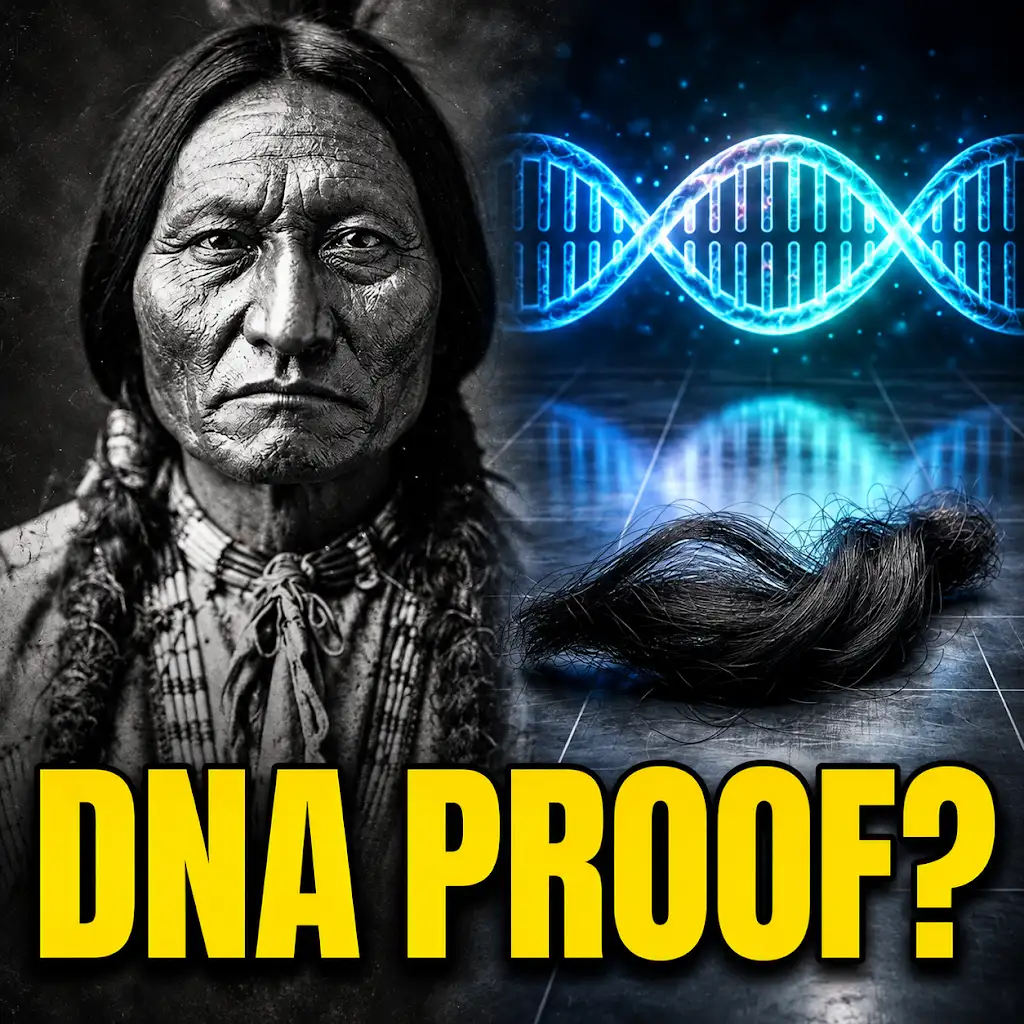
The Sitting Bull DNA Test: What Did It Actually Prove?
FAQs
1. Can DNA testing accurately identify famous historical figures?
Yes, DNA testing can accurately identify famous historical figures by comparing their DNA samples with samples from living relatives or remains believed to belong to the historical figure.
2. How is DNA extracted from historical figures for testing?
DNA can be extracted from historical figures by obtaining samples from remains such as bones, teeth, hair, or clothing. Advanced techniques are used to extract and analyze the DNA for identification purposes.
3. What are the limitations of DNA testing on historical figures?
Limitations of DNA testing on historical figures include the availability of well-preserved remains, the presence of living relatives for comparison, and the potential for contamination or degradation of the DNA samples over time.
4. What famous historical figures have been subjected to DNA testing?
Several famous historical figures have been subjected to DNA testing, including King Richard III, Thomas Jefferson, and the Romanov family. These tests have provided valuable insights into their identities and relationships.
5. How does DNA testing of historical figures contribute to our understanding of history?
DNA testing of historical figures contributes to our understanding of history by confirming identities, resolving long-standing mysteries, and uncovering familial relationships. It can also provide insights into genetic traits and health conditions of historical figures.