
The relentless pursuit of comfort in increasingly warmer climates, coupled with a growing imperative for environmental responsibility, has spurred a renaissance of ancient wisdom. Among the most elegant and effective solutions is the qanat, an ingenious subterranean aqueduct system that has for millennia provided water and, crucially, cooling. Modern reinterpretations of this remarkable technology are now emerging, promising to enhance sustainable cooling solutions for a future grappling with climate change. These innovative qanat ventilation systems represent a profound fusion of tradition and cutting-edge engineering, offering a compelling alternative to energy-intensive conventional air conditioning.
The Enduring Genius of the Qanat
The qanat, a marvel of ancient engineering, originated in Persia thousands of years ago and subsequently spread across arid and semi-arid regions of the Middle East, North Africa, and parts of Asia. Its fundamental purpose was to transport water from underground aquifers to settlements, thereby enabling agriculture and human habitation in otherwise inhospitable environments. However, the qanat’s design inherently possesses a potent secondary function: natural ventilation and cooling. The system comprises a series of interconnected vertical shafts (wells) that descend to a gently sloping horizontal tunnel, tapping into the groundwater table. As water flows through the subterranean tunnel, the earth above acts as a natural insulator, maintaining a relatively cool and stable temperature. The vertical shafts, strategically placed along the tunnel’s length, facilitate air circulation. As the cooler air within the qanat is drawn towards warmer surface areas, it creates a passive convection current, drawing warmer air down the shafts and expelling it, thus ventilating and cooling the subterranean spaces. This passive thermal regulation was not only essential for water delivery but also provided a remarkably cool refuge from the scorching desert sun. The sheer ingenuity lies in its reliance on gravity and natural temperature differentials, negating the need for any mechanical power or energy input. The construction itself was a monumental undertaking, requiring meticulous surveying and excavation skills. The consistency of gradient was paramount to ensure the continuous flow of water and air.
Historical Precedents and Adaptations
Historically, qanats were not solely functional water systems; they were often integrated into the architecture of cities and villages. The cool air emanating from the qanat shafts could be channeled into underground chambers, cisterns, and even residential spaces. These subterranean rooms, often referred to as “serdabs,” provided a welcome respite from the heat. In some cases, the qanat system was designed to draw air through courtyards and specialized wind towers (badgirs), further enhancing the cooling effect. The prevalence of qanats in regions like Iran, Oman, and the UAE testifies to their effectiveness in coping with extreme heat. Even in the absence of active water flow, the thermal mass of the earth and the subterranean pathways provided significant passive cooling. Archaeological evidence suggests sophisticated designs that maximized airflow and minimized heat gain. The careful placement of wells, the optimal depth of the tunnels, and the intentional use of shade and vegetation around surface openings all contributed to the overall efficacy of these ancient cooling networks. The transition from purely functional water extraction to integrated cooling strategies highlights the adaptability and evolving understanding of qanat principles by ancient societies.
The Science Behind Passive Cooling
The scientific principles underpinning the qanat’s cooling capabilities are rooted in fundamental thermodynamics and fluid dynamics. The earth acts as a substantial thermal buffer. Its high thermal mass means it absorbs heat slowly and releases it slowly. Subterranean environments, therefore, experience significantly less diurnal temperature fluctuation compared to surface environments. The temperature at a sufficient depth below the surface tends to remain relatively constant throughout the year, often mirroring the average annual surface temperature. As air enters the qanat tunnel from the cooler underground environment, it absorbs less heat from the surrounding earth than air exposed to direct solar radiation. The movement of air within the qanat system is driven by two primary forces: the stack effect and the wind effect. The stack effect, also known as the chimney effect, occurs when there is a temperature difference between the air inside and outside the qanat shafts. Warmer, less dense air rises, creating an upward draft, while cooler, denser air sinks. In the case of qanats, the warmer surface air is drawn down into the cooler qanat, while the cooler qanat air is expelled upwards. The wind effect occurs when prevailing winds interact with the qanat shafts, creating pressure differences that can induce airflow. The strategic placement and height of the shafts can be optimized to harness these natural forces, maximizing ventilation and cooling. This passive process requires no external energy input, making it inherently sustainable.
The qanat ventilation system, an ancient method of transporting water through underground channels, showcases the ingenuity of early engineering practices. For those interested in exploring more about ancient construction techniques and their mysteries, a related article can be found at Unraveling the Baalbek Stone Block Mystery, which delves into the remarkable stonework of Baalbek and the methods used by ancient civilizations to achieve such monumental feats.
Modern Innovations and Applications
The revival of qanat principles in contemporary architecture and urban planning is driven by the urgent need for energy-efficient and environmentally friendly cooling solutions. Modern qanat ventilation systems, while drawing inspiration from their ancient predecessors, incorporate advanced materials, computational fluid dynamics (CFD) modeling, and integrated renewable energy sources to enhance their performance and applicability in a wider range of contexts. The core concept remains the same: to harness the earth’s natural thermal properties for cooling. However, the execution is far more sophisticated. Engineers and architects are exploring ways to optimize the geometry of the subterranean tunnels, the spacing and design of the vertical shafts, and the integration of these systems with modern building envelopes. The goal is to create a seamless and invisible cooling infrastructure that reduces reliance on conventional air conditioning, thereby lowering energy consumption and carbon emissions. The reinterpretation of the qanat is not merely about replicating the past but about adapting its timeless principles to the demands and technologies of the 21st century.
Subterranean Infrastructure for Urban Cooling
One of the most promising avenues for modern qanat ventilation systems lies in their integration into urban infrastructure. Instead of relying solely on individual building-level solutions, the concept of a city-wide or district-wide qanat network is being explored. These subterranean systems can be designed to provide pre-conditioned air to buildings, significantly reducing the cooling load on individual HVAC systems. Imagine a network of underground tunnels beneath a city, drawing in cooler air from surrounding green spaces or even the cooler depths of the earth, and then distributing this pre-cooled air through a series of intake points at street level or within buildings. This approach can create a more comfortable urban microclimate, mitigating the urban heat island effect, and reducing energy demand across an entire district. The design of these urban qanats would involve extensive geological surveys, detailed CFD simulations to predict airflow patterns, and careful consideration of existing underground utilities. The materials used would need to be durable, corrosion-resistant, and thermally efficient. The key challenge is to implement these large-scale systems in densely populated urban environments, requiring careful planning and coordination.
Integration with Building Design
The integration of qanat ventilation systems directly into building design offers a highly effective and aesthetically pleasing approach to sustainable cooling. Architects are exploring various strategies, from incorporating small-scale qanat-like features into the landscape surrounding a building to designing entirely subterranean or semi-subterranean structures that leverage the earth’s cooling properties. In new construction, it is possible to design building foundations and basements that are intentionally linked to a network of underground pipes or shafts, effectively turning the ground beneath the building into a giant thermal regulator. For existing buildings, retrofitting might involve the installation of ground-coupled heat exchangers or the creation of small, localized subterranean air channels. The goal is to create a synergy between the building’s thermal envelope and the earth’s natural cooling capacity. This approach minimizes the visible impact on the built environment, preserving architectural aesthetics while delivering significant energy savings. The design process would involve close collaboration between architects, mechanical engineers, and geologists to ensure optimal performance and integration with the building’s overall systems.
Advanced Materials and Technologies
The performance and efficiency of modern qanat ventilation systems can be significantly enhanced through the application of advanced materials and technologies. This includes the use of high-performance insulation materials to minimize heat gain or loss within the subterranean tunnels, specialized coatings that enhance thermal conductivity or reflectivity, and smart sensors and control systems that optimize airflow based on real-time environmental conditions. For instance, the selection of geomaterials for the tunnel lining can be crucial. Materials with low thermal conductivity can help maintain the coolness of the air within the qanat, while materials with high thermal conductivity can facilitate more efficient heat exchange with the surrounding earth. The development of self-healing concretes or bio-inspired materials could also extend the lifespan and reduce maintenance requirements of these subterranean structures. Furthermore, computational fluid dynamics (CFD) plays a pivotal role in simulating and optimizing airflow patterns within complex qanat geometries. This allows engineers to precisely predict performance and fine-tune designs before construction, leading to more efficient and effective systems. The integration of smart sensors for monitoring temperature, humidity, and airflow, coupled with automated control systems, allows for dynamic adjustments to maximize cooling and ventilation, ensuring optimal comfort and energy efficiency.
Enhancing Energy Efficiency and Reducing Carbon Footprints
The primary driver behind the renewed interest in qanat ventilation systems is their remarkable potential to enhance energy efficiency and significantly reduce the carbon footprint of buildings and urban areas. Conventional air conditioning systems are notoriously energy-intensive, contributing a substantial portion to global electricity consumption and greenhouse gas emissions. Qanat systems, by contrast, operate on passive principles, requiring minimal to no external energy input. This fundamental difference translates into substantial cost savings over the lifespan of a building and a significantly reduced environmental impact. The ability to provide cooling through natural processes aligns perfectly with the principles of sustainable development and the growing global commitment to combating climate change.
Displacement of Conventional Air Conditioning
Modern qanat ventilation systems offer a viable alternative to, or at least a substantial supplement for, conventional air conditioning. By pre-cooling incoming air or directly ventilating spaces with cool subterranean air, the need for energy-hungry compressors and refrigeration cycles is dramatically reduced. In many scenarios, it may be possible to entirely eliminate the need for mechanical cooling, particularly in regions with favorable geological conditions and suitable ambient temperatures. For buildings where complete displacement is not feasible, qanat systems can significantly reduce the operating hours and intensity of conventional HVAC systems, leading to substantial energy savings. This reduction in energy demand not only lowers operational costs for building owners and occupants but also alleviates pressure on electricity grids, especially during peak demand periods in hot seasons. The displacement of conventional AC is a critical step towards decarbonizing the building sector, a major contributor to global carbon emissions.
Reducing Peak Electricity Demand
One of the most significant benefits of qanat ventilation systems, particularly at a larger scale, is their ability to reduce peak electricity demand. Conventional air conditioning systems are the primary contributors to the surge in electricity consumption during hot summer afternoons. By providing a passive cooling solution, qanat systems can flatten the energy demand curve, reducing the strain on power grids and the need for expensive peak power generation. This can lead to greater grid stability and reduce the reliance on fossil fuel-powered “peaker plants,” which are often the least efficient and most polluting sources of electricity. For utilities, this translates into reduced infrastructure investment and operating costs. For consumers, it can mean more stable electricity prices and a reduced risk of blackouts. The strategic implementation of qanat systems, therefore, has broader societal and economic implications beyond individual building efficiency.
Contribution to Climate Change Mitigation
The widespread adoption of qanat ventilation systems offers a tangible and scalable contribution to global climate change mitigation efforts. By displacing energy-intensive air conditioning, these systems directly reduce the consumption of electricity, a significant portion of which is still generated from fossil fuels. This, in turn, leads to a substantial decrease in greenhouse gas emissions, primarily carbon dioxide. Furthermore, by creating cooler urban microclimates, qanat systems can help combat the urban heat island effect, which exacerbates the impact of rising global temperatures. The focus on passive, natural cooling methods also promotes a more resilient and sustainable built environment, less dependent on energy sources that contribute to climate change. This forward-looking approach to building design and urban planning is crucial in creating cities and communities that are not only comfortable but also environmentally responsible.
Challenges and Future Prospects
Despite the compelling advantages of innovative qanat ventilation systems, their widespread adoption faces several challenges. These range from the initial investment costs and the need for specialized expertise to regulatory hurdles and public perception. However, with continued research, technological advancements, and growing awareness of their benefits, the future prospects for these sustainable cooling solutions appear increasingly bright. Overcoming these obstacles will be crucial for unlocking the full potential of this ancient wisdom for modern sustainable development.
Initial Investment and Economic Viability
The initial investment cost for implementing qanat ventilation systems can be a significant barrier, particularly for smaller projects or in contexts where conventional HVAC systems are readily available and perceived as a lower upfront expense. The excavation, tunnel construction, and integration with building systems can be capital-intensive. However, a comprehensive life-cycle cost analysis often reveals that the long-term energy savings and reduced maintenance costs make qanat systems economically viable over their lifespan. Incentives from governments, such as tax credits or subsidies for green building technologies, can play a crucial role in bridging the initial financial gap. Furthermore, as the technology matures and economies of scale are achieved, the upfront costs are likely to decrease. Demonstrating the clear return on investment through pilot projects and case studies will be essential for building confidence among developers and investors.
Expertise and Regulatory Frameworks
A shortage of skilled professionals with expertise in qanat design and construction, coupled with the need for updated regulatory frameworks, presents another hurdle. Traditional qanat construction knowledge has been passed down through generations, and modern engineering curricula may not adequately cover these specialized techniques. Developing training programs and integrating qanat principles into architectural and engineering education will be vital. Moreover, existing building codes and regulations may not be equipped to address the unique requirements of subterranean ventilation systems. Developing standardized guidelines and performance metrics for qanat systems will facilitate their approval and integration into mainstream construction practices. Collaboration between researchers, industry professionals, and regulatory bodies is essential to establish clear pathways for implementation and ensure the safety and efficacy of these systems.
Public Perception and Awareness
Public perception and awareness of qanat ventilation systems remain relatively low. Many people associate modern cooling solely with air conditioning, and the concept of using underground tunnels for ventilation might seem novel or even unfamiliar. Educating the public about the history, scientific principles, and tangible benefits of qanat systems is crucial for fostering acceptance and demand. Showcasing successful, well-designed projects through public exhibitions, educational materials, and media coverage can help demystify the technology and highlight its aesthetic and functional advantages. As more people experience the comfort and energy savings provided by these systems, positive word-of-mouth and growing demand will contribute to their broader adoption. The inherent sustainability and ingenuity of qanat systems also hold a strong appeal for environmentally conscious individuals and communities.
The qanat ventilation system, an ancient method used for water management in arid regions, showcases the ingenuity of early engineering practices. This system not only facilitates the flow of water but also plays a crucial role in maintaining air circulation within the underground channels. For those interested in understanding how historical innovations can influence modern practices, a related article discusses the implications of regulatory changes on financial deposits, which can be found here. Exploring such connections can provide valuable insights into how traditional techniques continue to resonate in contemporary contexts.
Conclusion: A Legacy Reimagined for a Cooler Future
| Parameter | Typical Value | Unit | Description |
|---|---|---|---|
| Ventilation Shaft Diameter | 1.0 – 1.5 | meters | Diameter of vertical ventilation shafts |
| Airflow Rate | 0.5 – 2.0 | m³/s | Typical airflow through ventilation shafts |
| Shaft Spacing | 20 – 40 | meters | Distance between adjacent ventilation shafts |
| Depth of Qanat Tunnel | 10 – 30 | meters | Depth below ground surface |
| Temperature Difference | 5 – 10 | °C | Difference between inside tunnel and outside air aiding ventilation |
| Air Velocity | 0.2 – 0.6 | m/s | Speed of air movement inside the qanat tunnel |
| Humidity Level | 70 – 90 | % RH | Relative humidity inside the qanat tunnel |
The innovative qanat ventilation system represents a profound opportunity to reimagine sustainable cooling solutions for the 21st century. By drawing upon the wisdom of ancient engineers and integrating it with modern technology, these systems offer a path towards significantly enhanced energy efficiency, reduced carbon footprints, and more resilient urban environments. The timeless principles of harnessing natural thermal differentials, passive airflow, and the insulating properties of the earth are more relevant today than ever before. As the world grapples with the escalating challenges of climate change and the growing demand for comfort, the qanat, once a lifeline for ancient civilizations, is poised to become a cornerstone of our sustainable future. The journey from historical precedent to modern innovation is a testament to the enduring power of ingenuity and the potential of rediscovering and adapting timeless solutions to meet contemporary needs. The continued research, development, and thoughtful implementation of these systems will undoubtedly pave the way for cooler, healthier, and more sustainable communities for generations to come.
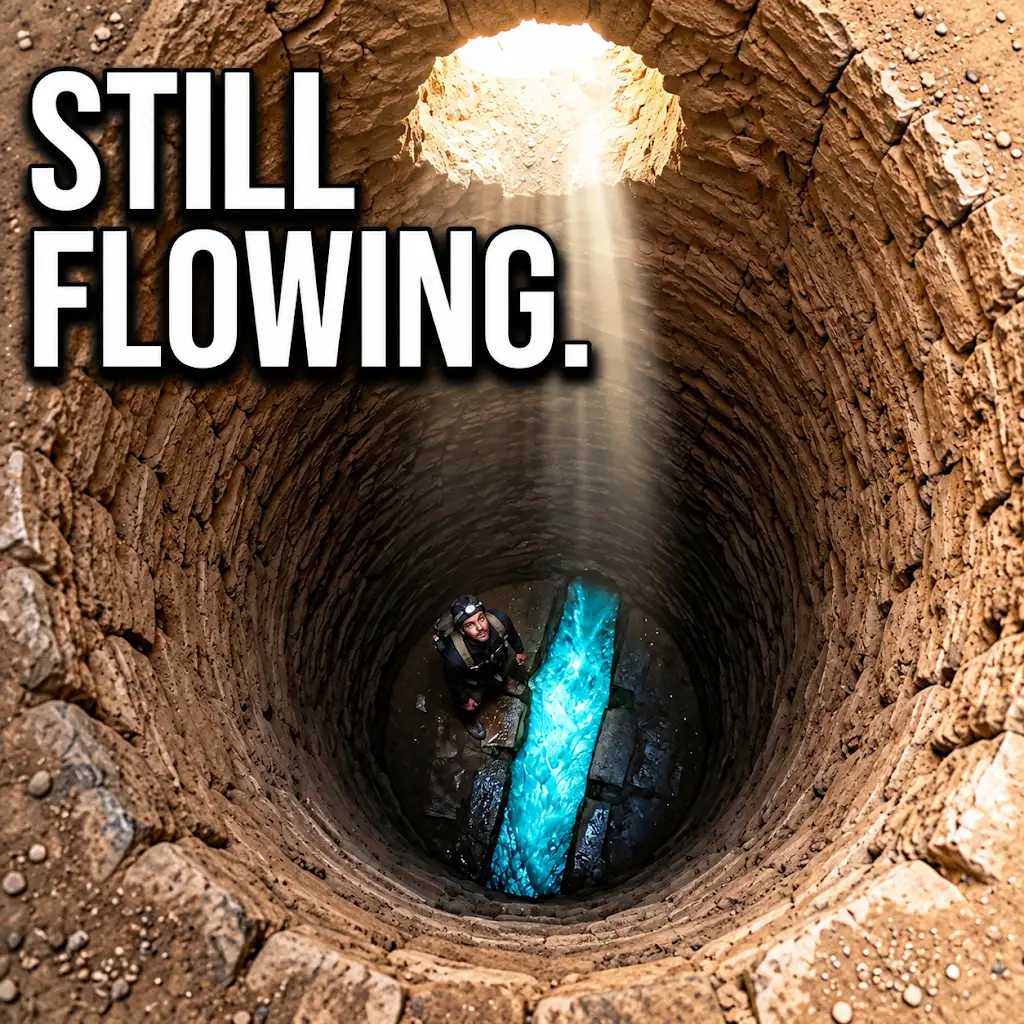
They Dug Water Tunnels Under the Desert… And They Still Flow
FAQs
What is a qanat ventilation system?
A qanat ventilation system is a traditional method of providing fresh air and cooling in underground tunnels or channels known as qanats. It involves utilizing the natural airflow to circulate air and maintain a comfortable temperature within the tunnels.
How does a qanat ventilation system work?
A qanat ventilation system works by utilizing the temperature difference between the underground tunnel and the surface to create a natural airflow. This airflow is facilitated by the presence of vertical shafts that allow fresh air to enter the tunnel and hot air to escape, creating a cooling effect.
What are the benefits of a qanat ventilation system?
Some benefits of a qanat ventilation system include providing a constant supply of fresh air, reducing the temperature within underground tunnels, and improving overall air quality. It also helps to prevent the buildup of harmful gases and ensures a comfortable working environment for those inside the tunnels.
Where are qanat ventilation systems commonly found?
Qanat ventilation systems are commonly found in arid regions with a long history of qanat construction, such as Iran, Afghanistan, and parts of North Africa. These systems have been used for centuries to provide ventilation and cooling in underground water channels and tunnels.
Are qanat ventilation systems still used today?
While modern ventilation systems have largely replaced traditional qanat ventilation systems in many areas, there are still some regions where qanats are actively used for ventilation and cooling purposes. Efforts are also being made to preserve and restore these ancient systems for their historical and cultural significance.