
The construction of qanats, ancient underground aqueduct systems, represents a remarkable feat of engineering and human ingenuity, particularly considering the often harsh and arid environments in which they were built. At the heart of any successful qanat project lies the critical element of access. Without a safe, efficient, and strategically planned method of reaching and excavating the subterranean channels, the very existence of a qanat would remain a mere theoretical concept. This article delves into the intricate techniques employed for qanat construction access, exploring the various methods utilized throughout history and the formidable challenges that accompanied these undertakings.
Excavating the Access Shafts: The First Step to Water
The genesis of every qanat project begins with the creation of a series of vertical shafts, known as wells or access shafts. These shafts serve multiple indispensable purposes: they provide a means for excavating the subterranean tunnel, allow for the removal of excavated material, facilitate ventilation, and enable ongoing maintenance once the qanat is operational. The positioning and depth of these shafts are meticulously determined by the gradient required to channel water from the aquifer to the surface. Understanding the geology of the terrain is paramount in this initial phase, as it dictates the methods and tools best suited for excavation.
Selecting the Optimal Shaft Locations
The placement of access shafts is not arbitrary; it’s a calculated decision rooted in a deep understanding of hydrology and topography. Surveyors and engineers, employing ancient methods often involving visual inspection, land leveling, and knowledge passed down through generations, would identify potential aquifer sources and the desired discharge point. The distance between shafts is a crucial factor, balancing the need for manageable excavation sections with the requirement for a consistent and gentle gradient. Too far apart, and the gradient might become too steep, leading to erosion or uncontrolled water flow. Too close, and the project’s economic viability could be compromised by excessive labor and material costs. The alignment of the shafts along the intended qanat route also ensures a straight and efficient path for the water, minimizing any unnecessary deviations that could impede flow or increase construction difficulty.
Traditional Shaft Excavation Techniques
The primary method for digging these vertical shafts historically involved manual labor and simple tools. Teams of workers, often organized into specialized units, would descend into the shafts using ropes or rudimentary scaffolding. The soil and rock were excavated using picks, shovels, and sometimes crowbars. The extracted material was then loaded into baskets or buckets, which were then hoisted to the surface using a system of pulleys and ropes, often powered by animal traction. In regions with more stable soil, wooden shoring was used to prevent collapse. For harder rock, wedges and mallets were employed to break it down. The process was labor-intensive, time-consuming, and inherently dangerous, requiring constant vigilance and skilled execution to prevent cave-ins and ensure the safety of the workers.
Adapting to Geological Variations
The geological makeup of the land significantly influenced the specific techniques employed for shaft excavation. In soft, sandy soils, the primary challenge was preventing collapse. This often necessitated the extensive use of timber shoring, with planks and beams carefully placed to reinforce the shaft walls. In some cases, a conical or slightly bell-shaped widening at the base of the shaft could help to stabilize the soil. Conversely, in hard rock formations, the focus shifted to breaking down the material. This could involve using larger wedges, sometimes heated and then doused with cold water to create thermal shock and fracture the rock. The depth of the aquifer also played a role. As shafts became deeper, the logistical challenges of removing excavated material and providing adequate ventilation increased exponentially. Deeper shafts often required more sophisticated pulley systems and the development of specialized breathing apparatus or methods for introducing fresh air into the lower levels.
Qanat construction, an ancient method of water management, plays a crucial role in regions facing water scarcity, such as the Maldives. The intricate system of underground channels not only conserves water but also supports agriculture and local ecosystems. For a deeper understanding of the challenges faced by nations like the Maldives, which are grappling with environmental issues and potential collapse, you can read more in this related article: The Maldives: A Nation on the Brink of Collapse.
Tunneling the Waterway: Connecting the Dots Underground
Once the access shafts were established, the most complex and arduous phase of qanat construction commenced: the excavation of the subterranean tunnel, or gallery, that would convey the water. This process required a delicate balance of precision, endurance, and resourcefulness, as workers carved their way through the earth, maintaining a consistent gradient over sometimes considerable distances. The efficiency and success of this tunneling operation were directly dependent on the effectiveness of the access shafts, which served as points of entry, material removal, and vital air supply.
Maintaining the Gradient: The Qanat’s Lifeline
The single most critical factor in successful qanat construction is maintaining a precise and consistent gradient. Even a slight deviation can render the entire system ineffective. This gradient, typically very gentle, is what allows gravity to naturally draw water from the aquifer to the point of discharge. Surveyors and excavators used a variety of methods to ensure this consistency. Water levels were often employed, where a trough of water was used to establish a horizontal reference. A spirit level, though less precise, might also have been used in later periods. Teams would work from established shaft positions, measuring the vertical drop and horizontal distance between them, and carefully excavating the tunnel to meet the required slope. The constant measurement and adjustment were essential, and a slight error could necessitate significant rework.
Excavation Methods in the Subterranean Gallery
The excavation of the tunnel itself was primarily a manual endeavor. Workers, often working in pairs or small teams, would dig the tunnel using picks and shovels. The tunnel’s dimensions were generally kept relatively small, just large enough for a person to crawl or work comfortably, minimizing the amount of material to be removed and the structural challenges. The excavated soil and rock were then loaded into baskets or troughs and transported back to the nearest access shaft by hand or using simple wheeled carts where the terrain allowed. This internal transportation of spoil was a major bottleneck in the construction process.
Ventilation and Airflow Management
Working underground for extended periods presents significant risks due to the depletion of oxygen and the buildup of hazardous gases, such as carbon dioxide and methane. Ensuring adequate ventilation was therefore a paramount concern. The series of access shafts played a crucial role in this. Natural convection, driven by temperature differences between the underground and surface air, would create a slow but steady airflow. However, to enhance this, workers would often use bellows or large fans made from animal skins or reeds to actively pump air into the tunnel. In some cases, burning torches were used to indicate oxygen levels; if the flame flickered or died out, it signaled a dangerous concentration of gases, prompting immediate evacuation. The constant monitoring and management of air quality were as vital as the excavation itself.
Supporting the Tunnel Structure
The stability of the subterranean tunnel was crucial for its long-term functionality. Depending on the geological conditions, different support systems were employed. In stable, rocky ground, the tunnel might require no additional support, with the natural strength of the rock providing adequate reinforcement. However, in softer soils or areas prone to collapse, timber shoring was extensively used. This involved placing horizontal beams and vertical supports to prevent the tunnel walls and roof from caving in. The size and frequency of these supports were determined by the ground conditions and the depth of the tunnel. In some instances, carefully placed stones or bricks were used to reinforce particularly vulnerable sections, creating a more permanent and robust structure.
Material Management: The Constant Challenge of Spoil Removal
One of the most pervasive and resource-intensive challenges in qanat construction, both for shafts and tunnels, was the management of excavated material, commonly referred to as spoil. The sheer volume of earth and rock that needed to be moved from underground to the surface was immense, requiring meticulous planning and dedicated labor to avoid hindering progress and to ensure the structural integrity of the system. The efficiency of spoil removal directly impacted the pace of excavation and the overall cost of the qanat.
Transporting Spoil from Shafts to Surface
As previously mentioned, the primary method for removing spoil from shafts involved hoisting it to the surface using baskets or buckets attached to ropes and pulleys. The power source for these hoisting mechanisms varied. Simple manual labor was common for shallower shafts. However, as depths increased, animal power, such as donkeys or oxen, was harnessed to turn capstans or windlasses, providing the necessary mechanical advantage to lift heavier loads more efficiently. The process was repetitive and demanding, with teams working in shifts to maintain a continuous flow of spoil removal. The layout of the surface area around the shaft was also important, with designated areas for depositing the excavated material to prevent it from accumulating and interfering with ongoing operations.
Internal Haulage within the Tunnel
Within the subterranean tunnel itself, the removal of spoil presented an even greater logistical hurdle. The confined space and limited access made traditional surface-based methods impractical. Excavated material was typically loaded into smaller baskets or troughs. Workers would then manually drag or push these containers along the tunnel floor towards the nearest access shaft. In some cases, where the tunnel gradient allowed and the ground was sufficiently firm, simple wheeled carts or sledges were used to facilitate this internal haulage, reducing friction and making the task slightly less arduous. However, this was dependent on the specific engineering of the tunnel and the materials encountered.
The Importance of Spoil Disposal and Reuse
The disposal of the vast quantities of spoil was not simply a matter of dumping it aside. Thoughtful spoil management was often integrated into the broader landscape. In many cases, the excavated material was used to create raised platforms around the discharge points of qanats, helping to protect the water source and create usable land. In some regions, the spoil was also used to build protective berms or even form the basis for agricultural terraces, demonstrating a sustainable approach to resource utilization. The knowledge of where and how to best utilize this excavated earth was as much a part of qanat engineering as the digging itself.
Tools and Technologies: Ancient Ingenuity in Action
The construction of qanats, particularly in their nascent stages, relied on a surprisingly sophisticated understanding of physics and engineering, albeit implemented with relatively simple tools. The ingenuity of ancient peoples is evident in the designs and applications of the implements they used to overcome the immense challenges of subterranean construction. These tools were not simply basic implements but were often adapted and refined for the specific demands of digging, hauling, and supporting underground structures.
Hand Tools for Excavation and Shaping
The bedrock of qanat construction was a suite of robust hand tools. Picks, with their sharpened points, were essential for breaking up harder soils and dislodging rocks. Shovels, in various sizes and shapes, were used for scooping and moving loose material. Crowbars and chisels, often made of iron or hardened bronze, were employed for prying apart stubborn rocks or carefully shaping tunnel walls. Hammers, from small mallets to larger smithing hammers, were used in conjunction with wedges to split rock. The skill of the artisan in wielding these tools was paramount, enabling them to excavate with precision and minimize wasted effort.
Hoisting Mechanisms and Material Transport
The success of spoil removal, as discussed, hinged on effective hoisting mechanisms. While often powered by animals, the design of pulleys, ropes, and capstans represented a significant technological advancement. Simple block and tackle systems, using multiple pulleys to increase mechanical advantage, were crucial for lifting heavy loads with less effort. Ropes were typically made from natural fibers like hemp or animal hides, their strength and durability carefully considered. For horizontal transport within tunnels, simple wheeled carts, often rudimentary in design with solid wooden wheels, or sledges, particularly effective on sandy or muddy ground, were employed to reduce friction and ease the burden on the workers.
Measuring and Surveying Instruments
Maintaining the precise gradient of the qanat required specialized, albeit often simple, surveying instruments. Water levels, consisting of a long trough filled with water, provided a reliable horizontal reference line. A plumb bob, a weight suspended on a string, was used to establish verticality for shaft construction. Graduated poles or marked ropes could be used for measuring distances and estimating depths. While sophisticated leveling instruments as we know them today were absent, the careful application of these basic principles allowed for the remarkable accuracy achieved in qanat construction. The knowledge and skill of the surveyors in interpreting these readings and translating them into excavation directives were indispensable.
The construction of qanats, an ancient underground aqueduct system, plays a crucial role in water management in arid regions. Access to these vital structures is essential for maintenance and sustainability, especially in areas facing water scarcity. For a deeper understanding of the socio-political dynamics that influence infrastructure projects in the region, you can explore a related article that discusses Kurdistan’s quest for independence and its implications on local development initiatives. This insightful piece can be found here.
Challenges and Risks: The Human and Environmental Toll
| Metric | Description | Typical Value | Unit |
|---|---|---|---|
| Average Depth | Depth of qanat tunnel from surface to water table | 20 – 80 | meters |
| Length of Qanat | Horizontal length from mother well to outlet | 500 – 10,000 | meters |
| Vertical Shafts Spacing | Distance between vertical access shafts | 20 – 35 | meters |
| Water Flow Rate | Volume of water delivered by qanat | 5 – 50 | liters/second |
| Construction Time | Time required to build a qanat of average length | 6 – 12 | months |
| Labor Force | Number of workers involved in construction | 10 – 30 | persons |
| Access Shaft Diameter | Diameter of vertical shafts for access and ventilation | 1.0 – 1.5 | meters |
| Gradient | Slope of qanat tunnel for water flow | 0.0005 – 0.001 | m/m (meters per meter) |
The construction of qanats was far from a benign undertaking. It was a dangerous and demanding endeavor that placed immense physical and psychological strain on the workers, and often had to contend with unpredictable environmental factors. The inherent risks were significant, and successful completion was a testament to the resilience, courage, and meticulous planning of the communities involved. Understanding these challenges provides crucial context for appreciating the achievement of qanat construction.
The Perils of Collapse and Cave-ins
The most immediate and catastrophic risk faced by qanat builders was the possibility of tunnel or shaft collapse. Working underground in unreinforced or unstable geological formations meant that at any moment, the earth could give way, trapping or crushing workers. This was particularly prevalent in areas with soft soil, loose rock, or high water tables. The construction of shoring and supports, while vital, was not always sufficient to prevent these disasters, especially in the event of tremors or sudden shifts in the ground. The constant threat of collapse created a pervasive sense of danger and required a high level of vigilance from all involved.
Respiratory Hazards and Suffocation
As previously noted, the confined nature of underground work led to a significant risk of respiratory problems. The depletion of oxygen, the accumulation of carbon dioxide from respiration, and the presence of naturally occurring gases like methane and radon posed serious threats. Without adequate ventilation, workers could quickly become disoriented, incapacitated, and ultimately suffocate. The use of open flames for lighting also consumed oxygen and could ignite flammable gases. The development and implementation of effective ventilation techniques were therefore not merely about efficiency but about ensuring the survival of the workforce.
Water Inrush and Flooding
The very purpose of a qanat is to channel water, but the process of construction often involved encountering unexpected water sources. The excavation of access shafts, particularly those reaching down to aquifer levels, or the breaching of underground water-bearing strata during tunnel construction, could lead to sudden and dangerous water inrushes. This could quickly flood the tunnel, trapping workers and potentially causing structural damage. Managing these water ingress events required quick thinking, effective pumping systems, and sometimes the temporary abandonment of sections of the qanat to prevent further disaster.
The Physical and Psychological Strain on Workers
The arduous nature of qanat construction took a severe toll on the physical health of the workers. They endured long hours of back-breaking labor, often in cramped, dark, and dangerous conditions. The repetitive nature of the work, combined with the constant physical exertion, led to high rates of injury, including musculoskeletal disorders, cuts, and abrasions. Beyond the physical toll, the psychological impact of working in such an environment cannot be overstated. The constant threat of danger, the isolation of working underground, and the sheer monotony of the task undoubtedly created significant mental stress. The social structure and community support systems within qanat-building regions played a crucial role in sustaining these workers and their families.
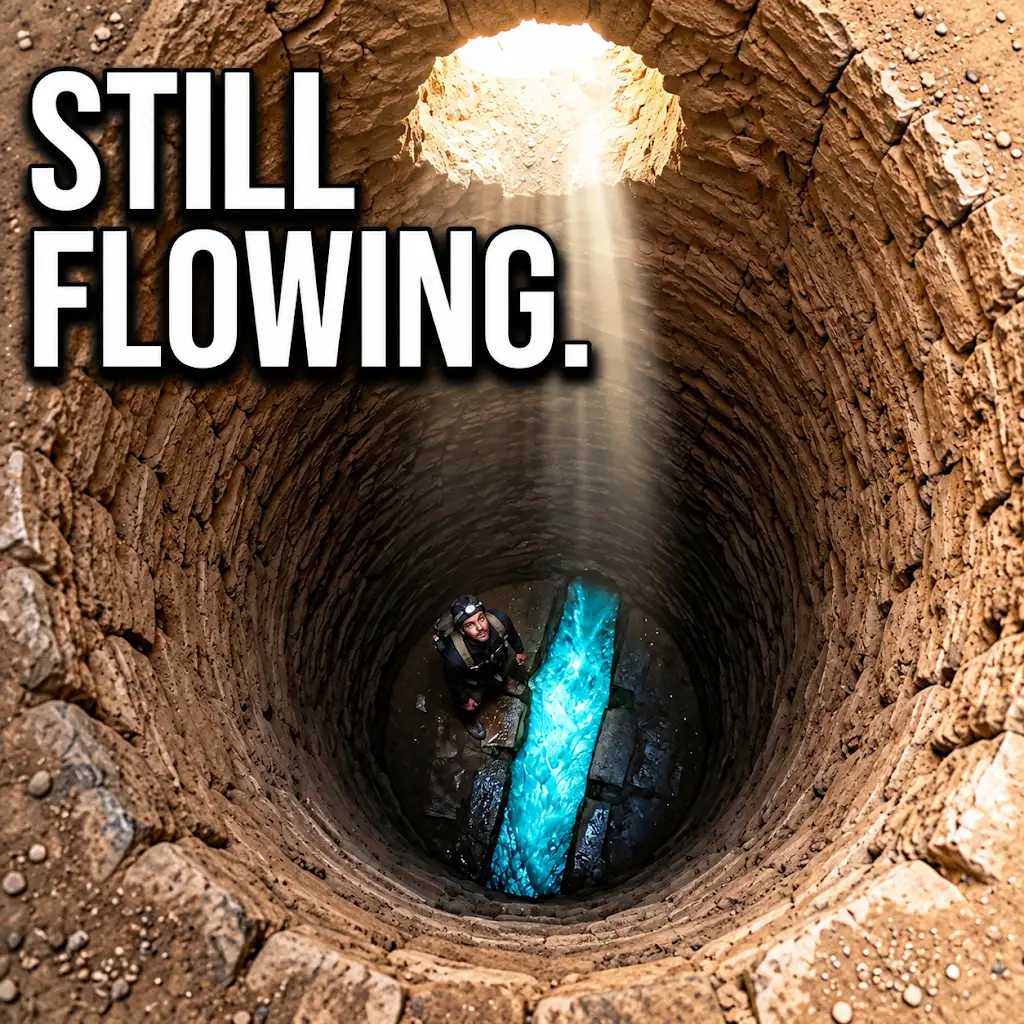
They Dug Water Tunnels Under the Desert… And They Still Flow
FAQs
What is a qanat?
A qanat is an underground water management system used to transport water from an aquifer under a hill to the surface for irrigation and drinking purposes.
How are qanats constructed?
Qanats are constructed by digging a series of vertical shafts and horizontal tunnels to reach the water source underground. These tunnels are typically sloped to allow water to flow by gravity to the surface.
What materials are used in qanat construction?
Qanats are typically constructed using materials such as stone, brick, and mortar for the shafts and tunnels. In some cases, modern materials like concrete may also be used to reinforce the structure.
How are qanats accessed for maintenance and repair?
Qanats are accessed through vertical shafts known as access wells, which are used for maintenance, repair, and cleaning of the tunnels. These access wells are typically spaced along the length of the qanat for easy entry.
What are the benefits of qanat construction access?
Qanat construction access allows for efficient maintenance and repair of the underground water system, ensuring continuous water supply for irrigation and drinking purposes. It also helps in preventing blockages and ensuring the longevity of the qanat system.