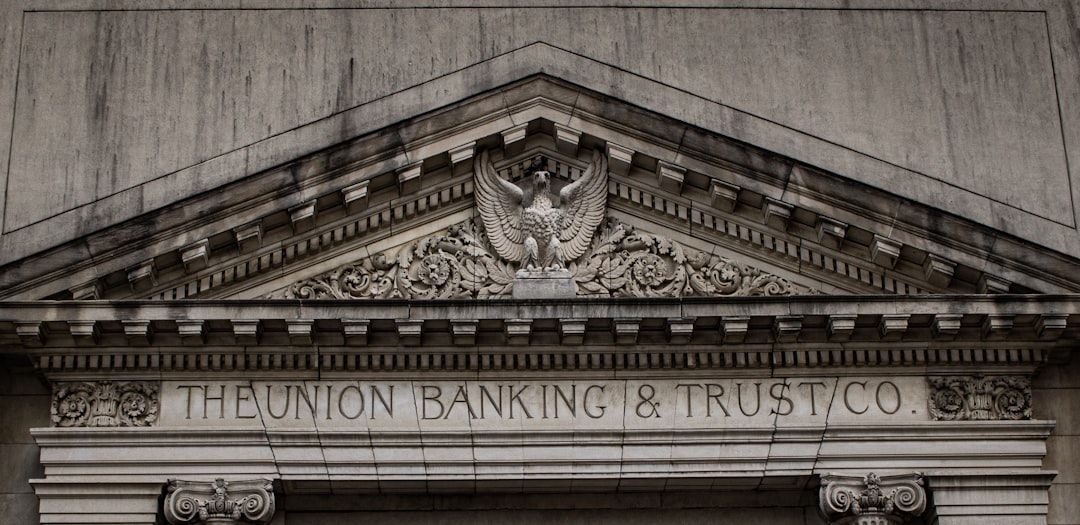
The global financial system serves as the backbone of international commerce and economic stability, facilitating the flow of capital across borders and enabling nations to engage in trade and investment. It encompasses a complex network of institutions, markets, instruments, and regulations that govern financial transactions. This intricate web not only includes traditional banks and stock exchanges but also encompasses a myriad of financial entities such as insurance companies, investment funds, and credit unions.
The system is designed to allocate resources efficiently, manage risks, and provide liquidity, thereby supporting economic growth and development. In recent decades, the global financial system has undergone significant transformations, influenced by various factors including technological advancements, regulatory changes, and shifts in consumer behavior. As economies become increasingly interconnected, the implications of financial decisions made in one part of the world can reverberate across the globe.
Understanding the dynamics of this system is crucial for policymakers, investors, and businesses alike, as it shapes the economic landscape and impacts the livelihoods of millions.
Key Takeaways
- Technology and fintech are transforming the global financial system, enhancing efficiency and accessibility.
- Central banks play a crucial role in stabilizing and guiding financial markets amid evolving economic conditions.
- Cryptocurrencies and digital assets are reshaping traditional finance, prompting new regulatory frameworks.
- Sustainable and ethical investing is becoming a significant trend influencing financial decisions worldwide.
- Geopolitical events and emerging markets significantly impact the dynamics and future direction of the financial system.
The Impact of Technology on the Financial System
Technology has revolutionized the financial system in ways that were once unimaginable. The advent of the internet and mobile technology has transformed how individuals and businesses access financial services. Online banking, mobile payment systems, and digital wallets have made transactions more convenient and accessible than ever before.
This technological evolution has not only enhanced user experience but has also increased competition among financial institutions, driving them to innovate and improve their offerings. Moreover, technology has enabled the rise of fintech companies that challenge traditional banking models. These startups leverage cutting-edge technologies such as artificial intelligence, blockchain, and big data analytics to provide tailored financial solutions.
For instance, robo-advisors use algorithms to offer personalized investment advice at a fraction of the cost of traditional financial advisors. As a result, consumers are empowered with more choices and better services, while traditional banks are compelled to adapt or risk obsolescence.
The Role of Central Banks in Shaping the Financial System
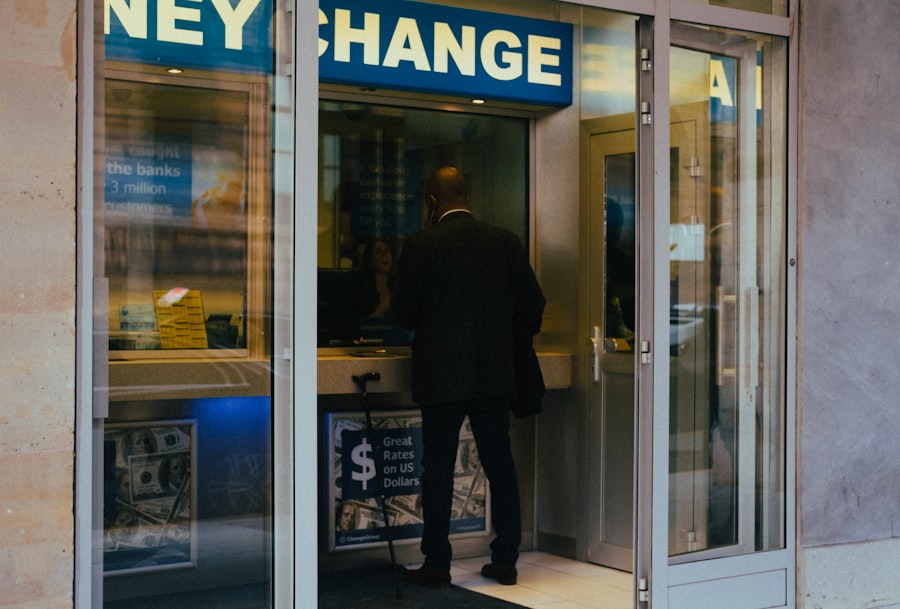
Central banks play a pivotal role in maintaining the stability and integrity of the financial system. They are responsible for implementing monetary policy, regulating financial institutions, and ensuring the smooth functioning of payment systems. By adjusting interest rates and controlling money supply, central banks influence economic activity, inflation rates, and employment levels.
Their decisions can have far-reaching consequences, affecting everything from consumer spending to international trade. In addition to their monetary policy functions, central banks also act as lenders of last resort during times of financial distress. They provide liquidity to banks facing short-term funding challenges, thereby preventing systemic crises that could lead to widespread economic turmoil.
The 2008 financial crisis underscored the importance of central banks in stabilizing markets and restoring confidence in the financial system. In response to that crisis, many central banks adopted unconventional monetary policies such as quantitative easing, which have since become integral tools in their arsenal.
The Rise of Cryptocurrencies and Digital Assets
The emergence of cryptocurrencies has introduced a new paradigm within the global financial system. Bitcoin, Ethereum, and other digital currencies have gained popularity as alternative forms of money and investment assets.
This innovation has sparked interest among investors seeking diversification beyond traditional assets. However, the rise of cryptocurrencies also presents challenges for regulators and financial institutions. The volatility associated with digital assets raises concerns about investor protection and market stability.
Additionally, issues related to fraud, money laundering, and tax evasion have prompted governments worldwide to consider regulatory frameworks for cryptocurrencies. As this sector continues to evolve, it will be crucial for stakeholders to strike a balance between fostering innovation and ensuring a secure financial environment.
The Importance of Regulatory Changes in the Financial System
| Metric | Value | Year | Notes |
|---|---|---|---|
| Global Digital Payment Volume | 726 billion transactions | 2023 | Reflects growth in digital wallets and contactless payments |
| Blockchain Adoption Rate in Financial Services | 35% | 2023 | Percentage of financial institutions using blockchain technology |
| Central Bank Digital Currency (CBDC) Projects | 90+ | 2024 | Number of countries exploring or piloting CBDCs |
| Global Fintech Investment | 150 billion | 2023 | Investment in fintech startups worldwide |
| Percentage of Cross-Border Payments Using Digital Channels | 45% | 2023 | Shift from traditional correspondent banking to digital platforms |
| Reduction in Transaction Settlement Time | From 3 days to near real-time | 2020-2024 | Due to adoption of blockchain and real-time payment systems |
Regulatory changes play a critical role in shaping the global financial system by establishing rules that govern market behavior and protect consumers. Following the 2008 financial crisis, regulators implemented sweeping reforms aimed at enhancing transparency and reducing systemic risk. Initiatives such as the Dodd-Frank Act in the United States introduced stricter oversight of financial institutions and established mechanisms for monitoring systemic risks.
As new technologies emerge and market dynamics shift, regulatory frameworks must adapt accordingly. The rise of fintech companies and cryptocurrencies has prompted regulators to rethink existing laws to address potential risks while fostering innovation. Striking this balance is essential for maintaining public trust in the financial system and ensuring its long-term stability.
Ongoing dialogue between regulators, industry participants, and consumers will be vital in crafting effective policies that promote a resilient financial ecosystem.
The Shift towards Sustainable and Ethical Investing
In recent years, there has been a notable shift towards sustainable and ethical investing within the global financial system. Investors are increasingly prioritizing environmental, social, and governance (ESG) factors when making investment decisions. This trend reflects a growing awareness of the impact that corporate practices have on society and the environment.
As a result, companies that demonstrate a commitment to sustainability are often viewed more favorably by investors. This shift is not merely a passing trend; it represents a fundamental change in how capital is allocated. Institutional investors are now incorporating ESG criteria into their investment strategies, recognizing that sustainable practices can lead to long-term value creation.
Furthermore, regulatory bodies are beginning to mandate greater transparency regarding ESG disclosures, pushing companies to adopt more responsible practices.
The Influence of Global Economic Trends on the Financial System
Global economic trends significantly impact the functioning of the financial system. Factors such as trade policies, geopolitical tensions, and shifts in consumer behavior can create ripple effects that influence market dynamics. For instance, changes in interest rates by major economies can affect capital flows across borders, leading to fluctuations in exchange rates and impacting emerging markets.
Additionally, economic growth or recession in one region can have far-reaching consequences for global markets. A slowdown in China’s economy may lead to reduced demand for commodities from resource-rich countries, affecting their currencies and stock markets. Conversely, robust growth in developed economies can stimulate investment flows into emerging markets as investors seek higher returns.
Understanding these interconnected trends is essential for stakeholders navigating the complexities of the global financial landscape.
The Role of Emerging Markets in Shaping the Financial System
Emerging markets have become increasingly influential players within the global financial system. Countries such as India, Brazil, and South Africa are experiencing rapid economic growth and urbanization, leading to rising middle classes with increased purchasing power. This demographic shift presents significant opportunities for businesses and investors alike.
As emerging markets continue to develop their financial infrastructures, they are attracting foreign direct investment (FDI) and capital inflows that contribute to their economic growth. Additionally, these markets often serve as testing grounds for innovative financial products and services tailored to local needs. However, challenges such as political instability, regulatory hurdles, and currency volatility remain prevalent in many emerging economies.
Addressing these challenges will be crucial for sustaining growth and integrating these markets into the broader global financial system.
The Impact of Geopolitical Events on the Financial System
Geopolitical events can have profound effects on the global financial system by influencing investor sentiment and market stability. Conflicts, trade disputes, or diplomatic tensions can create uncertainty that leads to market volatility. For example, escalating tensions between major powers can result in fluctuations in oil prices or disruptions in supply chains that reverberate through global markets.
Moreover, geopolitical events often prompt shifts in monetary policy as central banks respond to changing economic conditions. For instance, heightened uncertainty may lead central banks to adopt more accommodative policies to support economic growth during turbulent times. Investors must remain vigilant in monitoring geopolitical developments as they can significantly impact asset prices and investment strategies.
The Evolution of Financial Institutions and Fintech Companies
The landscape of financial institutions is undergoing a significant transformation driven by technological advancements and changing consumer preferences. Traditional banks are increasingly adopting digital solutions to enhance customer experience while competing with agile fintech companies that offer innovative services at lower costs. This evolution has led to a blurring of lines between traditional banking services and fintech offerings.
Fintech companies have emerged as disruptors within the financial sector by leveraging technology to streamline processes and reduce costs. From peer-to-peer lending platforms to robo-advisors, these companies are reshaping how consumers access financial services. As traditional banks respond by investing in technology or forming partnerships with fintech firms, the competition is likely to intensify further.
This evolution presents both opportunities and challenges for consumers as they navigate an increasingly complex array of financial products.
The Future of the Global Financial System
Looking ahead, the future of the global financial system is poised for continued evolution shaped by technological advancements, regulatory changes, and shifting consumer expectations. As digital currencies gain traction and fintech innovations proliferate, traditional banking models may need to adapt significantly to remain relevant. The integration of artificial intelligence into financial services could enhance decision-making processes while improving risk management capabilities.
Furthermore, sustainability will likely play an increasingly central role in shaping investment strategies as stakeholders prioritize ethical considerations alongside financial returns. As emerging markets continue to grow in importance within the global economy, their influence on international finance will also expand. In conclusion, understanding these trends is essential for stakeholders navigating an ever-changing landscape characterized by complexity and interconnectivity.
The global financial system will continue to evolve as it responds to new challenges and opportunities presented by technological advancements and societal shifts.
The transformation of the global financial system is a critical topic in today’s rapidly changing economic landscape. For a deeper understanding of the challenges and opportunities that lie ahead, you can read a related article that explores these themes in detail. Check it out here: Global Financial System Transformation.
WATCH THIS! 🚨 The Secret Deal That Will Break America
FAQs
What is the global financial system?
The global financial system refers to the worldwide framework of institutions, markets, regulations, and agreements that facilitate the flow of capital and financial services across countries. It includes central banks, commercial banks, stock exchanges, international financial organizations, and regulatory bodies.
Why is the global financial system undergoing transformation?
The global financial system is transforming due to technological advancements, changes in economic power, regulatory reforms, the rise of digital currencies, and the need for greater financial stability and inclusion. These factors drive innovation and adaptation to new challenges and opportunities.
What are the key drivers of the transformation in the global financial system?
Key drivers include digitalization and fintech innovations, the emergence of cryptocurrencies and central bank digital currencies (CBDCs), shifts in global economic power towards emerging markets, increased regulatory scrutiny, and efforts to enhance transparency and reduce systemic risks.
How do digital currencies impact the global financial system?
Digital currencies, including cryptocurrencies and CBDCs, offer faster, cheaper, and more transparent payment systems. They can improve financial inclusion but also pose challenges related to regulation, security, monetary policy, and cross-border transactions.
What role do international organizations play in the transformation?
International organizations such as the International Monetary Fund (IMF), World Bank, Bank for International Settlements (BIS), and Financial Stability Board (FSB) help coordinate policies, set regulatory standards, provide financial assistance, and promote stability and cooperation among countries.
How does the transformation affect global financial stability?
While innovations can enhance efficiency and inclusion, they also introduce new risks such as cyber threats, market volatility, and regulatory gaps. Effective oversight and international cooperation are essential to maintaining global financial stability during the transformation.
What is the significance of regulatory reforms in the transformation?
Regulatory reforms aim to strengthen the resilience of financial institutions, improve transparency, prevent financial crimes, and adapt to new technologies. They help ensure that the evolving financial system operates safely and fairly for all participants.
How does the transformation influence emerging markets?
Emerging markets may benefit from improved access to capital, enhanced payment systems, and financial inclusion. However, they also face challenges such as adapting to new technologies, managing capital flows, and aligning with international regulatory standards.
What are the potential challenges of transforming the global financial system?
Challenges include managing cybersecurity risks, ensuring regulatory harmonization, addressing privacy concerns, preventing financial exclusion, and balancing innovation with financial stability and consumer protection.
How can individuals and businesses adapt to changes in the global financial system?
Individuals and businesses can stay informed about technological developments, adopt new financial tools responsibly, comply with evolving regulations, and seek professional advice to navigate the changing financial landscape effectively.