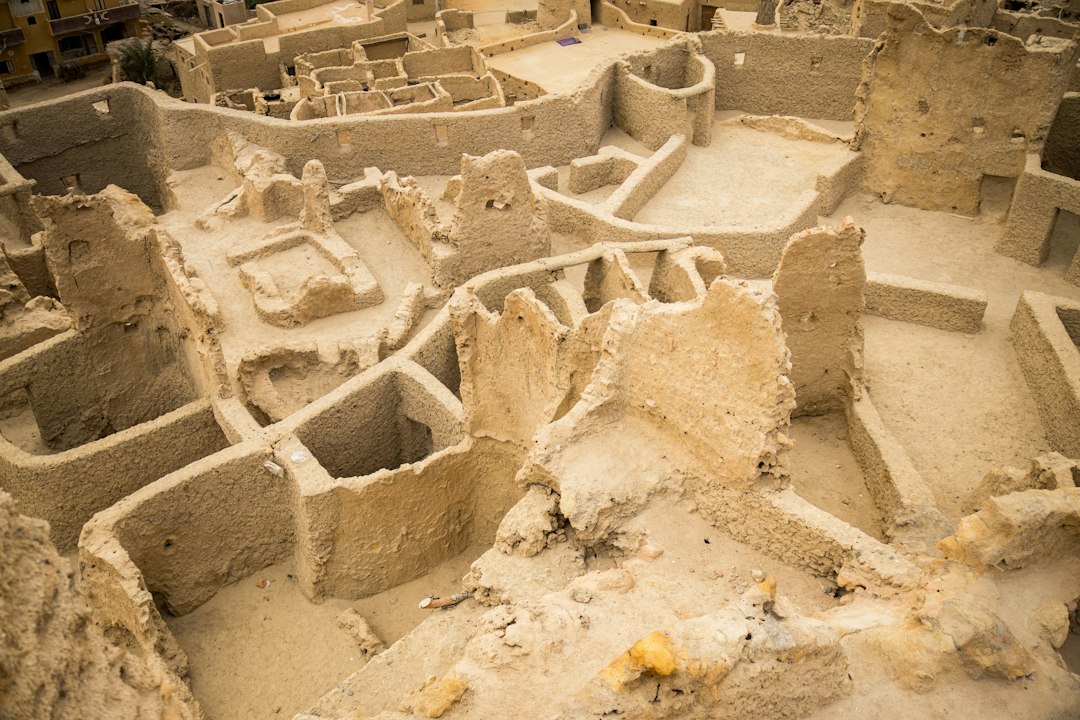
The ancient Persians, a civilization that rose to prominence in the vast expanse of Western Asia, left an indelible mark on the trajectory of early human civilization. Their empire, at its zenith, stretched from the Indus Valley to Eastern Europe, a testament to their organizational prowess and, crucially, their sophisticated technological advancements. Far from being merely conquerors, the Achaemenid Persians, and their predecessors and successors, were astute innovators, engineers, and administrators whose ingenuity shaped the very fabric of governance, infrastructure, and daily life across a diverse and sprawling dominion. Their contributions, often overshadowed by their military might, were fundamental to the development of organized societies, laying the groundwork for subsequent empires and influencing the course of human history in profound and lasting ways.
The Masters of Water: Ingenuity in Arid Lands
The ability to manage and harness water resources was paramount for the survival and prosperity of any civilization, particularly in the arid and semi-arid regions that characterized much of the Persian heartland. The ancient Persians, faced with this inherent challenge, developed and refined a series of groundbreaking water management systems that not only sustained their populations but also enabled agricultural expansion and urban development. Their understanding of hydrology, coupled with a remarkable engineering acumen, allowed them to conquer the limitations of their environment, transforming barren landscapes into fertile oases and ensuring a consistent supply of this vital resource.
The qanat: Subterranean Lifelines
Perhaps the most iconic and enduring Persian technological innovation is the qanat system. This ingenious network of underground aqueducts, stretching for miles, was designed to tap into groundwater sources in the highlands and channel it, through a series of vertical shafts and gently sloping tunnels, to agricultural lands and settlements in the plains below. The genius of the qanat lay in its ability to minimize evaporation, a critical concern in hot, dry climates. Unlike open canals, which would lose a significant portion of their water to the sun, the qanats kept the water cool and protected. The vertical shafts, spaced at regular intervals, served multiple purposes: they allowed for the construction and maintenance of the tunnels, provided ventilation, and offered access to the water for assessment and repair. The gradient of the qanat was meticulously calculated to ensure a steady, gravity-driven flow without excessive erosion or waterlogging. The construction of a qanat was a monumental undertaking, requiring skilled surveyors, miners, and laborers, as well as significant investment of time and resources. Yet, the rewards were immense, providing a reliable and sustainable water supply that could support large populations and intensive agriculture. The qanat system was not merely a technical marvel; it was a social and economic linchpin, fostering community cooperation for its construction and maintenance and enabling the development of sophisticated irrigation practices that transformed agriculture. The qanats, many of which are still functional today, stand as a testament to the practical ingenuity and long-term vision of ancient Persian engineers.
Irrigation and Hydraulic Engineering
Beyond the qanats, the Persians also excelled in surface irrigation techniques. They understood the importance of water distribution and developed intricate canal systems to spread water across agricultural fields. These canals were often lined with stone or baked clay to prevent seepage and erosion. Dams, built from earth, stone, and mortar, were constructed to impound water from rivers, creating reservoirs that could be tapped during drier periods. These dams were not just for irrigation; they also played a role in flood control, protecting settlements from the destructive power of swollen rivers. The Persians also developed sophisticated water-lifting devices, such as the shaduf, a simple lever system, and later, more complex water wheels, to raise water from rivers and wells to irrigate higher ground. Their understanding of hydraulics extended to urban planning, with elaborate drainage systems designed to carry away wastewater and prevent flooding within cities. The integration of these diverse water management strategies allowed the Persians to cultivate a wide range of crops, including grains, fruits, and vegetables, contributing to the wealth and sustenance of their empire.
Ancient Persian technology was remarkable for its time, showcasing innovations in various fields such as engineering, agriculture, and architecture. One fascinating aspect of this technological advancement was the development of qanats, an underground aqueduct system that efficiently transported water from mountainous regions to arid areas, significantly improving agricultural productivity. For a broader understanding of how ancient civilizations navigated and utilized their environments, you may find this article on modern challenges and opportunities in maritime navigation insightful: Navigating the South China Sea: Challenges and Opportunities.
The Architecture of Power and Administration
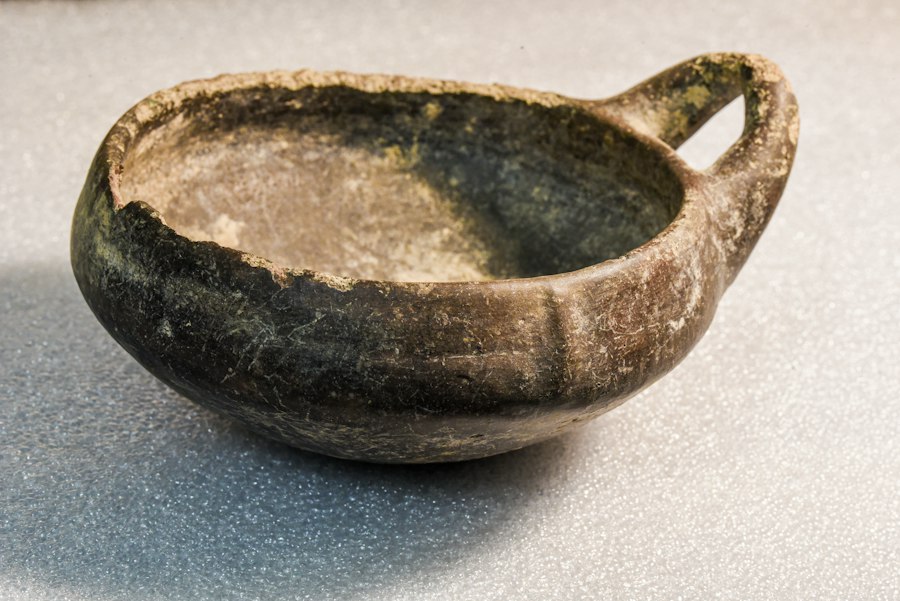
The vastness of the Persian Empire necessitated a robust infrastructure that could facilitate communication, trade, and administration. The Persians were not only skilled builders but also visionary urban planners and engineers who created structures and networks that facilitated the governance of their sprawling territories and showcased their immense power and cultural sophistication. Their architectural achievements were a fusion of practical necessity and aesthetic grandeur, leaving behind a legacy of monumental ruins that continue to inspire awe.
Royal Roads and Communication Networks
The Achaemenid Persians are renowned for their development of the Royal Road, a meticulously planned and maintained network of highways that spanned the empire. This was not simply a collection of paths; it was a sophisticated transportation and communication system designed for rapid movement of troops, officials, and messengers. The Royal Road was paved in many sections, featured bridges, caravanserais (roadside inns) at regular intervals, and a relay system of horsemen known as chiryadara. These swift riders could cover vast distances with remarkable speed, carrying messages and dispatches across the empire, allowing for swift communication between the capital and distant satrapies. This efficient communication network was crucial for maintaining control over such a large territory, enabling the king to receive intelligence, issue commands, and respond quickly to any threats or rebellions. The Royal Road was a logistical marvel, demonstrating a sophisticated understanding of logistics, engineering, and human resource management.
Monumental Architecture and Engineering Marvels
The Persians were also renowned for their monumental architecture, exemplified by the magnificent palaces at Persepolis and Susa. These complexes were not only centers of royal power and administration but also showcases of Persian artistry and engineering prowess. The construction of these vast palaces involved quarrying and transporting massive stone blocks, some weighing many tons, from distant mountains. This feat alone required sophisticated techniques for stone extraction, shaping, and transportation, likely utilizing ramps, levers, and teams of oxen. The intricate bas-reliefs adorning the walls of these palaces, depicting processions of tribute bearers, royal audiences, and scenes of daily life, demonstrate a high level of craftsmanship and artistic skill. Furthermore, the Persians employed advanced architectural techniques, including the use of buttresses, arches, and domes in their structures, demonstrating a growing understanding of structural engineering. The construction of elaborate drainage systems within these palace complexes further highlights their attention to detail and their commitment to creating functional and aesthetically pleasing environments. The sheer scale and complexity of these architectural projects underscore their mastery of planning, organization, and execution, showcasing their ability to mobilize vast labor forces and resources to achieve ambitious goals.
Urban Planning and Infrastructure
Beyond their palaces, the Persians demonstrated a keen understanding of urban planning and infrastructure development. They established new cities and revitalized existing ones, laying them out with planned streets, public squares, and essential amenities. The integration of water supply and drainage systems within urban areas was a priority, ensuring public health and sanitation. The construction of elaborate fortifications and defensive walls around cities further illustrates their strategic thinking and their commitment to protecting their populace and infrastructure. The development of standardized weights and measures, facilitated by their administrative infrastructure, also contributed to the smooth functioning of trade and commerce within the empire, further integrating the diverse regions under Persian rule.
Metallurgy and Material Innovation
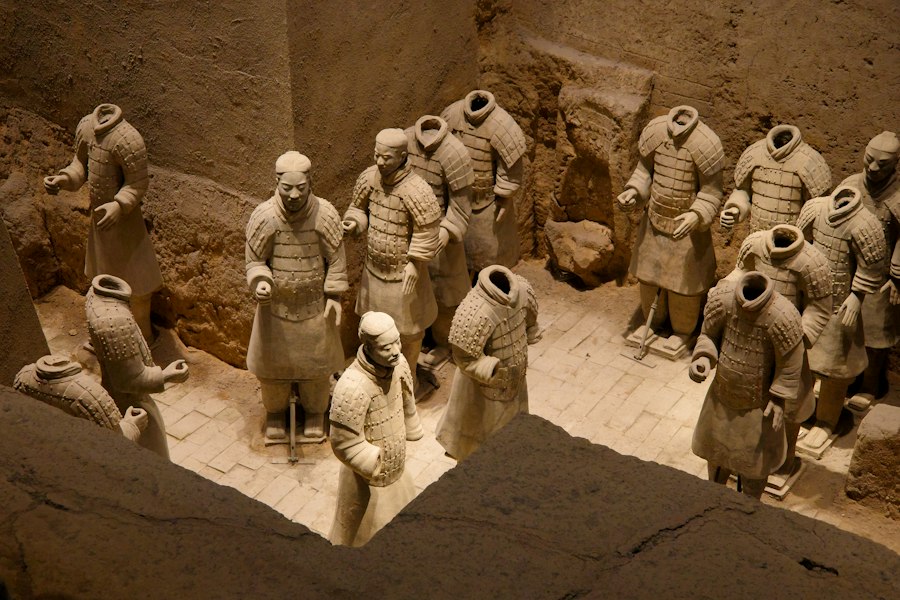
The ancient Persians were not only adept at manipulating water and stone but also possessed a profound understanding of metals and their applications. Their mastery of metallurgy allowed them to create a wide array of tools, weapons, and decorative objects, contributing to advancements in warfare, agriculture, and craftsmanship. This expertise in working with different metals was a crucial factor in their economic and military strength.
Ironworking and Advanced Toolmaking
While bronze had been the dominant metal for centuries, the Persians were at the forefront of the widespread adoption and refinement of ironworking. They developed sophisticated techniques for smelting iron ore, forging iron into durable tools and weapons. Iron tools, such as plowshares and axes, were significantly stronger and more effective than their bronze predecessors, leading to increased agricultural productivity and more efficient resource extraction. The production of iron weapons, such as swords and spearheads, gave Persian armies a decisive advantage on the battlefield, contributing to their military dominance. The ability to extract and process iron on a large scale was a testament to their metallurgical knowledge and their capacity for organized industrial production.
Gold, Silver, and Precious Metalworking
The vast wealth of the Persian Empire, fueled by tribute and extensive trade networks, allowed for the flourishing of precious metalworking. Persian artisans were renowned for their exquisite craftsmanship in gold and silver, producing intricate jewelry, elaborate tableware, and finely detailed decorative objects. The discovery of numerous gold and silver artifacts from ancient Persian sites attests to their skill in techniques such as repoussé, granulation, and filigree. These objects were not merely ornamental; they often served as symbols of wealth, status, and royal power, adorning the persons of kings, nobles, and the elite. The extensive use of precious metals in coinage also facilitated economic transactions and further integrated the diverse regions of the empire into a unified economic system.
Bronze and its Continued Importance
While iron gained prominence, bronze remained an important material for the Persians, particularly for specific applications. Bronze was still used for weaponry, armor, and certain types of tools where its malleability and resistance to corrosion were advantageous. The Persians also employed bronze in the casting of statues and decorative elements, demonstrating a continued mastery of this versatile alloy. Their ability to work with both iron and bronze, and to select the appropriate material for a given application, showcased a sophisticated understanding of material science.
The Science of Governance: Administration and Standardization
The success of the vast Persian Empire was not solely a matter of military might or technological innovation; it was also a testament to their exceptional administrative capabilities. The Persians developed a highly organized and standardized system of governance that allowed them to effectively manage their diverse territories and diverse populations. This administrative prowess, underpinned by technological advancements, laid the foundation for future imperial models.
Standardization of Weights, Measures, and Coinage
One of the most significant administrative innovations of the Persians was the standardization of weights, measures, and coinage. Prior to their reign, trade and administration were often hampered by a multiplicity of local systems. The Persians introduced a standardized system of weights and measures across the empire, facilitating trade and ensuring fairness in transactions. This standardization extended to coinage, with the introduction of the gold daric and the silver siglo, which became widely accepted currencies throughout the empire. This unified currency simplified trade, facilitated tax collection, and helped to integrate the economic activities of disparate regions. This move towards standardization was a crucial step in the development of a cohesive and efficient imperial administration.
Record-Keeping and the Development of Bureaucracy
The immense scale of the Persian Empire necessitated a sophisticated system of record-keeping. The Persians developed a complex bureaucracy staffed by trained scribes who meticulously recorded all manner of information, from tax revenues and census data to legal proceedings and royal decrees. This systematic approach to record-keeping was crucial for maintaining control, monitoring economic activity, and ensuring the efficient functioning of the state. The use of cuneiform script on clay tablets, and later on papyrus and parchment, allowed for the creation and preservation of detailed administrative documents. The development of such a robust bureaucratic system was a groundbreaking achievement, laying the groundwork for future administrative structures in subsequent empires.
The Role of the King and the Satrapies
The Persian administrative system was characterized by a centralized monarchy, with the Great King at its apex. However, the empire was divided into provinces, or satrapies, each governed by a satrap appointed by the king. This system of decentralized governance, while ultimately answerable to the king, allowed for efficient administration of local affairs. The satraps were responsible for collecting taxes, maintaining order, and administering justice within their territories. The presence of royal inspectors, who traveled throughout the empire to ensure the satraps were acting in the king’s interest, provided a crucial check and balance. This carefully structured system of governance, supported by technological advancements in communication and record-keeping, was instrumental in maintaining the stability and prosperity of the Persian Empire for centuries.
Ancient Persian technology played a crucial role in shaping the civilization’s infrastructure and innovations, particularly in areas such as irrigation and architecture. The impressive qanat system, which allowed for the efficient transport of water across vast arid regions, exemplifies the ingenuity of Persian engineers. For a deeper understanding of how historical advancements continue to influence modern geopolitical landscapes, you can explore the article on navigating global tensions found here. This connection between ancient practices and contemporary issues highlights the enduring legacy of Persian ingenuity.
Legacy and Lasting Influence
| Technology | Description | Period | Significance |
|---|---|---|---|
| Qanat Irrigation System | Underground channels to transport water from aquifers to surface for irrigation and drinking | Circa 1st millennium BCE | Enabled agriculture in arid regions, sustainable water management |
| Persian Wheel (Saqqiya) | Water-lifting device powered by animals to raise water for irrigation | Ancient times, widely used during Achaemenid Empire | Improved irrigation efficiency and agricultural productivity |
| Royal Road | Extensive road system connecting the Persian Empire for communication and trade | 6th century BCE | Facilitated rapid communication and economic integration |
| Stone and Metalworking | Advanced techniques in crafting tools, weapons, and architectural elements | Throughout Persian empires | Contributed to military strength and monumental architecture |
| Windcatchers (Badgir) | Architectural elements designed to cool buildings using natural ventilation | Developed in later Persian periods | Early form of passive cooling technology |
The technological and administrative innovations of the ancient Persians were not fleeting achievements confined to their own era. Their legacy resonated throughout the ancient world and beyond, influencing subsequent civilizations and leaving an enduring mark on the development of human society. Their ingenuity and foresight provided a blueprint for organization, engineering, and governance that would be adapted and built upon for millennia.
The Spread of Persian Technologies
The vastness of the Persian Empire facilitated the diffusion of its technologies and innovations. As the empire expanded and interacted with other cultures, its advancements in areas such as water management, metallurgy, and infrastructure gradually spread. The qanat system, for instance, was adopted and adapted by successor civilizations in the Middle East and North Africa. Similarly, Persian architectural styles and engineering principles influenced building practices in conquered territories. The Royal Road, while primarily a Persian creation, demonstrated the effectiveness of well-maintained communication networks, a concept that would be emulated by later empires.
Influence on Subsequent Empires and Civilizations
The organizational and administrative models developed by the Persians had a profound impact on subsequent empires, most notably the Hellenistic empires that emerged after Alexander the Great’s conquest. The administrative structures, standardized systems, and bureaucratic practices of the Achaemenids provided a ready-made framework for the new rulers to govern their vast territories. The Romans, in their own impressive feats of engineering and governance, undoubtedly drew inspiration from the achievements of the Persians, particularly in areas like road construction, aqueduct building, and urban planning. The very concept of a unified empire, with its emphasis on standardization and efficient administration, owes a significant debt to the Persian model.
Enduring Architectural and Engineering Wonders
Even today, the remnants of Persian technological prowess stand as awe-inspiring testaments to their skill. The monumental ruins of Persepolis and Susa, the surviving sections of qanats that continue to irrigate lands, and the vastness of the ancient road networks all speak to the ingenuity and ambition of the ancient Persians. These physical manifestations of their technological advancements serve as a constant reminder of their contributions to the early development of civilization, solidifying their place as true innovators who shaped the world in which we live. Their ability to harness nature, build enduring structures, and administer vast territories set a standard for excellence that continues to captivate and inspire.

They Dug Water Tunnels Under the Desert… And They Still Flow
FAQs
What are some examples of ancient Persian technology?
Ancient Persian technology included advancements in irrigation systems, underground aqueducts (qanats), windmills, postal systems, and architectural innovations such as the use of arches and domes.
How did ancient Persians contribute to the development of mathematics and astronomy?
Ancient Persians made significant contributions to mathematics and astronomy by developing algebra, trigonometry, and spherical geometry. They also made advancements in calendar systems and astronomical observations.
What role did ancient Persian engineers play in the construction of infrastructure projects?
Ancient Persian engineers were instrumental in designing and constructing infrastructure projects such as roads, bridges, and underground water channels. They also developed advanced techniques for building fortifications and palaces.
How did ancient Persians utilize their knowledge of metallurgy and metalworking?
Ancient Persians were skilled in metallurgy and metalworking, using techniques such as casting, forging, and alloying to create tools, weapons, and decorative objects. They also developed sophisticated methods for mining and extracting metals.
What impact did ancient Persian technology have on later civilizations?
Ancient Persian technology had a lasting impact on later civilizations, influencing advancements in engineering, architecture, mathematics, and astronomy. Many of their innovations were adopted and further developed by neighboring cultures and empires.