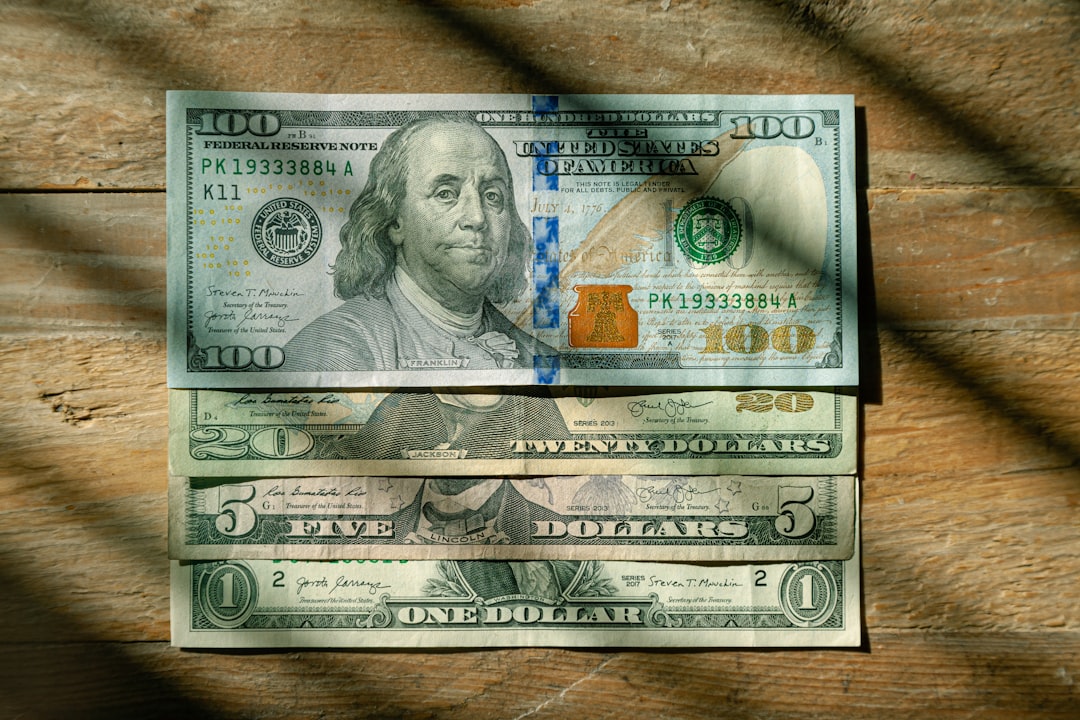
The emergence of the US dollar as the dominant global currency can be traced back to the aftermath of World War
As nations rebuilt their economies, the United States found itself in a unique position of strength, both militarily and economically. The Bretton Woods Conference in 1944 solidified this status, establishing a system where currencies were pegged to the dollar, which in turn was convertible to gold. This arrangement not only facilitated international trade but also instilled confidence in the dollar as a stable medium of exchange.
Over the decades, the dollar’s supremacy was further reinforced by the US’s vast economic resources, technological advancements, and political influence.
As the decades progressed, the dollar became synonymous with global trade and finance. The establishment of institutions like the International Monetary Fund (IMF) and the World Bank, both heavily influenced by American policies, further entrenched the dollar’s position. By the late 20th century, approximately 80% of global transactions were conducted in dollars, a testament to its pervasive reach.
This dominance allowed the United States to wield significant power over international economic policies and practices, often using its currency as a tool for geopolitical leverage.
Key Takeaways
- The US dollar has maintained global dominance due to its central role in international trade and finance.
- Emerging challenges include geopolitical shifts, alternative currencies, and digital currencies gaining traction.
- Alternatives like the euro, yuan, and cryptocurrencies are increasingly considered to reduce reliance on the dollar.
- A decline in dollar hegemony could reshape global trade dynamics and geopolitical power balances.
- Countries and businesses are developing strategies to adapt to a potential post-dollar dominated financial system.
The Role of the US Dollar in the Global Economy

The US dollar serves as the primary reserve currency for many nations, a status that bestows numerous advantages upon the United States. Central banks around the world hold substantial amounts of dollars in their reserves, which provides liquidity and stability to their economies. This reliance on the dollar means that countries must maintain a certain level of dollar reserves to facilitate international trade and investment.
Consequently, fluctuations in the dollar’s value can have far-reaching implications for global economic stability. Moreover, the dollar’s role extends beyond mere transactions; it is also a benchmark for pricing commodities such as oil, gold, and other essential goods. This pricing mechanism creates a consistent framework for international trade, allowing countries to engage in commerce with a common understanding of value.
The dollar’s dominance in commodity markets further cements its status as a global currency, making it indispensable for nations seeking to participate in the global economy.
Challenges to Dollar Hegemony
Despite its entrenched position, dollar hegemony faces increasing challenges from various fronts. One significant factor is the rise of emerging economies, particularly China and India, which are seeking to expand their influence on the global stage. As these nations grow economically, they are also advocating for alternative currencies to challenge the dollar’s supremacy.
China’s Belt and Road Initiative, for instance, aims to create a network of trade routes that could facilitate transactions in yuan rather than dollars. Additionally, geopolitical tensions have prompted some countries to reconsider their reliance on the dollar. Sanctions imposed by the United States on nations like Iran and Russia have highlighted vulnerabilities associated with dollar dependence.
In response, these countries have begun exploring bilateral trade agreements that bypass the dollar altogether, opting instead for local currencies or alternative arrangements. This shift signals a growing desire among nations to reduce their exposure to US economic policies and potential sanctions.
Alternatives to the US Dollar
| Metric | Value | Year | Notes |
|---|---|---|---|
| US Dollar Share of Global Foreign Exchange Reserves | 59% | 2023 | Decline from 71% in 1999, indicating reduced dominance |
| Percentage of Global Trade Invoiced in US Dollar | 38% | 2022 | Down from over 50% two decades ago |
| US Dollar Share of Global Debt Securities | 40% | 2023 | Declining as other currencies gain ground |
| Number of Countries Using Alternative Currencies for Reserves | 30+ | 2024 | Increase in countries diversifying away from US dollar |
| Percentage of Global Central Bank Gold Reserves | 12% | 2023 | Gold holdings rising as a hedge against dollar volatility |
| Share of Petrochemical Contracts Priced in US Dollar | 70% | 2023 | Still dominant but facing competition from other currencies |
In light of these challenges, several alternatives to the US dollar have emerged on the global stage. The euro, introduced in 1999, has positioned itself as a viable competitor, particularly within Europe and among trading partners who seek to diversify their currency holdings.
Another notable contender is China’s yuan, which has gained traction as an alternative currency for trade and investment. The Chinese government has actively promoted the yuan’s internationalization through initiatives such as currency swap agreements with other nations and inclusion in the International Monetary Fund’s Special Drawing Rights basket. As China’s economy continues to expand, so too does its ambition to establish the yuan as a global currency capable of rivaling the dollar.
The Impact of Dollar Hegemony on Global Trade
The dominance of the US dollar has profound implications for global trade dynamics. For one, it simplifies transactions between countries by providing a common currency for pricing goods and services. This uniformity reduces exchange rate risks and transaction costs, facilitating smoother trade flows.
Moreover, dollar hegemony can create imbalances in trade relationships. Countries that hold significant dollar reserves may find themselves at a disadvantage if their economies are not aligned with US interests or if they face sanctions.
This dynamic can lead to tensions between nations and contribute to a sense of economic dependency on the United States. As countries seek greater autonomy in their trade relationships, they may increasingly look for ways to mitigate these risks by diversifying their currency holdings.
The Future of Dollar Hegemony
The future of dollar hegemony remains uncertain as various factors converge to challenge its dominance. While the dollar is likely to retain its status as the primary reserve currency for the foreseeable future, its grip may loosen as alternative currencies gain traction. The ongoing evolution of global economic power dynamics suggests that countries will continue to explore options that reduce their reliance on the dollar.
Technological advancements also play a crucial role in shaping the future landscape of currency use. The rise of digital currencies and blockchain technology presents new opportunities for transactions that could bypass traditional banking systems and established currencies altogether. As nations experiment with these innovations, they may find new ways to facilitate trade without relying solely on the US dollar.
Geopolitical Implications of the End of Dollar Hegemony
Should dollar hegemony wane significantly, geopolitical implications would be profound. A shift away from the dollar could lead to a reconfiguration of global alliances and power structures. Countries that have long relied on US economic support may find themselves reassessing their relationships with Washington as they seek new partners and alternatives for trade.
Furthermore, a decline in dollar dominance could embolden nations that have historically been marginalized by US policies. Countries like Russia and Iran may find new opportunities to strengthen their economic ties with one another and with other nations seeking alternatives to US influence. This shift could lead to increased regional cooperation among non-Western countries and potentially reshape global governance structures.
The Role of Digital Currencies in Challenging Dollar Hegemony
Digital currencies are emerging as a significant force capable of challenging traditional financial systems and potentially undermining dollar hegemony. Central banks around the world are exploring Central Bank Digital Currencies (CBDCs) as a means to modernize payment systems and enhance financial inclusion. These digital currencies could facilitate cross-border transactions more efficiently than traditional banking methods, reducing reliance on the US dollar.
Moreover, cryptocurrencies like Bitcoin and Ethereum have gained popularity as decentralized alternatives to fiat currencies. While still volatile and subject to regulatory scrutiny, these digital assets offer an avenue for individuals and businesses to transact without intermediaries or reliance on traditional banking systems. As adoption increases, they could provide an alternative framework for international trade that bypasses established currency norms.
The Potential Consequences of a Shift Away from the US Dollar
A significant shift away from the US dollar could yield both positive and negative consequences for global economies. On one hand, countries may experience increased economic sovereignty as they reduce their dependence on a single currency controlled by another nation. This newfound autonomy could foster greater resilience against external shocks and allow nations to pursue independent monetary policies tailored to their specific needs.
On the other hand, such a transition could lead to instability in financial markets as investors adjust to new realities. A decline in demand for dollars could result in depreciation, impacting countries that hold substantial reserves in dollars. Additionally, geopolitical tensions may escalate as nations vie for influence over emerging currencies and seek to establish new trading blocs that reflect shifting power dynamics.
The Role of Emerging Economies in Challenging Dollar Hegemony
Emerging economies play a pivotal role in challenging dollar hegemony as they seek greater representation in global financial systems. Countries like Brazil, India, and South Africa are increasingly advocating for reforms that promote multipolarity in international finance. Their collective efforts aim to create an environment where multiple currencies can coexist alongside the dollar, reducing reliance on any single currency.
These emerging economies are also exploring regional trade agreements that prioritize local currencies over dollars. Initiatives such as BRICS (Brazil, Russia, India, China, South Africa) aim to foster economic cooperation among member states while promoting alternative currencies for trade settlements. As these nations collaborate more closely, they may create a formidable bloc capable of influencing global economic policies.
Strategies for Adapting to a Post-Dollar Hegemony World
As the world contemplates a future beyond dollar hegemony, nations must develop strategies to adapt to changing economic landscapes. Diversifying currency reserves is one approach that central banks can adopt to mitigate risks associated with dollar fluctuations. By holding a mix of currencies from emerging economies or commodities like gold, countries can enhance their financial resilience.
Additionally, fostering bilateral trade agreements that prioritize local currencies can help reduce dependence on the dollar for international transactions. Countries can explore innovative payment systems that leverage technology to facilitate cross-border trade without relying solely on traditional banking infrastructure. By embracing digital currencies and blockchain technology, nations can position themselves at the forefront of evolving financial systems while navigating potential challenges posed by shifting currency dynamics.
In conclusion, while dollar hegemony has shaped global trade and finance for decades, emerging challenges signal a potential shift in this paradigm. As alternative currencies gain traction and digital innovations reshape financial landscapes, nations must adapt strategically to navigate an increasingly multipolar world where reliance on any single currency may diminish over time.
The discussion surrounding the potential end of dollar hegemony has gained significant traction in recent years, particularly as countries explore alternatives to the U.S. dollar for international trade. A related article that delves into this topic can be found at this link, where various economic implications and geopolitical shifts are analyzed in detail.
WATCH THIS! 🚨 The Secret Deal That Will Break America
FAQs
What is dollar hegemony?
Dollar hegemony refers to the dominant role of the US dollar as the world’s primary reserve currency and its widespread use in international trade, finance, and central bank reserves.
Why is the US dollar considered hegemonic?
The US dollar is considered hegemonic because it is the most widely used currency for global transactions, pricing of commodities like oil, and is held in large quantities by central banks as foreign exchange reserves.
What factors contribute to the potential end of dollar hegemony?
Factors include the rise of alternative currencies like the euro and Chinese yuan, increased use of digital currencies, geopolitical shifts, diversification of reserves by countries, and efforts to reduce dependence on the dollar in international trade.
How would the end of dollar hegemony impact the global economy?
The end of dollar hegemony could lead to increased currency volatility, changes in global trade dynamics, shifts in financial markets, and potentially higher borrowing costs for the US. It may also encourage a more multipolar currency system.
Are there any current alternatives to the US dollar for international trade?
Yes, alternatives include the euro, Chinese yuan (renminbi), Japanese yen, and digital currencies. Some countries are also exploring bilateral trade agreements using their own currencies.
What role does the US economy play in maintaining dollar hegemony?
The size, stability, and liquidity of the US economy and financial markets support confidence in the dollar. The US government’s fiscal and monetary policies also influence the dollar’s global status.
Is the dollar hegemony likely to end soon?
While challenges exist, the dollar remains dominant due to its entrenched position, liquidity, and trust. Any transition away from dollar hegemony is expected to be gradual rather than sudden.
How do geopolitical tensions affect dollar hegemony?
Geopolitical tensions can motivate countries to seek alternatives to the dollar to reduce exposure to US sanctions and influence, potentially weakening dollar dominance over time.
What is the significance of central banks diversifying their reserves away from the dollar?
Diversification reduces reliance on the dollar, mitigates risks associated with US economic policies, and can signal a shift toward a more multipolar currency system.
Can digital currencies replace the US dollar as the global reserve currency?
Digital currencies have potential but face challenges such as regulatory issues, volatility, and acceptance. Central bank digital currencies (CBDCs) may play a role in the future global monetary system but are not yet a full replacement.