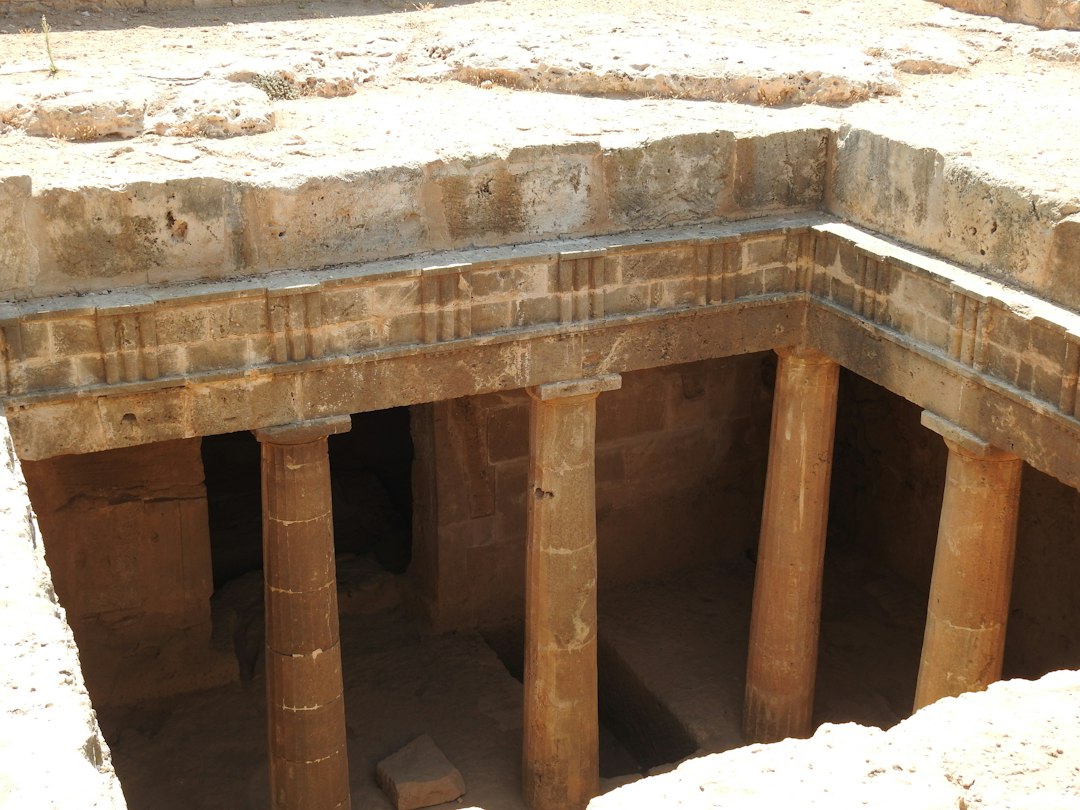
The whisper of ancient rivers, channeled through ingenious networks, speaks volumes about the ingenuity of our ancestors. Long before the advent of modern plumbing and sophisticated pumps, civilizations across the globe wrestled with the fundamental human need for water. Their solutions were not mere stopgaps but often elaborate, enduring, and breathtaking engineering feats that shaped the course of history, facilitated the growth of empires, and sustained burgeoning populations. These ancient water supply systems stand as powerful testaments to human foresight, meticulous planning, and a profound understanding of natural principles.
The Genesis of Necessity: Early Water Management
The very cradle of civilization was inextricably linked to water. The fertile river valleys of Mesopotamia, Egypt, the Indus, and China fostered agriculture and allowed for dense settlements. Consequently, the earliest forms of water management were often born out of the necessity to control and distribute these life-giving resources. These early efforts, while perhaps less monumental than later constructions, laid the crucial groundwork for the sophisticated systems that would follow.
From Simple Collection to Controlled Flow
The initial stages of water management were rudimentary. Communities likely relied on proximity to natural water sources like rivers and springs. However, as populations grew and settlements became more established, the need for more organized water collection and distribution became apparent. Simple wells were dug, and in some areas, natural depressions were utilized to store rainwater. The development of rudimentary channels or ditches to direct water from a source to a point of need marked a significant step forward. These were often unlined and relied on gravity alone, but they represented a conscious effort to manipulate the environment for human benefit.
Irrigation as a Catalyst for Settlement
In arid and semi-arid regions, the development of irrigation systems was paramount to agricultural success and, therefore, to the establishment of permanent settlements. Civilizations like those in ancient Sumer and Egypt, reliant on the predictable flooding of the Tigris, Euphrates, and Nile respectively, developed sophisticated canal networks to not only manage floodwaters but also to extend the reach of fertile land. These systems involved careful surveying and the construction of dikes and levees to control water flow. The ability to reliably water crops allowed for surplus food production, which in turn supported larger populations and fostered specialized labor, paving the way for more complex societies.
The Dawn of Aqueducts: Bridging Distances
As cities grew and their immediate water sources became insufficient, the challenge became transporting water over longer distances. This is where the true engineering marvels began to emerge. The concept of the aqueduct, a channel designed to convey water, often by gravity, from a distant source to a settlement, represents a quantum leap in water management technology. These structures, varying in design from simple channels to elaborate multi-tiered bridges, required a deep understanding of hydraulics, surveying, and materials science. The ability to tap into remote springs or rivers and bring clean, fresh water directly into urban centers was a transformative achievement, enabling the growth of densely populated metropolises and improving public health.
The ancient water supply systems, such as the aqueducts of Rome and the qanats of Persia, showcase the ingenuity of early civilizations in managing water resources. For a deeper understanding of how resource management has evolved over time, you may find the article on elite assets in a crash particularly insightful. It discusses the importance of tangible resources, including water, in times of economic instability. You can read more about it here: Elite Assets in a Crash: What the Wealthy Own.
Masters of Gravity: Roman Aqueduct Systems
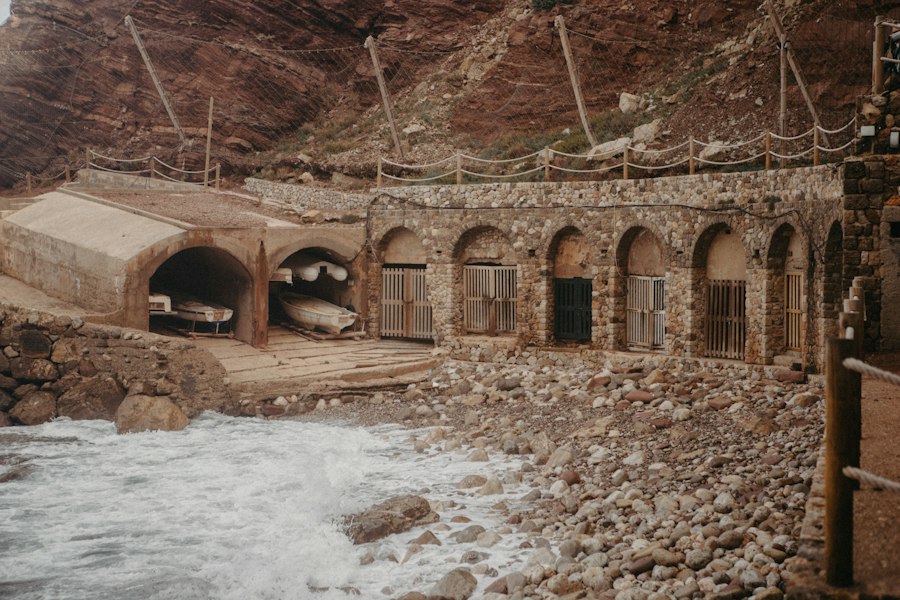
Perhaps no civilization is more synonymous with monumental water engineering than the Roman Empire. Their aqueducts were not just functional; they were expressions of Roman power, prestige, and sophisticated organizational capabilities. Spanning vast distances and overcoming formidable geographical obstacles, these structures were instrumental in sustaining the empire’s sprawling cities and its legionaries, bringing unprecedented levels of sanitation and convenience to Roman life.
The Art of Surveying and Gradient Control
The fundamental principle behind Roman aqueducts was gravity. This meant that the designers had to meticulously survey the terrain to maintain a precise and consistent gradient, ensuring that water flowed steadily without either rushing too fast (which could erode the channels) or becoming stagnant. This required sophisticated surveying tools and techniques. The Romans employed instruments like the chorobates, a long, level-topped bench with plumb bobs to ensure horizontal accuracy, and the groma, a cross-staff with plumb lines for determining right angles and checking verticality. The slight incline, often just a few centimeters per kilometer, was maintained with remarkable precision over distances that could stretch for tens of kilometers.
Arch Construction and Structural Integrity
A defining feature of many Roman aqueducts is their use of the arch. This structural innovation allowed them to span valleys and rivers, maintaining the necessary gradient without having to build excessively tall and costly solid walls. The Romans mastered the art of the voussoir arch, using precisely cut wedge-shaped stones or bricks that locked together to create strong, self-supporting structures. This technique allowed them to build impressive, multi-tiered aqueducts that are still standing today. The Pont du Gard in France, a three-tiered marvel, is a prime example of this masterful construction, demonstrating not only engineering prowess but also an aesthetic sensibility. The construction involved skilled masons, quarrymen, and a vast labor force, highlighting the logistical and managerial achievements of the Roman state.
Distribution within the City: Castella and Fountains
Once the water reached the city walls, it was typically stored in large distribution tanks called castella. From these castella, the water was further distributed through a network of lead or ceramic pipes to public fountains, baths, latrines, and private residences of the wealthy. This sophisticated distribution system ensured that water was accessible to various segments of the population, contributing to public health and hygiene. The presence of numerous public fountains not only provided access to clean water but also served as social gathering points, fostering a sense of community. The Roman dedication to public amenities, including water, was a hallmark of their urban planning.
Beyond Rome: Diverse Water Engineering Traditions
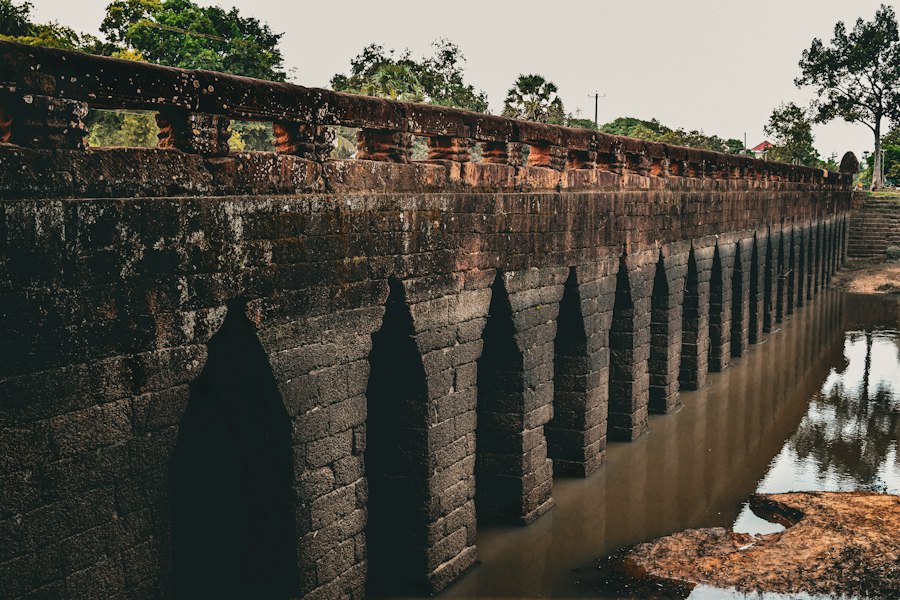
While the Romans are often lauded for their aqueducts, the ingenuity of ancient water supply systems extended far beyond the Roman Empire. Other cultures, facing unique environmental challenges and employing different technological approaches, developed equally impressive and effective methods for managing and distributing water.
The Ingenuity of the Nabataeans and Petra
The Nabataeans, a nomadic Arab people who established a prosperous kingdom in what is now Jordan, carved their magnificent capital city, Petra, into sandstone cliffs. Given the arid climate, water management was critical to their survival and prosperity. They developed a sophisticated system of dams, cisterns, and channels that captured scarce rainfall and guided it into the city. Their ability to collect and store water in such a harsh environment allowed them to sustain a thriving metropolis and control vital trade routes. The intricate channels carved into the rock faces, designed to collect every drop of precious rainfall, are a testament to their deep understanding of hydrology and their resourcefulness.
Ancient Persian Qanats: Underground Lifelines
In Persia, the development of the qanat system represents a remarkable feat of subterranean engineering. Qanats are gently sloping underground channels that tap into groundwater sources in higher elevations and convey water to lower-lying settlements and agricultural lands. They consist of a series of vertical shafts, dug at regular intervals, connecting a mother well or infiltration gallery to the main tunnel. This ingenious system not only prevented water loss through evaporation in the hot climate but also ensured a consistent, gravity-fed water supply for centuries. The construction and maintenance of qanats required immense skill and coordination among different communities, often spanning considerable distances. The stability of these underground networks, some of which are still in use today, is a testament to the precision of their construction.
The Hydraulic Systems of the Indus Valley Civilization
The cities of the Indus Valley Civilization, such as Mohenjo-daro and Harappa (dating back to around 2500-1900 BCE), exhibited an extraordinary level of urban planning and sanitation, including advanced water management. Their cities featured sophisticated drainage systems, wells, and what appear to be public baths. The meticulous construction of brick-lined sewers that carried waste away from homes, along with the widespread presence of accessible wells, indicates a deep understanding of public health and water distribution principles, predating many comparable developments in other parts of the world. The standardized brick sizes and the careful planning of their urban infrastructure, including water and waste management, are particularly striking for their time.
The Science Behind the Flow: Hydraulic Principles and Materials
The success of these ancient water supply systems was not accidental. It was rooted in a practical, often empirical, understanding of fundamental hydraulic principles and a clever utilization of available materials. While they may not have articulated these principles in the language of modern physics, their engineering solutions demonstrate a profound grasp of how water behaves.
Gravity, Pressure, and Flow Rate
The overarching principle driving most ancient water systems was gravity. Engineers understood that water flows from higher elevations to lower ones. They meticulously calculated the gradient required to achieve a steady, usable flow rate, avoiding both stagnation and excessive erosion. In systems involving pressurized water, such as those using siphons or rudimentary pumps, they demonstrated an understanding of how enclosed channels could convey water uphill or overcome minor obstacles. While the theoretical understanding of pressure and flow rate might have been implicit rather than explicit, the practical application in their designs was undeniable.
Materials and Their Properties
The choice of materials played a crucial role in the longevity and effectiveness of these water systems. Stone, brick, and wood were commonly used for constructing channels and supporting structures. For pipes and reservoirs, materials like clay (ceramics), lead, and even carefully treated wood were employed. The Romans, in particular, were masters of concrete, which allowed them to build durable and watertight structures for their aqueducts and reservoirs. Understanding the properties of these materials – their strength, resistance to erosion, and ability to hold water – was essential for successful construction and long-term functionality. The use of lead, while later found to have health implications, was effective for its malleability and ability to form watertight seals in pipe networks.
Innovation in Water Storage and Purification
Beyond conveyance, ancient societies also developed ingenious methods for storing and, to some extent, purifying water. Cisterns, dug into the ground or built above, served as vital reservoirs, particularly in arid regions. These were often lined to prevent leakage. Some systems incorporated settling basins or sedimentation tanks, where suspended particles could naturally fall out of the water, providing a basic form of purification. The construction of reservoirs, often large artificial lakes behind dams, was also a significant undertaking, requiring considerable engineering skill to ensure structural integrity and prevent catastrophic failure.
The ingenuity of ancient civilizations can be seen in their remarkable water supply systems, which were crucial for sustaining life and agriculture. For instance, the aqueducts of Rome exemplify advanced engineering that allowed the transport of water over long distances. If you’re interested in understanding how modern societies can learn from historical practices, you might find this article on economic resilience insightful. It discusses strategies for safeguarding investments during challenging times, much like how ancient societies safeguarded their water resources. You can read more about it here.
Legacy and Enduring Influence
| Ancient Civilization | Water Supply System | Key Features | Approximate Date | Purpose | Materials Used |
|---|---|---|---|---|---|
| Mesopotamia | Canal Irrigation | Network of canals diverting river water to fields | c. 3000 BCE | Agricultural irrigation and urban water supply | Earth, mud bricks |
| Indus Valley | Urban Drainage and Wells | Covered drains, wells, and reservoirs in cities like Mohenjo-Daro | c. 2500 BCE | Sanitation and drinking water | Brick, stone |
| Ancient Egypt | Nilometer and Basin Irrigation | Measurement of Nile flood levels and basin irrigation systems | c. 3000 BCE | Flood control and irrigation | Stone, mud brick |
| Ancient Rome | Aqueducts | Gravity-fed channels transporting water over long distances | c. 312 BCE | Urban water supply for baths, fountains, and households | Stone, concrete, lead pipes |
| Ancient China | Dujiangyan Irrigation System | Flood control and irrigation using levees and channels | c. 256 BCE | Agricultural irrigation and flood control | Stone, wood |
| Ancient Greece | Water Tunnels and Cisterns | Underground tunnels and cisterns for water storage | c. 6th century BCE | Urban water supply and storage | Stone, terracotta |
The ancient water supply systems, though constructed millennia ago, continue to captivate and inform. Their enduring presence serves as a tangible link to the past, a reminder of the profound challenges and remarkable achievements of ancient civilizations. Their influence can be seen not only in the ruins that dot the landscape but also in the foundational principles that continue to guide modern engineering.
A Source of Inspiration for Modern Engineers
The very existence of these ancient marvels continues to inspire modern engineers and urban planners. They demonstrate that with careful planning, ingenuity, and a deep understanding of natural forces, it is possible to overcome significant environmental challenges and create sustainable infrastructure. The principles of gravity flow, efficient distribution, and durable construction, honed by ancient engineers, remain relevant in contemporary water management strategies. The sheer scale and longevity of structures like the Roman aqueducts serve as a powerful benchmark for engineering excellence.
Lessons in Sustainability and Resource Management
In an era increasingly concerned with resource scarcity and environmental sustainability, the ancient water systems offer valuable lessons. These societies, often living in close harmony with their environment, developed highly efficient systems that minimized waste and maximized the utility of available resources. Their ability to sustain large populations for extended periods with seemingly limited technology highlights the importance of thoughtful resource management. The emphasis on gravity flow, for instance, eliminated the need for energy-intensive pumping, a stark contrast to some modern approaches.
Cultural and Historical Significance
These water supply systems are more than just feats of engineering; they are integral to understanding the history and culture of the civilizations that built them. They speak to the social organization, economic capabilities, religious beliefs, and daily lives of ancient peoples. The aqueducts of Rome, for example, were not just about providing water; they were symbols of imperial power and a reflection of Roman values regarding public health and urban living. The qanats of Persia represent a deep-seated cultural tradition and a testament to communal cooperation. Studying these systems provides a unique window into the past, allowing us to appreciate the ingenuity and resilience of our ancestors.
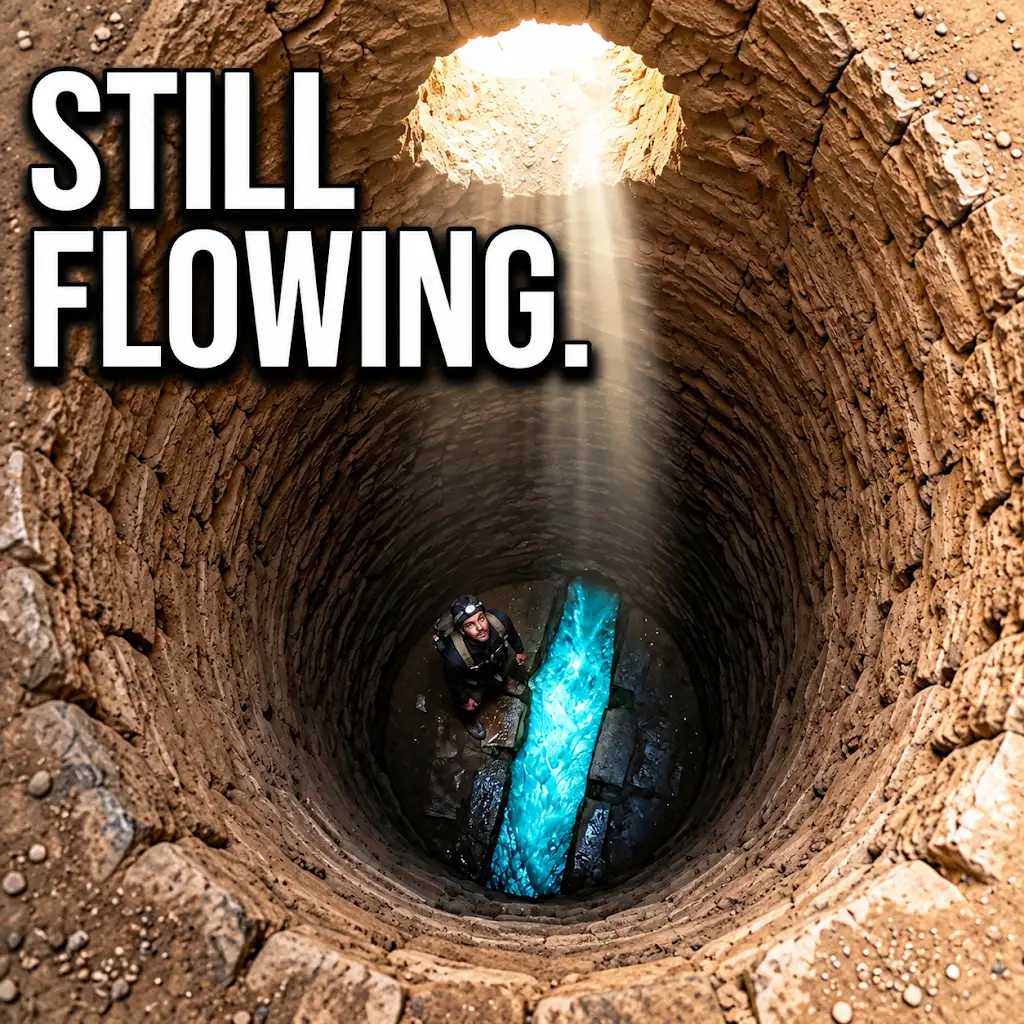
They Dug Water Tunnels Under the Desert… And They Still Flow
FAQs
What is an ancient water supply system?
An ancient water supply system refers to the infrastructure and methods used by ancient civilizations to collect, store, and distribute water for various purposes such as drinking, irrigation, and sanitation.
Which ancient civilizations are known for their advanced water supply systems?
Ancient civilizations such as the Romans, Greeks, Egyptians, and Indus Valley Civilization are known for their advanced water supply systems that included aqueducts, wells, cisterns, and drainage systems.
How did ancient civilizations ensure a reliable water supply for their communities?
Ancient civilizations employed various techniques such as building aqueducts to transport water over long distances, constructing reservoirs to store water, and developing sophisticated irrigation systems to ensure a reliable water supply for their communities.
What role did religion and mythology play in the development of ancient water supply systems?
Religion and mythology often influenced the design and construction of ancient water supply systems, with many civilizations attributing the control of water sources to deities and incorporating rituals and ceremonies related to water in their societies.
What is the significance of studying ancient water supply systems today?
Studying ancient water supply systems provides valuable insights into the technological advancements, engineering skills, and societal organization of past civilizations. It also offers lessons for modern water management practices and sustainability efforts.