
The whisper of water through ancient stone, a silent testament to human ingenuity, speaks of civilizations that mastered the very earth beneath their feet. For millennia, long before the advent of modern plumbing and sophisticated surveying equipment, ancient peoples across the globe embarked on ambitious projects to channel water, often through vast underground canal systems. These were not mere ditches; they were intricate networks, meticulously designed and painstakingly constructed, demonstrating an astonishing understanding of hydraulics, geology, and sheer perseverance. They represent engineering marvels that not only sustained life but also facilitated agriculture, sanitation, and even served strategic purposes, leaving behind a legacy that continues to inspire awe.
The Genesis of Subterranean Waterways
The impulse to control and direct water is as old as civilization itself. In arid or semi-arid regions, where natural water sources were scarce or unreliable, the need for a consistent supply was paramount for survival and prosperity. The creation of underground canal systems, known by various names such as qanats, karez, tunnels, or aqueducts, offered a solution that addressed several critical challenges inherent in surface water management.
Addressing Scarcity and Evaporation
Surface water sources, such as rivers and open canals, are highly susceptible to evaporation, especially in hot climates. This loss could significantly reduce the available water supply, particularly during dry seasons. By burying water channels underground, ancient engineers dramatically minimized this evaporation, ensuring a more reliable and efficient delivery of precious water to where it was needed. This was a fundamental breakthrough that allowed for the development and sustenance of communities in otherwise inhospitable environments.
Protecting Water Quality
Open water channels are also vulnerable to contamination from surface runoff, animal waste, and debris. Underground systems provided a natural filtration mechanism, protecting the water from many forms of pollution. This improved water quality was crucial for public health, reducing the incidence of waterborne diseases and contributing to the overall well-being of the population. The careful construction and maintenance of these tunnels further contributed to their longevity and the purity of the water they carried.
Enabling Gravity-Fed Systems
The genius of most ancient underground canal systems lay in their reliance on gravity. Engineers understood that by creating a gentle, consistent slope from the water source to the point of distribution, water could flow naturally without the need for pumps or mechanical assistance. This required a profound understanding of topography and precise measurements, often achieved through rudimentary yet effective surveying techniques. The gentle gradient was key to preventing excessive water velocity, which could erode the tunnels, while still ensuring a steady flow.
The fascinating world of ancient underground canal systems reveals the ingenuity of past civilizations in managing water resources and urban planning. For those interested in exploring the broader implications of historical infrastructure on modern economies, a related article discusses the potential collapse of the US dollar and its historical context. You can read more about this intriguing topic in the article found here: The Impending US Dollar Collapse: 2025 Prediction.
Case Studies in Ancient Water Engineering
The ingenuity of ancient peoples in constructing underground water systems is evident in numerous archaeological sites around the world. Each system, while sharing common principles, possesses unique characteristics shaped by local geography, available resources, and the specific needs of the civilization that built it.
The Qanats of Persia and Beyond
Perhaps the most iconic examples of ancient underground canal systems are the qanats, originating in ancient Persia (modern-day Iran). These remarkable structures, some dating back over 3,000 years, are a network of gently sloping tunnels that tap into underground aquifers. The system typically consists of a vertical well at the water source, a long, sloping tunnel (the qanat itself) that follows the natural gradient of the land, and a series of vertical shafts along its length.
The Anatomy of a Qanat
The construction of a qanat was a monumental undertaking. It began with locating the water table and then excavating a main tunnel from a lower elevation towards the water source. Vertical shafts were dug at regular intervals along the proposed route. These shafts served multiple purposes: they allowed excavated earth to be removed, provided access for construction and maintenance, and acted as ventilation points. The alignment of these shafts was crucial for maintaining the correct gradient of the main tunnel. The quality of the construction was often exceptional, with workers lining the tunnels with stone or baked clay to prevent collapse and water loss. The average qanat could be several kilometers long, with some exceeding 70 kilometers.
The Qanat Ecosystem
The qanat system was more than just a water conduit; it was an entire ecosystem. The water was released at the surface, often into a cistern or distribution network, where it could be used for irrigation, drinking water, and powering mills. The shallower shafts often provided a source of cooler, more accessible water. The maintenance of a qanat was a communal effort, with water rights and responsibilities meticulously managed. The prosperity of many ancient Persian cities and agricultural oases was directly tied to the health and efficiency of their qanat systems. The qanat technology spread widely, influencing water management practices in regions as diverse as the Arabian Peninsula, North Africa, India, and even parts of China.
Roman Aqueducts: A Marriage of Surface and Subterranean
While the Romans are perhaps most famous for their impressive above-ground aqueducts, they also employed extensive underground channels as integral parts of their water supply systems. These subterranean sections were crucial for maintaining the gravitational flow over long distances and traversing difficult terrain.
The Subterranean Segments of Roman Aqueducts
Roman aqueducts were engineered to deliver vast quantities of water to cities for public baths, fountains, and private residences. While elevated arcades are the most visible remnants, a significant portion of these aqueducts ran underground. These tunnels were constructed using sophisticated masonry techniques, often lined with waterproof concrete or opus signinum. The gradient was carefully calculated to ensure a constant flow.
The Ancient Water Systems of the Americas
Indigenous civilizations in the Americas also developed impressive water management systems, some of which incorporated underground elements. While not always as extensive as the Persian qanats, these systems demonstrate a deep understanding of local hydrology and engineering capabilities.
Inca Water Channels in the Andes
The Inca, renowned for their engineering prowess, constructed sophisticated water channels in the challenging Andean landscape. While many were open channels, they also utilized underground conduits to carry water through steep inclines, across valleys, and to tap into water sources in remote areas. These channels, often carved directly into rock or built with stone, were vital for supporting their agricultural terraces and urban centers. The precision with which they were constructed, often with minimal formal tools, is a testament to their observational skills and understanding of fluid dynamics.
The Engineering Principles at Play
The successful construction and operation of ancient underground canal systems relied on a sophisticated interplay of scientific principles, albeit understood and applied in ways distinct from modern scientific discourse. These principles, honed through generations of trial and error and keen observation, were fundamental to their enduring functionality.
The Mastery of Hydraulics and Gravity
The cornerstone of these systems was the ingenious application of gravity. Ancient engineers understood that water naturally flows downhill. They meticulously surveyed the landscape to identify suitable water sources and the desired points of distribution. The critical task was to establish a consistent, gentle gradient for the entire length of the canal. Too steep a gradient would lead to erosion and potential collapse, while too shallow a gradient would result in stagnant water or an insufficient flow.
Gradient Calculation and Surveying
The methods used for surveying and gradient calculation were remarkably effective. They likely involved the use of simple leveling tools, such as A-frames with plumb bobs, and long, straight sighting poles. By observing the relative heights of distant points and the fall of the land over extended distances, they could estimate and maintain the desired slope. The consistency of the gradient over kilometers was a testament to their meticulous approach and the skill of the surveyors. They understood that even minor deviations could render the entire system ineffective.
Geological Knowledge and Material Science
The choice of construction materials and the understanding of local geology were crucial for the longevity and stability of these underground waterways. Engineers had to select materials that were durable, waterproof, and readily available.
Tunneling Techniques and Structural Integrity
The act of tunneling itself required significant knowledge of rock types and excavation methods. Workers would have had to understand the stability of different strata, how to support potentially weak sections, and how to effectively remove vast amounts of earth and rock. The use of simple tools like picks, chisels, and hammers, along with brute force, allowed them to carve through solid rock. In some cases, they would line the tunnels with stone blocks, fired bricks, or a type of waterproof mortar (like the Roman opus signinum) to prevent water seepage and structural failure. The construction often involved building the tunnels from both ends towards a meeting point, a feat that required remarkable accuracy in alignment.
Ventilation and Maintenance Access
While not always explicitly documented, the presence of ventilation shafts in many systems indicates an understanding of the need for air circulation. These shafts also served as crucial access points for inspection, cleaning, and repairs, ensuring the continued operation of the canals over centuries.
The Role of Access Shafts
The vertical shafts, a defining feature of qanats, were more than just spoil removal routes. They allowed workers to descend into the tunnel for routine maintenance, such as removing sediment buildup, repairing collapsed sections, or clearing blockages. The regularity of these shafts also facilitated the process of building the main tunnel, as they provided multiple work fronts simultaneously. The careful placement of these shafts, often dictated by the ease of excavation or the need for structural support, speaks to a practical understanding of construction logistics.
The Societal Impact and Legacy
The impact of these ancient underground canal systems extended far beyond mere water provision. They were catalysts for societal development, fostering economic growth, enabling urban expansion, and shaping cultural landscapes. Their legacy continues to resonate today, offering valuable lessons in sustainable resource management and inspiring awe at human ingenuity.
Sustaining Agriculture and Food Security
The ability to reliably irrigate land transformed arid and semi-arid regions into fertile breadbaskets. These systems allowed for the cultivation of a wider range of crops, increasing agricultural productivity and ensuring food security for growing populations. This had a direct impact on the size and stability of settlements, allowing for the development of more complex societies. The predictability of water availability, even during prolonged droughts, was a cornerstone of these civilizations’ resilience.
Facilitating Urban Development and Public Health
Access to clean and abundant water was essential for the growth of cities. Underground canals provided the necessary supply for drinking water, sanitation, and public amenities like baths and fountains. This improved public health and contributed to the development of more sophisticated urban environments. The absence of widespread waterborne diseases, facilitated by cleaner water sources, would have had a significant impact on population growth and life expectancy in these ancient urban centers.
Enduring Inspiration and Modern Relevance
The ancient underground canal systems stand as a powerful testament to human ingenuity and our ability to adapt to and shape our environment. They demonstrate a profound understanding of natural principles and a remarkable capacity for long-term planning and execution. Even today, these systems are studied for their engineering brilliance and their sustainability.
Lessons in Resource Management
In an era grappling with water scarcity and the challenges of climate change, the principles behind these ancient systems – efficiency, gravity-fed flow, and minimal environmental impact – offer valuable lessons. Their success highlights the importance of understanding local hydrology, utilizing natural resources wisely, and fostering communal cooperation for effective resource management. The longevity of many of these systems, some still in partial use today, speaks to their robust design and the enduring wisdom embedded within them.
The fascinating underground canal systems of ancient civilizations have long intrigued historians and archaeologists alike, revealing the ingenuity of past societies in managing water resources. For those interested in exploring more about ancient engineering marvels, a related article discusses the secrets of Antarctica and its potential connections to pre-Ice Age civilizations. You can read more about these intriguing theories in this article on Antarctica’s pre-Ice Age secrets.
The Challenges of Preservation and Modern Adaptation
| Ancient Civilization | Canal System Name | Purpose | Approximate Age | Length (km) | Key Features |
|---|---|---|---|---|---|
| Persian Empire | Qanat | Irrigation and water supply | ~2500 years | Varies, some over 70 km | Underground tunnels to transport water from aquifers |
| Ancient Rome | Roman Aqueducts | Water supply to cities | ~2000 years | Up to 80 km (some underground) | Combination of underground tunnels and above-ground arches |
| Indus Valley Civilization | Drainage and Canal Systems | Urban drainage and water management | ~4500 years | Several km within cities | Covered drains and underground channels in cities like Mohenjo-Daro |
| Ancient China | Dujiangyan Irrigation System | Flood control and irrigation | ~2200 years | Complex network, including underground channels | Innovative water diversion and underground canals |
Despite their remarkable longevity, many ancient underground canal systems face significant challenges in the modern era. Preserving these invaluable engineering feats while also considering their potential for continued use requires careful planning and a deep respect for their historical and functional significance.
Deterioration and Neglect
Time, natural geological processes, and human activities can all lead to the deterioration of these ancient structures. Collapses, erosion, and the silting up of channels are common problems. In many regions, the decline of traditional agricultural practices or the shift to modern water sources has led to the neglect of these systems, accelerating their decay. The lack of ongoing maintenance, often a communal responsibility in ancient times, is a primary driver of their deterioration.
The Impact of Modern Infrastructure
The expansion of modern infrastructure, such as roads, dams, and urban development, can often intersect with or disrupt ancient water channels. Construction activities can damage tunnels, alter water flows, or make access for maintenance impossible. Balancing the needs of modern development with the imperative to preserve these historical sites is a complex and ongoing challenge. Finding ways to integrate or reroute ancient systems without causing irreparable harm is a crucial consideration.
Revitalization and Sustainable Reuse
There is a growing movement to revitalize and sustainably reuse these ancient water systems. In some communities, efforts are underway to restore qanats and other channels, not only to preserve cultural heritage but also to provide a source of water for small-scale agriculture and eco-tourism. This approach acknowledges the inherent efficiency and sustainability of these designs and offers a way to connect past and present.
Case Studies in Restoration
Examples of successful revitalization projects offer hope for the future. In regions like Iran, Spain, and the American Southwest, communities and organizations are working to map, document, and restore these systems. This often involves engaging local populations, teaching traditional maintenance techniques, and integrating them into contemporary water management strategies. These efforts not only save historical artifacts but also empower communities and promote water conservation. The potential to harness the natural, gravity-fed flow of these ancient systems in a modern context, perhaps for supplementary irrigation or for niche agricultural products, is a compelling vision. The delicate balance between preserving the integrity of the original structure and adapting it for modern use is a key consideration in these revitalization efforts.
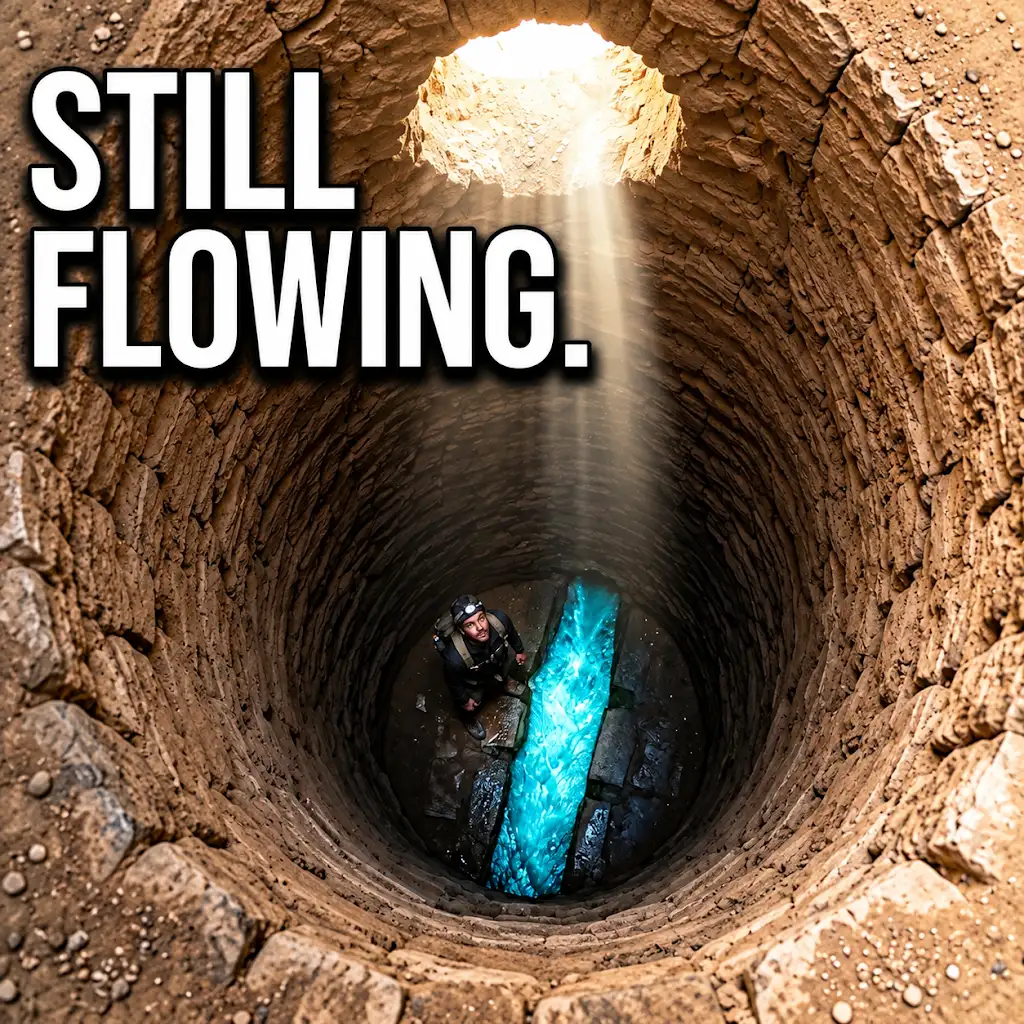
They Dug Water Tunnels Under the Desert… And They Still Flow
FAQs
What is an underground canal system?
An underground canal system is a network of man-made waterways constructed beneath the surface of the earth to transport water for various purposes such as irrigation, drainage, or supplying water to cities.
When were ancient underground canal systems built?
Ancient underground canal systems were built thousands of years ago by civilizations such as the Romans, Persians, and Egyptians. These systems date back to as early as 4000 BC.
What materials were used to construct ancient underground canal systems?
Ancient underground canal systems were typically constructed using materials such as stone, brick, and concrete. These materials were chosen for their durability and ability to withstand the pressure of the surrounding earth.
What was the purpose of ancient underground canal systems?
Ancient underground canal systems were primarily used for irrigation, allowing civilizations to bring water to arid regions for agriculture. They were also used for drainage, flood control, and supplying water to cities for drinking and other purposes.
Are ancient underground canal systems still in use today?
Some ancient underground canal systems are still in use today, while others have fallen into disrepair or been replaced by modern infrastructure. In regions where water scarcity is a concern, efforts are being made to restore and utilize these ancient systems for sustainable water management.