
The Ancient Art of Water Management: Understanding Qanats
Qanats, a marvel of ancient engineering, represent a sophisticated system for water management that has sustained arid and semi-arid regions for millennia. These underground channels, often stretching for kilometers, tap into groundwater aquifers and transport water to the surface through a series of gently sloping tunnels. The brilliance of the qanat lies in its ability to minimize evaporation, a critical factor in water conservation in dry climates. By channeling water underground, the qanat system effectively shields it from the harsh sun and dry air, delivering a more reliable and efficient water supply compared to open canals or surface wells. The construction of a qanat is a testament to human ingenuity, involving meticulous surveying and excavation to ensure a consistent and gentle gradient for water flow. Vertical shafts, known as access wells or ventilation shafts, are strategically dug along the qanat’s length, serving multiple purposes: they allow for excavation, ventilation, maintenance, and monitoring of the underground channel. Historically, qanats have been vital for agriculture, urban water supply, and even for supporting livestock, forming the backbone of many ancient civilizations. Their enduring legacy is evident in regions like Iran, where they originated, but also in parts of the Middle East, North Africa, Spain, and even into the Indian subcontinent and China. The preservation and understanding of these ancient systems are crucial for contemporary water resource management, especially in the face of growing water scarcity and climate change.
The Ingenuity of Underground Water Conveyance
The fundamental principle behind a qanat is gravity-driven water flow through an underground conduit. This ingenious design circumvents the significant water losses typically associated with open-air water transport systems, such as evaporation and seepage into the soil. The qanat begins at a higher elevation than its destination, usually near the recharge zone of an aquifer, and gradually slopes downwards towards the point of use. The excavation process involved skilled surveyors who used basic tools and a keen understanding of topography to establish the correct gradient. This precise slope is paramount; too steep, and the water would flow too quickly, causing erosion and potential collapse. Too shallow, and the water would stagnate or fail to reach its destination. The construction material for the qanat tunnel varied depending on local resources, often consisting of compacted earth, gravel, or brick lining in more elaborate constructions. The access shafts, spaced at regular intervals, were not only essential for the construction process but also served as crucial points for regular inspection and maintenance. Their depth determined by the aquifer level and the desired flow rate, these shafts were a lifeline for the qanat, allowing workers to clear blockages, repair breaches, and ensure the continuous flow of precious water. The social and economic implications of qanats were profound, fostering settled agriculture, supporting population growth, and enabling the development of complex societies in otherwise challenging environments. The intricate network of qanats in many regions represented a communal effort, often managed by local communities or designated water masters, highlighting the cooperative spirit required for their sustenance.
Historical Significance and Geographical Distribution
The history of qanats is deeply intertwined with the development of civilizations in arid regions. While the exact origins are debated, it is widely accepted that the concept emerged in ancient Persia (modern-day Iran) over 2,000 years ago, possibly as early as the 8th century BCE. From Persia, the qanat technology spread through trade, conquest, and cultural exchange. Its effectiveness in arid environments made it an indispensable tool for survival and prosperity. Evidence of qanat systems can be found across a vast geographical expanse, reflecting the migratory patterns of peoples and the adoption of successful technologies. Major concentrations exist in:
- Iran: The cradle of qanat technology, boasting an estimated network of tens of thousands of qanats, some still in operation today. Cities like Yazd and Kerman are renowned for their extensive qanat systems.
- Middle East: Countries such as Iraq, Saudi Arabia, Oman, Yemen, and Jordan have historically utilized qanats to support their communities and agriculture.
- North Africa: Algeria, Morocco, and Tunisia feature qanat systems, often referred to by local names, demonstrating the adaptation of the technology to different environmental conditions and cultural contexts.
- Spain: Introduced during the Islamic period, qanats, known as “qanats” or “norias” in some contexts, were vital for agriculture in regions like Andalusia.
- South Asia: Parts of Pakistan and India have qanat-like structures, often referred to as “karezes,” which served similar purposes of groundwater extraction and transport.
- China: The Xinjiang Uyghur Autonomous Region of China has a history of qanat construction, reflecting the Silk Road’s influence on technological diffusion.
The longevity and widespread adoption of qanats underscore their efficiency and resilience. They represent a sustainable model of water management that predates modern technological solutions and continues to offer valuable lessons for contemporary water resource challenges. The shared heritage of qanat technology also points to a history of interconnectedness and knowledge transfer across diverse cultures and geographies.
In the context of qanat water quality monitoring, it is essential to understand the broader implications of resource management and environmental stewardship. A related article that explores the complexities of territorial rights and resource allocation is available at this link: Is the Moon a Sovereign Territory?. This article delves into the philosophical and legal questions surrounding resource ownership, which can provide valuable insights into how we approach the management of water resources like qanats in arid regions.
The Imperative of Qanat Water Quality Monitoring
While qanats offer an ingenious solution for water transport, their subterranean nature and connection to groundwater aquifers make them susceptible to contamination. Ensuring the quality of water delivered by qanats is paramount for public health, agricultural productivity, and the overall sustainability of the water resource. This requires a systematic and ongoing approach to monitoring, which involves assessing various physical, chemical, and biological parameters. Without vigilant monitoring, the benefits of qanat systems could be undermined by the introduction of pollutants, rendering the water unsafe for consumption and damaging the delicate balance of the ecosystem. The increasing pressures on groundwater resources, coupled with potential upstream activities such as agricultural runoff, industrial discharge, and unmanaged sanitation, necessitate a proactive and comprehensive monitoring strategy. The traditional knowledge associated with qanat maintenance often included sensory observations about water taste, color, and odor, but modern scientific monitoring offers a more precise and objective assessment of water quality.
Identifying Potential Contamination Sources
Understanding the potential sources of contamination is the first crucial step in establishing an effective qanat water quality monitoring program. These sources can be diverse and often depend on the geographical context and surrounding land-use practices. Identifying these risks allows for targeted monitoring efforts and the development of appropriate mitigation strategies.
Anthropogenic Pollutants
Human activities are a significant contributor to water contamination. The proximity of qanat access shafts to populated areas, agricultural lands, and industrial zones increases the risk of pollution.
- Agricultural Runoff: Fertilizers, pesticides, and herbicides used in agriculture can leach into the soil and eventually reach the groundwater. The presence of nitrates, phosphates, and various organic pollutants can have detrimental effects on human health and aquatic ecosystems. Irrigation practices that involve excessive water use can also exacerbate the problem by increasing the rate of infiltration of surface contaminants into the aquifer.
- Industrial and Urban Wastewater: Discharge of untreated or inadequately treated industrial effluent and urban sewage can introduce a wide array of harmful substances, including heavy metals, organic compounds, and pathogens. Even seemingly benign domestic activities, such as improper disposal of household chemicals, can contribute to groundwater contamination.
- Septic Systems and Latrines: In areas lacking centralized sewage systems, poorly maintained septic tanks and open latrines can be a direct source of microbial and chemical contamination, especially if located near qanat recharge zones or access shafts. The infiltration of fecal coliforms and other pathogens poses a serious health risk.
- Mining and Extraction Activities: Mining operations, particularly those involving heavy metals or chemical leaching processes, can release toxic substances into the groundwater. The improper disposal of mining waste can also lead to long-term contamination issues.
Natural Contaminants
While anthropogenic sources are often the primary concern, natural geological conditions can also contribute to poor water quality.
- High Mineral Content: Groundwater naturally dissolves minerals from the surrounding rock formations. In some areas, this can lead to high concentrations of dissolved solids, such as fluoride, arsenic, or salinity, which can affect the taste and potability of the water. Fluoride, in elevated levels, can cause dental and skeletal fluorosis, while arsenic is a known carcinogen.
- Radioactive Elements: Naturally occurring radioactive elements, such as uranium and radon, can be present in groundwater, posing long-term health risks. Their presence is often linked to specific geological formations.
Parameters for Comprehensive Monitoring
A robust qanat water quality monitoring program necessitates the measurement of a range of parameters, encompassing physical, chemical, and biological indicators. The selection of specific parameters will often be guided by the identified potential contamination sources and the intended use of the water.
Physical Parameters
These are easily observable characteristics that can indicate potential problems.
- Temperature: While not directly a pollutant, significant fluctuations or unusually high temperatures can sometimes indicate unusual underground activity or pollution.
- Turbidity: The cloudiness or haziness of water, often caused by suspended particles like silt, clay, or organic matter. High turbidity can indicate surface runoff contamination and can also interfere with the effectiveness of disinfection treatments.
- Color and Odor: Abnormal color or a foul odor can be immediate indicators of the presence of organic matter, dissolved minerals, or chemical pollutants. For example, a sulfurous odor might suggest the presence of hydrogen sulfide, common in anaerobic groundwater conditions.
Chemical Parameters
These require laboratory analysis and provide detailed information about the water’s composition.
- pH: A measure of the acidity or alkalinity of the water. Deviations from the optimal pH range (typically 6.5-8.5 for drinking water) can affect the efficiency of disinfection and the solubility of certain metals.
- Total Dissolved Solids (TDS): The total amount of dissolved inorganic and organic substances in water. High TDS can affect taste and indicate the presence of minerals or pollutants.
- Nitrate and Nitrite: Primarily associated with agricultural runoff and sewage contamination. High levels of nitrates are a serious health concern, particularly for infants, as they can cause methemoglobinemia.
- Heavy Metals: Including lead, mercury, cadmium, and arsenic. These are often introduced through industrial pollution or natural geological processes. Chronic exposure can lead to severe health problems.
- Pesticides and Herbicides: Chemicals used in agriculture that can leach into groundwater. Their presence requires specialized analytical techniques for detection and quantification.
- Chloride and Sulfate: High concentrations can affect taste and indicate saltwater intrusion or industrial pollution.
- Fluoride: Naturally occurring in many groundwater sources, elevated levels can cause dental and skeletal fluorosis.
- Iron and Manganese: While often naturally occurring, high levels can affect taste and staining properties.
Biological Parameters
These are crucial for assessing the potential for waterborne diseases.
- Total Coliforms and E. coli: These bacteria are indicators of fecal contamination. The presence of E. coli, in particular, is a strong indicator of sewage contamination and the potential presence of other harmful pathogens.
- Other Pathogens: Depending on the risk assessment, monitoring for specific disease-causing microorganisms like Salmonella, Shigella, or Giardia might be considered.
Strategies for Effective Qanat Water Quality Monitoring
Implementing an effective qanat water quality monitoring program involves a multi-faceted approach, combining regular sampling, advanced analytical techniques, and proactive management strategies. The goal is not only to detect contamination but also to prevent it and to ensure the long-term health and usability of qanat water resources. This requires a combination of traditional practices adapted to modern needs and the integration of scientific tools and methodologies.
Sampling Protocols and Methodologies
Consistent and accurate sampling is the foundation of any reliable water quality monitoring program. Improper sampling can lead to misleading results, undermining the entire effort. Standardized protocols are essential to ensure comparability of data over time and across different monitoring locations.
Regular Sampling Frequencies
The frequency of sampling should be determined by a risk assessment, considering the potential contamination sources, the sensitivity of the aquifer, and the intended use of the water.
- Routine Monitoring: For relatively clean qanats, monthly or quarterly sampling might suffice to detect gradual changes. This typically involves testing for key chemical and biological indicators.
- Event-Based Monitoring: Sampling should be intensified after significant events that could impact water quality, such as heavy rainfall, flooding, or known upstream contamination incidents. This allows for the rapid assessment of the impact of these events.
- Baseline Monitoring: Prior to any suspected contamination, a comprehensive baseline of normal water quality should be established. This provides a critical reference point for detecting deviations.
Site Selection and Sample Collection
The selection of sampling points within the qanat system is crucial for capturing representative water quality.
- Access Shafts: Qanat access shafts are the most practical points for collecting samples, as they provide direct access to the water. Samples should be collected from the flowing water within the shaft, avoiding stagnant pools.
- Emergence Point: The point where the qanat water emerges at the surface is also a vital sampling location, as it represents the final quality of the delivered water.
- Upstream vs. Downstream: If possible, sampling at different points along the qanat’s length can help to pinpoint sources of contamination if they are identified.
- Purification of Equipment: All sampling equipment, including bottles, containers, and sampling devices, must be thoroughly cleaned and sterilized before use to prevent cross-contamination. This might involve rinsing with distilled water or using sterile disposable equipment.
- Sample Preservation: Depending on the parameters being tested, samples may need to be preserved with chemicals or stored at specific temperatures (e.g., refrigeration) to maintain their integrity until they reach the laboratory.
Laboratory Analysis and Data Interpretation
Once samples are collected, they must be analyzed in a well-equipped laboratory using standardized and validated methods. The interpretation of the resulting data is equally critical for making informed decisions about water management.
Advanced Analytical Techniques
Modern laboratories employ sophisticated techniques to accurately quantify a wide range of chemical and biological contaminants.
- Spectrophotometry and Chromatography: Used for analyzing the concentration of various dissolved ions, minerals, and organic compounds. Techniques like Atomic Absorption Spectrometry (AAS) or Inductively Coupled Plasma (ICP) are vital for detecting heavy metals. Gas Chromatography-Mass Spectrometry (GC-MS) and High-Performance Liquid Chromatography (HPLC) are used to identify and quantify organic pollutants like pesticides.
- Microbiological Testing: Standard plate counts, membrane filtration, and molecular methods are used to detect and quantify bacteria, viruses, and protozoa.
- Field Testing Kits: For rapid on-site assessment of certain parameters like pH, chlorine residual, and turbidity, field testing kits can be valuable, especially for preliminary screening or in remote locations.
Data Management and Trend Analysis
Collected data should be systematically managed in a database. This allows for:
- Trend Identification: Analyzing data over time can reveal gradual changes in water quality, enabling early detection of emerging problems. For instance, a steady increase in nitrate levels might indicate increasing agricultural pressure.
- Anomalies Detection: Identifying sudden spikes or drops in parameter values can signal acute contamination events requiring immediate investigation.
- Comparison with Standards: Data should be compared against national and international drinking water standards and guidelines to assess the potability and safety of the water.
- Geographic Information Systems (GIS): Integrating water quality data with spatial information (e.g., land use, proximity to pollution sources) can help in identifying pollution hotspots and developing targeted management interventions.
Stakeholder Engagement and Capacity Building
Effective qanat water quality monitoring is not solely a technical endeavor; it requires the active participation of all stakeholders and the development of local capacity to manage and protect these valuable resources.
Community Involvement and Awareness
Local communities are the custodians of qanats and often possess invaluable traditional knowledge. Engaging them is crucial for the success of any monitoring program.
- Education and Training: Providing communities with information about water quality issues, potential health risks, and the importance of monitoring can foster a sense of responsibility. Training local residents in basic sampling techniques and simple water quality testing can empower them to participate actively.
- Reporting Mechanisms: Establishing clear and accessible channels for communities to report observed changes in water quality or potential pollution incidents is vital. This feedback loop ensures that monitoring efforts are responsive to local concerns.
- Participatory Monitoring: Involving community members in routine monitoring activities can not only increase data collection but also build local ownership and capacity. This could include simple tasks like recording visual observations or collecting samples under supervision.
Collaboration with Local Authorities and Experts
Partnerships with government agencies, research institutions, and non-governmental organizations are essential for providing technical expertise, resources, and regulatory oversight.
- Water Resource Management Agencies: These bodies can provide regulatory frameworks, technical guidelines, and financial support for monitoring programs. Their involvement is crucial for ensuring compliance with water quality standards.
- Research Institutions and Universities: These organizations can offer expertise in laboratory analysis, data interpretation, and the development of innovative monitoring technologies. They can also conduct research to identify emerging contaminants and their sources.
- Non-Governmental Organizations (NGOs): NGOs often play a crucial role in community outreach, capacity building, and advocating for better water resource management practices. They can act as bridges between communities and government agencies.
Development of Sustainable Management Plans
Monitoring data should inform the development and implementation of comprehensive water management plans that aim to protect qanat water quality.
- Source Water Protection: Based on monitoring results, efforts should be made to identify and protect the recharge zones of aquifers feeding the qanats from potential pollution sources. This might involve land-use zoning, regulating agricultural practices, or managing waste disposal in sensitive areas.
- Maintenance and Rehabilitation: Regular maintenance of qanat channels, including clearing blockages and repairing structural damage, can prevent sediment contamination and maintain flow. Rehabilitation of degraded qanats can improve their efficiency and resilience.
- Water Treatment: In cases where water quality cannot be improved at the source, appropriate treatment methods might be necessary before the water is used for consumption. However, the emphasis should always be on prevention and source protection.
Technological Innovations in Qanat Water Quality Monitoring
The advancement of technology offers new and exciting possibilities for enhancing the effectiveness, efficiency, and accessibility of qanat water quality monitoring. Integrating these innovations can lead to more proactive and data-driven management of these vital water resources, moving beyond traditional methods to embrace a more sophisticated and responsive approach.
Real-time and Remote Sensing Technologies
The deployment of sensors and remote monitoring systems can provide continuous or near-continuous data, offering a more dynamic understanding of water quality fluctuations.
- In-situ Sensors: Automated sensors placed directly within qanat channels or access shafts can continuously measure key parameters such as pH, temperature, turbidity, dissolved oxygen, and electrical conductivity. These sensors can be equipped with data loggers and telemetry systems to transmit data wirelessly to a central monitoring station.
- Remote Sensing and Satellite Imagery: While direct monitoring of underground qanats through satellites is challenging, remote sensing can play a supporting role. Changes in vegetation health around qanat emergence points, soil moisture content in recharge areas, and the identification of potential land-use changes that might impact water quality can be assessed using satellite imagery. This can help in identifying areas that require ground-based investigation.
- Drones for Aerial Surveys: Drones equipped with various sensors can be used for inspecting the condition of the land surrounding qanat infrastructure, identifying potential pollution sources like illegal dumping, or even for visual inspection of exposed parts of the qanat system where accessible.
Data Analytics and Artificial Intelligence
The vast amounts of data generated by modern monitoring systems require advanced analytical tools to extract meaningful insights and facilitate informed decision-making.
- Big Data Analytics: Processing and analyzing large datasets from multiple qanat systems can reveal overarching trends, identify common pollution patterns, and help in prioritizing areas for intervention. Machine learning algorithms can be trained to recognize early warning signs of contamination.
- Predictive Modeling: By analyzing historical data and environmental factors, artificial intelligence (AI) can be used to develop predictive models for water quality. This can help in forecasting potential contamination events and allowing for proactive measures to be taken. For instance, AI could predict increased nitrate levels following specific weather patterns and agricultural activities.
- Early Warning Systems: AI-powered systems can be developed to provide automated alerts to water managers and relevant authorities when deviations from normal water quality parameters are detected, allowing for rapid response and investigation.
Low-Cost and Portable Monitoring Devices
Making water quality monitoring more accessible, especially in resource-constrained regions, is crucial for widespread implementation.
- Smartphone-Based Sensors: The development of portable sensors that can be connected to smartphones offers a promising avenue for decentralized monitoring. These devices can enable citizen scientists and local communities to collect and transmit water quality data easily, greatly expanding the reach of monitoring efforts.
- DIY Test Kits and Field Kits: While not as precise as laboratory analysis, well-designed and validated low-cost field kits can provide valuable preliminary information for rapid assessment of common parameters. Training on their correct usage is essential.
- Open-Source Hardware and Software: Promoting the use of open-source technologies can reduce the cost of monitoring equipment and software, making advanced monitoring solutions more affordable and adaptable for local needs.
In the context of qanat water quality monitoring, understanding ancient methods of water management can provide valuable insights. A related article discusses the innovative techniques of wind harvesting, which have been utilized for centuries to enhance water distribution in arid regions. This historical perspective can shed light on how traditional practices can inform modern water quality monitoring efforts. For more information, you can read the article on uncovering ancient secrets of wind harvesting.
Ensuring the Long-Term Sustainability of Qanat Water Resources
| Parameter | Unit | Acceptable Range | Typical Qanat Water Value | Significance |
|---|---|---|---|---|
| pH | Unitless | 6.5 – 8.5 | 7.2 | Indicates acidity or alkalinity of water |
| Electrical Conductivity (EC) | µS/cm | 200 – 1500 | 850 | Measures salinity and dissolved salts |
| Total Dissolved Solids (TDS) | mg/L | 500 – 1500 | 900 | Indicates concentration of dissolved substances |
| Iron (Fe) | mg/L | 0.3 – 1.0 | 0.5 | High levels can cause taste and staining issues |
| Nitrate (NO3-) | mg/L | 0 – 10 | 4.2 | Indicator of agricultural runoff contamination |
| Coliform Bacteria | MPN/100mL | 0 | 0 | Indicates microbial contamination |
| Dissolved Oxygen (DO) | mg/L | 5 – 14 | 7.8 | Essential for aquatic life and water quality |
| Temperature | °C | 10 – 25 | 18 | Affects chemical and biological processes |
The ultimate goal of qanat water quality monitoring is to ensure the long-term availability and safety of these precious water resources for future generations. This requires a holistic approach that integrates monitoring with robust management, policy, and community engagement strategies. Sustaining qanats is not just about maintaining infrastructure; it’s about fostering a culture of responsible water stewardship.
Integrated Water Resource Management Frameworks
Effective management of qanats must be part of a broader integrated water resource management (IWRM) framework that considers all aspects of the water cycle and the interconnectedness of various water users and ecosystems.
- Policy and Regulation: Governments and local authorities need to develop and enforce policies that protect qanat systems and their recharge areas. This includes regulations on land use, agricultural practices, industrial discharge, and waste management in proximity to qanats. Clear guidelines for water allocation and usage are also essential.
- Catchment Management: Protecting the entire watershed that feeds the qanat’s aquifer is paramount. This involves implementing sustainable land management practices, controlling soil erosion, promoting reforestation, and managing water abstraction from other sources within the catchment to avoid over-extraction that could impact qanat flows.
- Inter-sectoral Coordination: Water quality monitoring and management of qanats require coordination among various government agencies (e.g., water, agriculture, environment, health), local communities, and private sector entities. This ensures a unified approach and avoids conflicting policies or actions.
Financial and Institutional Support
Sustaining qanat monitoring and management programs requires consistent financial investment and strong institutional frameworks that can ensure their long-term operation and effectiveness.
- Dedicated Funding Mechanisms: Governments and international organizations should allocate dedicated funding for qanat monitoring, maintenance, and rehabilitation programs. This could involve establishing water funds, user fees, or grants specifically for qanat systems.
- Capacity Building and Training: Ongoing training for local communities, water managers, and technical personnel is essential to keep pace with evolving technologies and best practices in water quality monitoring and management. This ensures that the knowledge and skills needed to sustain qanats are continuously available.
- Institutionalization of Monitoring: Integrating qanat water quality monitoring into the regular mandates of relevant water resource management agencies, rather than treating it as a standalone project, is crucial for its long-term sustainability. This ensures continuous allocation of resources and attention.
Adaptation to Climate Change and Future Challenges
Climate change poses significant threats to water resources, including those supplied by qanats. Monitoring programs need to be adaptable and consider the potential impacts of changing climate patterns.
- Drought Preparedness: Increased frequency and severity of droughts can reduce groundwater recharge rates, impacting qanat flows. Monitoring systems should be designed to track these changes and inform drought management strategies, which might include water conservation measures or exploring alternative water sources.
- Extreme Weather Events: Changes in precipitation patterns can lead to more intense rainfall events, increasing the risk of surface runoff contamination entering qanat systems. Monitoring needs to be responsive to such events.
- Long-term Trend Analysis: Continuously analyzing long-term water quality and quantity data in the context of climate projections can help in developing adaptive management strategies and ensuring the resilience of qanat systems in the face of future environmental changes. This proactive approach is key to safeguarding these ancient and vital water resources for generations to come.
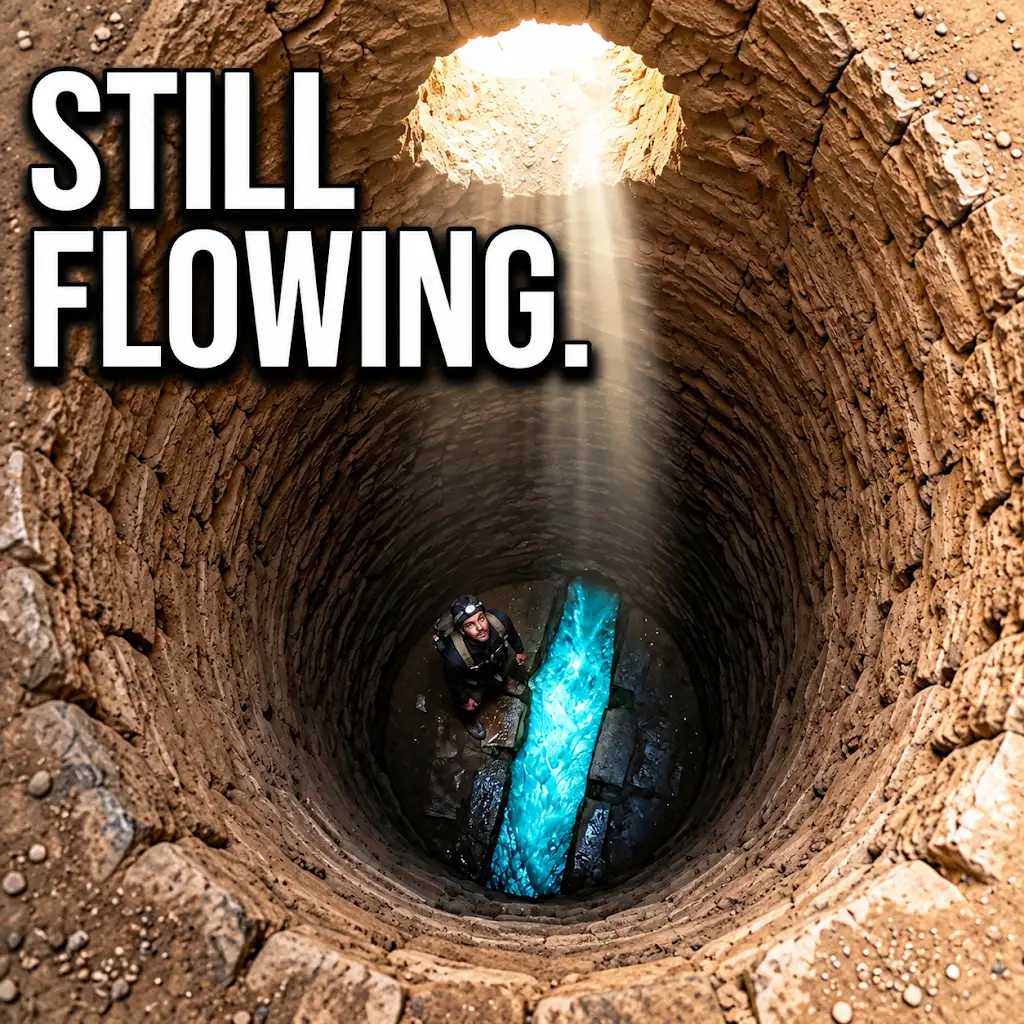
They Dug Water Tunnels Under the Desert… And They Still Flow
FAQs
What is a qanat?
A qanat is an underground water management system used to transport water from an aquifer under a hill to the surface for irrigation and drinking purposes.
Why is monitoring water quality in qanats important?
Monitoring water quality in qanats is crucial to ensure the water is safe for consumption and irrigation, as contamination can pose health risks to individuals and affect crop productivity.
What are some common contaminants found in qanat water?
Common contaminants found in qanat water include bacteria, heavy metals, nitrates, and pesticides, which can enter the water system through various sources such as agricultural runoff and industrial activities.
How is water quality in qanats typically monitored?
Water quality in qanats is often monitored through regular sampling and testing of the water for various parameters such as pH, turbidity, dissolved oxygen, and the presence of contaminants. This data helps in assessing the overall quality of the water and identifying any potential issues.
What are some methods used to improve water quality in qanats?
Methods to improve water quality in qanats include implementing proper waste management practices, reducing the use of chemical fertilizers and pesticides, and promoting sustainable agricultural practices to prevent contamination of the water source.