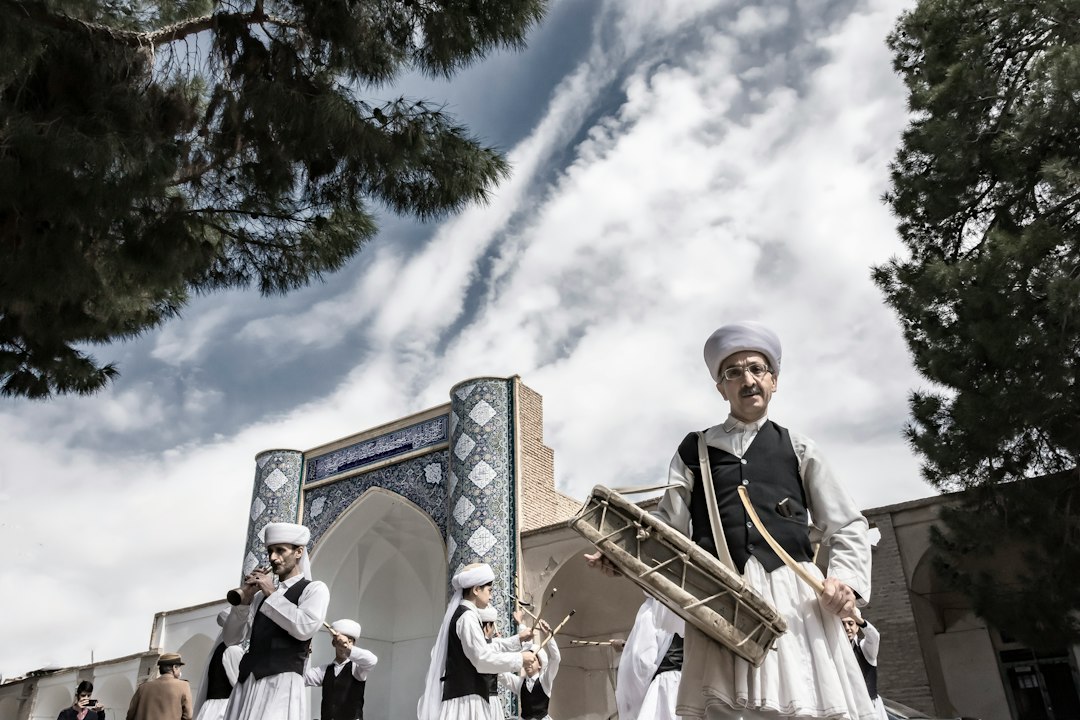
Unearthing the Ingenuity: The Qanat as a Masterclass in Ancient Water Management
Across vast swathes of the arid and semi-arid world, from the sun-baked plains of Iran to the desert fringes of North Africa and the Indian subcontinent, lies a testament to human ingenuity and perseverance: the qanat. These subterranean waterways, often stretching for miles, represent a profound understanding of hydrology, geology, and civil engineering, developed and honed over millennia. The qanat system, a network of gently sloping tunnels, vertical access shafts, and a sophisticated distribution system, allowed ancient civilizations to tap into groundwater reserves and bring life-giving water to otherwise parched lands. Far more than mere aqueducts, qanats were intricate, self-sustaining ecosystems, meticulously crafted to harness a precious resource with remarkable efficiency and minimal environmental impact. Their construction and maintenance required immense coordination, deep local knowledge, and a societal structure capable of supporting such monumental undertakings. Examining the qanat reveals not just a historical curiosity, but a vital lesson in sustainable resource management, a reminder of how ancient peoples leveraged their understanding of natural systems to thrive in challenging environments.
The traditional masters of qanat systems have long been recognized for their innovative methods of water management in arid regions, showcasing a remarkable understanding of hydrology and engineering. Their techniques not only provided sustainable water sources for agriculture and communities but also offer valuable lessons in resilience and adaptation in the face of climate challenges. For a deeper exploration of how ancient societies navigated climate crises and the implications for modern practices, you can read the article on this topic at Lessons from Ancient Climate Crisis: A Historical Perspective.
The Genesis and Spread of the Qanat System
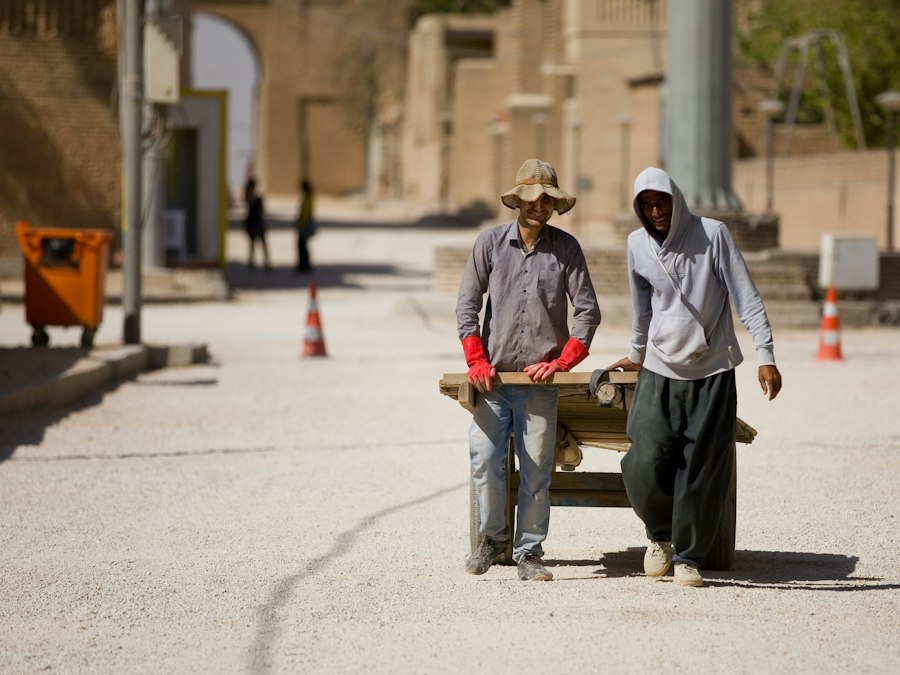
The origins of the qanat system are deeply rooted in the ancient Near East, with Persia widely recognized as its cradle. While definitive archaeological evidence for the earliest qanats remains elusive, historical accounts and the sheer prevalence of the technology in the region strongly suggest its development there. The word “qanat” itself is Arabic, derived from the Semitic root “q-n-y,” meaning “to acquire” or “to create,” a fitting descriptor for the way these systems literally brought water into existence where none was readily available.
Early Innovations in Persian Groundwater Extraction
The dry climate of the Iranian plateau presented an early and persistent challenge for settled agriculture. Surface water sources were scarce and often unreliable, subject to seasonal fluctuations and high evaporation rates. The need to access the more stable, albeit deeper, groundwater reservoirs became paramount. It is believed that early experiments likely involved shallow wells, but the limitations of this approach quickly became apparent. The breakthrough came with the realization that by excavating a gently sloping tunnel from a source of groundwater (often at the foothills of mountains where aquifers are more prevalent) towards a point of use (a village or agricultural land), water could be drawn to the surface by gravity alone. This eliminated the need for pumps or the considerable effort of lifting water from deep wells. The genius lay in the subtle but crucial gradient, carefully calculated to ensure a constant flow without excessive erosion or the risk of the tunnel flooding itself.
Diffusion Across Continents and Cultures
From its Persian heartland, the qanat system gradually spread through a confluence of trade, conquest, and cultural exchange. The Achaemenid Empire, in particular, played a significant role in its dissemination, as its vast reach connected diverse regions and facilitated the transfer of knowledge and technology. As Persian influence extended westwards into Mesopotamia and Anatolia, and eastwards into Central Asia, so too did the qanat. Later, the Silk Road, a network of ancient trade routes, became a conduit for qanat technology to reach as far as China. Arab conquests in the 7th and 8th centuries CE carried the qanat system further into North Africa, Spain (where they are known as qanats or menaages), and eventually to the Indian subcontinent. In each new land, the qanat was adapted to local conditions, geological formations, and water availability, demonstrating its inherent flexibility and robustness. For instance, in regions with less stable soil, techniques for lining the tunnels with clay or stone were refined to prevent collapse.
The Anatomy of a Qanat: A Symphony of Subterranean Engineering
The qanat system is a marvel of interconnected components, each serving a vital purpose in the efficient and sustainable extraction and delivery of water. It is not a single, monolithic structure but rather a carefully orchestrated network designed to harness natural forces with minimal intervention. Understanding its constituent parts reveals the depth of knowledge and planning that went into its creation.
The Mother Well: Tapping into the Aquifer
The journey of qanat water begins at the “mother well,” also known as the “source well” or “head well.” This is the deepest and often the widest vertical shaft, strategically located to intersect the aquifer. The selection of the mother well’s location was a critical step, requiring an intimate understanding of local hydrology and geology. Surveyors would have identified areas where groundwater was closest to the surface and most abundant, often at the base of hills or in alluvial fans where mountain streams replenished underground reservoirs. The construction of the mother well was labor-intensive, involving digging through layers of soil, rock, and gravel until the saturated zone was reached. The well’s depth could vary significantly, from a few meters in some regions to over a hundred meters in others, depending on the depth of the aquifer.
The Gallery Tunnel: The Lifeline of the System
From the mother well, a gently sloping horizontal tunnel, known as the “gallery tunnel” or “main gallery,” extends towards the point of usage. This tunnel is the heart of the qanat system, carrying the groundwater to the surface. The gradient is precisely calculated, typically ranging from 0.5% to 2%, ensuring a slow and steady flow of water by gravity. This slight slope was crucial: too steep and the water would erode the tunnel; too shallow and the flow would be insufficient or non-existent. The construction of the gallery tunnel was perhaps the most challenging aspect of qanat building. Teams of laborers, working in cramped and often dangerous conditions, would excavate the tunnel from both ends – from the mother well and from intermediate access shafts. The excavated material was brought to the surface through the vertical shafts. The dimensions of the gallery were typically just large enough for a person to work in, usually around 0.5 to 1 meter in height and width, minimizing the amount of material to be removed and the structural stress on the surrounding earth.
Access Shafts: Ventilation, Construction, and Maintenance
Interspersed along the length of the gallery tunnel are a series of vertical access shafts, known as “well shafts” or “air shafts.” These shafts served multiple critical functions. Firstly, they were essential for the construction of the gallery tunnel, providing ventilation for the workers and a means to remove the excavated soil and rock. Without these shafts, the deep excavation of the gallery would have been virtually impossible. Secondly, they allowed for periodic inspection and maintenance of the tunnel. Over time, tunnels could become partially blocked by sediment, or sections might require repair due to ground movement. The access shafts provided easy entry points for maintenance crews. The spacing of these shafts varied, typically ranging from 20 to 100 meters apart, depending on the geological stability of the ground and the depth of the tunnel. Closer spacing was used in less stable areas or where deeper excavation was required. The depth of these shafts matched the depth of the gallery tunnel at that point, allowing them to act as entry and exit points for the builders.
The Distribution System: Delivering Water to the Fields
Upon reaching the surface at its destination, the qanat water flowed into a sophisticated distribution system. This usually began with a larger collection reservoir, where the water was pooled before being channeled. From this reservoir, a network of smaller, open surface channels (known as juys or arghab) carried the water to individual fields, gardens, or settlements. The precise allocation of water was often managed through an ingenious system of timing and flow control, sometimes involving the use of stones or gates to regulate the amount of water delivered to each plot. In some instances, qanats also fed underground cisterns for storage, particularly in areas with highly variable demand or where protection from evaporation was desired. The meticulous design of this distribution network ensured that the precious qanat water was utilized as efficiently as possible, minimizing waste and maximizing agricultural productivity.
The Societal Fabric and Maintenance of Qanats
The construction and continued operation of qanats were not merely feats of engineering; they were deeply embedded within the social, economic, and political structures of the societies that built them. The immense undertaking required a level of organization, cooperation, and sustained commitment that transcended individual efforts. The very existence of a qanat was a testament to a functioning community.
Community Governance and Water Rights
The ownership and management of qanats were typically communal. In many cases, a group of landowners or villagers would collectively invest in the construction and maintenance of a qanat that served their area. This often involved complex agreements regarding labor contribution, resource sharing, and the equitable distribution of water. Water rights were a paramount concern, and intricate customary laws, often predating written legal codes, governed who received water, when, and in what quantities. These laws were vital for preventing conflict and ensuring the long-term sustainability of the system. Disputes were often resolved through councils of elders or elected water masters, whose decisions were respected by the community. The shared responsibility for maintenance meant that if a section of the qanat fell into disrepair, the community would mobilize to fix it, understanding that the collective well-being depended on it.
The Skilled Craftsmanship and Labor Force
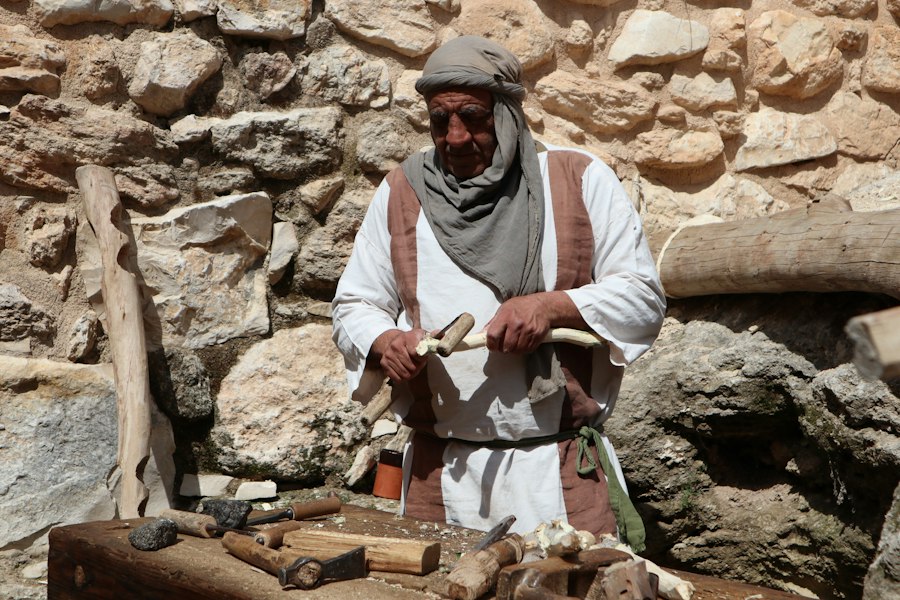
Building and maintaining a qanat was a highly specialized and dangerous profession. It required a unique blend of skills and a dedicated labor force. The excavators, known as muqannis (a term often used in Persia), possessed an innate understanding of geology and hydrology, enabling them to locate the best sites for mother wells and to anticipate the challenges of tunneling through different soil and rock strata. They developed specialized tools for excavation, often adapted to the specific conditions they encountered. The work was arduous and hazardous, with risks of tunnel collapse, gas build-up, and flooding. Therefore, a high degree of trust and solidarity existed among the qanat workers. The continuity of the qanat system over centuries often depended on the transmission of this specialized knowledge from one generation of muqannis to the next.
The Economic and Environmental Impact
The impact of qanats on the societies that utilized them was profound. They transformed arid and semi-arid landscapes into fertile oases, enabling the development of agriculture, supporting larger populations, and fostering the growth of towns and cities. The consistent supply of water facilitated the cultivation of a wider variety of crops, leading to greater food security and economic prosperity. Beyond agriculture, qanat water was also essential for domestic use, for livestock, and for various crafts and industries. Environmentally, qanats offered a remarkably sustainable approach to water management. By tapping into deep aquifers, they drew water at a rate generally commensurate with natural replenishment, minimizing the risk of aquifer depletion. Unlike surface irrigation systems, which can lead to significant water loss through evaporation and seepage, qanats delivered water directly to its point of use, reducing waste. Furthermore, the construction of qanats caused minimal disruption to the surface environment, preserving natural landscapes and ecosystems.
The traditional masters of qanat systems have long been celebrated for their ingenious methods of water management in arid regions. These underground aqueducts, which date back thousands of years, showcase the remarkable engineering skills of ancient civilizations. For those interested in exploring the fascinating history and techniques behind these structures, a related article can be found in a recent documentary that uncovers ancient secrets. You can read more about it in this insightful piece here.
The Decline and Enduring Legacy of Qanats
| Metric | Description | Typical Value | Unit |
|---|---|---|---|
| Length | Average length of a traditional qanat tunnel | 1,000 – 10,000 | meters |
| Depth | Depth of the mother well to reach the water table | 20 – 100 | meters |
| Water Flow Rate | Typical water flow delivered by a qanat | 5 – 50 | liters/second |
| Number of Vertical Shafts | Vertical access shafts per kilometer of qanat | 10 – 30 | shafts/km |
| Construction Time | Time required to build a qanat of average length | 6 – 12 | months |
| Maintenance Frequency | How often qanats require maintenance | Annually | times/year |
| Water Temperature | Temperature of water flowing through qanats | 10 – 15 | °C |
| Typical Slope | Gradient of qanat tunnel for water flow | 1:1000 to 1:1500 | ratio |
Despite their remarkable longevity and ingenuity, the prevalence of traditional qanats has seen a significant decline in many parts of the world over the past century. Several factors have contributed to this shift, though the legacy of these ancient systems continues to inspire and inform modern approaches to water management.
Challenges of Modernization and Water Scarcity
The advent of modern technologies and changing socio-economic conditions presented new challenges to the qanat system. The development of electric pumps and deep boreholes offered a more immediate and, in some cases, seemingly cheaper solution for accessing groundwater. This often led to the abandonment or neglect of traditional qanats as communities shifted their reliance to these newer technologies. However, the widespread adoption of pumping has also led to significant issues of aquifer over-exploitation and land subsidence in many regions, problems that qanats were designed to avoid. In areas where qanats still exist, they often face competition from deeper, more productive modern wells, and the maintenance of these complex, often miles-long, subterranean structures can be prohibitively expensive for individual landowners. Furthermore, in some regions, a decline in population or migration away from rural areas has meant a loss of the necessary labor force and community governance structures to maintain the qanats.
Revitalization Efforts and Modern Applications
Despite the decline, there is a growing recognition of the immense value of qanats, both historically and as a model for sustainable water management. In recent decades, there have been concerted efforts in countries like Iran, Oman, and Spain to document, preserve, and even revitalize qanat systems. These efforts are driven by a desire to protect invaluable cultural heritage, to understand the principles of their construction, and to explore their potential as a sustainable water source in the face of increasing water scarcity. Researchers and engineers are studying qanat construction techniques to learn how to adapt them to modern contexts, perhaps by integrating them with other water management strategies or by using them to recharge aquifers. The qanat’s reliance on gravity and its minimal surface footprint make it an environmentally sound approach that is gaining renewed appreciation in an era concerned with climate change and water security.
Lessons for the Future: Sustainable Water Wisdom
The enduring legacy of the qanat lies not just in the physical structures that remain, but in the profound wisdom they embody. They offer a powerful testament to how human societies can live in harmony with their environment, utilizing natural resources with a deep understanding of ecological limits. The qanat teaches us about the importance of community collaboration, traditional knowledge, and long-term planning in resource management. As the world grapples with increasingly complex water challenges, the principles behind these ancient marvels – efficiency, sustainability, and a profound respect for the natural world – offer invaluable lessons for building a more water-secure future. The qanat, a silent testament to human ingenuity, continues to whisper its timeless advice on how to quench the thirst of a thirsty planet.
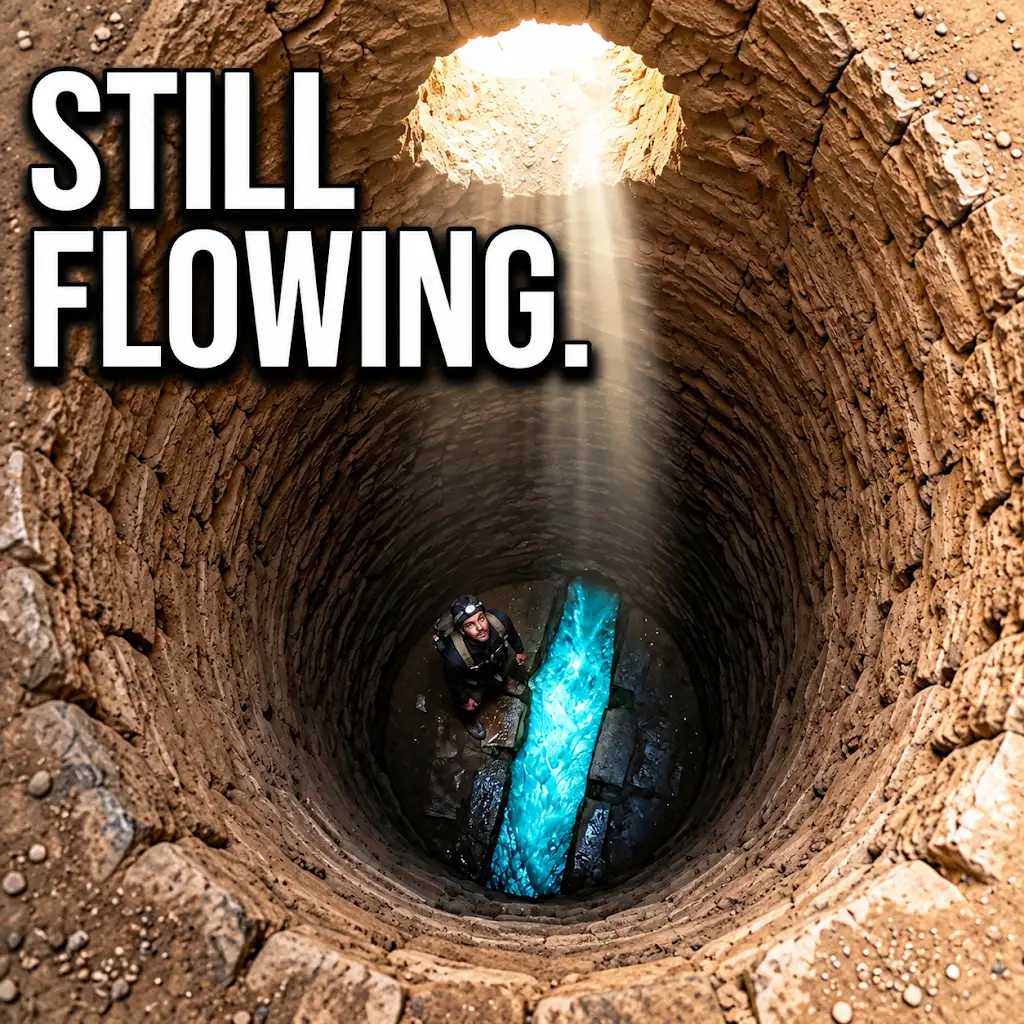
They Dug Water Tunnels Under the Desert… And They Still Flow
FAQs
What is a traditional masters qanat?
A traditional masters qanat is an ancient underground water management system used to extract groundwater and transport it over long distances to supply water for irrigation and drinking purposes.
How does a traditional masters qanat work?
A traditional masters qanat consists of a series of vertical access shafts, underground tunnels, and gently sloping channels that use gravity to bring water from a higher elevation source to a lower elevation destination.
Where are traditional masters qanats commonly found?
Traditional masters qanats are commonly found in arid and semi-arid regions of the Middle East, North Africa, and Central Asia, where they have been used for centuries to provide a reliable source of water for agriculture and human consumption.
What are the benefits of traditional masters qanats?
Traditional masters qanats provide a sustainable and energy-efficient way to access groundwater, reduce water loss through evaporation and seepage, and distribute water to areas where surface water sources are scarce or unreliable.
Are traditional masters qanats still in use today?
While many traditional masters qanats have fallen into disrepair due to modernization and changes in water management practices, some are still in use today, particularly in rural areas where they continue to provide a vital source of water for agriculture and communities.