The Enduring Flow of Knowledge: Qanat Apprenticeship in Iran
The whispers of ancient water systems resonate through the arid landscapes of Iran, tales carried by the ingenious qanat, a subterranean network of wells and tunnels that has sustained life and civilization for millennia. More than just an engineering marvel, the qanat is a cornerstone of Iran’s rich water culture, a living heritage deeply intertwined with the nation’s history, society, and environment. However, like many traditional crafts and knowledge systems facing the inexorable march of modernity, the qanat faces its own set of challenges. The intricate skills required for their construction, maintenance, and management are becoming increasingly scarce as younger generations gravitate towards urban centers and contemporary professions. It is within this context that qanat apprenticeship programs have emerged as a vital lifeline, a deliberate and vital effort to ensure the continuity of this invaluable heritage. These programs are not merely about imparting technical expertise; they are about preserving a philosophy, a way of life, and a deep understanding of the delicate balance between human needs and ecological sustainability that the qanat embodies.
The qanat system, a testament to human ingenuity in arid regions, is a sophisticated network of gently sloping tunnels that tap into underground water sources and channel them to the surface, often over considerable distances. These underground aqueducts, typically running for several kilometers, consist of a series of vertical access shafts, known as “wells” or “chasms,” dug at regular intervals, and a horizontal tunnel that slopes downwards from the water table to the point of delivery. The brilliance of the qanat lies in its gravity-driven operation, requiring no external energy source and minimizing water loss through evaporation. Historically, the construction and maintenance of qanats were highly specialized endeavors, requiring a deep understanding of geology, hydrology, engineering, and labor management. The communities that relied on qanats developed complex social structures and water-sharing traditions, often governed by customary laws and managed by hereditary caretakers known as “mirabs.” These mirabs were not only technically proficient but also acted as mediators and custodians, ensuring equitable distribution and the long-term health of the qanat system. The decline of qanat usage, spurred by the advent of modern irrigation technologies, urbanization, and the associated migration of skilled labor, threatened to render this ancient knowledge obsolete. It is against this backdrop that various governmental and non-governmental organizations, often in collaboration with local communities, have initiated and supported apprenticeship programs designed to train a new generation of qanat custodians and artisans.
The qanat apprenticeship system in Iran is a fascinating topic that highlights the intricate relationship between traditional water management practices and local craftsmanship. For those interested in exploring the broader implications of regional practices and governance, a related article can be found at Belgium’s Potential Partition: What Lies Ahead, which discusses the complexities of managing resources and political structures in different contexts. This connection underscores the importance of sustainable practices and local knowledge in both water management and political stability.
The Pillars of Preservation: Traditional Knowledge and Modern Application
The qanat system is a complex interplay of engineering, hydrology, and community management. Its construction and upkeep demand a unique set of skills that have been passed down through generations. These skills encompass not only the physical labor of excavation and repair but also an intimate understanding of the geological formations, water flow dynamics, and the delicate environmental equilibrium that sustains these underground arteries. The apprenticeship programs aim to bridge the gap between this traditional knowledge and the contemporary realities, ensuring that the qanat continues to serve its purpose effectively in the 21st century.
The Art of Excavation and Tunneling
At the heart of qanat construction lies the painstaking art of excavation. Apprentices learn to navigate the subterranean environment, a space often characterized by darkness, confined passages, and the ever-present threat of collapse. This involves mastering techniques for digging through various soil and rock types, using specialized tools adapted to the narrow confines of the tunnels. They are taught the critical importance of maintaining the precise gradient of the qanat to ensure efficient water flow, a task that requires keen observation and a profound understanding of the land. The apprenticeship delves into the subtle art of “daman-kashi,” the process of lining the tunnel walls with carefully placed stones or baked bricks to prevent erosion and collapse. This is not a mere structural reinforcement but a technique honed over centuries, understanding the specific properties of local materials and their interaction with water and soil. The training emphasizes the development of spatial awareness within the darkness, learning to gauge distances and angles by touch and sound, a skill that speaks volumes about the sensory engagement required for this work.
Water Management and Mirab Traditions
Beyond the physical construction, the qanat system is intrinsically linked to a sophisticated framework of water management and community governance. Apprentices are initiated into the time-honored traditions of the “mirab,” the custodian of the qanat and its waters. This involves understanding the complex systems of water allocation, often based on historical rights, crop needs, and equitable distribution among the various users. They learn the principles of “tabarruka,” the practice of communal water sharing, and the ethical considerations that govern its use. The apprenticeship imparts the knowledge of how to monitor water flow, detect leaks, and identify potential sources of contamination. This holistic approach extends to understanding the ecological impact of the qanat, recognizing its role in maintaining the water table and supporting the surrounding environment. The programs also emphasize conflict resolution skills, as the equitable distribution of a scarce resource like water has historically been a source of disputes, and the mirab often played a crucial role in mediating these disagreements.
Adapting to Contemporary Challenges
While rooted in tradition, the qanat apprenticeship programs are not solely focused on replicating the past. They actively seek to equip apprentices with the knowledge and skills necessary to address the modern challenges facing qanat systems. This includes understanding the impact of climate change on water availability, the effects of groundwater over-extraction from industrial and agricultural wells, and the degradation of qanat infrastructure due to neglect or disuse. Apprentices are trained in modern surveying techniques to map and assess the condition of existing qanats, utilizing tools like GPS and digital mapping software. They are introduced to contemporary engineering principles for reinforcing and repairing qanat tunnels, incorporating modern materials where appropriate without compromising the integrity of the traditional system. Furthermore, the programs often incorporate education on sustainable land and water management practices, encouraging a more integrated approach to water resource utilization that recognizes the interconnectedness of surface and groundwater systems. This blend of traditional wisdom and modern technology is crucial for the long-term viability of qanat systems in the face of evolving environmental and societal pressures.
The Human Element: Skill Transfer and Community Empowerment
The success of any traditional craft preservation hinges on the effective transfer of knowledge from experienced practitioners to new generations. Qanat apprenticeship programs are designed with this human element at their core, fostering a sense of continuity and empowering the communities that have long been stewards of these vital water resources. These programs are more than just vocational training; they are cultural transmission initiatives that imbue the apprentices with a deep respect for their heritage and a sense of responsibility for its future.
Mentorship and Hands-on Learning
The cornerstone of these apprenticeship programs is the direct mentorship provided by seasoned qanat builders and maintenance specialists, often referred to as “ustads” or masters. These experienced individuals, many of whom have spent their lives working with qanats, share their accumulated wisdom and practical expertise through a process of “learning by doing.” Apprentices work alongside their mentors in the field, participating in every stage of qanat maintenance and, in some cases, even new construction. This hands-on approach allows them to develop a visceral understanding of the challenges and nuances involved. They learn to read the subtle signs of an ailing qanat, such as changes in water flow, unusual soil formations, or the presence of specific plant species that indicate water seepage. The apprentices gain proficiency in using traditional tools, understanding their historical significance and their enduring effectiveness, while also being exposed to safer and more efficient modern tools when appropriate. This direct transfer of tacit knowledge, the kind that is often difficult to articulate but is crucial for true mastery, is what makes these programs so effective in preserving the intricate skills associated with qanat management.
Revitalizing Rural Economies and Social Fabric
The qanat apprenticeship programs play a significant role in revitalizing rural economies and strengthening the social fabric of communities historically reliant on these water systems. By training local individuals in the skills needed to maintain and even restore qanats, these programs create opportunities for skilled employment within their own villages. This can help to stem the tide of rural-to-urban migration, allowing younger generations to find meaningful work and contribute to the prosperity of their communities. Furthermore, the successful restoration and maintenance of qanats can lead to increased agricultural productivity, improved access to clean water for domestic use, and the preservation of traditional agricultural practices. This, in turn, can foster a renewed sense of pride and ownership in their cultural heritage, strengthening community bonds and promoting social cohesion. The shared effort involved in restoring and managing a qanat often brings people together, fostering collaboration and mutual support, essential elements for the resilience of rural communities.
Preserving Cultural Identity and Heritage
Ultimately, these apprenticeship programs are instrumental in preserving Iran’s unique water culture and its rich historical heritage. The qanat is more than just an aqueduct; it is a symbol of Iranian resilience, ingenuity, and a profound connection to the land. By ensuring that the knowledge and skills associated with qanats are passed down, these programs help to safeguard a vital aspect of national identity. The apprentices are not just learning a trade; they are becoming custodians of a legacy, understanding the stories, traditions, and values that are woven into the very fabric of the qanat system. This cultural transmission ensures that future generations will not only benefit from the practical utility of qanats but will also appreciate and cherish the deep historical and cultural significance they hold. The programs help to ensure that the qanat remains a vibrant and relevant part of the Iranian landscape, both physically and symbolically.
The Challenges and Triumphs of Modern Qanat Preservation
While the qanat apprenticeship programs represent a beacon of hope for preserving Iran’s ancient water heritage, they are not without their own set of obstacles. Navigating the complexities of funding, public engagement, and the inherent difficulties of traditional skill transfer in a rapidly changing world demands resilience and adaptability from those involved in these vital initiatives.
Securing Sustainable Funding and Resources
One of the most persistent challenges faced by qanat apprenticeship programs is the acquisition and sustained availability of adequate funding. The initial setup and ongoing operational costs, which include providing stipends for apprentices, compensating experienced masters, procuring tools and materials, and managing administrative overhead, can be substantial. Reliance on intermittent government grants or the goodwill of NGOs can lead to uncertainty and hinder long-term planning. Furthermore, the specialized nature of qanat work often requires access to remote and sometimes difficult-to-reach locations, adding to the logistical and financial burden. Innovative funding models, such as public-private partnerships, the creation of dedicated cultural heritage endowments, or the development of eco-tourism initiatives that highlight the importance of qanats and their preservation, are being explored to ensure the financial sustainability of these crucial programs. The economic viability of revitalized qanat systems, for instance, through agricultural water supply, can also contribute to their long-term financial support.
Public Awareness and Engagement
Raising public awareness about the significance of qanats and the importance of their preservation is another critical aspect. For many Iranians, particularly those living in urban areas, the qanat may be a distant memory or a historical curiosity rather than a living heritage. Apprenticeship programs often grapple with the challenge of attracting both potential apprentices and broader public support. Efforts to showcase the ingenuity and cultural value of qanats through educational campaigns, documentaries, exhibitions, and community outreach initiatives are vital. Engaging local communities in the restoration and maintenance of their own qanats fosters a sense of ownership and responsibility, turning them into active participants in the preservation process. This community-led approach not only increases the likelihood of success but also reinforces the social and cultural significance of these ancient water systems, ensuring their relevance for generations to come.
Overcoming the Lure of Modernity and Migration
The pervasive allure of modern life and the economic opportunities it presents in urban centers pose a significant challenge to attracting and retaining young apprentices. Many young Iranians may perceive traditional crafts like qanat construction and maintenance as laborious, low-paying, and lacking the perceived prestige of contemporary professions. The programs must actively work to counter this perception by highlighting the intellectual and practical rewards of qanat work, the potential for entrepreneurship in water management, and the deep satisfaction derived from contributing to the preservation of a vital cultural heritage. Offering competitive stipends, ensuring safe working conditions, and providing clear career pathways can help to make these apprenticeships more attractive. Furthermore, fostering stronger links between these programs and formal educational institutions, perhaps through vocational training certifications or university partnerships, can enhance the perceived value and legitimacy of the skills acquired. The ultimate goal is to demonstrate that preserving the qanat is not a step backward but a forward-looking endeavor that connects the past to a sustainable future.
The qanat apprenticeship in Iran is a fascinating topic that highlights the traditional methods of water management in arid regions. This ancient technique not only showcases the ingenuity of Iranian engineers but also reflects the cultural heritage associated with these underground aqueducts. For those interested in exploring the broader implications of historical engineering practices, a related article discusses the social dynamics and architectural innovations in ancient cities, which can be found here. Understanding these connections can provide deeper insights into how communities adapted to their environments over time.
The Future Flow: Innovations and the Long-Term Vision for Qanats
| Metric | Details |
|---|---|
| Apprenticeship Duration | 5 to 7 years |
| Primary Skills Learned | Qanat digging, water management, structural reinforcement |
| Age of Entry | Typically 15-20 years old |
| Number of Apprentices per Master | 1 to 3 |
| Regions Practicing Qanat Apprenticeship | Kerman, Yazd, Isfahan, Fars provinces |
| Annual Number of New Apprentices | Approximately 50-100 |
| Traditional Tools Used | Pickaxes, shovels, measuring rods, plumb bobs |
| Apprenticeship Outcome | Certified qanat digger and maintainer |
| Importance | Preservation of ancient water management system |
The preservation of Iran’s qanat systems through apprenticeship programs is not a static endeavor; it is a dynamic process of adaptation and innovation, driven by a long-term vision for their continued relevance and sustainability. As the world grapples with water scarcity and the need for sustainable resource management, the ancient wisdom embodied in the qanat, revitalized by modern apprentices, holds immense potential for the future.
Integrating Technology and Traditional Practices
The future of qanat preservation lies in the intelligent integration of modern technology with time-honored traditional practices. Apprentices are being trained to utilize advanced surveying equipment for accurate mapping and assessment of qanat infrastructure, enabling more precise planning for repairs and maintenance. Digital monitoring systems can be employed to track water flow, detect leaks in real-time, and assess water quality, providing data that can inform more effective management strategies. Drones, for example, can be used for aerial inspections of vulnerable sections of qanat channels or to identify potential issues with access shafts. However, this technological integration is not about replacing traditional knowledge but augmenting it. The core skills of understanding soil mechanics, geological formations, and the subtle art of water flow will remain paramount, guided by the experience of masters and refined by the insights provided by modern data. This symbiotic relationship ensures that the qanat systems are not only maintained but also optimized for efficiency and resilience in the face of changing environmental conditions.
Expanding the Scope Beyond Maintenance
The vision for the future of qanat apprenticeship extends beyond mere maintenance and repair. These programs are increasingly being recognized as platforms for broader water resource management and sustainable development initiatives. Graduates of these programs are not only becoming skilled artisans but also potential community leaders in water conservation and management. They can play a crucial role in educating their communities about responsible water use, promoting drought-resistant agricultural practices, and advocating for policies that protect groundwater resources. The understanding of hydrological cycles and water balance gained through qanat work can be applied to broader environmental challenges. Furthermore, the inherent resilience and low environmental impact of qanat systems make them attractive models for decentralized water solutions in arid and semi-arid regions globally. The knowledge gained through these Iranian programs has the potential to inform and inspire similar initiatives in other water-stressed parts of the world, fostering international cooperation in the face of shared challenges.
The Enduring Legacy of Water Wisdom
The qanat apprenticeship programs represent a profound commitment to preserving not just an ancient engineering system but a deeply ingrained water wisdom that has sustained Iranian civilization for millennia. This wisdom encompasses a holistic understanding of the relationship between humans and their environment, emphasizing conservation, equitable sharing, and a respect for the natural world. By empowering a new generation of custodians, these programs ensure that this invaluable legacy will continue to flow, adapting to new challenges and enriching the lives of future generations. The enduring spirit of the qanat, embodied by its apprentices, is a testament to the timeless human capacity for innovation and our innate drive to live in harmony with the earth’s precious resources. The continued success of these programs is vital for maintaining a connection to a rich past and for building a more water-secure and culturally vibrant future for Iran and potentially beyond. The flow of knowledge, like the flow of water through a qanat, is essential for sustaining life and culture.
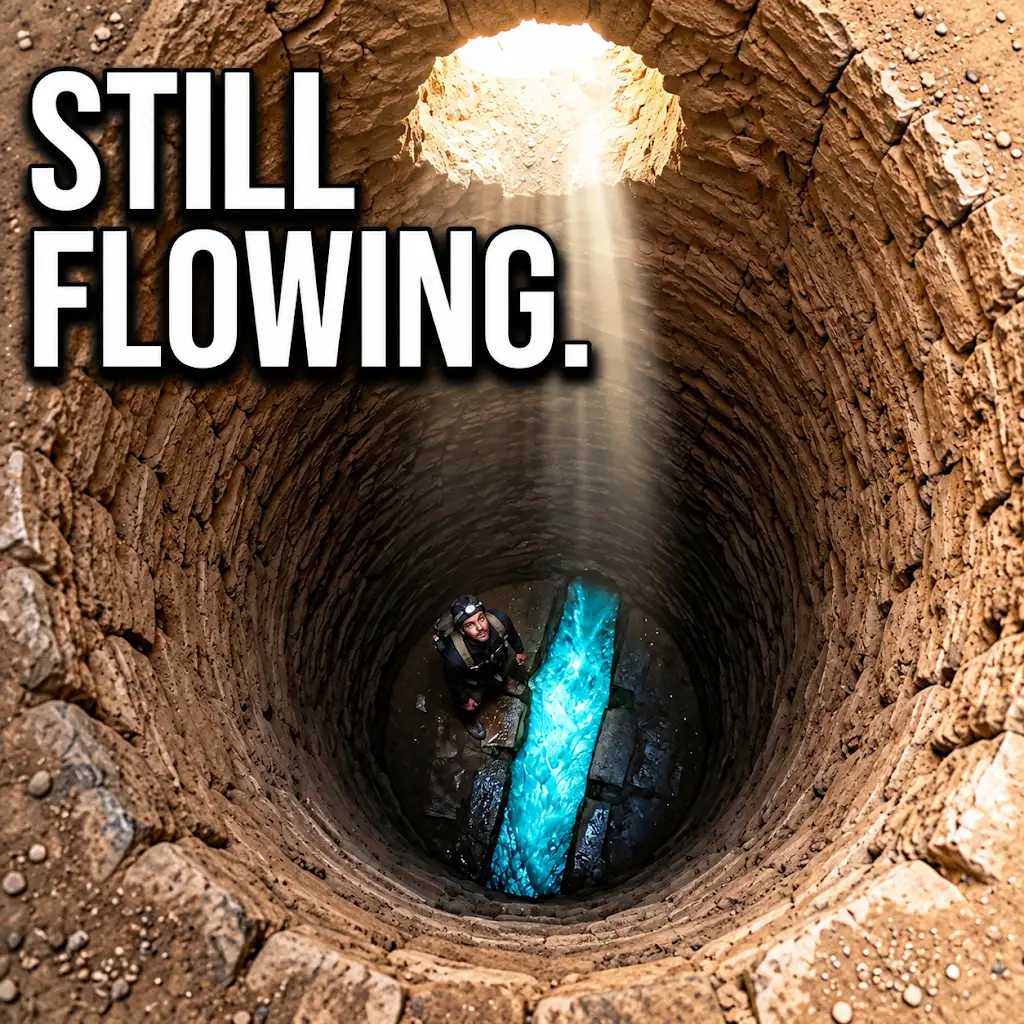
They Dug Water Tunnels Under the Desert… And They Still Flow
FAQs
What is a qanat apprenticeship in Iran?
A qanat apprenticeship in Iran is a traditional method of learning how to design, construct, and maintain qanats, which are underground water channels used for irrigation and water supply.
How long does a qanat apprenticeship typically last?
A qanat apprenticeship in Iran can last anywhere from a few months to several years, depending on the complexity of the qanat system being taught and the skills of the apprentice.
What skills are taught during a qanat apprenticeship?
During a qanat apprenticeship in Iran, apprentices learn skills such as surveying, digging, tunneling, masonry, and water management techniques specific to qanat construction and maintenance.
Who typically undergoes a qanat apprenticeship in Iran?
Individuals who are interested in preserving and passing on the traditional knowledge of qanat construction and maintenance, such as young people from qanat-dependent communities or those studying civil engineering, often undergo qanat apprenticeships in Iran.
Are qanat apprenticeships still relevant in modern Iran?
Yes, qanat apprenticeships are still relevant in modern Iran as they help preserve traditional knowledge and techniques related to water management, which are valuable for sustainable agriculture and water conservation in arid regions.