The history of human civilization is intrinsically linked to its ability to manipulate the earth. Long before the advent of modern machinery, ancient peoples possessed a remarkable ingenuity that allowed them to excavate vast underground networks for a variety of purposes. These ancient tunnel digging methods, honed over millennia by early civilizations, reveal a profound understanding of geology, physics, and sophisticated labor organization. From the sacred depths of tombs to the strategic necessities of defense and the practicalities of water management, these subterranean feats stand as testaments to human perseverance and inventive spirit.
The Ingenuity of Manual Excavation
The foundation of ancient tunnel construction lay in the sheer power of human labor, augmented by remarkably simple yet effective tools. The process began with careful observation and planning, often dictated by the intended purpose of the tunnel. Whether for a tomb intended to last an eternity or a defensive passage designed for rapid deployment, the initial stages involved understanding the surrounding rock and soil composition. This was not a haphazard endeavor; it was a calculated undertaking that relied on the accumulated knowledge passed down through generations.
Toolmaking and Material Selection
The primary instruments of ancient excavation were forged from readily available materials. Stone, bone, and early forms of metal were fashioned into an array of tools suited for different tasks. Chisels and hammers, often made of hardened stone like flint or obsidian, were used for breaking apart harder rock. For softer soils, picks and spades crafted from bone or wood, reinforced with stone or copper, proved effective. The selection of materials for tools was crucial; a soft copper chisel would be useless against granite, just as a brittle flint pick would shatter when used on basalt. Metallurgical advancements, particularly the Bronze Age, brought stronger and more durable tools like bronze picks and shovels, significantly increasing the efficiency of excavation. The Egyptians, for instance, were known to use copper chisels and dolerite pounders for carving into limestone and granite. In Mesopotamia, where softer sedimentary rocks were more prevalent, wooden tools with hardened edges or even fired clay implements might have been employed. The availability of these tools and the skill in their manufacture were direct determinants of the scale and complexity of any underground project.
The Power of the Workforce
Tunnel construction was an inherently labor-intensive process. Teams of workers, often organized into specialized groups, would work in shifts to maintain a continuous excavation. This demanded a sophisticated system of organization and management. Overseers were responsible for directing the flow of work, ensuring the safety of the laborers, and maintaining the morale of the crew. The sheer number of hands required for larger projects meant that these undertakings often involved significant portions of a community’s population. For example, the construction of the Great Pyramid’s subterranean chambers in Egypt likely involved thousands of laborers working in coordinated efforts. In Roman times, military engineers often directed legions in the construction of siege tunnels and aqueduct systems, showcasing a formalized military-industrial complex for subterranean engineering. The logistics of feeding, housing, and supervising such large workforces were as critical to the success of a tunnel project as the digging itself.
Techniques for Material Removal
Once the rock or soil was loosened, its removal was a significant challenge. For smaller tunnels and softer materials, workers would use baskets and simple sledges to haul out the excavated debris. In larger projects, ramps and inclined shafts were often constructed to facilitate the movement of spoil. This could involve teams of men pulling loaded sledges up wooden or earth ramps. In some instances, rudimentary pulley systems, utilizing ropes made from plant fibers or animal hides, might have been employed to lift heavier loads. The disposal of excavated material was also a consideration; it was often used to build up mounds around the site, fill in lower areas, or, in defensive contexts, as part of fortifications. The Egyptians, known for their meticulous record-keeping, likely had detailed plans for spoil management as part of their monumental constructions. The efficiency of spoil removal directly impacted the speed of excavation, and innovations in this area, however subtle, would have had a significant effect on project timelines.
Ancient tunnel digging methods have long fascinated historians and archaeologists, as they reveal the ingenuity and resourcefulness of past civilizations. For those interested in exploring this topic further, a related article titled “The Mystery of Lost Ancient Technology” delves into various ancient engineering techniques, including tunnel construction. This article provides insights into how these methods were employed and the technologies that may have been lost over time. You can read more about it here: The Mystery of Lost Ancient Technology.
Navigating the Earth: Early Surveying and Planning
The success of any ancient tunnel project hinged not only on the physical act of digging but also on the ability to accurately plan and guide the excavation. Without modern surveying equipment, early civilizations developed ingenious methods to ensure their tunnels met their intended destinations, maintained safe gradients, and avoided costly collapses. This involved a deep understanding of geometry, astronomy, and the practicalities of working in the dark.
Geometric Principles and Alignment
Ancient surveyors understood basic geometric principles to maintain straight lines and precise angles. Plumb bobs were used to establish vertical lines, essential for determining the depth of shafts and the angle of slopes. Simple sighting tools, often made of wood with a V-shaped notch, allowed workers to sight along a line and maintain a straight path for the tunnel. For longer, straighter tunnels, they might have employed a method of sighting between two points, moving one’s position forward incrementally. The Egyptians, famous for their astronomical observations, likely used celestial bodies to establish cardinal directions, aligning their subterranean structures with remarkable precision. The layout of the tomb of Tutankhamun, for example, demonstrates a clear understanding of orientation. In Roman aqueduct tunnels, maintaining a consistent, gentle gradient was paramount for water flow, requiring meticulous surveying to ensure the correct descent over long distances. This often involved establishing a series of reference points along the intended path of the tunnel.
Understanding Geological Formations
Before breaking ground, ancient peoples would have conducted rudimentary geological surveys of the intended tunnel route. This involved observing the surface topography, noting existing fissures or weaknesses in the rock, and understanding the general layering of the earth. They would have developed an intuitive sense for the stability of different rock types. Limestone, while relatively easy to excavate, could be prone to collapse if not properly supported. Granite, on the other hand, was incredibly durable but far more challenging to penetrate. The choice of tunnel location was often influenced by these geological considerations, avoiding areas known for unstable soil or groundwater seepage where possible. Indigenous peoples in various regions, like the cliff dwellings of the American Southwest, show an innate understanding of the rock formations they chose to inhabit and excavate. Their placement of dwellings and associated tunnels often followed natural fault lines or areas of greater geological stability.
Lighting and Ventilation Strategies
Working in the dark depths of the earth presented significant challenges. Ancient tunnel builders developed methods to provide light and ensure adequate ventilation. Oil lamps, typically made of clay or stone and filled with animal fat or vegetable oil, were the primary source of illumination. These provided a flickering, smoky light that was sufficient for close-range work but severely limited visibility over longer distances. Ventilation was a more critical concern, especially in deeper tunnels where air could quickly become depleted of oxygen and filled with toxic gases or dust. Simple shafts, dug perpendicular to the main tunnel, served as rudimentary ventilation systems, allowing fresh air to enter and stale air to escape. In some cases, workers might have used bellows, made from animal skins, to force air into the tunnel. The Greeks, in their construction of the Tunnel of Eupalinos on Samos, faced significant ventilation challenges and likely employed a system of parallel shafts to improve air circulation. The Romans, in their extensive tunnel networks for aqueducts and mines, developed more sophisticated methods, often linking multiple entry and ventilation shafts.
Purpose-Driven Excavation: Motives Behind the Earthworks
The reasons for ancient civilizations to undertake the arduous task of digging tunnels were as diverse as the civilizations themselves. These subterranean endeavors were driven by a spectrum of needs, from the spiritual and eternal to the practical and immediate, each dictating specific design choices and construction methods.
Subterranean Sanctuaries and Burial Sites
One of the most common and enduring reasons for ancient tunneling was the creation of tombs and burial chambers. These underground structures were often designed to protect the deceased and their grave goods for eternity, reflecting beliefs about the afterlife. The Egyptians’ elaborate necropolises, like the Valley of the Kings, are prime examples, with meticulously carved rock-cut tombs intended to house pharaohs and their treasures. The Greeks and Romans also constructed underground burial chambers, known as catacombs and columbaria respectively, often in softer rock formations. The design of these tombs varied greatly, from simple chambers to multi-level complexes with intricate passageways. The psychological and spiritual significance of these spaces often influenced their dimensions and decoration, with chambers intended to evoke awe or reverence. The orientation of these tombs, often aligned with astronomical events or cardinal directions, further underscored their spiritual purpose.
Defensive Networks and Military Engineering
In times of conflict, tunnels served as vital military assets. They provided a means of covert movement for troops, allowing them to bypass enemy defenses, launch surprise attacks, or create escape routes. Siege tunnels were dug to undermine enemy fortifications, leading to their collapse. The Hittites, for example, were known for their expertise in digging siege tunnels, a technique that was later adopted and refined by many other civilizations. The Romans extensively utilized tunnels for military purposes, including the construction of siege works and fortified underground command centers. The complexity of these defensive tunnels could vary, from simple, narrow passages to elaborate systems of interconnected chambers designed for troop deployment and storage. The necessity for speed and secrecy often dictated the tools and techniques employed, prioritizing rapid excavation over aesthetic considerations.
Water Management and Resource Extraction
Access to water was, and remains, a fundamental necessity for civilization. Ancient peoples dug tunnels to channel water from distant sources to their settlements, a testament to their understanding of hydrology and engineering. The most famous example is perhaps the Tunnel of Eupalinos on Samos, an impressive aqueduct tunnel built in the 6th century BCE, which supplied the city with water from a mountain spring. The Persians were also renowned for their qanats, a series of interconnected underground channels that tapped into groundwater and transported it for irrigation and domestic use, often spanning many kilometers. Beyond water, tunnels were also used for mining valuable resources like metals, precious stones, and building materials. The Romans dug extensive mines for gold, silver, and other minerals, employing methods that minimized surface disruption and maximized resource extraction. The practical application of these tunnels underscores the ingenuity of early societies in harnessing and managing the earth’s resources.
Challenges and Innovations in Ancient Subterranean Construction
The construction of ancient tunnels was fraught with peril and demanded constant innovation to overcome obstacles. From the inherent dangers of cave-ins and flooding to the relentless pursuit of greater efficiency, early engineers and laborers developed solutions that pushed the boundaries of their technological capabilities.
Managing Water Ingress and Seepage
Water posed a constant threat to underground construction. Groundwater seepage could flood tunnels, making excavation impossible and jeopardizing structural integrity. Ancient builders developed several strategies to mitigate this problem. For shallower tunnels, they might have simply dug drainage ditches alongside the excavation to divert water. In more ambitious projects, especially aqueducts, they often constructed channels within the tunnel itself to carry away water. The Romans were particularly adept at waterproofing, using hydraulic cement and various sealing techniques to prevent leakage. For mines, specialized pumps, often powered by human or animal labor, were developed to remove accumulated water. The qanats of Persia, by their very design, sought to tap into groundwater at its source and then guide it underground, minimizing the risk of surface flooding affecting the flow.
Preventing Cave-ins and Ensuring Structural Integrity
The potential for tunnel collapse was a significant and ever-present danger. Ancient engineers employed several methods to shore up the excavated spaces and prevent cave-ins. In softer soils or areas prone to instability, they would construct timber or stone supports. These could range from simple beams propping up the roof to more elaborate ribbing systems. The Romans were masters of stonework and often lined their tunnels with carefully fitted stone blocks, creating robust and durable structures. The Egyptians, in their rock-cut tombs, relied on the inherent strength of the bedrock itself, carefully selecting stable geological formations and ensuring that the excavation did not compromise the surrounding rock mass. The principle of minimum excavation, removing only what was necessary to create the desired space, was also a key strategy for maintaining stability.
Developing More Efficient Excavation Techniques
As civilizations advanced, so too did the quest for more efficient methods of excavation. This involved a continuous refinement of tools, techniques, and labor organization. The introduction of iron tools, for instance, dramatically improved the ability to cut through harder rock. The development of new blasting techniques, while not as sophisticated as modern explosives, may have been employed in some regions, using fire to heat rock and then rapidly cooling it with water to induce fracturing. The optimization of spoil removal systems, whether through improved ramps, more efficient baskets, or organized teams, directly contributed to faster progress. The Roman military, in particular, was a driving force behind innovation, constantly seeking ways to build military infrastructure more rapidly and effectively. The sheer scale of Roman aqueduct and road construction projects necessitated continuous improvements in tunneling efficiency.
Ancient civilizations often employed ingenious tunnel digging methods to manage water resources, a practice that has been crucial for survival in arid regions. For instance, the article on surviving drought in ancient cities highlights how these techniques not only facilitated irrigation but also helped in the construction of intricate water systems. If you’re interested in learning more about how these ancient societies adapted to their environments, you can read the full article here.
The Legacy of Subterranean Architects
| Method | Time Period | Materials Used | Tools | Typical Tunnel Length | Notable Examples | Challenges |
|---|---|---|---|---|---|---|
| Fire-Setting | Ancient Egypt, Roman Era | Wood, Stone | Wooden Beams, Picks, Hammers | Up to 100 meters | Roman Mines in Spain | Smoke, Structural Weakness, Slow Cooling |
| Hand Tools Excavation | Neolithic to Medieval | Stone, Bronze, Iron | Chisels, Hammers, Picks | Varied, often under 50 meters | Catacombs of Rome | Labor Intensive, Slow Progress |
| Water Erosion Techniques | Ancient China, Mesopotamia | Water, Soil | Channels, Dams | Variable | Qanat Systems in Persia | Control of Water Flow, Maintenance |
| Animal Labor | Ancient Civilizations | Animals (Oxen, Horses) | Levers, Carts | Variable | Mining Tunnels in Ancient Greece | Animal Fatigue, Limited Precision |
| Blasting with Black Powder | Late Ancient to Early Medieval | Black Powder | Fuse, Drills | Up to several hundred meters | Early European Mines | Safety Risks, Limited Control |
The ancient tunnels that crisscross the globe are more than just relics of a bygone era; they are enduring monuments to human ingenuity, perseverance, and a profound understanding of the earth. These subterranean marvels continue to inspire awe and provide invaluable insights into the lives, beliefs, and capabilities of early civilizations. Their construction methods, though seemingly primitive by today’s standards, represent a sophisticated application of knowledge and a testament to the enduring human drive to shape the world around us, even from beneath its surface. The echoes of the picks, hammers, and shouts of these ancient excavators resonate through the millennia, a reminder of the silent, unseen foundations upon which much of our world was built.
Preservation and Modern Understanding
The preservation of these ancient tunnels is a critical task for archaeologists and historians. Many have been lost to time, erosion, or modern development, but those that remain offer a direct link to the past. Understanding how these structures were built not only sheds light on ancient engineering prowess but also informs modern construction techniques and provides lessons in sustainable subterranean development. The study of these methods helps us appreciate the resourcefulness of our ancestors and the long arc of technological innovation.
Enduring Influence on Modern Engineering
While modern technology has revolutionized tunnel construction, the fundamental principles employed by ancient civilizations still hold relevance. The importance of geological assessment, careful planning, efficient labor organization, and robust structural support are timeless considerations in any subterranean project. The legacy of these early engineers and laborers lives on in the very earth beneath our feet, a silent but powerful testament to their enduring impact.
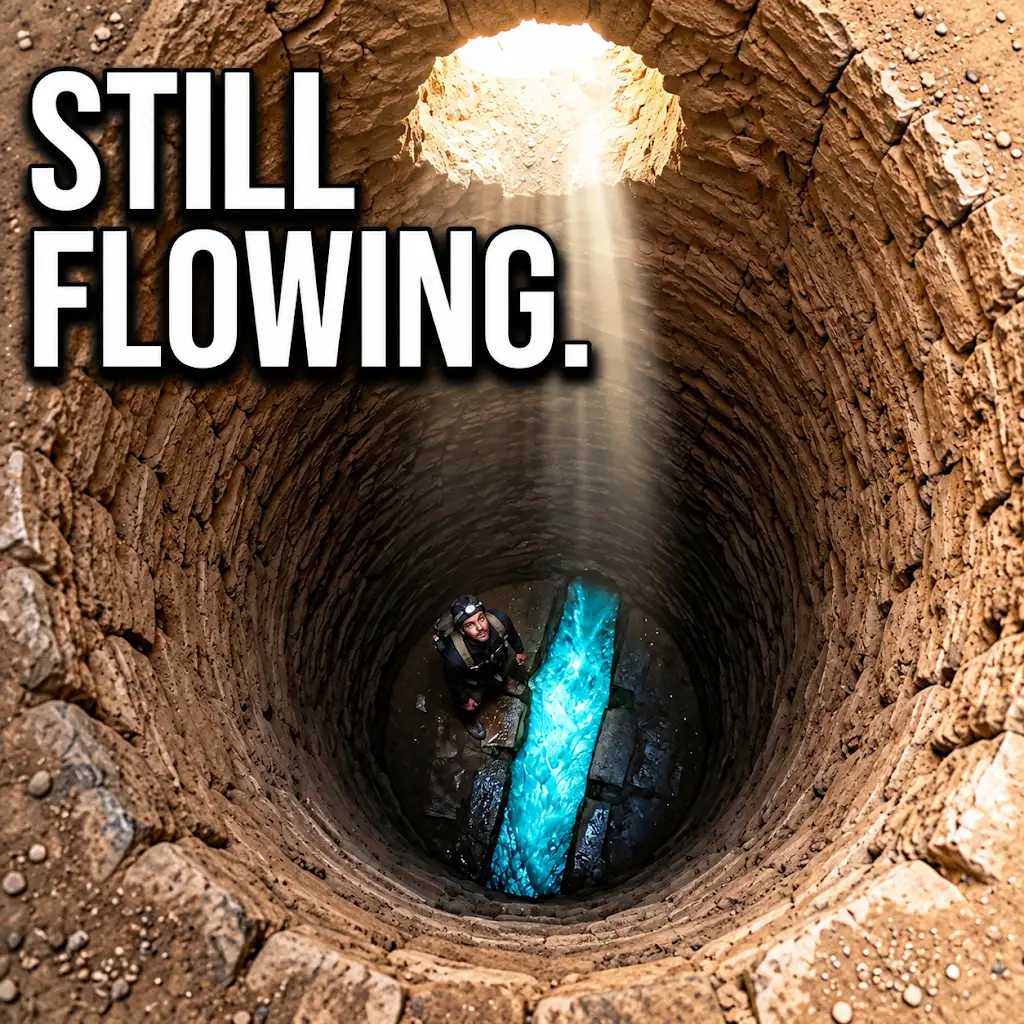
They Dug Water Tunnels Under the Desert… And They Still Flow
FAQs
What tools were used in ancient tunnel digging methods?
Ancient tunnel digging methods involved the use of basic tools such as picks, shovels, hammers, chisels, and wedges made from materials like stone, wood, and bronze.
How were tunnels supported during ancient tunnel construction?
Ancient tunnel builders used various methods to support tunnels, including timber supports, stone arches, and brick walls. These supports helped prevent collapses and maintain the structural integrity of the tunnels.
What techniques were used to excavate tunnels in ancient times?
Ancient tunnel digging methods often involved techniques such as manual digging, hammering, chiseling, and blasting with primitive explosives like black powder or gunpowder.
Were ancient tunnel builders skilled craftsmen?
Ancient tunnel builders were highly skilled craftsmen who possessed knowledge of engineering, geology, and mathematics. They had to carefully plan and execute tunnel construction to ensure stability and durability.
What are some examples of ancient tunnels built using traditional methods?
Examples of ancient tunnels built using traditional methods include the tunnels of the Roman aqueducts, the Cu Chi tunnels in Vietnam, and the underground passages of the Egyptian pyramids. These tunnels showcase the ingenuity and craftsmanship of ancient tunnel builders.