
The Ancient Qanat Reservoir System: Sustainable Water Management Explained
Genesis of Ingenuity: Origins and Purpose
The qanat system, a marvel of ancient engineering, represents a profound understanding of hydrology and a testament to human ingenuity in arid and semi-arid regions. Its origins are deeply rooted in the history of civilizations that grappled with the fundamental challenge of securing a reliable water supply. While precise attribution is debated, evidence points to its development and widespread adoption in Persia (modern-day Iran) several millennia ago, likely emerging from a gradual evolution of simpler irrigation techniques. The core problem qanats sought to solve was the scarcity of surface water, exacerbated by high evaporation rates and the uneven distribution of rainfall throughout the year. These regions, often characterized by mountainous terrain and adjacent arid lowlands, necessitated a method to tap into underground aquifers and transport water efficiently over long distances without significant loss.
The fundamental purpose of a qanat was, and remains, to provide a sustainable and gravity-fed water source for human settlements, agriculture, and even domestic use. Unlike surface canals that are prone to evaporation, contamination, and leakage, qanats operate largely underground, preserving precious water resources. They ingeniously leverage the natural topography, drawing water from higher elevations where aquifers are more accessible and guiding it through a series of subterranean tunnels to lower-lying areas. This system was not merely about water conveyance; it was intrinsically linked to the survival and prosperity of the communities it served, enabling the development of agriculture in otherwise inhospitable environments and fostering sedentary lifestyles. The very existence of many ancient cities and settlements in desert regions is directly attributable to the presence and sustenance provided by qanat systems.
The Need for Subterranean Solutions
The necessity for subterranean water management stemmed directly from the harsh environmental conditions prevalent in the regions where qanats flourished. High ambient temperatures and intense solar radiation lead to significant evaporative losses from open water channels. Even a small surface canal could lose a substantial percentage of its water volume to the atmosphere before reaching its intended destination. Furthermore, surface water sources are often subject to contamination from animal waste, dust, and other pollutants, rendering them unsuitable for direct consumption or for delicate irrigation of crops. Underground aquifers, on the other hand, are naturally protected from these external influences. They are replenished by precipitation that infiltrates the ground, often in distant mountainous catchments, and then slowly percolates downwards. Tapping into these hidden reservoirs offered a more stable and cleaner water supply.
Early Development and Precursors
While the fully developed qanat system is a sophisticated construction, it is likely that simpler forms of groundwater extraction predated its formalization. Techniques such as digging shallow wells to reach the water table or constructing rudimentary channels to intercept shallow groundwater flows may have served as early precursors. The transition to the qanat involved a critical conceptual leap: understanding that water could be captured, channeled, and conveyed over significant distances by creating an underground conduit with a continuous downward gradient. The construction of the initial qanats would have been a labor-intensive and knowledge-intensive undertaking, requiring an understanding of geology, hydrology, and surveying principles, albeit developed through practical observation and trial-and-error over generations. The earliest examples, often shorter and less complex, would have demonstrated the viability of the concept, paving the way for more extensive and intricate qanat networks.
The qanat reservoir system, an ancient method of water management, has been crucial in arid regions for centuries, providing a sustainable source of irrigation and drinking water. Understanding the broader implications of water scarcity and environmental challenges is essential, especially in light of the increasing phenomenon of environmental migration. For a deeper insight into how these issues affect communities, you can read the related article on this topic at Environmental Migration: Understanding the Impact on Communities.
The Architecture of Flow: How Qanats Function
The construction and operation of a qanat system are a masterpiece of applied physics and geology, relying on the simple yet powerful principle of gravity. Each qanat is a subterranean aqueduct, meticulously engineered to transport water from an underground aquifer to the surface. The system is comprised of several interconnected components, each playing a vital role in its overall efficacy. Understanding these components reveals the elegance and efficiency inherent in this ancient design. The qanat is not a static structure but a dynamic system that requires continuous maintenance to ensure its longevity and optimal performance.
The Mother Well and the Collection Gallery
The genesis of a qanat lies in its “mother well,” also known as the “qanat well” or “head well.” This is the deepest and often the first well dug in the qanat system. Its primary function is to reach the water table of a suitable aquifer, typically located in mountainous or hilly areas where groundwater is more abundant. The mother well is essentially the entry point for the water into the qanat. From the mother well, a subterranean tunnel, called the collection gallery or the main tunnel, begins to extend horizontally, following the natural slope of the land towards the points of use. This gallery is excavated with extreme precision, maintaining a very gentle but consistent downward gradient. This gradient is crucial: it must be steep enough to allow water to flow but shallow enough to prevent the tunnel from collapsing due to excessive hydraulic pressure or erosion. The gradient is often less than 1%, meaning the tunnel drops only a meter or two for every hundred meters of length.
Access Wells and Ventilation Shafts
As the collection gallery extends over distances that can span many kilometers, a series of vertical shafts, known as access wells or ventilation shafts, are dug from the surface down to the gallery. These shafts serve multiple critical purposes. Firstly, they are essential for the construction and maintenance of the qanat. Workers would excavate the gallery by digging downwards from these shafts, extracting the excavated earth and debris through them. Periodically, these shafts allow for inspection and repair of the tunnel. Secondly, they provide ventilation for the workers laboring underground, preventing suffocation from the buildup of stale air or potentially harmful gases. Thirdly, they act as outlets for any excess water that might accumulate in the gallery, preventing backflow or flooding. The spacing of these wells is determined by the length of the gallery, the geological stability of the ground, and the need for efficient excavation and maintenance.
The Discharging Outlet and Distribution Networks
At the end of its subterranean journey, the collection gallery terminates at a discharging outlet on the surface, often located near the settlement or agricultural fields it serves. This outlet is where the water emerges, having traveled for kilometers without significant loss. From this point, the water is typically channeled into surface canals or reservoirs for distribution. In many qanat systems, the discharging outlet would feed into a larger reservoir, known as a “huzan,” which acted as a buffer storage facility. This allowed for the water to be collected and then released in a controlled manner, ensuring a steady supply for irrigation or domestic use. Further distribution networks of smaller canals or channels would then carry the water to individual farms, homes, or public fountains. The design of these distribution networks was often tailored to the needs of the community, with complex allocation systems in place to manage water usage during periods of scarcity.
The Socio-Economic Impact: Lifeblood of Communities
The qanat system was far more than just an ingenious feat of engineering; it was the very foundation upon which numerous societies and economies were built and sustained. Its ability to provide a reliable and consistent water source transformed barren landscapes into arable land, enabling agricultural productivity and supporting larger populations. The qanats fostered a sense of community, requiring collective effort for their construction and ongoing maintenance, and profoundly shaped the social and economic fabric of the regions they served. Their influence extended beyond mere sustenance, contributing to cultural development and the establishment of enduring settlements.
Enabling Agriculture and Urban Development
The most immediate and significant impact of the qanat system was its capacity to enable agriculture in arid and semi-arid environments. By delivering a steady stream of water, qanats allowed for the cultivation of crops that would otherwise be impossible to grow. This led to the development of sophisticated irrigation techniques, supporting a variety of food production, from grains to fruits and vegetables. The surplus produce generated by irrigated agriculture not only fed the local population but also supported trade and economic growth. Consequently, qanats were instrumental in the establishment and sustained growth of urban centers. Cities and towns often sprang up around the discharging outlets of qanats, as they provided the essential resource for survival and prosperity. The presence of a reliable water supply attracted people, facilitating the development of complex social structures, specialized labor, and cultural institutions.
Water Rights and Social Governance
The management and allocation of water from qanat systems often led to the development of intricate systems of water rights and social governance. Since water was a precious and limited resource, its distribution was carefully regulated to ensure fairness and prevent conflict. In many communities, water rights were tied to land ownership or could be inherited, traded, or leased. This gave rise to specialized roles, such as “mirab” or water masters, who were responsible for overseeing the flow, measuring water delivery, and resolving disputes. The governance structures surrounding qanats often reflected a deep understanding of the need for cooperation and collective responsibility. Decisions regarding maintenance, repairs, and water allocation were often made through community councils or assemblies, fostering a strong sense of social cohesion and shared stewardship of this vital resource.
Cultural Significance and Enduring Legacy
Beyond its practical applications, the qanat system held significant cultural importance. It was often viewed as a gift from God or a benevolent force that enabled life in challenging environments. The construction and maintenance of qanats were sometimes accompanied by religious rituals or celebrations. The water itself was often considered pure and sacred, used in various aspects of daily life and social practices. The enduring legacy of the qanat system is evident in the numerous historical sites that still bear witness to their existence. Many qanats, although some are no longer in use, stand as impressive engineering feats and symbolic reminders of the ingenuity and resilience of ancient civilizations. Their impact continues to inspire modern approaches to sustainable water management, highlighting the timeless value of understanding and working with natural systems.
The Challenge of Maintenance and Decline
While the qanat system is a remarkable achievement, its continued functionality relies on constant and dedicated maintenance. The subterranean nature of the system, while protecting water from evaporation, also makes it vulnerable to a range of issues that can degrade its performance and eventually lead to its abandonment. Over time, several factors have contributed to the decline of many qanat systems, threatening their continued existence as vital water sources. Understanding these challenges is crucial for appreciating the long-term sustainability of such infrastructure.
Sedimentation and Collapse
One of the primary threats to qanat systems is sedimentation. As water flows through the collection gallery, it carries fine particles of sand, silt, and clay from the aquifer and the surrounding earth. Over time, these particles settle and accumulate, gradually reducing the diameter of the tunnel and impeding the flow of water. If left unchecked, sedimentation can completely block the qanat, rendering it unusable. Furthermore, the geological stability of the terrain through which the qanat passes is a critical factor. Earthquakes, ground subsidence, or natural erosion can cause sections of the tunnel to collapse, disrupting the water flow and requiring extensive and costly repairs. The depth of the qanat, while beneficial for keeping water cool and clean, also makes repairs more difficult and dangerous, often requiring specialized knowledge and equipment.
Changes in Water Availability and Resource Depletion
The effectiveness of a qanat system is directly dependent on the continued availability of groundwater in the aquifer it taps. Changes in precipitation patterns, prolonged droughts, or increased demand for water from other sources, such as modern wells or surface diversions, can lead to a significant decline in the water table. When the water level drops below the level of the collection gallery, the qanat can no longer draw water effectively, or it may cease to function altogether. In many regions, the advent of modern, high-capacity pumps for extracting groundwater has led to over-extraction, depleting aquifers that once sustained qanat systems for centuries. This unmanaged resource depletion poses a serious threat to the long-term viability of these ancient water infrastructures.
Socio-Economic Shifts and Modernization
The decline of qanat systems can also be attributed to broader socio-economic shifts and the advent of modern technologies. In many areas, the traditional communal labor required for qanat maintenance has diminished due to rural-to-urban migration and changing social structures. The younger generations may not possess the traditional knowledge or the inclination to engage in the arduous task of maintaining these ancient systems. Furthermore, the development of modern water supply infrastructure, such as piped water networks and electric pumps, has often rendered traditional qanats less competitive in terms of cost and convenience. While these modern systems offer immediate benefits, they may not always be as sustainable or as environmentally friendly in the long run, especially in regions where water is still a scarce resource. The perceived obsolescence of qanats, coupled with the challenges of maintenance, has led to their gradual abandonment in many parts of the world.
The qanat reservoir system, an ancient method of irrigation that has sustained civilizations in arid regions, showcases the ingenuity of early engineering practices. This system not only highlights the importance of water management but also reflects the socio-political dynamics of the regions it serves. For a deeper understanding of how modern geopolitical conflicts can impact resource management, you might find the article on the rise of proxy wars insightful. It explores the complexities of global power struggles and their implications on essential resources, which can be related to the historical significance of qanat systems in maintaining stability in water-scarce areas. You can read more about it here.
The Enduring Relevance: Qanats in the Modern Era
| Metric | Description | Typical Values | Units |
|---|---|---|---|
| Length of Qanat Tunnel | Distance from the mother well to the outlet | 500 – 10,000 | meters |
| Depth of Mother Well | Vertical depth to reach the water table | 10 – 100 | meters |
| Water Discharge Rate | Volume of water delivered per second | 0.01 – 0.1 | liters/second |
| Gradient | Slope of the qanat tunnel for water flow | 0.001 – 0.005 | m/m (meters per meter) |
| Number of Vertical Shafts | Access points for construction and maintenance | 10 – 100 | count |
| Reservoir Capacity | Volume of water stored in qanat reservoir | 1,000 – 50,000 | cubic meters |
| Water Table Depth | Depth of groundwater level feeding the qanat | 5 – 50 | meters |
| Water Quality | Typical water quality parameters (e.g., TDS) | 200 – 1,000 | mg/L (Total Dissolved Solids) |
Despite the challenges they have faced and the decline in their numbers, the ancient qanat system holds a profound and enduring relevance in the modern world. The principles upon
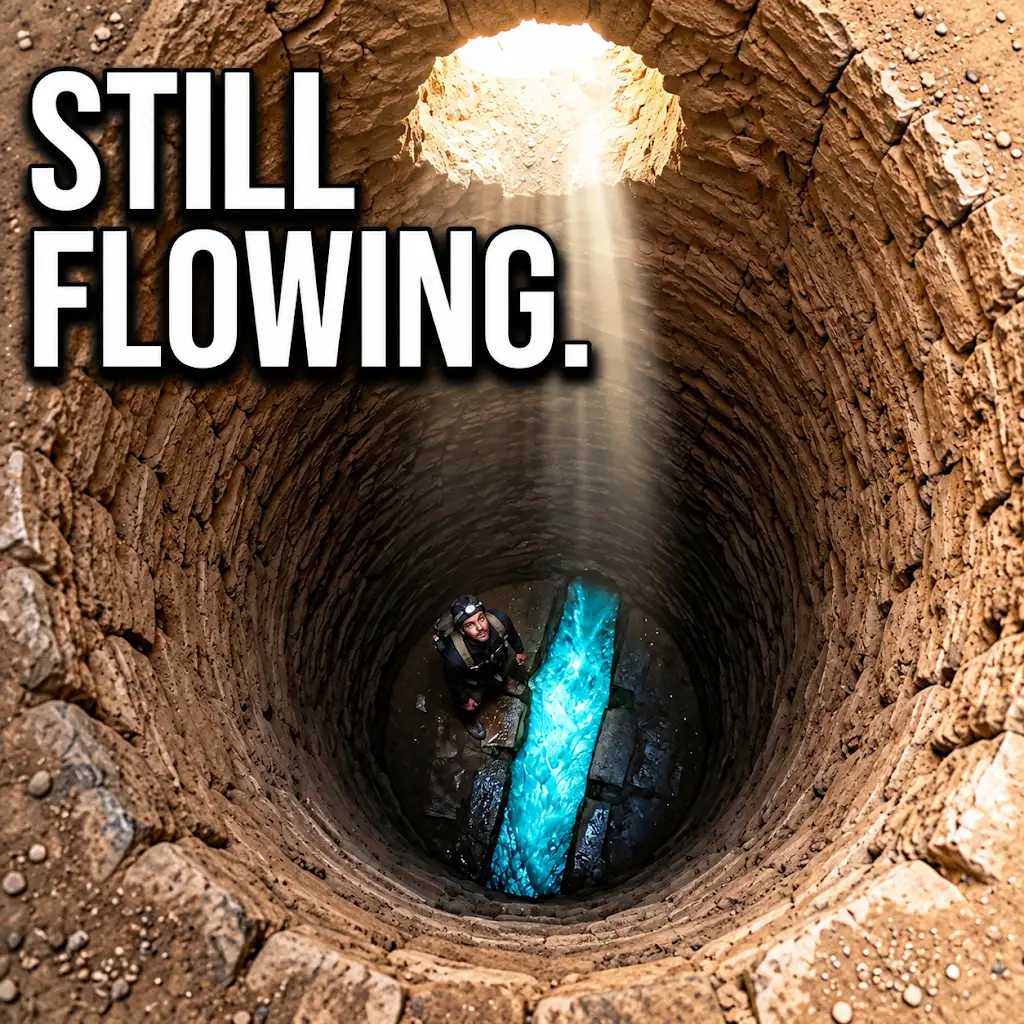
They Dug Water Tunnels Under the Desert… And They Still Flow
FAQs
What is a qanat reservoir system?
A qanat reservoir system is an ancient water management system used to collect and store water from qanats, which are underground tunnels that bring water from aquifers to the surface.
How does a qanat reservoir system work?
In a qanat reservoir system, water from multiple qanats is channeled into a central reservoir where it is stored for later use. The system allows for efficient water distribution and management in arid regions.
Where are qanat reservoir systems commonly found?
Qanat reservoir systems are commonly found in arid and semi-arid regions of the Middle East, North Africa, and Central Asia, where water scarcity is a significant challenge.
What are the benefits of a qanat reservoir system?
Some benefits of a qanat reservoir system include efficient water storage, reduced evaporation losses, and sustainable water management practices that have been used for centuries.
Are qanat reservoir systems still in use today?
Yes, qanat reservoir systems are still in use today in some regions where traditional water management practices are valued for their effectiveness and sustainability in managing water resources.