
The Unseen Arteries of Antiquity: Understanding the Qanat Outlet Channel
The qanat, an ingenious subterranean water management system, stands as a testament to the advanced engineering and hydrological understanding of ancient civilizations. While the entire qanat system, comprising the mother well, the tunnel, and the vertical shafts, is a marvel in itself, the final point of contact with the surface – the outlet channel – played a pivotal role in its functionality and efficacy. This crucial component, often overlooked in broader discussions of qanat technology, was the conduit through which life-giving water was delivered to fields, settlements, and public spaces, shaping landscapes and sustaining communities for millennia. The design and function of these outlet channels were not merely incidental; they were meticulously crafted to ensure efficient water distribution, minimize losses, and integrate seamlessly with the agricultural and urban fabric of ancient societies.
The qanat outlet channel, also known as the sar-daj or majra in Persian, served as the visible manifestation of the hidden water transport. It was the point where the darkness of the qanat tunnel gave way to the light of the sun, and where the carefully guided flow of groundwater was made accessible. Understanding its construction, its hydraulic principles, and its various forms is essential to appreciating the holistic nature of qanat technology and its profound impact on the development of arid and semi-arid regions.
The qanat outlet channel, an ancient water management system, plays a crucial role in understanding historical irrigation practices in arid regions. For a deeper exploration of how ancient civilizations adapted to climate challenges, you can read the article on archaeological evidence of past droughts, which highlights the significance of water conservation techniques. Check it out here: Unearthing Ancient Droughts: Archaeological Evidence.
Engineering the Flow: Design Principles of the Qanat Outlet
The design of a qanat outlet channel was intrinsically linked to the broader engineering objectives of the qanat system: reliable water delivery with minimal loss. This involved a careful consideration of gradients, materials, and integration with the receiving environment. The primary goal was to transition the water from its subterranean confinement to an open channel in a controlled manner, ensuring that its momentum was harnessed rather than dissipated, and that it could be effectively directed to its intended uses.
Gradient and Flow Dynamics
The gradient of the qanat tunnel itself was crucial for gravity-driven water flow, and this principle extended to the outlet channel. The gradient of the outlet was typically designed to be slightly steeper than the main tunnel, ensuring that the water maintained sufficient velocity to reach its destination without significant silting or stagnation. However, this gradient was a delicate balance. Too steep a gradient could lead to erosion of the channel bed and banks, loss of water through splashing, and potential damage to downstream infrastructure. Conversely, too shallow a gradient would result in slow flow, increased evaporation, and the accumulation of sediment, which could ultimately block the channel and render the qanat inoperable.
The precise gradient was determined by factors such as the intended distance of distribution, the nature of the terrain, and the type of crops or uses the water was meant to serve. For instance, water destined for extensive irrigation fields would require a gradient that allowed for broad dispersal, while water intended for a village cistern might require a more concentrated flow. Ancient engineers likely employed empirical methods, observing water behavior in similar environments and refining their designs through trial and error over generations. The selection of appropriate materials for the channel lining also played a role in managing flow dynamics, as discussed below.
Material Selection and Construction Techniques
The materials used in the construction of qanat outlet channels varied widely depending on local availability and the specific environmental conditions. The fundamental requirement was durability and water-tightness, though absolute impermeability was often not achievable or even desired, as some degree of seepage could replenish the surrounding soil. Common materials included:
- Unfired Clay Bricks and Adobe: In regions rich in clay, unfired bricks or compacted adobe were frequently used. These materials were readily available and provided a reasonably durable lining. The surfaces were often plastered with a mixture of clay and straw to improve water retention and smoothness. Over time, repeated wetting and drying could lead to cracking, necessitating regular maintenance.
- Fired Clay Tiles and Bricks: Where fuel for firing was abundant and the technology for kiln construction existed, fired clay tiles and bricks offered a more robust and water-resistant solution. These could be laid in a mortar of lime or bitumen, creating a more permanent and less permeable channel. The interlocking nature of tiles also helped to prevent erosion.
- Stone Masonry: In mountainous or rocky terrains, dressed stone blocks or rubble masonry were employed. This was a highly durable but labor-intensive method. Stones were often carefully fitted together and sometimes sealed with bitumen or a lime-based mortar to minimize leakage. Stone channels were particularly effective in preventing erosion, even with faster-flowing water.
- Bitumen (Asphalt): Natural bitumen deposits were exploited in some qanat systems, particularly in ancient Mesopotamia and Persia. Bitumen provided an excellent waterproof sealant and binder for masonry and bricks. Its application often involved heating the bitumen until it was pliable and then spreading it as a coating or mortar.
The construction techniques were also varied. Channels could be carved directly into bedrock, lined with stone, or built up from the ground surface. For channels emerging from the ground, a transition structure was often built to prevent erosion at the point of emergence and to facilitate controlled water dispersal. These structures could range from simple stone-lined basins to more elaborate tiled platforms.
Integration with the Landscape and Water Management
The outlet channel was not an isolated feature but an integral part of the broader landscape and water management strategy. Its design was influenced by the topography of the receiving area and the intended uses of the water.
- Distribution Networks: Upon emerging, the water was often channeled into a network of smaller, secondary distribution channels. These were designed to spread the water across fields for irrigation or to serve various points within a settlement, such as communal washing areas, gardens, or even private residences. The design of these branching channels was crucial for equitable distribution and preventing waterlogging in some areas while leaving others parched.
- Terracing and Land Shaping: In hilly or mountainous regions, the qanat outlet channel was often integrated with agricultural terracing. The water was channeled onto terraces, allowing for controlled irrigation and preventing soil erosion. The construction of the outlet channel sometimes involved shaping the immediate surrounding land to create platforms or basins for water collection and distribution.
- Public Water Features: In urban centers, qanat outlets could feed into public fountains, cisterns, or even bathing facilities. The design in such cases often incorporated aesthetic elements, with tiled or carved structures designed to be visually pleasing as well as functional. The control of water flow to these public features was paramount for public hygiene and order.
The careful consideration of these design principles ensured that the qanat outlet channel effectively fulfilled its role as the final, visible link in a sophisticated underground water system, delivering vital resources to sustain ancient life.
The Flow of Life: Functional Significance of the Outlet Channel
The qanat outlet channel was far more than a simple ditch; it was the critical nexus where the unseen effort of subterranean engineering translated into tangible benefits for human civilization. Its primary functions revolved around the efficient and controlled delivery of water to where it was most needed, influencing agriculture, urban development, and even social structures.
Water Delivery and Irrigation
The most fundamental function of the qanat outlet was to deliver water for irrigation, the lifeblood of ancient agricultural societies, particularly in arid and semi-arid regions where qanats were prevalent. The outlet channel provided a consistent and reliable source of water, often extending the growing season and allowing for the cultivation of crops that would otherwise be impossible.
- Surface Irrigation: The water emerging from the qanat was typically directed onto the land through a system of open channels. This could involve directly flooding fields, guiding water through furrows between crop rows, or supplying reservoirs and tanks for later use. The controlled flow from the outlet ensured that water reached the furthest parts of the irrigated area, and the gradient of the outlet and subsequent channels was crucial for this even distribution.
- Minimizing Evaporation and Seepage Losses: While some seepage was inevitable and even beneficial for replenishing groundwater, excessive losses from the outlet channel itself were a concern. The choice of materials, smooth lining, and careful maintenance of the channel surface helped to minimize evaporation and direct infiltration into the soil before reaching the intended irrigation zones. The transition from the dark, cool qanat tunnel to the exposed channel inevitably increased evaporation, so minimizing the length and surface area of the exposed outlet was often a design consideration.
- Water Scheduling and Control: The qanat outlet allowed for a degree of control over water distribution. Depending on the capacity of the qanat and the needs of the users, water could be released in scheduled intervals or continuously. This control was often managed by community agreements or by designated water masters who regulated the opening and closing of sluice gates or diversion points at the outlet. The reliability of the qanat meant that water was often available during dry seasons, a critical advantage for agriculture.
Supplying Settlements and Urban Centers
Beyond agriculture, qanat outlets were indispensable for supplying water to settlements, towns, and cities. The consistent flow of potable water was essential for domestic use, sanitation, and public amenities.
- Domestic Water Supply: The outlet channel often fed into communal cisterns, wells, or distribution points within settlements. From these access points, water was collected for drinking, cooking, and cleaning. The quality of the water emerging from a qanat was generally high, as it had been filtered through subterranean layers of rock and sand, making it suitable for consumption.
- Sanitation and Hygiene: While ancient sanitation systems were rudimentary by modern standards, qanat water played a role in maintaining hygiene. Water could be used for washing streets, public areas, and for rudimentary sewage disposal systems where they existed. Public fountains fed by qanats also provided a source of clean water for the populace.
- Public Baths and Gardens: In more developed urban centers, qanat water could be directed to public baths, swimming pools, and ornamental gardens. These features not only contributed to the quality of life for residents but also served as important social gathering places. The reliable supply from a qanat allowed for the sustained operation of these amenities.
Social and Economic Implications
The presence and management of qanat outlet channels had profound social and economic implications for the communities they served. The control and distribution of water were often tightly regulated, shaping social hierarchies and economic activities.
- Water Rights and Governance: Access to qanat water was a valuable resource, and its distribution was often governed by complex rules and traditions. Water rights could be communal, inherited, or allocated based on land ownership or social status. The management of the outlet channel and its distribution network was often the responsibility of community leaders or water administrators, fostering cooperation and sometimes conflict.
- Economic Prosperity: Reliable water access facilitated agricultural surplus, which in turn supported population growth, trade, and economic development. The ability to cultivate crops consistently and to support urban populations laid the foundation for prosperous societies. The qanat system, with its visible outlet, was a direct contributor to this economic vitality.
- Settlement Patterns: The location of qanat outlets significantly influenced settlement patterns. Villages and towns often grew around points where water was readily available, as it reduced the labor required to fetch water. The expansion of irrigated land further enabled the growth of settlements and the development of more complex social and economic structures.
In essence, the qanat outlet channel was the visible embodiment of ancient ingenuity, transforming underground hydrological potential into the tangible resource that sustained life, fueled economies, and shaped the very fabric of human settlements.
Challenges and Maintenance: Preserving the Lifeline
The functionality of a qanat, and by extension its vital outlet channel, was not a static state but a continuous process requiring diligent effort. Ancient engineers and communities understood that these systems, like any infrastructure, were susceptible to degradation and required regular attention to remain effective. The challenges were numerous, ranging from natural phenomena to the inherent limitations of the materials and construction methods.
Sedimentation and Blockages
One of the most persistent challenges faced by qanat outlet channels was sedimentation. As water flowed, it carried fine particles of sand, silt, and clay. Over time, these particles would settle out of the water, particularly in areas where the flow velocity decreased, such as at the point of emergence or in wider sections of the channel. This accumulation, known as siltation, gradually reduced the channel’s capacity, impeding water flow and potentially leading to complete blockages.
- Causes of Sedimentation: The primary cause was the natural erosion of the qanat tunnel and its lining, as well as sediment carried from the surrounding landscape into the system through the vertical shafts. The nature of the groundwater itself, its mineral content, and the geological formations it passed through also contributed to dissolved solids that could precipitate out of solution.
- Mitigation and Removal: To combat sedimentation, regular desilting operations were essential. Communities would organize labor crews to manually remove accumulated sediment from the outlet channel and sometimes further upstream. This was a labor-intensive but crucial task. In some cases, strategically placed settling basins or sumps were incorporated near the outlet to trap some of the sediment before it entered the main distribution channels, making subsequent cleaning more manageable. The design of the outlet’s gradient also played a role; a slightly steeper gradient could help to maintain higher flow velocities and carry more sediment downstream, away from the immediate delivery point.
Erosion and Structural Integrity
While sedimentation was a concern for capacity, erosion posed a threat to the structural integrity of the outlet channel. If the channel was not adequately lined or if the gradient was too steep, the force of the water could wear away at the channel bed and banks, leading to undercutting, collapse, and loss of water.
- Materials and Erosion Resistance: The choice of construction materials was critical in resisting erosion. Stone-lined channels were generally more resistant than those made of unfired clay. The thickness and quality of the lining, as well as the effectiveness of the mortar or sealant used, also determined its durability.
- Repair and Reinforcement: Regular inspections were necessary to identify areas of erosion or structural weakness. Damaged sections of the channel would be repaired with appropriate materials, such as replacing fallen stones, patching clay linings, or reinforcing weak points with more robust masonry. In areas prone to significant erosion, such as where the channel emerged onto sloping ground, retaining walls or revetments might be constructed to stabilize the banks.
Evaporation and Seepage Losses
While the goal was to deliver water to its intended destination, some losses from the outlet channel itself were often unavoidable. Evaporation, particularly in hot, arid climates, and seepage into the surrounding ground were constant challenges.
- Minimizing Evaporation: The length and width of the exposed outlet channel were often kept to a minimum to reduce the surface area exposed to the sun and air. Covering sections of the channel, where feasible, could also help to reduce evaporation. However, the cost and complexity of covering long channels often made this impractical.
- Managing Seepage: Some seepage was beneficial, allowing for the replenishment of local groundwater or the irrigation of adjacent land. However, excessive seepage meant a loss of water to the intended users. The water-tightness of the channel lining was crucial in controlling seepage. Over time, linings could degrade, increasing permeability. Regular maintenance, including plastering and sealing, helped to minimize these losses.
Community Management and Labor Mobilization
The effective maintenance of qanat outlet channels, and the qanat system as a whole, was a collective endeavor. It required a high degree of community organization, cooperation, and the mobilization of labor.
- Water Masters and Governance: In many qanat systems, specialized officials known as “water masters” or “qanat keepers” were appointed to oversee the operation and maintenance of the system. They were responsible for organizing cleaning crews, monitoring water flow, resolving disputes over water allocation, and ensuring that repairs were carried out promptly.
- Traditional Practices and Knowledge Transfer: The knowledge and techniques for maintaining qanats were often passed down through generations. Traditional practices and oral histories played a vital role in ensuring that the necessary skills and understanding were preserved. This included knowledge of local geology, hydrological patterns, and the specific needs of the qanat system.
- Social and Economic Incentives: The success of a qanat system was directly linked to the prosperity of the community. This provided a strong incentive for collective action and investment in maintenance. Failure to maintain the qanat could lead to agricultural collapse, economic hardship, and the eventual abandonment of settlements. The shared reliance on the qanat fostered a sense of mutual responsibility.
The ongoing battle against sedimentation, erosion, and water loss, coupled with the need for effective community management, highlights that the qanat outlet channel was not merely a static construction but a dynamic component of a living, breathing water system that demanded constant care and attention to sustain its life-giving flow.
The qanat outlet channel is an essential component of ancient irrigation systems, allowing for the efficient transport of water from underground aquifers to surface fields. This innovative engineering technique has been crucial in arid regions, promoting agriculture and sustaining communities for centuries. For those interested in the historical significance of ancient technologies, a fascinating article discusses the Piri Reis map and its implications on our understanding of historical geography and navigation. You can read more about it in this insightful piece here.
Legacy and Modern Relevance: Echoes of Ancient Ingenuity
| Parameter | Description | Typical Value / Range | Unit |
|---|---|---|---|
| Channel Length | Length of the qanat outlet channel from the qanat to the irrigation field | 50 – 500 | meters |
| Channel Width | Width of the outlet channel to convey water | 0.3 – 1.5 | meters |
| Channel Depth | Depth of the outlet channel | 0.2 – 1.0 | meters |
| Flow Rate | Volume of water flowing through the outlet channel | 0.01 – 0.1 | cubic meters per second (m³/s) |
| Slope | Gradient of the outlet channel for water flow | 0.001 – 0.01 | m/m (meters per meter) |
| Water Velocity | Speed of water flow in the outlet channel | 0.2 – 1.0 | meters per second (m/s) |
| Material | Construction material of the outlet channel | Stone, Brick, Concrete, Earth | — |
| Discharge Capacity | Maximum water discharge capacity of the outlet channel | Up to 0.15 | cubic meters per second (m³/s) |
The qanat system, with its sophisticated outlet channels, represents a remarkable feat of ancient engineering that continues to resonate in the modern world. While many qanats have fallen into disuse due to the advent of modern irrigation technologies, the principles behind their design and function offer valuable lessons and inspiration for contemporary water management challenges, particularly in arid and semi-arid regions.
Enduring Principles for Sustainable Water Management
The core principles embodied in the design and function of qanat outlet channels remain highly relevant for sustainable water management today.
- Gravity-Fed Systems: The reliance on gravity for water transport, inherent in qanats, is an energy-efficient and environmentally friendly approach. Modern engineers can draw inspiration from this to design more sustainable water distribution networks that minimize reliance on energy-intensive pumping. The careful gradient management of qanat outlets demonstrates an understanding of flow dynamics that is still applicable.
- Minimizing Water Loss: The ancient engineers’ efforts to reduce evaporation and seepage losses from outlet channels underscore the importance of water conservation. Techniques such as lining channels, reducing exposure, and efficient distribution networks are fundamental to modern irrigation practices, and the qanat provides historical precedent for these strategies.
- Community-Based Water Governance: The success of qanat systems was heavily dependent on effective community management and equitable water allocation. This model of decentralized, community-based water governance offers a valuable alternative to top-down approaches and can foster greater local ownership and stewardship of water resources. The social structures and agreements that governed qanat use provide a rich case study for contemporary water rights and resource management.
- Appropriate Technology: Qanats represent a form of “appropriate technology” – solutions perfectly suited to their local context, utilizing readily available materials and traditional knowledge. In many developing regions, complex and expensive modern infrastructure may not be feasible. Understanding and adapting qanat principles could lead to more sustainable and cost-effective water solutions.
Rediscovery and Revitalization
In recent decades, there has been a growing recognition of the value of traditional water systems like qanats. Efforts are underway in various regions to document, preserve, and even revitalize these ancient technologies.
- Cultural Heritage and Tourism: Qanat systems are increasingly recognized as significant cultural heritage sites. Preservation efforts not only protect these engineering marvels but also contribute to cultural tourism, providing economic benefits to local communities and raising awareness about historical water management practices. The visible outlet channels, often integrated into the landscape, can serve as focal points for heritage interpretation.
- Technological Adaptation: In some areas, efforts are being made to adapt and modernize qanat systems. This might involve using modern materials to repair or reinforce existing qanats, or employing new technologies for monitoring and managing water flow. The goal is often to leverage the inherent efficiency of the qanat system while addressing its limitations. For example, solar-powered pumps might be used to supplement gravity flow in areas where gradients are insufficient, or advanced sensors could monitor water levels and quality.
- Knowledge Exchange and Education: The study of qanats provides invaluable insights for hydrologists, engineers, archaeologists, and historians. Universities and research institutions are increasingly incorporating qanat studies into their curricula, fostering a deeper understanding of ancient water management and its relevance to contemporary issues. The documentation of qanat outlet designs and construction techniques contributes to a global repository of water management knowledge.
The legacy of the qanat outlet channel extends far beyond its historical existence. It serves as a powerful reminder of human ingenuity in adapting to challenging environments and the enduring importance of water for civilization. By studying and appreciating these ancient arteries of life, we gain not only historical knowledge but also practical wisdom for navigating the complex water challenges of the future. The often-overlooked outlet channel, the final stage of a remarkable underground journey, remains a potent symbol of our connection to water and our capacity for sustainable innovation.
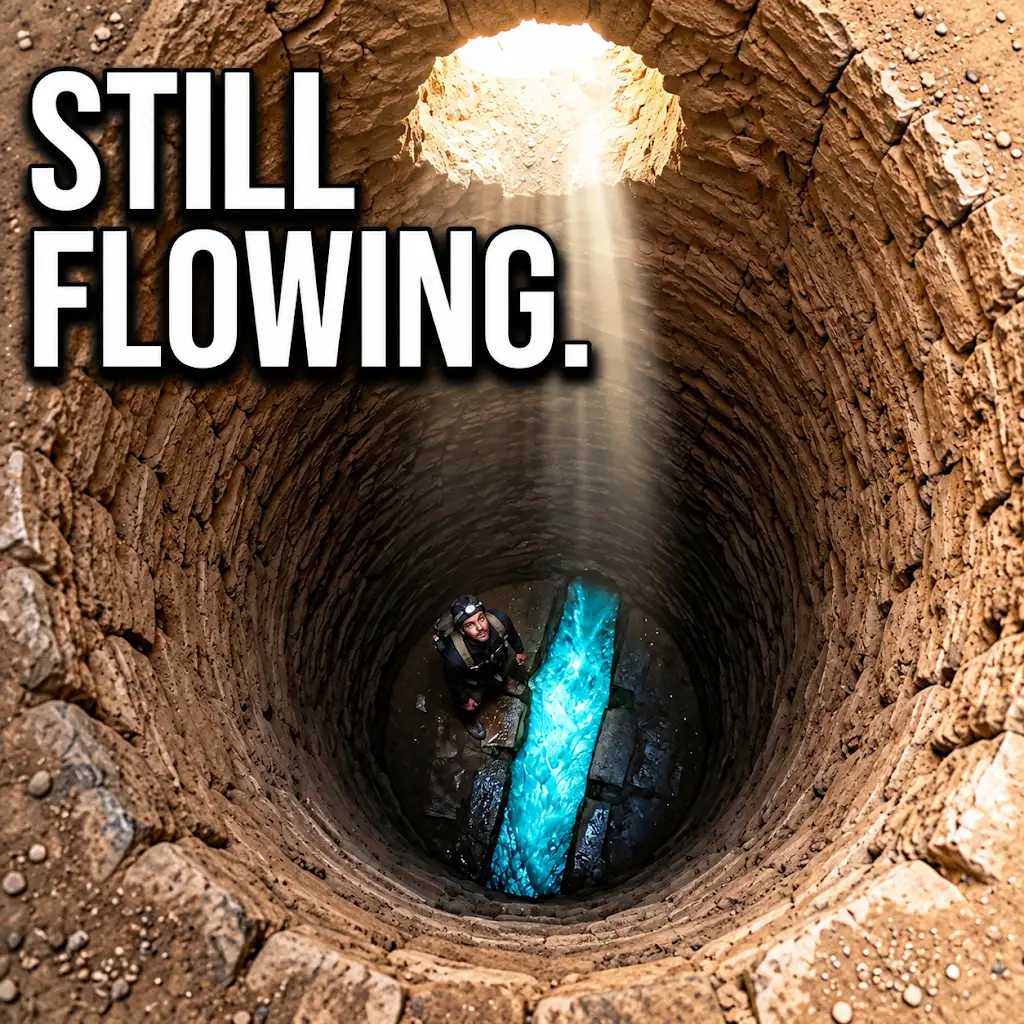
They Dug Water Tunnels Under the Desert… And They Still Flow
FAQs
What is a qanat outlet channel?
A qanat outlet channel is a structure that carries water from an underground qanat system to the surface, allowing for irrigation and other uses.
How does a qanat outlet channel work?
A qanat outlet channel works by utilizing the natural slope of the land to bring water from the underground qanat system to the surface, where it can be distributed for agricultural or other purposes.
What materials are typically used to construct a qanat outlet channel?
Qanat outlet channels are often constructed using materials such as stone, brick, or concrete to ensure durability and prevent water leakage.
What is the significance of qanat outlet channels in traditional water management systems?
Qanat outlet channels play a crucial role in traditional water management systems by efficiently delivering water from underground sources to the surface, enabling sustainable agriculture in arid regions.
Are qanat outlet channels still in use today?
Yes, qanat outlet channels are still utilized in various parts of the world where qanat systems are present, providing a reliable source of water for irrigation and other purposes.