The Elusive Oasis: Lifeblood in Arid Lands
The stark beauty of the desert, with its vast, undulating dunes and relentless sun, has always presented humanity with a profound challenge. For millennia, it has been a landscape of extremes, where survival hinges on the most fundamental of resources: water. Yet, against all odds, ancient civilizations not only endured but flourished in these seemingly inhospitable environments. Their success was not a matter of luck, but of extraordinary ingenuity, particularly in their mastery of water management. These societies, scattered across the globe from the sun-baked sands of Mesopotamia to the arid plateaus of the Andes, developed sophisticated techniques to tap into, store, and distribute water, transforming barren landscapes into cradles of civilization. Understanding their water systems offers a crucial insight into the resilience of human endeavor and the enduring power of innovation in the face of environmental adversity.
The very existence of settled communities in desert regions is a testament to their ability to secure a reliable water supply. Without it, permanent settlements would be impossible, and human populations would be confined to nomadic lifestyles, constantly chasing ephemeral sources. Ancient desert dwellers recognized water not merely as a necessity, but as the cornerstone of their society, shaping their agriculture, their economies, their social structures, and even their spiritual beliefs. The development of water technologies was often a collective endeavor, requiring significant labor, organization, and a deep understanding of local hydrology. These civilizations, from the Sumerians and Egyptians to the Nabataeans and the Inca, left behind a legacy of remarkable engineering feats that continue to inspire awe and provide valuable lessons for contemporary water resource management. Their achievements highlight a profound respect for the natural world and a remarkable ability to adapt and thrive in environments that today we would consider extremely challenging for large-scale human habitation.
In exploring the complexities of desert civilizations, one crucial aspect is their reliance on water sources, which often dictate their survival and development. A related article that delves into the geological factors influencing water availability is found at this link. This article discusses the geological evidence of subglacial water in Antarctica, shedding light on how understanding water sources in extreme environments can provide insights into ancient civilizations that thrived in arid regions.
Rivers of Life: Harnessing Major Watercourses
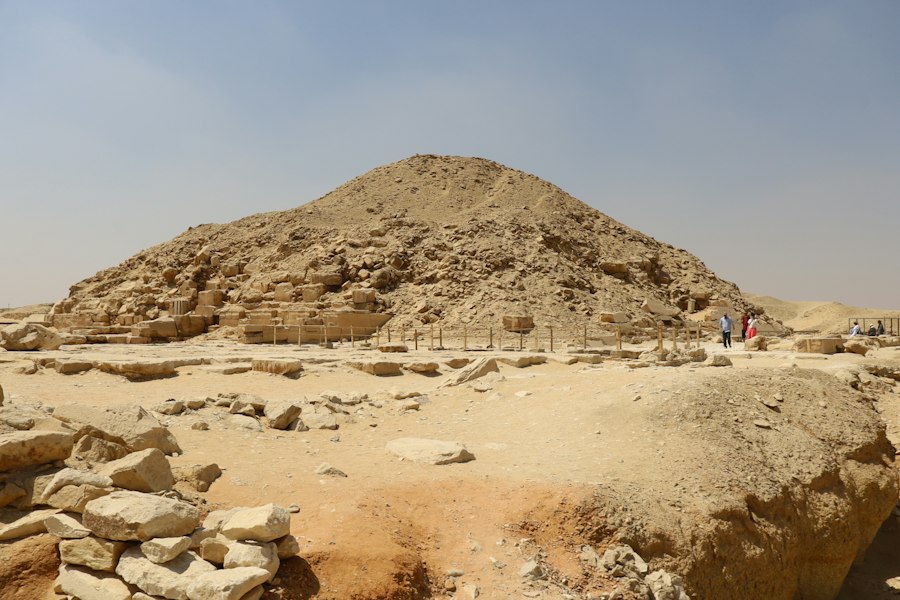
The most dramatic examples of ancient desert civilizations are intrinsically linked to the mighty rivers that carved paths through arid lands, providing a constant and relatively predictable source of water. These rivers were not just passive conduits; they were dynamic forces that shaped the land and the lives of the people who depended upon them. Civilizations that arose along these riverbanks learned to harness their power, transforming once-barren floodplains into fertile agricultural centers. Their understanding of riverine dynamics, including seasonal floods and soil fertility, was paramount to their success.
The Fertile Crescent: Mesopotamia’s Arteries
The land between the Tigris and Euphrates rivers, known as Mesopotamia, is one of the earliest cradles of civilization. This region, largely arid for much of the year, relied entirely on these two great rivers for its sustenance. The Sumerians, Babylonians, and Assyrians, among others, developed an elaborate system of canals, dams, and reservoirs to manage the unpredictable floods of the Tigris and Euphrates and to irrigate their crops. These watercourses were the lifeblood of their agricultural societies, supporting dense populations and enabling the development of complex urban centers. The intricate network of canals allowed them to control water flow, diverting it to fields during dry periods and preventing devastating floods during the rainy season. This level of hydraulic engineering was a monumental undertaking, requiring extensive planning, labor, and coordination. The canals were not merely irrigation channels; they also served as vital transportation routes, facilitating trade and communication across the region. The constant need to maintain and expand these systems fostered a sophisticated understanding of engineering, administration, and social organization. The very concept of organized labor and centralized authority in Mesopotamia can be traced, in part, to the demands of managing their vital water infrastructure.
The Gift of the Nile: Egypt’s Enduring Legacy
Ancient Egypt’s very existence is inextricably tied to the Nile River. This annual inundation, a predictable and life-giving flood, deposited rich silt onto the riverbanks, creating a fertile strip of land in the midst of an otherwise desert continent. The Egyptians did not invent irrigation, but they refined and extensively utilized it, building basins and dikes to capture and retain the floodwaters, extending the period of inundation and ensuring water availability throughout the year. Their sophisticated understanding of the Nile’s cycles, coupled with their meticulous agricultural practices, allowed them to achieve remarkable agricultural productivity. The Nile was more than just a source of water; it was a sacred river, central to their religion and worldview. The rhythm of their lives was dictated by its ebb and flow, and their entire society was structured around the management of its bounty. The construction of elaborate temples and monuments, often near the Nile, further underscores the river’s centrality to Egyptian life and identity. The efficient use of the Nile’s waters also supported a burgeoning population, leading to the development of one of the most enduring and influential civilizations in history. The irrigation systems employed by the Egyptians allowed them to produce surplus food, which in turn fueled trade, specialization of labor, and the rise of a complex social hierarchy.
The Indus Valley: Masters of the Monsoon
The Indus Valley Civilization, flourishing in what is now Pakistan and northwest India, also relied on a major river system, the Indus, and its tributaries. While the Indus provided a consistent water source, this civilization also had to contend with the monsoon climate. Their impressive urban planning, evident in cities like Mohenjo-daro and Harappa, included sophisticated drainage systems and wells, suggesting a comprehensive approach to water management that went beyond simple irrigation. They developed advanced sanitation systems, indicating a deep understanding of public health and the importance of clean water. The grid-like street plans and standardized brick sizes point to a highly organized society capable of executing large-scale public works. The presence of numerous wells within cities suggests a decentralized approach to water access, complementing any larger irrigation schemes that may have existed. Their ability to manage water resources effectively allowed for the growth of large, well-planned urban centers, a remarkable achievement for any ancient civilization, let alone one in an arid region. The sophistication of their water infrastructure, including elaborate sewage systems and public baths, points to a society that prioritized hygiene and communal well-being.
Beneath the Surface: Tapping into Hidden Reserves
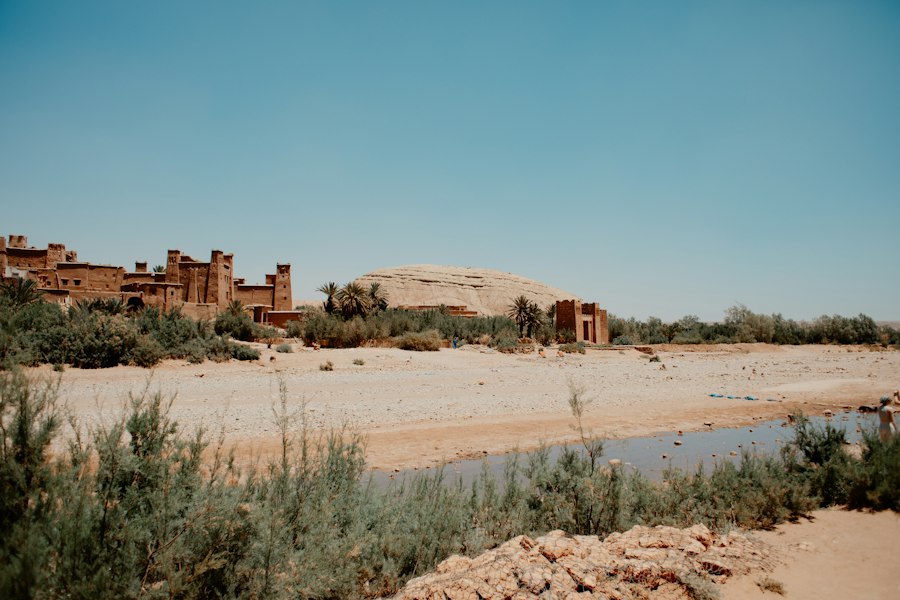
While rivers provided a readily available source of water for many, other civilizations were forced to look underground, developing ingenious methods to access the water hidden beneath the desert’s surface. These were often more challenging undertakings, requiring a deep understanding of geology and groundwater dynamics, but they allowed for settlement in areas far from major river systems.
The Qanat System: Persia’s Underground Aqueducts
Perhaps one of the most remarkable examples of underground water management is the qanat system, perfected by the ancient Persians. Qanats are gently sloping underground channels that tap into groundwater aquifers and bring water to the surface through gravity. They consist of a series of vertical shafts dug at regular intervals, connecting to a horizontal tunnel that carries the water. This ingenious system allowed for the irrigation of vast agricultural lands in extremely arid regions, enabling the growth of cities and the development of prosperous economies in places that would otherwise be uninhabitable. The construction of qanats was a labor-intensive and technically demanding process, requiring immense skill in surveying, excavation, and construction. The maintenance of qanats was an ongoing commitment, with specialized workers responsible for clearing them of silt and repairing any collapses. This system not only provided water for agriculture but also for domestic use, ensuring the survival and prosperity of communities in arid zones. The qanats are a testament to the Persians’ deep understanding of hydrology and their ability to engineer solutions that worked with, rather than against, their environment. Their longevity and effectiveness, with some still in use today, speak volumes about their brilliance.
The Roman Aqueducts: Engineering Marvels for Arid Climates
While often associated with lush European landscapes, the Roman Empire also extended into arid regions, and their mastery of aqueduct construction was crucial to sustaining these settlements. Roman aqueducts were not solely for bringing water from distant springs to cities; they were also adapted to arid environments, often utilizing underground channels and cisterns to conserve water and reduce evaporation. These structures, built with incredible precision and durability, brought vast quantities of fresh water to Roman cities, supporting large populations, public baths, and sophisticated sanitation systems. The Romans’ ability to construct these monumental works across diverse terrains, including arid ones, demonstrates their exceptional engineering prowess and organizational capacity. Their understanding of gravity flow, combined with their expertise in materials science, allowed them to create systems that could transport water over long distances with minimal loss. The scale and ambition of these projects were unparalleled in the ancient world and continue to be studied for their engineering principles. The integration of qanat-like underground sections within their broader aqueduct systems showcases an adaptive approach to water scarcity in drier territories.
The Incas and their Vertical Wells
In the high-altitude deserts of the Andes, the Inca civilization developed innovative ways to access water, often through ingenious wells and water channels carved into the mountainsides. These systems, designed to capture condensation and infrequent rainfall, were crucial for sustaining their terraced agriculture and their settlements in otherwise dry environments. While not as extensive as Mesopotamian canals or Roman aqueducts, their localized and highly effective water management systems demonstrate a profound understanding of their specific ecological challenges. The Incas were masters of working with the land, and their water systems were intricately integrated with their agricultural terraces, ensuring that every drop of water was utilized efficiently. Their ability to carve complex hydraulic systems into rugged mountain terrain, often with limited tools, is a remarkable testament to their engineering skills and their deep connection to the environment. The captured water was essential for irrigating their crops, which formed the backbone of their sustenance, and for providing drinking water to their burgeoning population.
Storing the Scarcity: Innovations in Water Capture and Retention
In arid lands, capturing and storing precious water is as important as finding it. Ancient civilizations developed a variety of methods to conserve water, from simple cisterns to elaborate reservoir systems, ensuring a supply during prolonged dry spells.
Cisterns and Reservoirs: The Guardians of Rainfall
Across many arid regions, the most accessible water source is rainfall, however infrequent. Ancient peoples ingeniously developed cisterns and reservoirs to capture and store this precious resource. These could range from simple rock-cut basins to massive, sophisticated structures designed to hold vast quantities of water for extended periods. The Nabataeans, for instance, living in the desert kingdom of Petra, were renowned for their intricate system of dams, cisterns, and channels that captured every drop of rainfall, sustaining their thriving trade city in an exceptionally dry environment. These structures were not only functional but also integrated into their architecture, showcasing a harmonious blend of engineering and aesthetics. The careful design and construction of these storage systems were critical for survival, particularly during the long, rainless months. The ability to store water also allowed them to develop more settled agricultural practices, even in regions with minimal surface water. The careful placement and construction of these reservoirs were vital to minimizing evaporation and preventing contamination, ensuring that the stored water remained usable for extended periods.
Terracing and Contour Farming: Managing Rainfall on Slopes
In mountainous or sloped arid regions, civilizations like the Incas and others developed sophisticated terracing and contour farming techniques. By creating level platforms (terraces) on hillsides, they could trap rainwater and reduce soil erosion, allowing for effective cultivation in areas that would otherwise be too steep or dry. Water channels were often integrated into the terraces to distribute water evenly to crops. This method not only maximized agricultural output but also prevented the rapid runoff of scarce rainfall, allowing the soil to absorb the moisture. This ingenious approach transformed barren hillsides into productive agricultural landscapes, a testament to their understanding of hydrology and soil conservation. The intricate network of terraces and associated water channels represented a significant investment of labor and planning, but the resulting productivity and resilience of their food supply justified the effort. The ability to cultivate crops in such challenging environments was a key factor in their ability to support large populations and develop complex societies.
The Importance of Evaporation Control
A significant challenge in storing water in hot, arid climates is evaporation. Ancient engineers recognized this and developed methods to minimize water loss. Covering reservoirs and cisterns, building them underground, and using specialized techniques to reduce the exposed surface area were common strategies. In some instances, the use of floating covers or even specific plant species on the surface may have been employed to further reduce evaporation rates. This awareness of a subtle but critical environmental factor highlights the depth of their understanding of water dynamics and their commitment to maximizing every drop. The meticulous planning that went into the construction and maintenance of these water storage systems underscores their critical importance for the survival and prosperity of these ancient desert societies. Their methods, honed over centuries of observation and practice, provide valuable insights into sustainable water management in arid regions.
In exploring the intricate relationship between desert civilizations and their water sources, one can gain valuable insights into how these communities have thrived in arid environments. The management of water resources has been crucial for their survival and development, often leading to innovative techniques and technologies. For a deeper understanding of the technological advancements that can also apply to resource management in challenging environments, you might find this article on advancing cislunar space domain awareness technology particularly interesting. It highlights how technology can play a pivotal role in resource allocation and sustainability, much like the ancient practices of desert societies. You can read more about it here.
Water’s Social and Spiritual Significance
| Desert Civilization | Primary Water Source | Water Collection Method | Average Annual Rainfall (mm) | Water Storage Techniques | Notable Adaptations |
|---|---|---|---|---|---|
| Ancient Egyptian | Nile River | River irrigation and basin flooding | 20 | Reservoirs and canals | Seasonal flooding management |
| Mesopotamian | Tigris and Euphrates Rivers | Canal irrigation | 100-200 | Canals and cisterns | Advanced irrigation systems |
| Indus Valley | Indus River | River irrigation and wells | 200-400 | Wells and reservoirs | Urban water management |
| Native American (Ancestral Puebloans) | Rainwater and underground springs | Rainwater harvesting and cisterns | 150-300 | Stone-lined reservoirs | Water conservation in arid climate |
| Bedouin | Oases and underground wells | Well digging and water storage | 50-100 | Skin bags and cisterns | Nomadic water management |
In desert societies, water was far more than a mere commodity; it was interwoven into the very fabric of their social, economic, and spiritual lives. The control and distribution of water often dictated social hierarchies, fueled trade, and inspired religious beliefs and practices.
Water as a Social Determinant
Access to water was a powerful determinant of social status and power in ancient desert communities. Those who controlled the water sources or managed the distribution systems often held significant influence. The construction and maintenance of complex water infrastructure, such as canals and reservoirs, required organized labor and strong leadership, which in turn fostered the development of centralized authorities and stratified societies. The equitable or inequitable distribution of water could lead to cooperation or conflict, shaping the political landscape of these regions. The ability to provide water for agriculture and daily life was a fundamental responsibility of rulers and community leaders, solidifying their authority and legitimacy. The very organization of labor for these water projects often laid the groundwork for larger social and governmental structures.
Water in Ancient Religious and Mythological Narratives
Water, in its scarcity and its life-giving properties, held profound spiritual significance for desert dwellers. It was often personified in deities, featured prominently in creation myths, and was central to purification rituals. The presence of reliable water sources could be attributed to divine favor, while droughts could be interpreted as divine displeasure. This spiritual connection reinforced the importance of water and encouraged its careful stewardship. Temples and sacred sites were often located near vital water sources, further cementing their sacred status. The rituals associated with water were not just about appeasing the gods but also about acknowledging the precariousness of life in arid environments and the gratitude owed for this essential resource. The stories and myths surrounding water often served as moral lessons, emphasizing the importance of sharing, conservation, and respect for this vital element.
The Economic Engine: Water and Trade
The ability to manage water resources effectively often had a direct impact on a civilization’s economic prosperity, particularly through trade. Cities located along trade routes that also had reliable water supplies became vital hubs for commerce. The surplus of agricultural products, made possible by efficient irrigation, could be traded for goods not available locally. For example, the Nabataeans’ control of water sources in Petra, combined with their strategic location, allowed them to thrive as a center for caravan trade routes, facilitating the exchange of spices, silks, and other valuable commodities across the ancient world. The economic benefits derived from a secure water supply allowed these societies to grow, prosper, and exert influence beyond their immediate geographic boundaries. Water management was thus not just a matter of survival; it was a cornerstone of their economic power and their integration into wider regional and global networks.
Desert civilizations have always faced the challenge of securing reliable water sources, which are crucial for their survival and development. The innovative methods they employed to harness and manage water resources have fascinated researchers for years. For a deeper insight into how ancient technologies played a role in these civilizations, you can explore this intriguing article on forbidden ancient technology that reveals the secrets behind their remarkable achievements. Understanding these techniques not only sheds light on the past but also offers valuable lessons for contemporary water management in arid regions.
Echoes in the Modern World: Lessons from Ancient Water Wisdom
The ingenuity of ancient desert civilizations in managing water offers invaluable lessons for our contemporary world, which faces increasing water scarcity due to climate change and growing populations. Their understanding of resourcefulness, community collaboration, and sustainable practices holds particular relevance.
Sustainable Practices for Arid Regions
The ancient techniques of water conservation, such as the use of qanats, cisterns, and terracing, represent highly sustainable approaches to water management in arid environments. These methods were developed through centuries of observation and adaptation, prioritizing the efficient use and long-term preservation of water resources. Understanding the principles behind these systems can inform modern strategies for water harvesting, irrigation, and drought resilience in similar climates. The emphasis on working with the environment, rather than attempting to dominate it, is a crucial takeaway. Their deep understanding of local hydrology and their patient, iterative approach to problem-solving offer a model for developing context-specific solutions for water challenges. The long-term viability of their systems, with some still functional today, speaks to their inherent sustainability.
Community and Collaboration in Water Management
Many ancient water systems, particularly qanats and extensive canal networks, required significant community cooperation and organization for their construction and maintenance. This highlights the importance of collective action and equitable resource management. In an era where water conflicts are a growing concern, the lessons learned from how ancient societies managed shared water resources, including the establishment of governance structures and dispute resolution mechanisms, are highly relevant. The success of these projects often depended on a shared sense of responsibility and mutual benefit. This communal approach fostered social cohesion and ensured the long-term functionality of vital infrastructure. Replicating this spirit of collaboration is essential for addressing the complex water challenges of the 21st century, where individual efforts alone are insufficient.
Technological Inspiration for the Future
While ancient technologies may seem rudimentary by modern standards, their underlying principles are remarkably sophisticated. The efficiency of gravity-fed systems like qanats, the clever design of water storage structures, and the integration of water management into urban planning offer inspiration for contemporary engineering. Innovations in sensor technology, materials science, and digital modeling can be applied to revive and adapt ancient water-saving concepts for modern applications, creating more resilient and sustainable water systems for future generations. The enduring legacy of these ancient engineers serves as a powerful reminder that ingenuity, coupled with a deep respect for natural resources, can overcome even the most daunting environmental challenges. Their solutions, born of necessity, continue to hold profound relevance in our ongoing quest for water security.

They Dug Water Tunnels Under the Desert… And They Still Flow
FAQs
What is the primary source of water for desert civilizations?
The primary source of water for desert civilizations is often underground aquifers. These are natural underground reservoirs of water that can be accessed through wells.
How do desert civilizations collect and store water?
Desert civilizations collect and store water through various methods such as building cisterns to capture rainwater, constructing dams to create reservoirs, and digging channels to divert water from rivers or springs.
What challenges do desert civilizations face in managing their water supply?
Desert civilizations face challenges such as water scarcity, evaporation losses, and the need to prevent contamination of their limited water sources. They must also carefully manage their water usage to ensure sustainability.
How did ancient desert civilizations adapt to living in arid environments?
Ancient desert civilizations adapted to living in arid environments by developing sophisticated irrigation systems, building underground tunnels to transport water, and creating efficient water storage solutions such as qanats and reservoirs.
What role did water play in the development and decline of desert civilizations?
Water played a crucial role in the development of desert civilizations by enabling agriculture, supporting urban centers, and facilitating trade. The decline of desert civilizations often coincided with water shortages or mismanagement of water resources.