
The Lifeline of Arid Lands: Unveiling Iran’s Ancient Water Mastery
The stark beauty of Iran’s vast arid and semi-arid landscapes belies a profound human ingenuity that has sustained life and civilization for millennia. Faced with limited rainfall and unpredictable rivers, ancient Iranians developed a sophisticated understanding of hydrology, engineering, and resource management, giving rise to some of the most remarkable water systems ever devised. At the heart of this legacy lies the qanat, an ingenious underground aqueduct system that has been the lifeline of countless communities, transforming barren lands into verdant oases and supporting thriving agricultural economies. Beyond the qanat, a tapestry of other innovative techniques further underscores Iran’s ancient mastery of water, demonstrating a deep-seated respect for this precious resource and a remarkable ability to harness its power in a challenging environment.
Ancient water management practices in Iran have long been a subject of interest for historians and environmental scientists alike, showcasing innovative techniques that allowed civilizations to thrive in arid regions. One related article that explores resilience in the face of environmental challenges is available at this link: Resilience in Small Island Developing States. This article discusses how various communities adapt their water management strategies to cope with climate change, drawing parallels to the historical methods employed in ancient Iran.
The Marvel of the Qanat: Engineering Under the Earth
The qanat stands as a testament to the audacious spirit and meticulous planning of ancient engineers. This subterranean marvel, a network of gently sloping tunnels, is designed to tap into underground water sources, typically aquifers located in foothills or mountainous regions, and channel them to the surface for irrigation and domestic use. The construction of a qanat is a labor-intensive and inherently dangerous undertaking, requiring an intimate knowledge of geology, hydrology, and surveying.
The Anatomy of a Qanat System
A typical qanat system comprises several key components, each playing a vital role in its functionality. The most crucial element is the mother well or vertical shaft, dug into the ground to reach the aquifer. From this point, a horizontal tunnel, known as the gallery, is excavated with a precise and constant gradient, carefully calculated to allow gravity to do the work of transporting the water. This gradient is critical; too steep, and the water flows too quickly, causing erosion and potentially collapsing the tunnel; too shallow, and the water will not reach the destination.
Interspersed along the length of the gallery are numerous access shafts, also vertical, which serve multiple purposes. They provide ventilation for the workers excavating the tunnel, allowing them to breathe fresh air and remove excavated soil. Crucially, they also allow for the removal of debris and facilitate periodic maintenance and repairs. The number and spacing of these access shafts are determined by the depth of the qanat and the type of soil encountered, a testament to the practical expertise of its builders.
Finally, at the destination point, the qanat culminates in an exit well or discharge point, where the water emerges and is then distributed to the surface for use. This water is typically clean and cool, having been filtered naturally through the layers of earth it has traversed. The ingenious design of the qanat ensures a steady and reliable supply of water, even during prolonged dry seasons, making it an indispensable element of life in arid regions.
Construction Techniques and Labor
The construction of qanats was a communal effort, often undertaken by skilled laborers and requiring generations of accumulated knowledge passed down through families. The excavation was primarily done by hand, using simple tools like pickaxes, shovels, and baskets for removing soil. The precise gradient was achieved through a combination of sighting along the gallery and using rudimentary surveying tools. As the tunnel progressed, a string with knots at measured intervals, or a water level, might have been used to maintain the slope.
The removal of excavated earth was a significant logistical challenge. It was typically hauled to the surface through the access shafts using buckets or baskets. The spoil heaps that accumulated around these shafts, often forming distinctive conical mounds, are still visible in many historical qanat landscapes, serving as silent witnesses to the immense human effort involved. The sheer scale of labor required to dig kilometers of underground tunnels, often through hard rock and unstable soil, highlights the dedication and resilience of these ancient communities.
The Socio-Economic Impact of Qanats
The impact of qanats on Iranian society and economy cannot be overstated. They enabled the development of agriculture in regions previously deemed uninhabitable, transforming deserts into fertile fields. This agricultural surplus supported larger populations, fostered the growth of towns and cities, and facilitated trade and economic prosperity. Qanats were not merely irrigation systems; they were the very foundation upon which civilizations were built and sustained.
The control and management of qanat water often led to the development of intricate social structures and legal frameworks. Water rights were meticulously defined, and disputes were resolved through established customs and traditions. The shared responsibility for maintaining the qanats also fostered a sense of community and cooperation. The steady supply of water provided by qanats allowed for the cultivation of staple crops like wheat and barley, as well as fruits, vegetables, and the renowned Iranian saffron, contributing to a rich and diverse agricultural output.
Beyond the Qanat: Diverse Ancient Irrigation Systems
While the qanat is undoubtedly the most iconic of Iran’s ancient water management systems, it was not the sole method employed. A diverse array of other ingenious techniques, adapted to specific geographical conditions and water availability, further illustrates the breadth of Iranian water engineering. These systems, often used in conjunction with or as alternatives to qanats, demonstrate a holistic approach to water resource utilization.
River Diversion and Canal Networks
In areas where perennial rivers were available, ancient Iranians developed sophisticated systems for diverting and channeling water through extensive canal networks. These canals, often remarkably well-engineered, were designed to bring water from the river to agricultural fields, ensuring consistent irrigation. The construction of these canals involved careful planning to maintain a consistent flow and minimize water loss through seepage or evaporation.
The Shushtar Historical Hydraulic System, a UNESCO World Heritage Site, is a prime example of this type of ingenuity. This complex system, dating back to the Achaemenid era, includes dams, bridges, channels, and watermills, all designed to manage the flow of the Karun River. The system effectively controlled flooding, utilized water power for milling, and provided water for irrigation over vast areas. The intricate design and scale of such systems highlight a profound understanding of hydraulics and civil engineering.
Cisterns and Reservoirs for Rainfall Harvesting
In regions with sporadic rainfall, the effective capture and storage of rainwater were crucial for survival. Ancient Iranians constructed numerous cisterns and reservoirs to collect and conserve this precious resource. These structures, often carved into bedrock or built with stone and mortar, could be located in urban areas, rural settlements, or strategic defensive positions.
The Yakhchals, while primarily known for ice production, also functioned as large-scale reservoirs. Their domed structure and underground chambers helped to preserve ice and water collected during the colder months. In desert environments, large reservoirs, often called āb-anbārs, were built to store water collected from seasonal rains or from nearby qanats, ensuring a supply during dry periods. These reservoirs were essential for sustaining populations, especially in nomadic communities and during times of siege.
Water Wheels and Other Mechanical Devices
To lift water from lower elevations to higher agricultural fields or for other purposes, ancient Iranians also employed various mechanical devices. The water wheel, in its various forms, was a significant innovation. These wheels, powered by the natural flow of a river or stream, would lift water to higher levels via a series of buckets or scoops, allowing for irrigation of land that would otherwise be inaccessible.
Other less common, but equally ingenious, devices may have included rudimentary pumps or Archimedes screws, adapted from other cultures or independently developed. While documentation for these smaller-scale innovations is scarcer, the overall picture suggests a persistent drive to overcome topographical limitations and maximize water utilization through mechanical means.
The Cultural and Spiritual Significance of Water
Water in ancient Iran was not merely a utilitarian resource; it was imbued with deep cultural and spiritual significance. Reverence for water permeated religious beliefs, mythology, and everyday life, shaping societal values and practices. This profound respect for water is evident in religious texts, artistic expressions, and the very planning of settlements.
Water in Zoroastrianism
The Zoroastrian religion, one of the world’s oldest monotheistic faiths, placed a strong emphasis on purity and cleanliness, with water being a central element in its rituals and beliefs. The Avesta, the sacred text of Zoroastrianism, extols the virtues of water and associates it with Ahura Mazda, the supreme deity. Concepts like Ardvi Sura Anahita, the divinity of waters, highlight the sacred nature attributed to this life-giving element.
Water was considered a purifier, both physically and spiritually. Ritual ablutions were a common practice, and polluting water sources was considered a grave offense. The connection between water and life, purity, and divine favor reinforced the importance of its careful management and preservation. This religious framework likely contributed to the meticulous care and maintenance given to water systems, including qanats, as a form of civic and spiritual duty.
Water in Persian Mythology and Literature
The theme of water runs deeply through Persian mythology and literature, often symbolizing life, fertility, knowledge, and divine grace. Numerous myths and legends feature rivers, springs, and magical bodies of water, underscoring their vital role in the narrative of existence. The imagery of water as a source of life and renewal is a recurring motif in classical Persian poetry.
The Shahnameh, the epic poem by Ferdowsi, is replete with references to rivers, oceans, and the importance of water for the prosperity of the land. Stories of heroes battling mythical creatures in watery realms or using water to overcome obstacles further emphasize its symbolic power. The abundance or scarcity of water often dictated the fortunes of kings and kingdoms, reflecting its real-world importance in the collective consciousness.
Water-Related Festivals and Social Practices
The importance of water in ancient Iranian society was also reflected in various festivals and social practices. Celebrations often revolved around the changing seasons and the availability of water, particularly the arrival of spring and the melting of snow that replenished rivers and aquifers.
Nowruz, the Persian New Year, celebrated at the vernal equinox, is intrinsically linked to themes of renewal and rebirth, with water playing a symbolic role in cleansing and purification rituals. The act of visiting water sources and offering prayers for a prosperous year was a common practice. Even in daily life, the equitable distribution and management of water fostered social cohesion and community interaction. The shared responsibility for maintaining qanats and canals often brought people together, reinforcing social bonds.
Ancient water management in Iran showcases the ingenuity of early civilizations in adapting to their environment, particularly in arid regions. The sophisticated qanat system, which involves underground channels to transport water from aquifers to populated areas, is a testament to their engineering skills. For a deeper understanding of how ancient maps, like the Piri Reis map, reflect the geographical knowledge of the time, you can explore this insightful article on the subject. The connections between water management and cartography are fascinating, revealing how these societies thrived despite challenging conditions. To learn more, visit this article.
Sustaining Ingenuity: Maintenance, Management, and Legacy
| Water Management System | Region | Period | Function | Capacity/Scale | Significance |
|---|---|---|---|---|---|
| Qanat | Central and Eastern Iran | Circa 1st millennium BCE to present | Underground aqueducts to transport water from aquifers to surface | Thousands of kilometers of tunnels; some qanats extend over 70 km | Enabled agriculture and settlement in arid regions; sustainable water use |
| Ab Anbar (Water Reservoir) | Iran (notably Yazd and Qazvin) | Medieval period (7th century CE onwards) | Storage of potable water, often underground and insulated | Capacities ranging from thousands to tens of thousands of liters | Provided reliable water supply during dry seasons and sieges |
| Shaduf | Ancient Iran (used in agriculture) | Prehistoric to early historic periods | Manual water lifting device for irrigation | Small scale, typically for individual fields | Facilitated irrigation in small farms and gardens |
| Band-e Kaisar (Roman Dam) | Dez River, Khuzestan | 3rd century CE | Dam and bridge to regulate river flow and irrigation | Length approx. 500 meters | One of the earliest known dams in Iran, combining Roman engineering |
| Kariz | Various regions in Iran | Ancient to modern times | Similar to qanat; underground water channels | Varies; often several kilometers long | Critical for sustaining agriculture and urban settlements |
The longevity and success of Iran’s ancient water systems are not solely attributable to their initial design but also to the continuous efforts in their maintenance, management, and the careful stewardship of resources. These systems were dynamic entities, requiring constant attention and adaptation to changing environmental and social conditions.
The Crucial Role of Qanat Maintenance
The maintenance of qanats was a vital, ongoing task that ensured their continued functionality. Over time, tunnels could collapse due to soil instability, become silted up with sediment, or suffer from groundwater level fluctuations. Regular inspections and repairs were essential to address these issues. The access shafts played a crucial role in this process, allowing workers to enter the tunnels, clear debris, and shore up weakened sections.
A specialized class of laborers, known as qanat diggers or mirab (water managers), were responsible for this maintenance. These individuals possessed a deep understanding of qanat structure and the geological conditions of the surrounding area. Their work was often dangerous and demanding, but essential for the survival of their communities. The success of a qanat depended on the collective commitment to its upkeep, often formalized through community agreements and water-sharing rules.
Water Rights and Governance Systems
The equitable distribution and management of water were critical for preventing conflict and ensuring that all users benefited from the available resources. Ancient Iranian societies developed sophisticated systems of water rights and governance. These systems varied from region to region but generally involved established hierarchies and agreed-upon rules for water allocation.
The Mirab played a central role in water governance, overseeing the distribution of water from qanats and canals according to pre-determined schedules and quotas. They were responsible for measuring water flow, resolving disputes among users, and ensuring that the maintenance of the water systems was carried out. These water management bodies often operated under the authority of local rulers or community councils, demonstrating a decentralized yet effective approach to resource governance.
The Enduring Impact and Modern Relevance
The legacy of ancient Iranian water management is not merely a historical curiosity; it continues to hold profound relevance today. Many qanats, though some have fallen into disrepair, are still in operation, providing water for agriculture and domestic use in their traditional manner. Their low environmental impact and sustainable approach offer valuable lessons for contemporary water management challenges.
The principles of qanat construction, with their emphasis on gravity flow and minimal energy consumption, are being studied and adapted for modern sustainable development projects. The rich history of water governance in Iran also provides insights into traditional methods of conflict resolution and resource sharing. Recognizing and preserving these ancient systems is not just about safeguarding heritage; it is about learning from the wisdom of the past to build a more water-secure future in the face of climate change and increasing demand. The ingenuity of ancient Iranians in harnessing water, in a land where it is scarce, offers a powerful testament to human adaptability and innovation.
Ancient water management in Iran showcases the ingenuity of early civilizations in adapting to arid environments. The qanat system, a remarkable engineering feat, allowed for the efficient transportation of water from underground aquifers to surface irrigation systems, supporting agriculture and sustaining communities. For a deeper understanding of how ancient practices can inform modern resource management, you might find this article on militarization and logistics in space intriguing, as it explores the complexities of managing resources in extreme environments. You can read more about it here.
Preserving a Precious Heritage: Challenges and Future Prospects
The remarkable water management systems of ancient Iran, particularly the qanats, face numerous challenges in the modern era. Urbanization, changing agricultural practices, and the impacts of climate change threaten their continued existence and functionality. However, there is a growing recognition of their historical and practical value, leading to efforts for their preservation and revitalization.
Threats to Ancient Water Systems
One of the most significant threats to qanats is the depletion of groundwater resources. Increased agricultural demand, coupled with reduced rainfall in some regions, has led to falling water tables, rendering some qanats dry or significantly reducing their yield. Furthermore, urban development often encroaches upon historical water systems, with construction activities potentially damaging subterranean tunnels or diverting water flow.
The lack of continuous maintenance is another critical issue. In many areas, the traditional community structures responsible for qanat upkeep have weakened or disappeared, leading to a decline in the technical knowledge and labor required for repairs. This neglect can result in tunnel collapses, siltation, and the eventual abandonment of these vital resources. The economic viability of traditional farming methods, which often relied on qanat water, has also declined in some areas, leading to a shift towards more water-intensive, but potentially less sustainable, agricultural practices.
Modern Preservation and Revitalization Efforts
Fortunately, there is a growing movement to preserve and revitalize these ancient water systems. UNESCO World Heritage status for sites like the Shushtar Hydraulic System has raised global awareness of their importance. Numerous archaeological and historical research projects are dedicated to documenting, studying, and understanding these systems in greater detail.
Local communities, with support from governmental and non-governmental organizations, are increasingly involved in qanat restoration projects. These initiatives often involve clearing silted tunnels, repairing damaged structures, and re-establishing community-based management systems. Some projects are exploring ways to integrate traditional qanat water into modern irrigation techniques, improving efficiency and sustainability. Furthermore, educational programs are being developed to pass on the knowledge and skills associated with qanat construction and maintenance to younger generations, ensuring the continuity of this invaluable heritage.
Lessons for Contemporary Water Management
The ancient Iranian approach to water management offers crucial lessons for addressing contemporary water challenges. The principles of gravity-fed systems, the emphasis on conservation and reuse, and the importance of community-based governance are all highly relevant in an era of increasing water scarcity and climate change. Understanding how these systems were built and managed can inform the design of more sustainable and resilient water infrastructure.
The cultural and spiritual significance attached to water in ancient Iran also underscores the need for a more holistic and respectful approach to resource management. By learning from the ingenuity and wisdom of our ancestors, we can develop innovative solutions that are both environmentally sound and socially equitable, ensuring that the lifeline of water continues to sustain communities for generations to come. The enduring legacy of Iran’s water mastery serves as a powerful reminder of humanity’s capacity for innovation and adaptation in the face of environmental challenges.
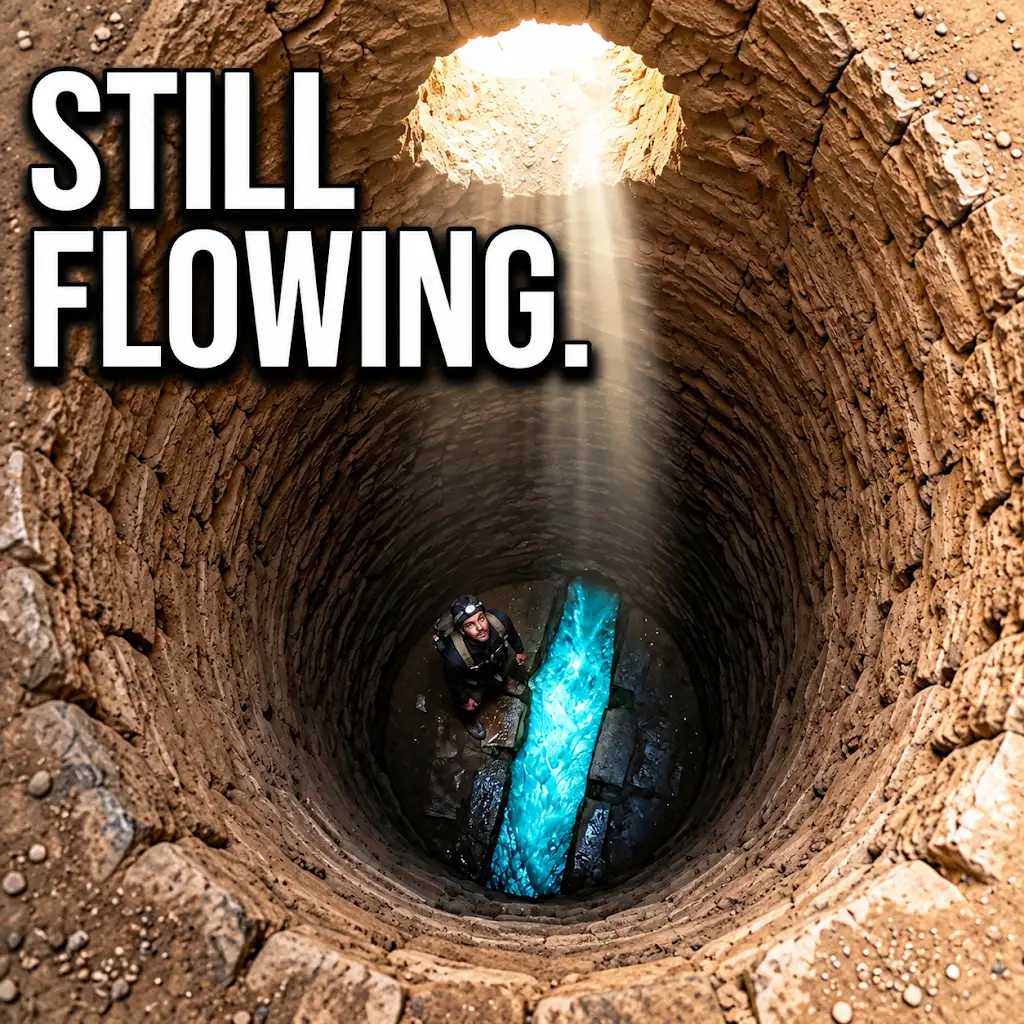
They Dug Water Tunnels Under the Desert… And They Still Flow
FAQs
What is the history of ancient water management in Iran?
Ancient water management in Iran dates back thousands of years, with evidence of sophisticated systems such as qanats, underground aqueducts, and dams being used to control and distribute water for agriculture and urban settlements.
What role did qanats play in ancient water management in Iran?
Qanats were a key component of ancient water management in Iran, serving as underground channels that tapped into groundwater sources and transported water over long distances to supply agricultural lands and cities with a reliable water source.
How did ancient Iranians utilize dams for water management?
Ancient Iranians constructed dams across rivers and streams to control water flow, store water for irrigation, and prevent flooding. These dams were essential for managing water resources and supporting agricultural activities in arid regions.
What impact did ancient water management systems have on the development of Iranian civilization?
Ancient water management systems played a crucial role in the development and sustainability of Iranian civilization by enabling the growth of agriculture, supporting urban settlements, and fostering economic prosperity through efficient water distribution and irrigation practices.
Are there any remnants of ancient water management systems still visible in Iran today?
Yes, there are still remnants of ancient water management systems such as qanats, underground aqueducts, and historical dams that can be found across Iran, serving as a testament to the ingenuity and advanced engineering skills of ancient Iranian civilizations in managing water resources.