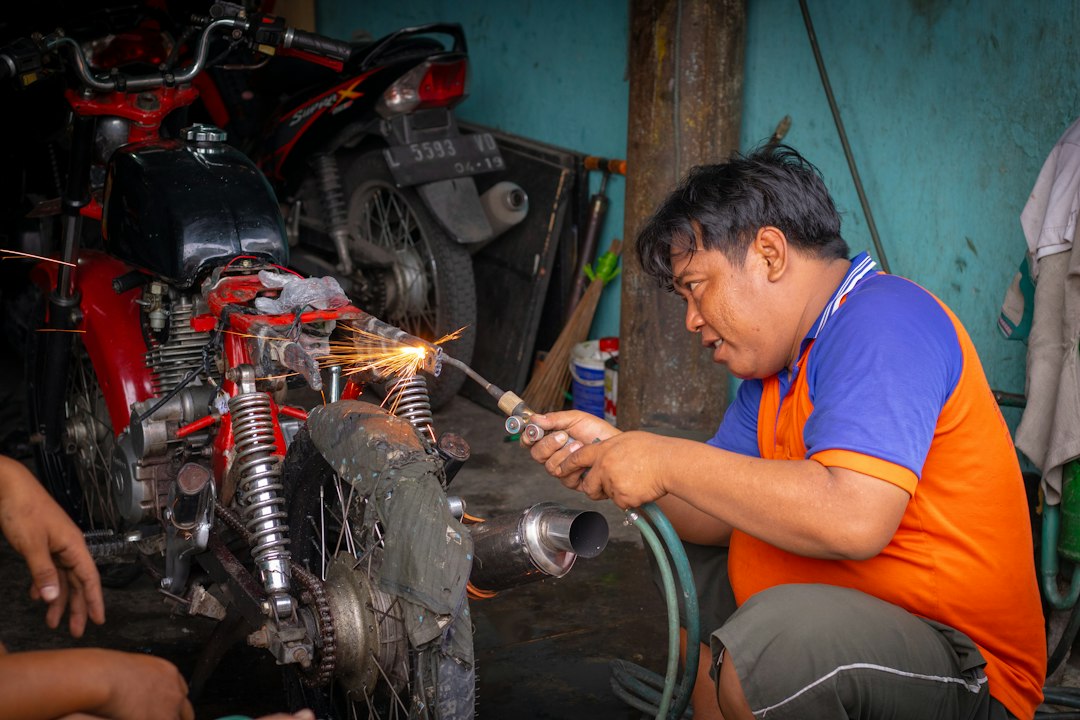
The ancient qanat system, a marvel of engineering, has sustained communities for millennia by channeling groundwater to the surface through gently sloping underground tunnels. These intricate networks, often stretching for miles, are crucial for agricultural irrigation and domestic water supply in arid and semi-arid regions. However, the efficacy and longevity of qanats are directly tied to their ongoing repair and maintenance. Neglecting these vital tasks leads to water loss, structural collapse, and ultimately, the abandonment of these invaluable resources, jeopardizing sustainable water use. Effective qanat repair and maintenance techniques are therefore paramount for preserving this heritage and ensuring continued water security.
Understanding Qanat Vulnerabilities
Qanat systems are susceptible to a variety of issues, stemming from both natural processes and human intervention. Identifying these vulnerabilities is the first step in developing effective maintenance strategies. Regular inspections are essential to detect early signs of degradation before they escalate into major problems. These inspections should encompass the entire qanat system, from the mother well (wellhead) to the outlets (distribution points).
Mother Well Degradation
The mother well, or ‘mad’ chah’ in Persian, is the entry point for groundwater into the qanat. Its integrity is fundamental to the system’s operation. Erosion around the mother well due to surface water runoff can undermine its structure, leading to sediment ingress and reduced water inflow. The casing, often constructed from stone or brick, can also deteriorate over time, allowing soil to collapse into the shaft.
Sediment Accumulation
Over time, silt, sand, and other debris naturally enter the mother well from the surrounding aquifer. If not removed regularly, this sediment can block the inflow of water, reducing the qanat’s yield. The rate of accumulation varies depending on the soil type and the intensity of rainfall. In areas with loose, sandy soils or frequent flash floods, sediment buildup can be a significant and recurring problem.
Structural Instability of Shafts
The vertical shafts, or ‘chahs’, that provide access for construction and maintenance along the qanat line are prone to structural failure. The soil surrounding the shafts can become saturated, leading to landslides or collapses, particularly in areas with unstable geological formations. Roots of large trees can also penetrate the shafts, compromising their integrity. In some cases, the original construction materials may have been insufficient or have deteriorated beyond repair.
Tunnel Erosion and Collapse
The underground tunnels, the core of the qanat system, are vulnerable to a range of erosive forces and structural weaknesses. Water flow itself, even at a gentle gradient, can gradually erode the tunnel walls and floor, especially where the soil is less consolidated. Natural seismic activity can also cause fracturing and collapse. The presence of underground springs or leaks from higher aquifers can exacerbate erosion and lead to waterlogging within the tunnel.
Water Infiltration and Seepage
Infiltration of groundwater from surrounding layers into the qanat tunnel is a primary cause of water loss. This can occur through cracks in the tunnel lining or in areas where the soil is more permeable. While some seepage is inherent in the design, excessive infiltration reduces the amount of water reaching the user end, diminishing the qanat’s effectiveness. This also contributes to the weakening of the tunnel structure by saturating the surrounding soil.
Tunnel Lining Deterioration
The tunnel lining, often constructed from baked bricks, stone, or clay mortar, is crucial for preventing collapses and water loss. Over centuries, these materials can degrade due to constant exposure to moisture, chemical reactions with soil minerals, or the pressure of the surrounding earth. Cracking, spalling, and the loosening of mortar joints are common signs of lining deterioration that can lead to partial or complete tunnel collapse.
Outlet and Distribution Channel Issues
The point where the qanat water emerges and its subsequent distribution channels are also critical points of failure. Blockages, erosion, and structural damage can disrupt the flow and equitable distribution of water to users, leading to disputes and reduced agricultural productivity.
Blockages in Outlets
The outlets can become blocked by fallen debris, accumulated sediment, or overgrowth of vegetation. This directly impedes the flow of water, leading to water pooling and potential flooding at the qanat exit. Clearing these blockages is a relatively simple but essential maintenance task.
Erosion of Distribution Channels
The open channels that carry qanat water to fields or settlements are prone to erosion, especially during periods of heavy rainfall or when the water flow is high. This erosion not only widens and deepens the channels, leading to water loss through increased surface area for evaporation and infiltration, but can also undermine adjacent structures and land.
For those interested in the intricacies of qanat repair and maintenance, a related article that delves into the historical significance of water management systems can be found at this link: Unearthing Ancient Drought: Biblical Evidence in Amos 4:7. This article explores the ancient practices of water conservation and management, shedding light on the importance of qanats in sustaining agricultural societies in arid regions.
Traditional and Modern Repair Methodologies
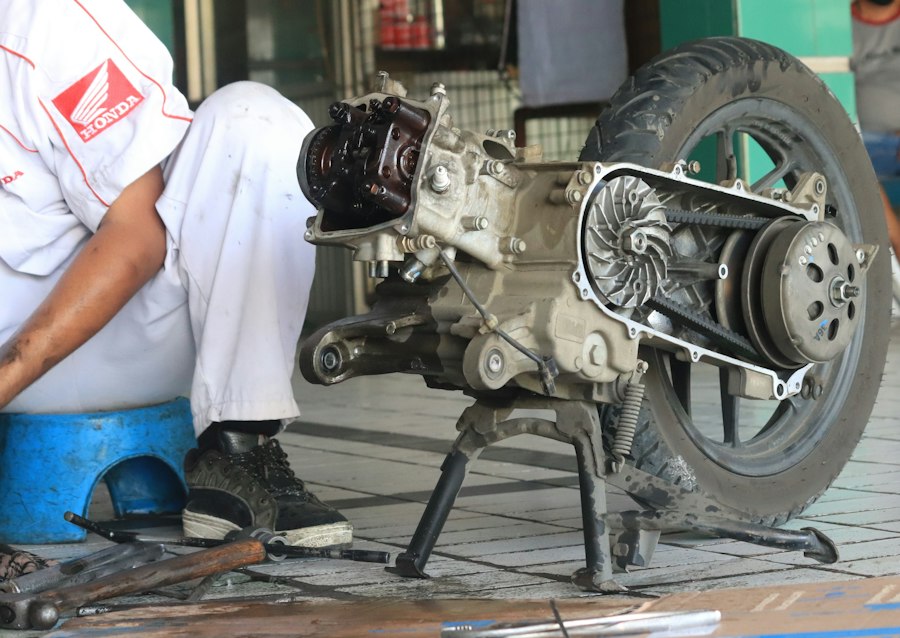
The repair of qanats requires a combination of traditional knowledge passed down through generations and modern engineering techniques. The choice of method depends on the nature and severity of the damage, the geological context, and the available resources.
Traditional Repair Techniques
Historically, qanat repair relied heavily on local materials and labor, guided by deep understanding of the local environment and qanat construction. These methods, while sometimes labor-intensive, are often sustainable and culturally appropriate.
Manual Excavation and Shoring
When a tunnel collapses, traditional repair involves carefully excavating the debris by hand, often working from adjacent access shafts. Temporary shoring, using wooden beams or stones, is employed to prevent further collapse during the repair process. This method requires skilled workers who can assess the stability of the remaining tunnel sections.
Clay and Mortar Reinforcement
Traditional repair often involves using locally sourced clay or lime-based mortars to seal cracks in the tunnel lining and reinforce weakened areas. These materials are known for their compatibility with the surrounding soil and their ability to withstand moisture. In some regions, traditional waterproofing techniques using natural materials like bitumen or plant resins were also employed.
Shaft Relining and Strengthening
For deteriorating shafts, traditional methods include relining them with new stones, bricks, or reinforced mud plaster. This not only strengthens the shaft but also improves its resistance to erosion and collapse. The process often involves meticulously rebuilding sections of the shaft from the bottom up.
Modern Engineering Interventions
Modern technology offers more advanced solutions for qanat repair, particularly for large-scale damage or when traditional methods prove insufficient. These interventions often involve specialized equipment and materials.
Concrete and Geotextile Linings
For severely eroded or unstable tunnels, modern techniques may involve lining the tunnel with concrete or using reinforced concrete segments. Geotextiles can also be used to stabilize soil and prevent erosion. These materials offer greater durability and resistance to collapse but require careful consideration of their long-term impact on the qanat’s hydrological properties.
Grouting and Injection Techniques
In cases of significant water infiltration or soil instability, grouting techniques can be employed. This involves injecting cementitious or chemical grouts into the surrounding soil or through the tunnel lining to fill voids, reduce permeability, and stabilize the ground. This method is particularly effective for sealing cracks and preventing further water loss.
Mechanized Excavation and Support Systems
For extensive collapses or when speed is critical, mechanized excavation equipment may be used. Advanced support systems, such as steel ribs or shotcrete, can provide immediate and robust reinforcement to tunnels, preventing further deterioration during the repair process. However, the use of heavy machinery requires careful assessment of its impact on the surrounding environment and the qanat structure.
Preventive Maintenance Strategies
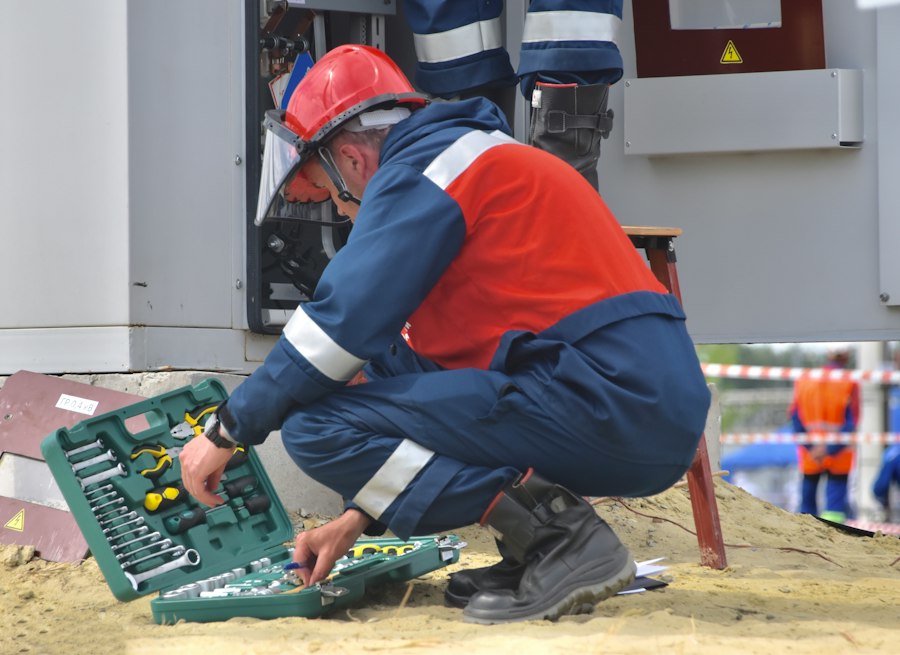
Proactive maintenance is far more effective and economical than reactive repairs. Implementing a comprehensive preventive maintenance program can significantly extend the lifespan of a qanat and ensure consistent water availability. This involves regular inspections, routine cleaning, and addressing minor issues before they become major problems.
Regular Inspection Schedules
Establishing a fixed schedule for inspections is fundamental. This schedule should be adapted to the specific conditions of each qanat, considering factors such as soil type, climate, and age of the system. Inspections should be conducted by trained personnel who can identify early warning signs of wear and tear.
Visual Inspections of Visible Components
This includes examining the mother well for signs of erosion, the condition of the shaft linings, and the integrity of the tunnel openings. The water flow rate and quality should also be monitored. Regular checks of the vegetation growth around the qanat line can help identify potential root intrusion issues.
Subsurface Water Level Monitoring
Monitoring the groundwater levels in and around the qanat can provide crucial insights into the health of the aquifer and the qanat’s intake. Fluctuations in water levels can indicate issues such as excessive withdrawal, changes in recharge rates, or leaks within the system. Installing piezometers at strategic locations can facilitate this monitoring.
Flow Rate and Discharge Measurement
Regular measurement of the qanat’s discharge rate at the outlet is a key indicator of its performance. A decline in flow can signal blockages, increased seepage, or issues with the mother well. Conversely, an unexpected increase in flow might indicate new, uncontrolled water sources entering the system, which could lead to erosion.
Routine Cleaning and De-silting
Sediment accumulation is a persistent threat to qanat functionality. Regular cleaning and de-silting operations are essential to maintain optimal water flow. The frequency of these operations depends on the rate of sediment deposition, which can vary significantly.
Mother Well De-silting
This is a critical and often recurring task. Traditional methods involve manually removing sediment from the bottom of the mother well using buckets and ropes. Modern equipment, such as specialized pumps or vacuum trucks, can also be employed for more efficient de-silting.
Tunnel De-silting and Debris Removal
While more challenging, the tunnels themselves may require de-silting, especially in areas prone to sedimentation. This often involves manual removal of accumulated silt and debris. Clearing fallen rocks, roots, and other obstructions is also vital for maintaining unimpeded water flow.
Water Management and Conservation at the Source
Sustainable water use begins at the source. Implementing practices that manage water intake and minimize loss within the qanat itself is crucial for its long-term viability.
Controlling Inflow Rates
In some cases, particularly where there is a risk of over-extraction or increased sedimentation, it may be necessary to control the inflow rate into the qanat. This could involve adjusting the design of the mother well or implementing temporary barriers.
Sealing Minor Leaks and Seepage Points
Even small leaks can contribute to significant water loss over time. Routine inspections should identify these minor seepage points, which can then be sealed using readily available materials like clay or lime mortar. This preventive measure significantly improves water efficiency.
Community Involvement and Capacity Building
The long-term success of qanat maintenance and repair hinges on the active participation and empowerment of the local communities that rely on them. Capacity building initiatives can equip communities with the knowledge and skills needed to manage and maintain their qanat systems effectively.
Establishing Community Management Committees
Forming dedicated committees, comprised of local stakeholders, can provide a framework for decision-making, resource allocation, and conflict resolution related to qanat management. These committees should be inclusive, representing all user groups and ensuring equitable access to water.
Defining Roles and Responsibilities
Clearly defining the roles and responsibilities of committee members, as well as the broader community, is essential. This includes tasks such as organizing inspection schedules, overseeing repair work, collecting maintenance fees, and ensuring adherence to water-sharing agreements.
Water User Associations and Water Rights
Strengthening water user associations can help formalize water rights and establish clear guidelines for water distribution. This fosters a sense of collective ownership and responsibility for the qanat system, reducing the likelihood of disputes and promoting collaborative maintenance efforts.
Training and Skill Development Programs
Investing in training programs for local technicians and community members can enhance their ability to perform effective maintenance and repair. These programs should cover a range of topics, from basic inspection techniques to the application of modern repair methods where appropriate.
Traditional Qanat Construction and Repair Skills
Preserving and passing on traditional skills is vital. Training should focus on teaching younger generations the time-tested techniques of qanat construction and repair, ensuring that this invaluable knowledge is not lost. This can involve apprenticeship programs where experienced artisans mentor novices.
Introduction to Modern Technologies and Safety Protocols
Where applicable, training should also introduce modern technologies and tools that can improve the efficiency and safety of repair work. This includes training on the safe operation of any machinery used, as well as the proper use of personal protective equipment (PPE) to mitigate risks during underground work.
Financial Sustainability and Resource Mobilization
Effective qanat maintenance requires consistent financial resources. Developing sustainable financial models and mobilizing resources are critical for ensuring that repair and maintenance activities can be carried out regularly and effectively.
Maintenance Fee Collection and Fund Management
Establishing a transparent system for collecting maintenance fees from water users is a common and effective approach. These funds should be managed by the community management committee and allocated specifically for qanat repair and maintenance. Clear accounting and reporting mechanisms are crucial for building trust.
Accessing External Funding and Grants
Communities can also explore opportunities to access external funding from government agencies, non-governmental organizations (NGOs), or international development programs. Developing strong project proposals that highlight the importance of the qanat system and its contribution to livelihoods and the environment can help secure such grants.
Effective qanat repair and maintenance is crucial for ensuring the longevity and efficiency of these ancient water management systems. For those interested in exploring how logistical advantages can enhance various industries, including water management, a related article discusses the benefits of manufacturing in Mexico. You can read more about it in this insightful piece that highlights the importance of optimizing processes in different sectors. For further details, check out the article here.
Economic and Environmental Imperatives for Qanat Preservation
| Metric | Description | Typical Value/Range | Unit |
|---|---|---|---|
| Average Repair Frequency | Number of repairs required per year per qanat | 1 – 3 | Repairs/year |
| Repair Duration | Time taken to complete a typical repair | 3 – 7 | Days |
| Maintenance Interval | Recommended time between routine maintenance checks | 6 – 12 | Months |
| Water Flow Restoration Rate | Percentage of original water flow restored after repair | 80 – 95 | % |
| Labor Requirement | Number of workers typically needed for repair | 4 – 8 | Persons |
| Material Usage | Amount of construction material used per repair | 500 – 1500 | kg |
| Inspection Frequency | Number of inspections conducted annually | 2 – 4 | Inspections/year |
| Cost of Routine Maintenance | Typical cost for routine maintenance activities | Varies by region | Units of local currency |
The preservation of qanat systems is not merely an issue of cultural heritage or water supply; it is an economic and environmental imperative. Investing in effective qanat repair and maintenance yields significant returns in terms of agricultural productivity, community resilience, and ecological health.
Economic Benefits of Well-Maintained Qanats
The consistent and reliable supply of water from a well-maintained qanat directly supports agricultural activities, which are often the backbone of rural economies. This leads to increased crop yields, improved food security, and greater income for farmers.
Enhancing Agricultural Productivity and Livelihoods
Access to irrigation water allows for the cultivation of a wider range of crops and multiple cropping seasons, significantly boosting agricultural output. This, in turn, generates employment opportunities and improves the overall livelihoods of communities dependent on agriculture. The economic stability fostered by reliable water access can also deter migration from rural areas.
Supporting Rural Economies and Reducing Poverty
By ensuring the viability of agriculture and related activities, qanats contribute to the economic resilience of rural areas. This can help reduce poverty and dependence on external aid, fostering self-sufficiency and sustainable development. The economic ripple effects can extend to local markets, businesses, and service providers.
Environmental Sustainability and Resource Conservation
Qanats are inherently sustainable water management systems that minimize environmental impact. Their preservation is crucial for conserving scarce water resources and maintaining fragile ecosystems.
Water Resource Conservation and Efficiency
Compared to surface irrigation methods, qanats offer significant water conservation benefits due to reduced evaporation and seepage losses during transport. Their reliance on gravity also eliminates the need for energy-intensive pumping, further enhancing their environmental footprint. Maintaining them ensures these efficiencies are realized.
Preventing Land Degradation and Desertification
By providing a reliable source of water for irrigation, qanats help to combat land degradation and desertification. They enable vegetation to thrive in arid regions, which in turn helps to stabilize soil, prevent erosion, and improve soil fertility. The absence of qanat water can lead to the
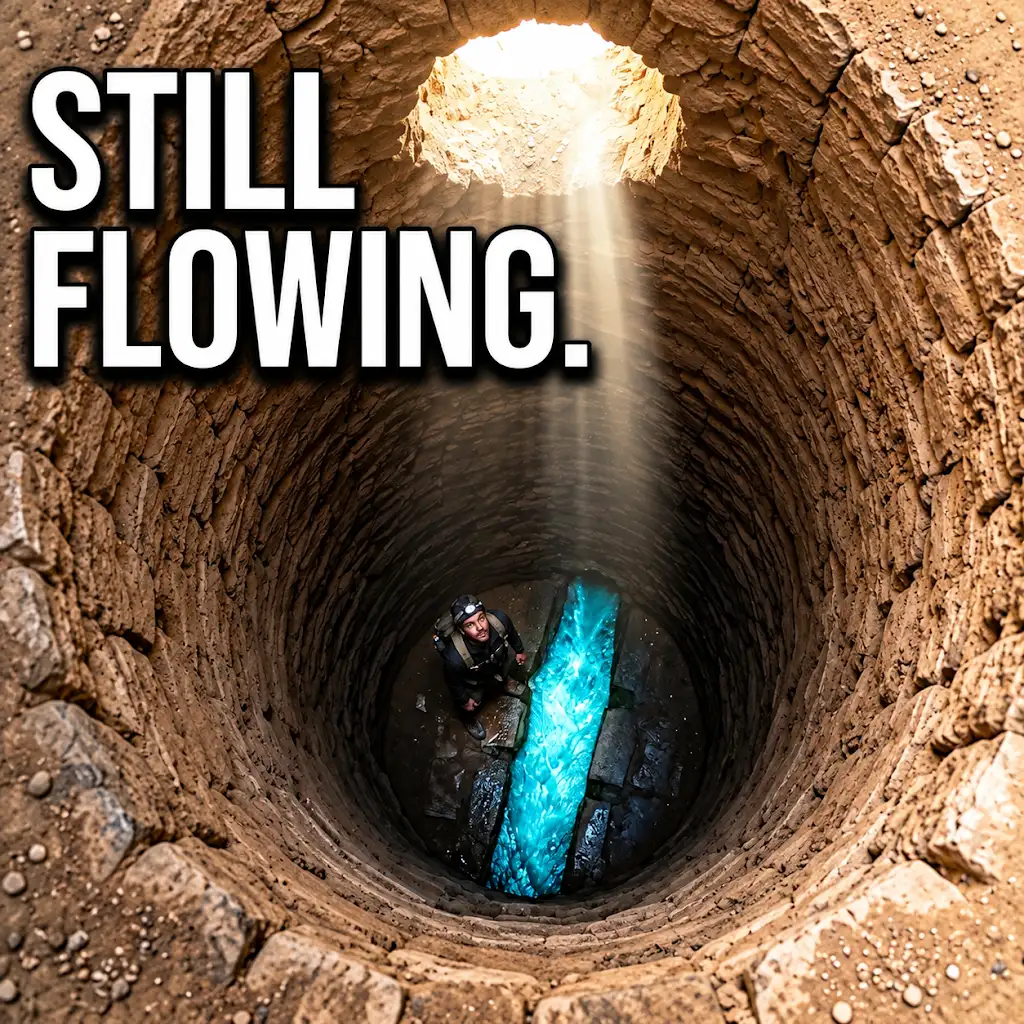
They Dug Water Tunnels Under the Desert… And They Still Flow
FAQs
What is a qanat?
A qanat is an underground water management system used to transport water from an aquifer under a hill to the surface for irrigation and drinking purposes.
How do qanats work?
Qanats work by tapping into an underground water source at the bottom of a hill and using gravity to channel the water through a series of tunnels to a surface outlet.
Why is repair and maintenance important for qanats?
Repair and maintenance are crucial for qanats to ensure the system remains functional, prevent water loss due to leaks, and maintain water quality for agricultural and domestic use.
What are common issues that require repair in qanats?
Common issues that require repair in qanats include collapsed tunnels, clogged channels, damaged shafts, and erosion of the surface outlet.
How can qanat repair and maintenance be carried out?
Qanat repair and maintenance can be carried out by skilled workers who specialize in underground water systems, using techniques such as tunnel excavation, shaft reinforcement, channel cleaning, and surface outlet repair.