
The Ingenuity of Subterranean Waterways: Understanding Ancient Qanat Construction
The ingenuity of ancient civilizations in harnessing and distributing water is a testament to their advanced understanding of engineering and environmental resource management. Among the most remarkable and enduring of these feats are the qanats, sophisticated underground water systems that have sustained communities for millennia. These subterranean aqueducts, found in arid and semi-arid regions across the globe, particularly in Persia, North Africa, and parts of the Middle East, represent a triumph of human perseverance and technical skill, allowing for the reliable transport of water from distant aquifers to where it was most needed, with minimal evaporation and maximum efficiency. The construction of these systems was a labor-intensive and technically demanding undertaking, requiring meticulous planning, precise execution, and an intimate knowledge of geology and hydrology.
Qanat construction techniques, which have been utilized for centuries to transport water in arid regions, showcase the ingenuity of ancient engineering. These underground aqueducts not only demonstrate the importance of sustainable water management but also highlight the need for innovative solutions in today’s world, especially in the face of climate change. For those interested in understanding how to prepare for potential resource scarcity, a related article can be found at Preparing for the Dollar’s Collapse: What to Buy Now, which discusses strategies for securing essential resources.
Locating the Water Source: The Vital First Step
The success of any qanat system hinges on the accurate identification of a viable water source. Ancient engineers possessed an uncanny ability to pinpoint underground water reserves, often relying on a combination of observational skills, traditional knowledge, and empirical testing. Their methods, though seemingly rudimentary by modern standards, were remarkably effective in locating the precious resource that would feed their subterranean channels. Without this crucial initial step, the entire complex and resource-intensive construction process would be rendered futile.
Reading the Landscape for Signs of Water
Ancient qanat builders were keen observers of the natural world. They understood that the presence of water, even underground, often left subtle clues on the surface. They would meticulously examine the topography of the land, looking for depressions, changes in vegetation patterns, and the types of plants that thrived in an area. Certain plants, known as phreatophytes, have deep root systems that tap into the water table, and their presence was a strong indicator of accessible groundwater. Lush green patches in otherwise arid landscapes, or the growth of specific trees like willows and reeds, would signal potential water sources. They also paid close attention to the flow of existing surface water, understanding that this often reflected underlying geological structures that could hold or channel groundwater. Areas where springs emerged, even small or ephemeral ones, were particularly valuable as they indicated the proximity of a significant aquifer.
Traditional Divining and Well-Diving Techniques
Beyond visual observation, ancient cultures developed various traditional methods to confirm the presence and depth of underground water. Water divining, though often viewed with skepticism today, was a widely practiced art. This involved using a forked stick, a pendulum, or other tools, which practitioners claimed would react in the presence of water. While the scientific basis for these methods is debatable, it’s possible that the individuals employing them were highly attuned to subtle environmental cues that others missed, or that the practices served as a ritualistic way to focus attention on promising locations identified through other means. Another important technique involved digging exploratory wells, known as “test wells” or “mother wells.” These were shallower wells dug in promising locations to assess the water table’s depth and quality. The experience and feedback from the well-diggers, who directly interacted with the soil and rock, were invaluable. They could gauge the difficulty of excavation, the presence of groundwater seepage, and the general geological composition, all of which informed the decision on where to begin the main qanat tunnel.
The Art of Tunneling: Creating the Subterranean Network
Once the water source was identified, the arduous task of excavating the qanat tunnel began. This was a monumental undertaking, involving the creation of a gently sloping channel that would guide water by gravity from the aquifer to the surface. The engineering precision required to maintain a consistent and gentle gradient over potentially kilometers of subterranean excavation was extraordinary, especially given the limited tools and techniques available to ancient builders. The entire qanat system was essentially a long, horizontal well designed to drain an aquifer.
Excavating the Main Tunnel: A Masterclass in Gravity Flow
The primary channel of the qanat was carefully dug from the point of emergence at the surface, working backward towards the water source. This method allowed excavated material to be brought to the surface through the already dug sections, and more importantly, it enabled the builders to continuously monitor the gradient. The slope of a qanat is critical; it must be steep enough to ensure a steady flow of water but not so steep as to cause erosion or excessive speed. Typically, the gradient was maintained at around 1% to 2%. The depth of the qanat varied significantly, from just a few meters near the surface outlet to hundreds of meters in mountainous terrain where the aquifer was located at a higher elevation. This required constant surveying and adjustment, often relying on simple yet effective tools like plumb bobs and levels. The material excavated was removed in baskets and deposited on the surface, gradually forming the characteristic mounds of spoil earth that mark the path of a qanat.
Vertical Access Shafts: Ventilation and Excavation Aids
Interspersed along the length of the qanat tunnel were vertical shafts, known as “access shafts” or “wells.” These shafts served multiple crucial purposes. Firstly, they provided light and ventilation for the workers digging the tunnel, which would otherwise be a dark, suffocating environment. Secondly, they acted as conduits for removing excavated soil and bringing in supplies, significantly easing the logistical challenges of deep tunneling. Thirdly, and perhaps most importantly, these shafts allowed for continuous surveying of the gradient. Builders could lower a plumb bob from one shaft to the next, ensuring that the tunnel between them maintained the correct slope. The spacing of these shafts was determined by the depth of the qanat and the prevailing geological conditions, ranging from tens to hundreds of meters apart. They were also essential for maintenance and repair, allowing access to clear blockages or fix structural issues.
Structural Integrity and Material Science: Ensuring Longevity
The construction of qanats was not merely about digging a hole; it was about creating a stable and durable structure that could withstand the test of time and the pressures of the earth. Ancient engineers employed ingenious techniques and materials to reinforce the tunnels, prevent collapses, and manage the flow of water, demonstrating a sophisticated understanding of structural mechanics and material properties.
Reinforcing the Tunnel Walls: From Adobe to Stone
In softer soils or areas prone to collapse, the walls of the qanat tunnel were reinforced. A common method involved lining the tunnel with baked bricks or stones, carefully fitted together to create a stable structure. In areas where these materials were scarce, builders utilized a type of plaster or mortar made from clay, lime, and ash, which hardened to form a durable shell. Adobe bricks, made from sun-dried clay mixed with straw, were also used, particularly in regions where they were readily available. The choice of reinforcement material often depended on local resources and the specific geological challenges encountered. The meticulous construction of these linings was crucial for preventing cave-ins, which could not only disrupt the water flow but also be fatal to workers. The skilled craftsmanship involved in creating these subterranean structures, often in challenging conditions, highlights the advanced masonry and construction techniques of the time.
Managing Water Flow and Preventing Seepage
Controlling the flow of water within the qanat and preventing its premature loss through seepage were paramount. The consistent, gentle gradient was the primary mechanism for guiding the water. However, where the soil was particularly permeable, builders employed techniques to minimize water loss. This could involve compacting the soil tightly, lining sections with impermeable clay layers, or using water-resistant mortars. In some instances, particularly in areas with very porous rock, the entire interior of the tunnel might be coated with a thick layer of bitumen or a similar naturally occurring sealant. The water entering the qanat from the aquifer was often slightly silty, and the controlled flow helped to carry this sediment along, preventing it from accumulating and blocking the channel. However, periodic cleaning of sediment traps and the main tunnel was still a necessary part of qanat maintenance.
Qanat construction techniques, which have been used for centuries to efficiently transport water in arid regions, are a fascinating subject in the context of sustainable resource management. These ancient systems exemplify how innovative engineering can maximize the use of available resources. For a deeper understanding of how similar principles apply to modern technology, you might find the article on maximizing resources with ISRU technology particularly insightful. It explores contemporary methods that echo the ingenuity of qanat systems in addressing resource challenges. You can read more about it here.
Maintenance and Longevity: The Ongoing Challenge
| Technique | Description | Purpose | Materials Used | Typical Depth | Typical Length |
|---|---|---|---|---|---|
| Mother Well Digging | Excavation of a vertical shaft to reach the water table | Access groundwater source | Hand tools (shovels, picks), timber for support | 10-30 meters | N/A |
| Underground Tunnel Construction | Horizontal tunnel dug from the mother well to the surface outlet | Transport water by gravity flow | Hand tools, stone or brick lining in unstable soil | Varies with water table depth | Up to several kilometers |
| Vertical Access Shafts | Series of vertical shafts dug along the tunnel route | Ventilation, removal of excavated material, maintenance access | Hand tools, timber for shaft lining | Same as tunnel depth | Spaced 20-35 meters apart |
| Water Outlet (Qanat Mouth) | Surface outlet where water emerges for irrigation | Distribute water to fields and settlements | Stone or brick construction for channeling | Surface level | N/A |
| Gradient Control | Maintaining a gentle slope in the tunnel | Ensure steady gravity flow without erosion | Surveying tools, manual leveling | N/A | Gradient approx. 1:1000 to 1:1500 |
Qanats are not static structures; they require continuous care and attention to remain functional. The natural forces of erosion, sedimentation, and geological shifts present ongoing challenges. Ancient societies understood the importance of regular maintenance and established systems to ensure the longevity of their qanat systems, recognizing that their very survival depended on these vital water arteries.
Sediment Removal and Blockage Clearance
Over time, fine sediment and debris carried by the water would accumulate in the qanat tunnel, gradually reducing its capacity and eventually blocking the flow. Regular cleaning was therefore essential. This was typically carried out by teams of workers who would systematically clear sections of the tunnel, removing the accumulated silt and sand. The vertical access shafts played a vital role in this process
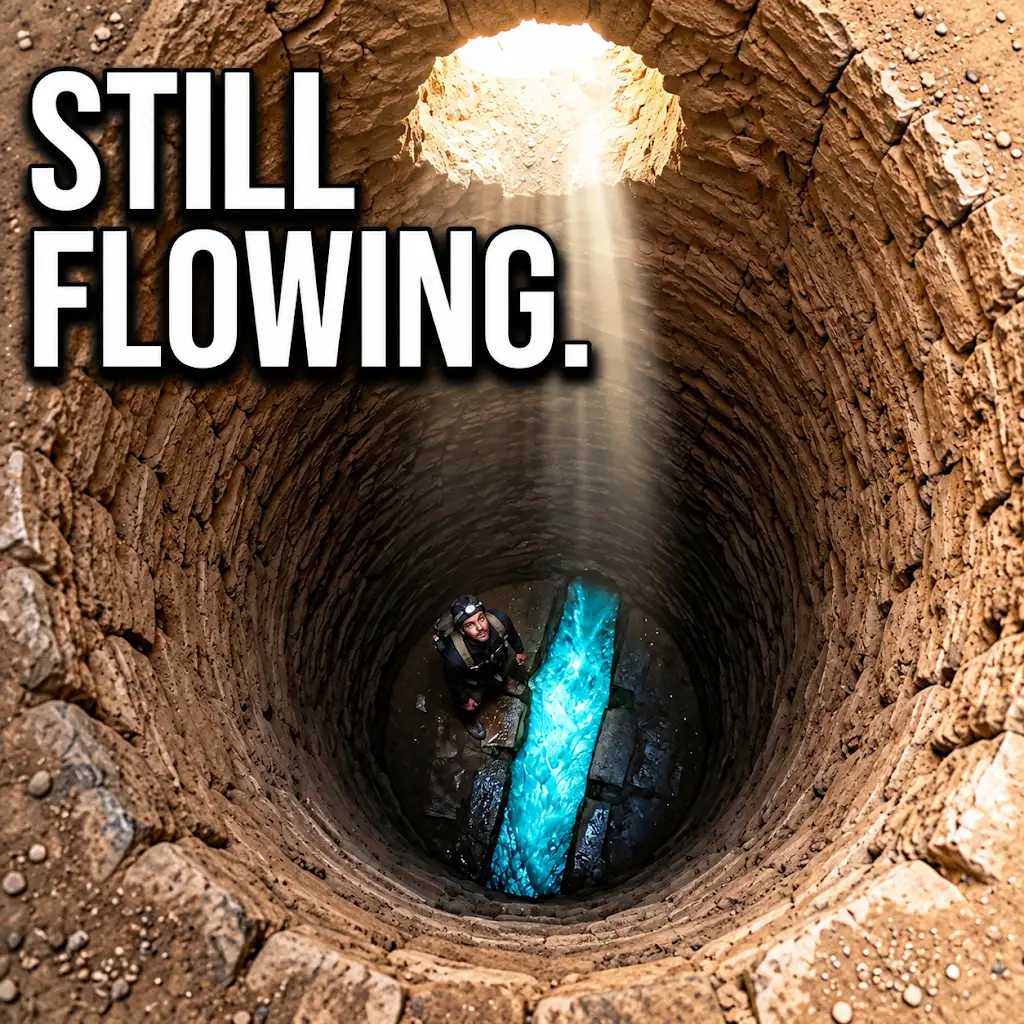
They Dug Water Tunnels Under the Desert… And They Still Flow
FAQs
What is a qanat?
A qanat is an underground water management system used to transport water from an aquifer under a hill to the surface for irrigation and drinking purposes.
How are qanats constructed?
Qanats are constructed by digging a series of vertical shafts and horizontal tunnels to reach the water source underground. The tunnels are sloped gently to allow water to flow by gravity to the surface.
What materials are typically used in qanat construction?
Qanats are traditionally constructed using bricks, stones, and mortar. The shafts and tunnels are lined with these materials to prevent collapse and ensure the stability of the structure.
What are some challenges faced during qanat construction?
Some challenges faced during qanat construction include the risk of tunnel collapse, the difficulty of digging through hard rock formations, and the need for skilled labor to ensure the proper construction of the tunnels and shafts.
Where are qanats commonly found?
Qanats are commonly found in arid and semi-arid regions of the Middle East, North Africa, and Central Asia, where they have been used for centuries to provide a reliable source of water for agriculture and human consumption.