
The arid lands of the Middle East, North Africa, and parts of Asia have long been characterized by their scarcity of surface water. Yet, for millennia, these regions have sustained vibrant civilizations, a feat largely attributable to a remarkable feat of ancient engineering: the qanat. These subterranean water channels, often stretching for miles, represent a profound understanding of hydrology, geology, and community cooperation. They are not merely tunnels; they are lifelines, meticulously constructed to capture precious groundwater and deliver it to the surface, enabling agriculture, supporting urban centers, and shaping the very landscape of the regions they traverse.
The Genesis of Underground Rivers
The concept of the qanat is deceptively simple: it is a gently sloping tunnel bored underground, tapping into aquifer water in the foothills of mountains or elevated areas and bringing it to lower-lying settlements or agricultural lands. This ingenuity lies not in the complexity of its individual components, but in the elegant synergy of its design and its ability to overcome the limitations of its environment. Unlike surface canals, which are susceptible to evaporation, contamination, and silting, qanats preserve water and deliver it in a relatively clean and consistent state. The construction of a qanat is a monumental undertaking, requiring immense labor, sophisticated surveying skills, and a deep understanding of subterranean water flow. It is a testament to human perseverance and ingenuity in the face of environmental challenges.
The Ingenuity of Subterranean Hydraulics
The fundamental principle behind the qanat’s success lies in its understanding of gravity. By excavating a tunnel with a slight, consistent gradient from the water source to the destination, engineers could effectively create an artificial underground river. This gradient, typically only a few degrees, was crucial. Too steep, and the water would flow too quickly, eroding the tunnel. Too shallow, and the water would not reach the surface. The exact gradient was determined through careful observation of the terrain and the behavior of existing surface water seeps and springs. The source of the water is usually a deep aquifer located in highlands or mountains where rainfall is more abundant. The qanat acts as a drain for this aquifer, gently coaxing the water towards the surface through a series of interconnected shafts and the main tunnel.
Locating the Lifeblood: Water Source Identification
Identifying the optimal location for the qanat’s source was perhaps the most critical and challenging aspect of its construction. This involved extensive geological surveying and hydrological knowledge. Ancient engineers would carefully examine the landscape for signs of subterranean water, such as areas of lush vegetation at higher elevations, natural springs, or even specific rock formations known to hold water. The proximity of the water source to the area needing irrigation or water supply was also a key consideration. The longer the qanat, the more expensive and difficult its construction, and the greater the potential for water loss through seepage. Therefore, a balance had to be struck between accessing a reliable water source and minimizing the length and complexity of the tunnel. The process often involved trial and error, with exploratory shafts dug to confirm the presence and depth of the water table.
Qanats, an ancient irrigation system, have played a crucial role in bringing water to the surface in arid regions, allowing civilizations to thrive in otherwise inhospitable environments. For a fascinating exploration of how such innovative techniques have been discovered and utilized throughout history, you can read more in this related article on accidental discoveries at Real Lore and Order.
The Laborious Art of Excavation
The construction of a qanat was a highly organized and labor-intensive process. It was not a single tunnel dug from end to end but rather a series of vertical shafts and a horizontal main tunnel connecting them. This method allowed for the excavation to proceed simultaneously at multiple points, significantly speeding up the process and facilitating the removal of excavated material. The sheer scale of this undertaking, often spanning many kilometers and delving tens or even hundreds of meters below the surface, underscores the dedication and collective effort involved.
A Symphony of Shafts and Tunnels
The construction typically began at the destination point, where the water was to emerge. From there, workers would dig a main horizontal tunnel, following the predetermined gradient. At regular intervals, vertical shafts, known as “mother wells” or access shafts, were dug. These shafts served multiple purposes. Firstly, they provided ventilation for the workers in the tunnel. Secondly, they were the primary means of removing the excavated soil and rock, which was hauled to the surface in baskets. Thirdly, they allowed for the monitoring of the tunnel’s alignment and gradient as it progressed. The distance between these shafts varied depending on the depth of the tunnel and the type of soil or rock being excavated, but they were typically spaced between 20 to 100 meters apart. This systematic approach enabled the construction of incredibly long and complex qanat systems.
Tools and Techniques of the Ancient Builder
The tools employed by qanat builders were remarkably simple yet effective. They relied on pickaxes, shovels, and chisels made of hardened copper, bronze, and later iron. For lighting within the dark tunnels, oil lamps fueled by animal fat or vegetable oil were used, casting an eerie glow on the rough-hewn walls. The excavated material was often carried out in leather bags or woven baskets. Sophisticated surveying instruments were not available, so ancient engineers relied on plumb bobs, levels, and a keen eye for detail to maintain the correct gradient and alignment of the tunnel. The skilled laborers, often referred to as “muqannī,” were highly valued for their expertise and bravery, working in dangerous and often claustrophobic conditions.
The Enduring Legacy of Water Management
Qanats were more than just engineering marvels; they were integral to the social and economic fabric of the communities they served. Their construction and maintenance required an extraordinary level of cooperation, resource sharing, and long-term planning. The distribution of water, a precious and finite resource, was meticulously managed, often through established legal frameworks and communal agreements. The success of a qanat system was directly tied to the health and prosperity of the entire community.
Sustaining Life in Arid Landscapes
The primary function of qanats was, and remains, to bring life-giving water to otherwise arid regions. This enabled the cultivation of crops, the grazing of livestock, and the provision of drinking water for human populations. Areas that would have been barren deserts were transformed into fertile oases, supporting agriculture that could sustain towns and cities. Grapes, dates, wheat, barley, and a variety of fruits and vegetables were grown, allowing for self-sufficiency and trade. The consistent flow of water also supported the development of industries such as pottery and tanning, which required water for their processes. The impact on human settlement patterns was profound, allowing for the establishment of permanent villages and cities in areas previously considered uninhabitable.
Community Governance and Water Rights
The management of qanats necessitated robust forms of communal governance. Water was a communal resource, and its equitable distribution was paramount to prevent conflict. Councils of elders or designated water administrators were responsible for overseeing the flow of water, scheduling irrigation, and resolving disputes. Maintenance of the qanat system was also a collective responsibility. Regular cleaning of the shafts and tunnels was essential to prevent silting and maintain the water flow. This communal undertaking fostered a strong sense of solidarity and shared responsibility among the inhabitants. Water rights were often meticulously defined, outlining how much water each household or plot of land was entitled to, and penalties for overuse or wastage were strictly enforced.
The Decline and Revival of Ancient Systems
Despite their ingenuity and historical significance, the prevalence of qanats has declined in many regions over the past century. Factors such as the development of modern pumping technologies, political instability, and neglect have contributed to their disuse. However, in recent decades, there has been a growing recognition of the value of these ancient systems, leading to efforts for their preservation and even revival.
Challenges to Modern Qanat Maintenance
The advent of modern technologies, particularly electric and diesel-powered pumps, offered a seemingly easier and more immediate solution to water scarcity. This led to a decreased reliance on qanats and, consequently, a decline in their maintenance. As communities shifted their focus to these new technologies, the traditional knowledge and skills associated with qanat construction and upkeep began to fade. Furthermore, in some areas, political borders and land ownership changes disrupted the traditional communal management structures that were vital for qanat upkeep. Natural disasters, such as earthquakes, also posed a significant threat, causing damage that was often too expensive to repair. The economic viability of maintaining these labor-intensive systems also became a challenge as modern irrigation methods offered higher yields.
Rediscovering the Value of Traditional Water Wisdom
In the face of growing water stress and the environmental challenges posed by some modern technologies, there is a renewed appreciation for the sustainable and water-wise principles embodied by qanats. Many qanats are being recognized as UNESCO World Heritage sites, drawing attention to their cultural and historical significance. In some regions, efforts are underway to rehabilitate existing qanat systems, employing modern surveying techniques and engineering principles to restore their functionality. Furthermore, the qanat model is inspiring contemporary water management strategies, emphasizing the importance of community involvement, gravity-fed systems, and the preservation of local knowledge. The focus is shifting from simply extracting water to managing it sustainably, a principle that has been practiced by qanat builders for centuries.
Qanats, an ancient method of water management, have been essential in arid regions for centuries, effectively bringing groundwater to the surface through a series of underground tunnels. This ingenious system not only provides irrigation for agriculture but also supports local communities by ensuring a steady water supply. For a deeper understanding of how water resources can influence geopolitical dynamics, you might find this article on navigating contested territories insightful. It explores the intricate relationships between water access and territorial disputes, highlighting the importance of sustainable water management practices. You can read more about it here.
Qanats: A Blueprint for Future Water Security
| Metric | Description | Typical Value | Unit |
|---|---|---|---|
| Length of Qanat | Distance from the water source to the outlet | 1,000 – 10,000 | meters |
| Depth of Mother Well | Vertical depth to reach the water table | 10 – 100 | meters |
| Gradient | Downward slope of the qanat tunnel for water flow | 0.1 – 0.3 | percent slope |
| Water Flow Rate | Volume of water transported to the surface | 5 – 50 | liters per second |
| Number of Vertical Shafts | Access points for construction and maintenance | 10 – 100 | shafts per qanat |
| Water Table Depth | Depth of groundwater feeding the qanat | 5 – 50 | meters |
| Construction Time | Time required to build a qanat | 6 – 24 | months |
The story of the qanat is far from over. These ancient arteries of water continue to flow in many parts of the world, a testament to their enduring design and the wisdom of their creators. As humanity grapples with the increasing challenges of water scarcity in a changing climate, the lessons learned from the qanat offer invaluable insights. They remind us that sustainable water management is not solely a technological pursuit but also a deeply social and environmental endeavor, requiring community collaboration, respect for natural resources, and a long-term vision for the well-being of both people and planet. The qanat stands as a silent, yet powerful, reminder that some of the most effective solutions can be found in the wisdom of the past, adapted and applied to the challenges of the future. Their continued existence and the growing interest in their revival offer a beacon of hope for more resilient and water-secure futures in arid and semi-arid regions worldwide.
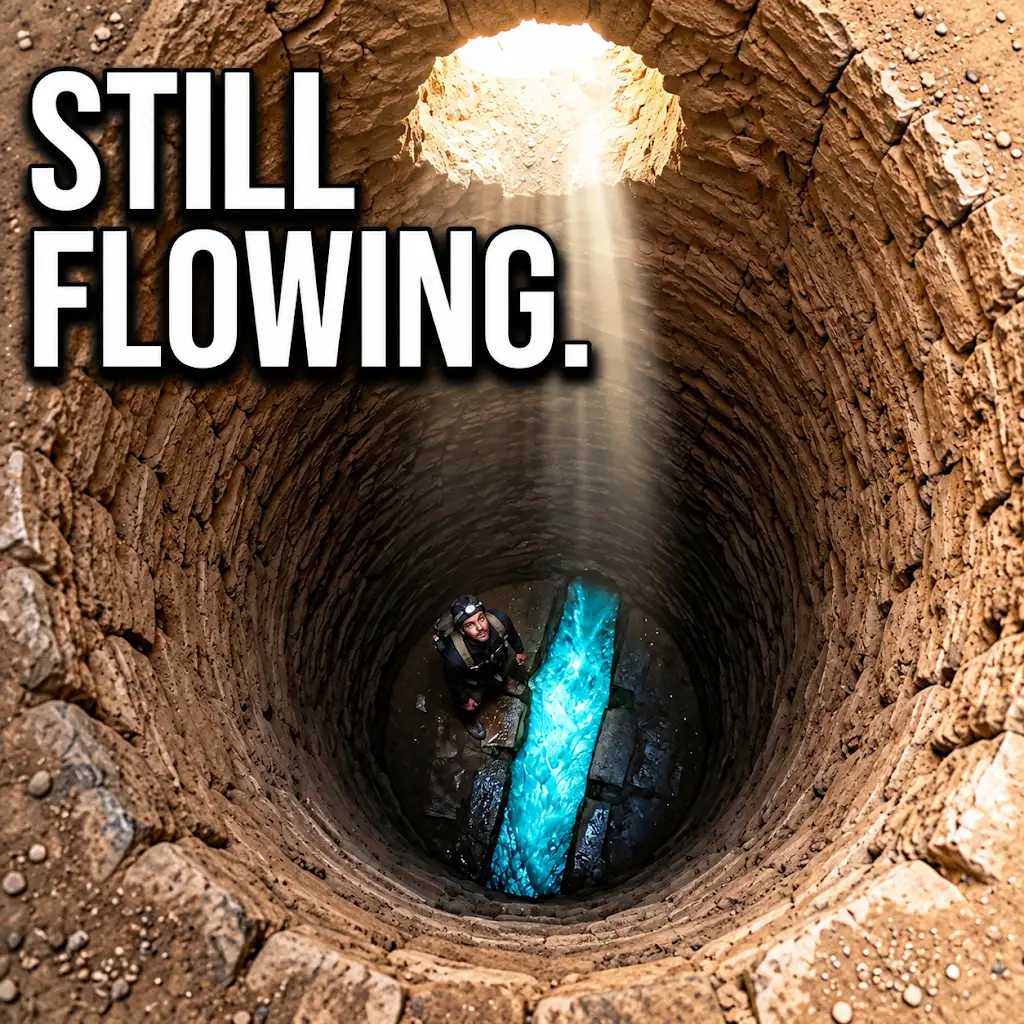
They Dug Water Tunnels Under the Desert… And They Still Flow
FAQs
What is a qanat?
A qanat is an underground water channel used to bring groundwater to the surface for irrigation and drinking purposes.
How do qanats work?
Qanats tap into underground water sources at higher elevations and use gravity to bring the water to the surface at lower elevations through a series of gently sloping tunnels.
Where are qanats commonly found?
Qanats are commonly found in arid and semi-arid regions such as Iran, North Africa, and Central Asia where they have been used for centuries to provide a reliable source of water.
What are the advantages of using qanats for water supply?
Some advantages of using qanats include their ability to provide a consistent and reliable water supply, their low maintenance requirements, and their ability to reduce water loss through evaporation and seepage.
Are qanats still in use today?
Yes, qanats are still in use today in many parts of the world, particularly in regions where access to water is limited and traditional water management practices are still valued.