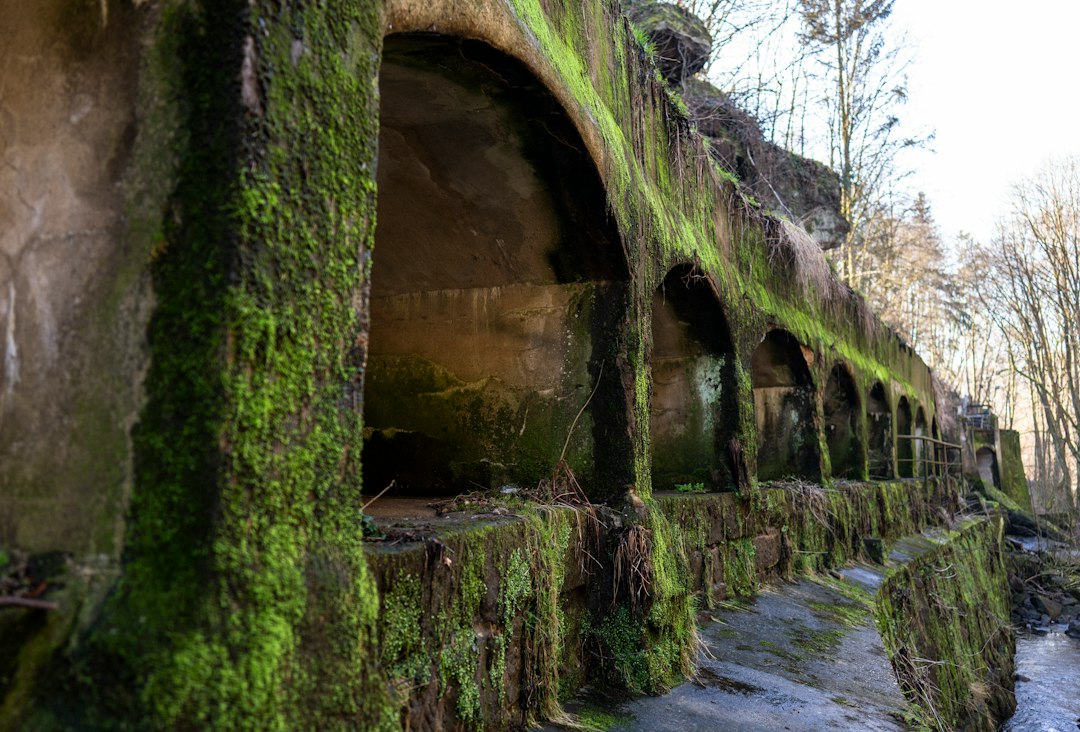
The quest for water has been a defining narrative of human civilization, driving innovation and shaping societies from their nascent stages. Long before the advent of modern plumbing and sophisticated pumps, ancient peoples faced the formidable challenge of securing a reliable water supply, especially in arid or geographically challenging regions. Their solutions, often born of necessity and profound understanding of natural principles, resulted in some of the most remarkable feats of engineering in history: ancient water tunnels, also known as qanats, aqueducts, and subterranean conduits. These structures stand as testaments to the ingenuity of early civilizations, demonstrating an intimate knowledge of hydrology, geology, and gradient, and revealing an often-overlooked aspect of their technological prowess.
The development of these water systems was not merely about bringing water from point A to point B. It involved meticulous planning, an understanding of gravity’s subtle but powerful influence, and the ability to work with natural landscapes. The successful construction and operation of these ancient water tunnels required a deep appreciation for the concept of gradient – the slope or inclination of a surface or line. A precise gradient was crucial for ensuring a steady, unimpeded flow of water, preventing stagnation, erosion, and the loss of precious resources. These subterranean marvels, often hidden from view, represent a profound connection between human endeavor and the Earth’s natural contours, a sophisticated dance of engineering and environment.
The Genesis of Subterranean Hydration
The earliest motivations for seeking out and channeling water were deeply rooted in survival. As human settlements grew and agriculture became more established, the demand for water intensified. Reliance on surface water sources like rivers and lakes was often precarious, subject to drought, contamination, and the whims of nature. This vulnerability spurred the exploration of alternative methods for water procurement and transport, leading to the development of ingenious solutions that often involved tapping into underground aquifers. The concept of gravity, a fundamental force recognized and utilized implicitly, formed the bedrock of these early systems.
Early Irrigation and Urban Demands
The transition from nomadic hunter-gatherer lifestyles to settled agricultural communities marked a significant turning point. The success of crop cultivation was directly tied to the availability of water, leading to the development of irrigation techniques. Early forms of irrigation often involved diverting water from rivers or streams, but this was susceptible to environmental fluctuations and territorial disputes. As settlements evolved into cities, the demand for potable water for drinking, sanitation, and various crafts escalated. This created an even greater imperative for a consistent and reliable water supply, pushing civilizations to look beyond immediate surface sources and delve into the earth itself. The limited energy sources available to ancient peoples meant that methods relying on gravity were paramount, necessitating an understanding of how to direct water flow over significant distances without the need for mechanical assistance.
The Principle of Gravity and Gradient Discovery
The fundamental principle underlying most ancient water tunnel systems is the force of gravity. Water naturally flows from higher elevations to lower elevations. Ancient engineers, through observation and perhaps a degree of trial and error, discerned the importance of maintaining a consistent, gentle downward slope to ensure a steady flow without causing undue erosion or excessive speed that could damage the conduit. This understanding of gradient was not just a practical necessity; it was an application of scientific observation that predates formal scientific inquiry. The subtle art of calculating and maintaining this gradient over potentially vast distances, often through complex terrain, speaks volumes about their engineering acumen. It was a knowledge passed down through generations, refined with each successful project.
The study of ancient water tunnel gradients reveals fascinating insights into the engineering prowess of early civilizations and their ability to manipulate natural resources for sustainable water management. For a deeper understanding of how modern societies can learn from these ancient practices, you can explore the article on resource exploitation and environmental balance in Antarctica, which discusses the importance of sustainable development in the face of resource demands. This article can be found at Antarctica’s Resource Exploitation in 2048: Balancing Conservation and Development.
The Qanat: A Masterpiece of Subterranean Engineering
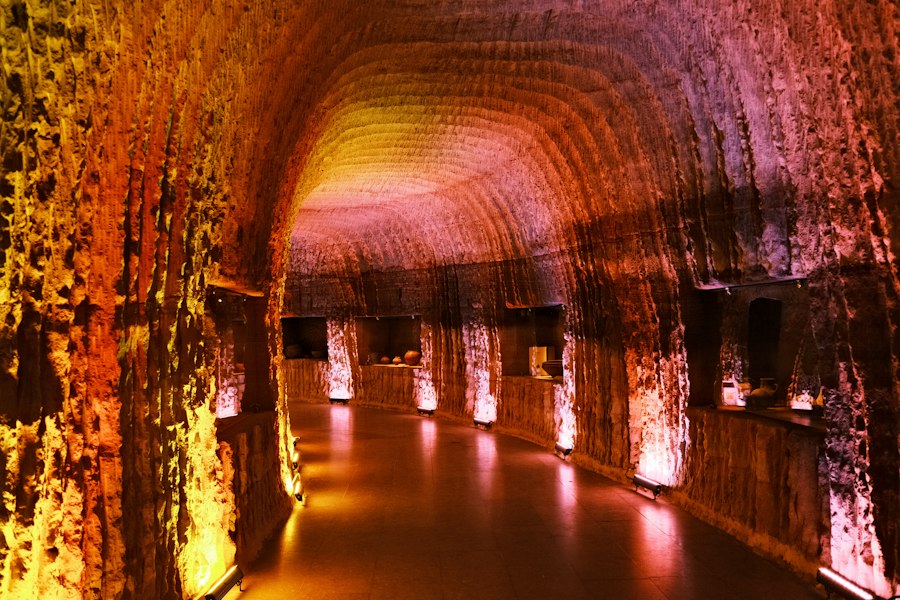
Perhaps the most sophisticated and widespread of these ancient water systems are the qanats, a network of gently sloping underground tunnels designed to tap into groundwater aquifers and transport water to the surface via gravity. Originating in ancient Persia (modern-day Iran) thousands of years ago, qanats spread across a vast geographical area, from North Africa and the Middle East to Central Asia and even parts of the Indian subcontinent. Their construction and maintenance represent an extraordinary feat of communal effort, hydrological understanding, and precise engineering.
Tapping into the Aquifer
The initial phase of qanat construction involved identifying suitable underground water sources. This was a skill honed through generations of experience, involving the study of vegetation patterns, landforms, and geological indicators that suggested the presence of a water table. Once a promising location was identified, a vertical access shaft, known as a “wellhead” or “mother well,” was dug. This shaft served not only as an entry point for construction and maintenance but also as the highest point of the qanat system, situated closer to the groundwater source. The subsequent digging of the main tunnel proceeded downhill from this point, creating the essential gradient.
The Art of Gradient Control and Tunneling
The genius of the qanat lies in its precise gradient. The main tunnel was dug with an almost imperceptible slope, typically ranging from one meter per kilometer to perhaps twenty meters per kilometer, depending on the terrain and the desired flow rate. This shallow gradient was crucial. Too steep, and the water would erode the tunnel walls and flow too rapidly, potentially causing damage. Too shallow, and the water would stagnate, leading to sedimentation and a reduced flow. The engineers had to account for the natural undulations of the ground, often digging the main tunnel at a consistent gradient that was slightly less than the average surface slope, thereby ensuring that the water would emerge at the lowest point of the system, typically at a lower elevation than the original aquifer. The tunneling itself was an arduous process, performed by hand with rudimentary tools. Workers excavated the tunnel segment by segment, using the spoil from the excavation to build the retaining walls around the wellheads and, in some cases, to create small dams or reservoirs at the surface outlet. Regular vertical shafts were also dug at intervals along the main tunnel. These served multiple purposes: providing ventilation for the workers, allowing for the removal of excavated material, and, most importantly, enabling access for maintenance and cleaning of the tunnel. The alignment of these shafts was critical, ensuring they were positioned to maintain the intended gradient of the main tunnel.
Distribution and Maintenance: A Communal Endeavor
Once the qanat reached its destination, the water would emerge into a distribution system, often a series of channels or reservoirs that supplied water to agricultural fields, settlements, and public spaces. The management and maintenance of qanats were typically communal responsibilities. Water rights were often meticulously regulated, with allocation based on the length of the tunnel segments or the contributions made to its construction and upkeep. Regular desilting and repair were essential for the continued functioning of the qanat. This involved teams of workers descending into the shafts to clear accumulated sediment and debris, ensuring the free flow of water. The longevity of many qanat systems, some operating for over a millennium, is a testament to their robust design and the diligent maintenance practices of the communities that relied upon them.
Roman Aqueducts: Gravity-Fed Waterways of an Empire
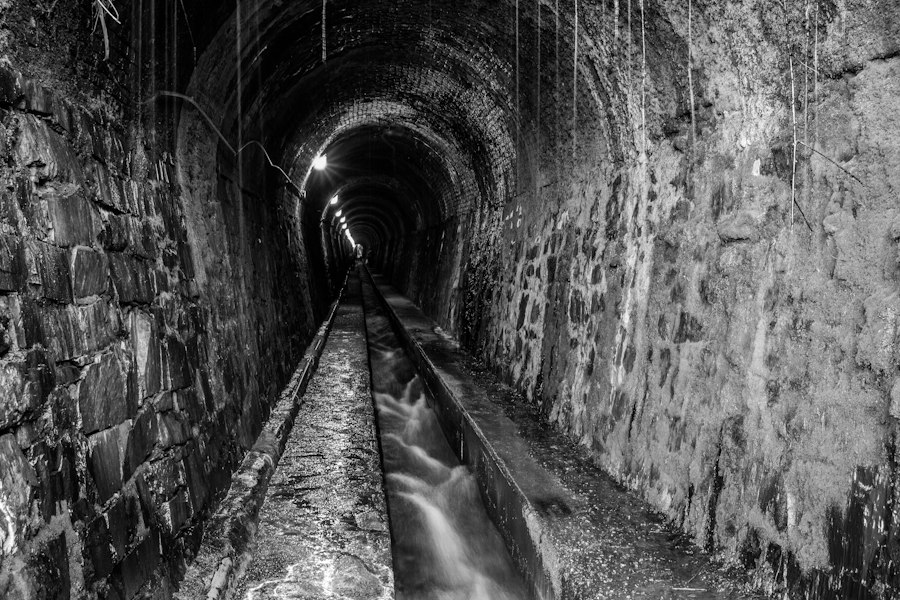
While qanats represented a sophisticated subterranean approach, the Roman Empire is renowned for its impressive above-ground and partially subterranean aqueducts. These monumental structures were designed to transport vast quantities of water from distant sources to burgeoning Roman cities, a crucial element in maintaining their hygiene, public baths, and fountains. The Romans, master engineers, harnessed gravity with unparalleled ambition, creating some of the most enduring and recognizable water management systems in history.
Sourcing and Surveying: The First Steps
The Romans approached water supply with a systematic and scientific mindset. The first step in constructing an aqueduct was the arduous task of surveying and selecting suitable water sources. This involved identifying springs or rivers with a reliable flow and water of acceptable quality. Experienced surveyors, using instruments like the chorobates (a water level with a long beam and plumb bobs) and the groma (a surveying instrument used for measuring right angles), meticulously measured the elevation differences between the source and the intended destination. Their goal was to establish a consistent, gentle gradient that would allow water to flow naturally over sometimes considerable distances, often hundreds of kilometers.
The Architecture of Flow: Arches and Channels
The most visually striking aspect of Roman aqueducts is their use of towering arches. These were employed to bridge valleys, rivers, and uneven terrain, maintaining the essential downward gradient. While many aqueducts were built at or below ground level, sections requiring significant elevation changes necessitated these elevated structures. The arches were not merely aesthetic; they were engineered to bear immense loads while allowing the water channel, typically a rectangular conduit constructed of stone, brick, and opus caementicium (Roman concrete), to maintain its consistent slope. The channel itself was often lined with waterproof cement to prevent leakage. The gradient for Roman aqueducts was typically very shallow, often as little as 1:3000, meaning that for every 3000 units of horizontal distance, the water would drop only one unit in elevation. This precision was vital to prevent excessive speed and erosion. In flatter areas, the aqueducts would run at ground level or in subterranean tunnels, mirroring the principles of qanat construction to maintain the gradient.
Distribution and Legacy
Upon reaching the city, the water would typically enter a distribution tank or reservoir. From here, it was channeled through a network of smaller pipes and conduits to public fountains, baths, latrines, and the homes of wealthier citizens. The sheer scale of these aqueducts was astonishing, reflecting the Roman Empire’s logistical capabilities and their commitment to public works. Many of these structures, though in ruins, still stand as testament to Roman engineering prowess. Their influence on subsequent water management systems, and their enduring legacy in modern infrastructure, is undeniable. The Romans’ ability to design and construct such extensive and long-lasting water systems, relying solely on the power of gravity, remains a subject of awe and study.
Water Management in Ancient Cities: Beyond the Grand Scale
While grand aqueducts and extensive qanat systems are often highlighted, many ancient cities developed more localized and intricate water management strategies that still showcased an understanding of gradient and flow. These systems often integrated with the urban fabric, serving residential areas, public facilities, and even specialized industries. The challenges of urban density, sanitation, and diverse water needs fostered a range of innovative solutions, from underground cisterns to sophisticated drainage networks.
Cisterns and Reservoirs: Storing Precious Water
In areas with unreliable rainfall or limited access to distant sources, ancient civilizations developed sophisticated systems for collecting and storing rainwater. Cisterns, often carved into bedrock or constructed with waterproof materials, were vital for ensuring a consistent water supply. The design of these cisterns often considered the gradient of the catchment area, directing runoff efficiently into the storage vessels. Similarly, reservoirs played a crucial role in regulating water flow from aqueducts or natural springs. Their construction involved careful planning of inlet and outlet points to manage water levels and ensure a steady distribution, always mindful of the gravitational pull that governed the water’s movement.
Drainage and Sanitation: The Unseen Flow
An equally important, yet often overlooked, aspect of ancient water management was the system of drainage and sanitation. The effective removal of wastewater and storm runoff was essential for public health and the prevention of urban flooding. Ancient cities developed elaborate networks of underground channels and sewers, designed with a specific gradient to carry waste away from populated areas. These systems, though rudimentary by modern standards, demonstrate a practical understanding of fluid dynamics and the importance of gravity in ensuring efficient waste disposal. The alignment and slope of these drainage channels were critical to prevent blockages and ensure that waste was transported to appropriate disposal sites, often rivers or the sea, located at a lower elevation.
The study of ancient water tunnel gradients reveals fascinating insights into the engineering prowess of early civilizations, showcasing how they harnessed natural resources to enhance agricultural productivity and urban development. For a deeper understanding of how regional autonomy can influence infrastructure projects and resource management, you might find this article on empowering regions particularly enlightening. By examining the interplay between governance and local initiatives, we can better appreciate the historical context of such engineering feats.
The Enduring Principles: Lessons from Ancient Gradients
| Ancient Water Tunnel | Location | Length (meters) | Gradient (m/m) | Purpose | Construction Period |
|---|---|---|---|---|---|
| Qanat | Persia (Iran) | Up to 10,000 | 0.0005 – 0.001 | Irrigation and water supply | Circa 1000 BCE |
| Hezekiah’s Tunnel | Jerusalem, Israel | 533 | 0.001 | Water supply to city | 8th century BCE |
| Claudian Aqueduct | Rome, Italy | 69,000 | 0.0003 – 0.0005 | Urban water supply | 1st century CE |
| Derinkuyu Underground City Tunnel | Cappadocia, Turkey | Varied | Approx. 0.001 | Water drainage and supply | Circa 8th century BCE |
The ancient water tunnels and systems, from the hidden qanats to the monumental Roman aqueducts, represent more than just historical curiosities. They embody a profound understanding of fundamental hydrological and engineering principles, particularly the power of gravity and the critical importance of gradient. The success of these systems, operating for millennia in many cases, underscores the enduring relevance of these concepts and offers valuable lessons for contemporary engineering and water management.
Simplicity, Sustainability, and Resilience
One of the most striking aspects of these ancient systems is their elegant simplicity and inherent sustainability. Relying solely on gravity, they required no external energy sources to operate. This made them remarkably resilient, capable of functioning even during times of upheaval or technological regression. The materials used, often locally sourced stone, earth, and natural binders, were also sustainable and biodegradable. The principles of gradient control, honed over centuries, ensured efficient water delivery and minimized erosion, contributing to the long-term viability of these structures.
A Legacy of Ingenuity and Planning
The construction of these water systems demanded immense foresight, meticulous planning, and considerable human effort. The ability of ancient engineers to survey vast distances, calculate precise gradients, and execute complex underground or elevated constructions without modern surveying equipment or heavy machinery is a testament to their ingenuity and deep understanding of the natural world. They meticulously observed the land, understood the behavior of water, and applied practical problem-solving to create solutions that sustained their societies for generations. Their achievements highlight the power of human observation, collaboration, and the ability to work in harmony with natural forces. The legacy of these ancient water tunnels continues to inspire, reminding us that some of the most effective solutions are rooted in an understanding of fundamental, timeless principles.
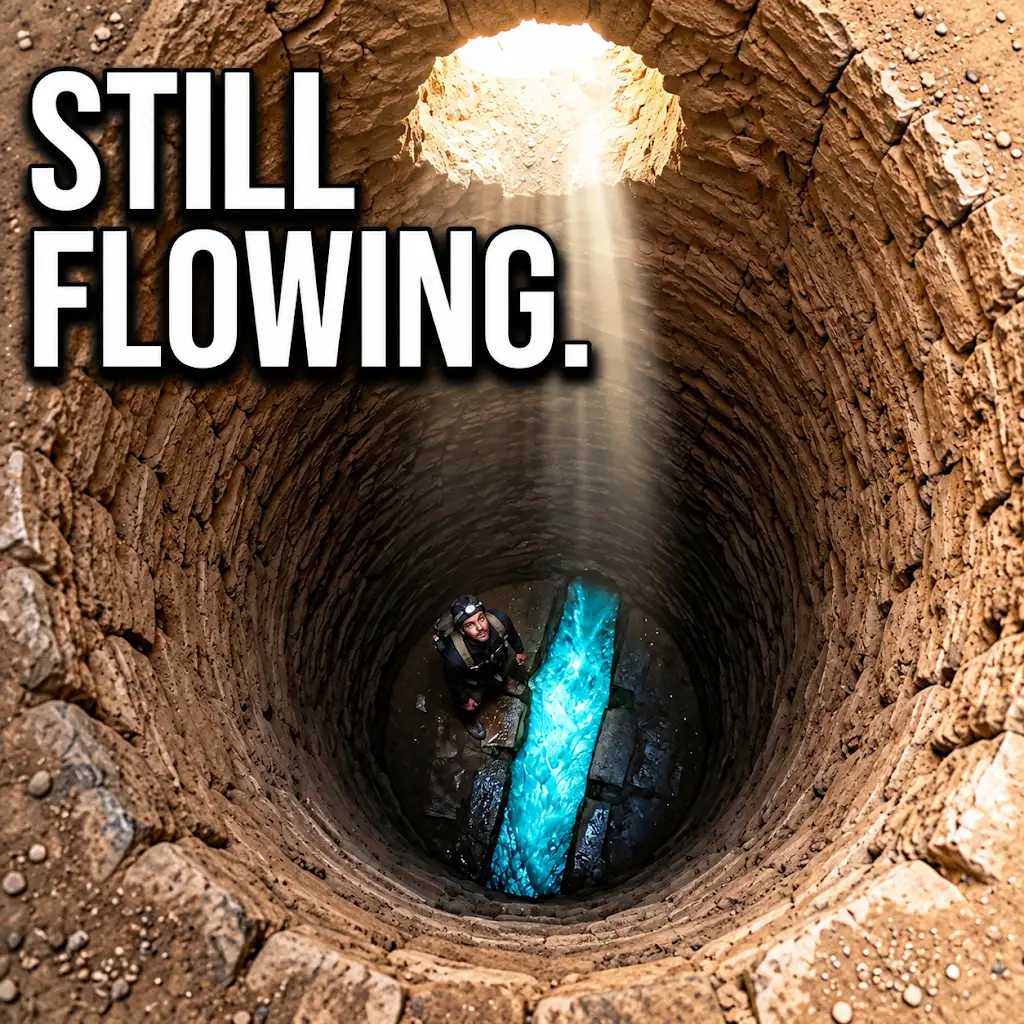
They Dug Water Tunnels Under the Desert… And They Still Flow
FAQs
What is an ancient water tunnel gradient?
An ancient water tunnel gradient refers to the slope or incline of an underground tunnel system built by ancient civilizations to transport water from a source to a destination.
How were ancient water tunnel gradients constructed?
Ancient water tunnel gradients were typically constructed by digging underground tunnels with a gradual slope that allowed water to flow naturally from a higher elevation to a lower elevation.
What was the purpose of ancient water tunnel gradients?
Ancient water tunnel gradients were built to provide a reliable water supply for cities, agriculture, and other purposes by utilizing gravity to transport water without the need for pumps or other mechanical devices.
Which ancient civilizations are known for building water tunnel gradients?
Ancient civilizations such as the Romans, Persians, Greeks, and Incas are known for their advanced water management systems, including the construction of water tunnel gradients.
Are ancient water tunnel gradients still in use today?
Some ancient water tunnel gradients are still in use today, either as historical sites or as part of modern water management systems that have been built upon or alongside the original tunnels.