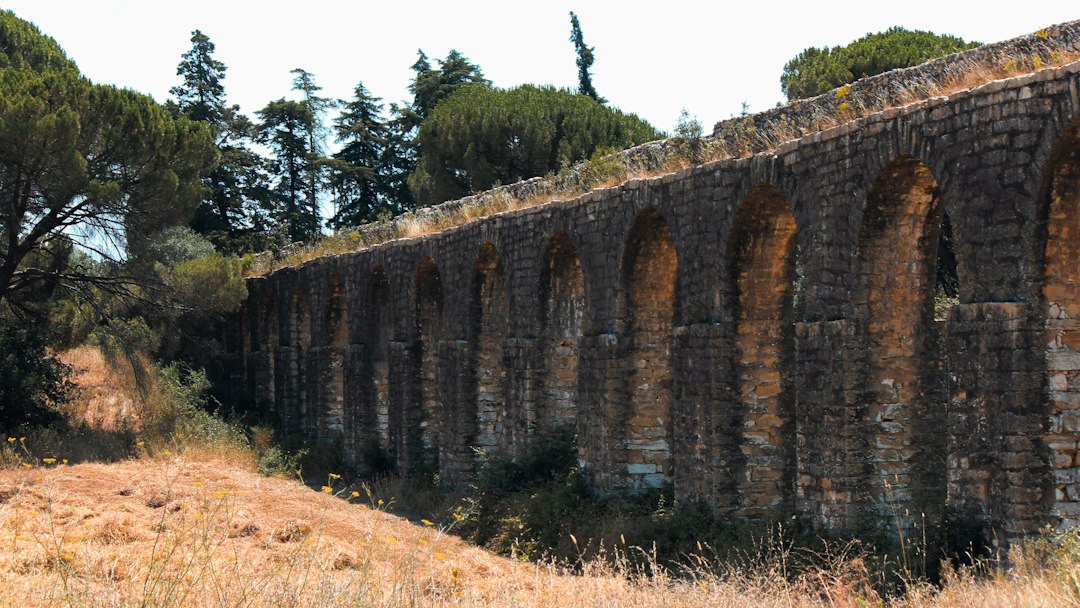
The parched earth, a testament to arid climates and the relentless sun, demanded ingenuity. For civilizations to flourish, water was not a luxury but an absolute necessity. The story of human progress is intrinsically linked to the development of methods to access, transport, and manage this vital resource. Long before modern concrete pipes and complex pumping stations, ancient peoples devised remarkable systems to carry water across vast distances, often against formidable geographical challenges. These were not mere ditches but sophisticated feats of engineering, demonstrating an profound understanding of hydraulics, physics, and the natural landscape. From the sun-baked plains of Mesopotamia to the mountainous terrains of the Andes, ancient water conveyance systems stand as enduring monuments to human perseverance and remarkable technological prowess.
The Pillars of Primitive Procurement: Early Water Management
The earliest forms of water management were inherently tied to proximity. Settlements naturally gravitated towards reliable water sources such as rivers, lakes, and springs. However, even in these early stages, a rudimentary understanding of channeling water began to emerge. The development of these initial systems laid the groundwork for more ambitious undertakings that would follow.
Harnessing Natural Flows: The Dawn of Canals and Channels
The most straightforward method of water conveyance involved manipulating natural waterways and creating simple channels. Early agricultural communities, particularly in fertile river valleys like those of Mesopotamia, learned to dig shallow ditches to divert river water to their fields. These were essentially extensions of natural riverbeds, designed to bring life-sustaining moisture closer to where it was needed. The labor involved was significant, requiring communal effort to excavate and maintain these channels, which were prone to silting and erosion. Yet, the success of these basic systems in increasing crop yields was undeniable, fostering population growth and the development of more complex societies. These early canals were not merely for irrigation; they also served as vital arteries for transportation and defense in some instances, further integrating water management into the fabric of early civilization.
The Elusive Element: Capturing Spring and Well Water
Beyond surface water, ancient peoples also recognized the value of groundwater. The development of wells provided a more localized but often more reliable water source, particularly in regions where rivers were seasonal or prone to flooding. Wells ranged from simple hand-dug pits to more elaborate structures. The challenge then became how to distribute this well water. In some cases, shallow, gravity-fed channels were dug from wells to nearby settlements or fields. In more sophisticated instances, rudimentary cisterns were constructed to store collected rainwater or water from springs, which could then be distributed through short channels or carried by hand. The ability to access water that was not directly dependent on a large river system was a significant step forward, allowing human settlements to expand into areas previously considered too arid.
The study of ancient water conveyance systems reveals fascinating insights into the engineering prowess of early civilizations. For instance, the intricate aqueducts of Rome not only supplied water to the city but also showcased advanced techniques in hydraulic engineering. If you’re interested in exploring how ancient civilizations adapted to their environments, you might find this article on the potential evidence of a pole shift in Antarctica intriguing. It discusses how such shifts could have influenced ancient societies and their water management practices. You can read more about it here: Antarctica: Evidence of a Pole Shift.
The Age of Aqueducts: Bridging Distances, Conquering Gravity
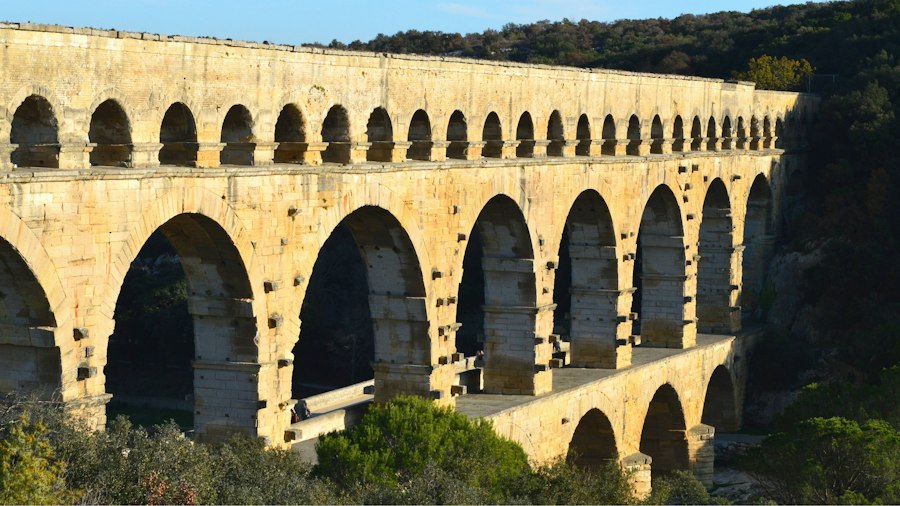
The true marvels of ancient water conveyance systems often emerge when considering the ambition to transport water over significant distances, often to urban centers or areas far removed from their source. This transition from localized channeling to large-scale, long-distance transport marked a pivotal moment in engineering history, with aqueducts becoming the iconic symbol of this achievement.
Roman Engineering Prowess: The Iconic Aqueducts
The Roman Empire is perhaps the most famous proponent of aqueduct construction, and for good reason. Their aqueducts were monumental structures, designed to carry vast quantities of water from distant mountain springs to burgeoning cities. These were not just elevated channels; they were complex systems that employed a deep understanding of gravity. The Romans meticulously surveyed the landscape, ensuring a consistent, gentle gradient that would allow water to flow naturally over many miles. They employed a variety of construction techniques:
- Tunnels: To traverse hills and mountains, the Romans dug extensive tunnel systems, often working from both ends simultaneously, relying on astronomical observations for alignment.
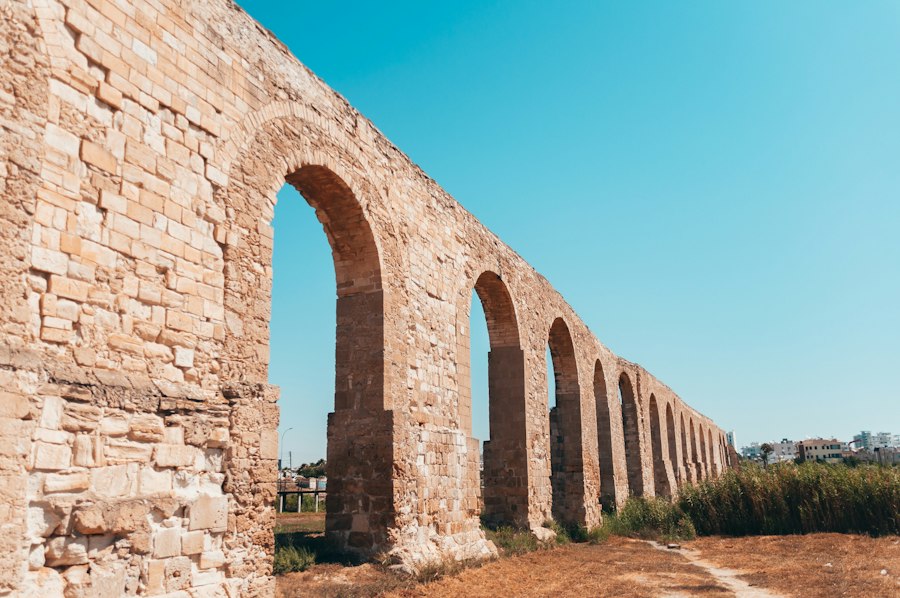
- Bridges and Arcades: Where valleys or low-lying areas needed to be crossed, they constructed magnificent bridges, often employing multiple tiers of arches to maintain the necessary elevation. These arcades, built from stone and concrete, are some of the most enduring and recognizable remnants of Roman engineering.
- Covered Channels: The majority of the aqueduct system consisted of covered channels, usually made of concrete or stone, to protect the water from contamination and evaporation. These channels were often lined with waterproof cement.
The construction of these aqueducts was a testament to Roman organization, labor management, and their mastery of materials like hydraulic cement. The scale of these projects, often involving thousands of laborers and years of construction, underscores the vital importance they placed on a reliable water supply for their cities, which included public baths, fountains, and domestic use.
Beyond Rome: Diverse Aqueduct Traditions
While Roman aqueducts are the most celebrated, other ancient civilizations also developed sophisticated water conveyance systems that can be considered aqueducts in their own right.
- Greek Innovations: The ancient Greeks were pioneers in underground water systems and cisterns. They developed techniques for tunneling and for lining reservoirs with waterproof materials. While they may not have constructed the grand, elevated arcades of the Romans, their focus on effective water storage and subsurface channeling was crucial for their city-states. For instance, the tunnel of Eupalinos on Samos, dating back to the 6th century BCE, is a remarkable example of a rock-cut tunnel that served as an aqueduct, showcasing an impressive understanding of surveying and excavation.
- Persian Qanats: Subterranean Lifelines: The Persian qanat system is a unique and ingenious method of water conveyance. These are gently sloping underground channels that tap into groundwater reservoirs in higher elevations and carry the water for miles to arid plains. The qanats consist of a series of vertical shafts, spaced at intervals, which allow for ventilation, access for maintenance, and the removal of excavated soil. The main channel itself is typically lined with stone or brick to prevent leakage. The qanat system, developed in ancient Persia, is still in use in some parts of Iran and other regions, a testament to its enduring effectiveness and the incredible skill of its creators. The construction of a qanat was a painstaking process, requiring immense geological knowledge and meticulous planning to maintain the subtle gradient over vast distances.
The Ingenuity of Intricate Infrastructure: Beyond Simple Channels
The most impressive ancient water systems demonstrate a level of sophistication that extends beyond simple gravity-fed channels. These

They Dug Water Tunnels Under the Desert… And They Still Flow
FAQs
What is an ancient water conveyance system?
An ancient water conveyance system is a network of structures and channels designed to transport water from a source to a destination for various purposes such as irrigation, drinking water supply, and industrial use.
Where were ancient water conveyance systems commonly found?
Ancient water conveyance systems were commonly found in civilizations that relied on agriculture, such as the ancient Egyptians, Mesopotamians, Romans, and Incas. These systems were crucial for sustaining large populations in arid regions.
How were ancient water conveyance systems constructed?
Ancient water conveyance systems were constructed using a variety of materials such as stone, clay, and wood. They often involved the use of gravity to move water through channels, aqueducts, canals, and pipes to ensure a steady flow to the intended destination.
What were the benefits of ancient water conveyance systems?
Ancient water conveyance systems provided numerous benefits to civilizations, including increased agricultural productivity, improved sanitation, access to drinking water, and the ability to support larger populations in regions with limited water resources.
Are any ancient water conveyance systems still in use today?
Yes, some ancient water conveyance systems are still in use today, such as the qanats in Iran, the terracotta pipe systems in ancient Rome, and the acequias in Spain. These systems have been maintained and adapted over the centuries to continue providing water to communities.