
The arid and semi-arid landscapes of Persia, for millennia, presented a formidable challenge to human settlement and agriculture. Yet, against this harsh backdrop, a civilization flourished, built not on abundant rainfall, but on an ingenious mastery of water. The history of Persian water distribution is a testament to human innovation, adaptability, and a deep understanding of natural resources, a legacy that continues to inform and inspire even today. From subterranean networks that defied the scorching sun to intricate surface channels that sculpted the very topography, Persia developed a sophisticated suite of techniques to capture, conserve, and distribute its precious water resources. This article delves into the historical evolution and the remarkable techniques that characterized these pioneering water systems.
The Genesis of Persian Water Management: Early Ingenuity
The origins of sophisticated water management in Persia are deeply intertwined with the development of early civilizations in the region. Long before the grand qanats became its hallmark, the people of ancient Persia recognized the imperative of water for survival and prosperity. Their initial approaches were pragmatic, focusing on immediate needs and local resources.
Early Settlements and Water Sources
The earliest human settlements in the Iranian plateau were invariably located near natural water sources such as springs, rivers, and seasonal streams. Evidence suggests that even in prehistoric times, communities were engaged in rudimentary forms of water diversion. These might have involved clearing natural channels to direct water for irrigation or domestic use. The discovery of archaeological remains in areas like the Susiana Plain and the Karkheh River basin indicates early agricultural practices that necessitated some form of water management. These early systems were likely simple, relying on gravity and natural contours to guide water. The development of pottery for storage and transport also played a crucial role in managing water, allowing for its collection and more controlled distribution.
The Influence of Climate and Geography
The prevailing climate of Persia, characterized by low rainfall, high evaporation rates, and unpredictable seasonal variations, was the primary driver for the advanced water management techniques that emerged. Vast expanses of the plateau receive minimal precipitation, making reliance on surface water alone unsustainable for significant agricultural development. Furthermore, the mountainous regions, while receiving more rainfall, often experience rapid runoff, leading to flash floods and water loss. The need to tap into groundwater sources, protect water from evaporation, and ensure a consistent supply throughout the year spurred the development of innovative solutions. The geographical diversity of Persia, from fertile river valleys to arid plains and mountainous terrains, also necessitated a range of approaches, each tailored to the specific local conditions. The inherent challenges posed by the environment were not seen as insurmountable barriers but as catalysts for ingenuity.
The Persian water distribution system, known for its innovative engineering and sustainability, has been a subject of interest in various studies. For a broader perspective on how ancient civilizations approached resource management, you might find the article on Mexico’s evolving role in global manufacturing insightful. It discusses modern strategies that echo historical practices of resource allocation and management. You can read more about it in this article: Mexico Replacing China as Manufacturing Hub.
The Golden Age of Qanats: Subterranean Engineering Marvels
The qanat system represents the pinnacle of Persian water engineering, a sophisticated network of underground channels that brought water from distant aquifers to settlements and agricultural lands. These remarkable structures are a testament to the ingenuity and perseverance of ancient Persian engineers.
The Anatomy of a Qanat
A qanat is not merely a tunnel; it is a carefully constructed system designed to harness gravity and minimize water loss. Its construction involved a series of interconnected components, each playing a vital role in the overall functionality.
The Mother Well (Chah-e Madar)
At the highest point of the qanat, where the aquifer is closest to the surface, a large vertical shaft, known as the “mother well” or “chah-e madar,” is dug. This well serves as the primary entry point for the groundwater. The depth of the mother well depends on the depth of the aquifer. It is crucial for establishing the initial gradient of the qanat.
Access Shafts (Chah-ha)
Subsequent to the mother well, a series of smaller vertical shafts, called “access shafts” or simply “chah-ha,” are dug at regular intervals along the intended route of the qanat. These shafts serve multiple critical purposes. Firstly, they allow for the excavation of the main tunnel. Workers would dig horizontally from one shaft to the next, removing excavated earth and debris. Secondly, they provide ventilation for the workers underground, which was crucial for their safety. Thirdly, and perhaps most importantly, these shafts enable regular maintenance and cleaning of the qanat. Without them, it would be impossible to access and repair any blockages or collapses within the tunnel. The spacing of these shafts was determined by the terrain and the need for efficient excavation.
The Water Tunnel (Sorākh)
The heart of the qanat system is the horizontal tunnel, known as the “sorākh” or “gholāb,” which connects the mother well to the downstream destination. This tunnel is carefully engineered to maintain a gentle, consistent gradient, just enough to allow water to flow by gravity without excessive erosion or loss of pressure. The gradient is typically very slight, often only a few centimeters per kilometer, ensuring a slow and steady flow. The tunnel is usually just large enough for a person to walk through, minimizing the volume of excavated earth and the structural challenges of construction. The construction of the main tunnel was a labor-intensive and dangerous undertaking, often involving manual digging with basic tools.
The Distribution Outlet (Masir-e Āb)
At the lowest point of the qanat, the tunnel emerges above ground, forming the distribution outlet or “masir-e āb.” From here, the water is channeled to where it is needed, typically for irrigation of agricultural fields or for supplying the needs of a village or city. This outlet is often strategically located to allow for efficient distribution through a network of smaller surface canals.
Construction Techniques and Labor
The construction of qanats was an extraordinary feat of engineering and labor, requiring immense planning, skill, and coordination.
Surveying and Planning
The initial stage involved meticulous surveying to identify suitable locations for the mother well and to map the route of the qanat. This required a deep understanding of topography, geology, and hydrogeology. Engineers would assess the landscape to find areas where groundwater was likely to be abundant and where a gentle downhill gradient could be maintained. They used simple but effective tools like plumb bobs, levels, and ropes to measure distances and gradients.
Excavation Methods
The excavation was primarily done manually. Teams of skilled laborers, known as “muqannīs” (qanat diggers), worked in shifts. They would dig the vertical shafts and then excavate the horizontal tunnel connecting them. The excavated earth was hauled to the surface using baskets and pulleys. In some cases, rudimentary scaffolding was used to support the tunnel walls, particularly in areas with unstable soil. The process was dangerous, with risks of tunnel collapse, flooding, and lack of oxygen.
Maintaining the Gradient
The precise maintenance of the gradient was paramount. Even a slight deviation could lead to the qanat drying up or becoming flooded. The muqannīs constantly checked the slope using simple water-level devices. The objective was to create a flow that was neither too fast nor too slow, ensuring a consistent supply without causing erosion.
Durability and Maintenance
Qanats were designed for longevity. The tunnels were often lined with stone or brick in areas prone to collapse. Regular maintenance was essential to ensure their continued operation. Access shafts facilitated the cleaning of sediment and the repair of any damage. Local communities often had a vested interest in maintaining their qanats, as their livelihoods depended on the water supply.
Advantages of the Qanat System
The qanat system offered several significant advantages over other water management techniques of its time.
Water Conservation
The primary advantage of qanats was their ability to transport water underground, effectively minimizing evaporation. In the arid climate of Persia, surface water sources are subject to significant losses due to the sun’s heat. By channeling water beneath the surface, qanats preserved a much larger proportion of the available water.
Consistent Supply
Qanats tapped into deep aquifers, providing a more reliable and consistent water supply compared to surface rivers, which could be subject to seasonal fluctuations and droughts. This reliability was crucial for agricultural planning and ensuring year-round settlements.
Gravity-Powered Operation
The entire system operated on gravity, requiring no external power source. This made it sustainable and cost-effective to operate and maintain once constructed.
Water Quality
The underground nature of qanats also helped to protect the water from contamination by surface pollutants, ensuring a cleaner water supply for domestic and agricultural use.
Surface Water Diversion and Irrigation: Sculpting the Landscape
While qanats were revolutionary, surface water diversion and irrigation techniques also played a vital role in Persian water management, particularly in areas with access to rivers and streams. These methods often involved intricately designed networks of canals and reservoirs that shaped the very landscape.
Diversion Dams and Weirs
To capture and redirect surface water, Persians constructed various types of diversion structures. These ranged from simple temporary barriers made of brushwood and stones to more permanent structures like weirs built from rubble and mortar. These dams and weirs were strategically placed in rivers to raise the water level and divert it into canals. The construction often involved diverting the river temporarily to allow for the building of the permanent structure.
Canal Networks (Juy-hā)
A complex network of canals, known as “juy-hā,” was essential for distributing water from the diversion points to the fields. These canals were meticulously planned and engineered, following the contours of the land to maximize efficiency and minimize the need for pumping. The main canals would branch out into smaller secondary and tertiary channels, ensuring that water reached even the furthest plots of land.
Construction and Maintenance of Canals
The digging and maintenance of these canals were often communal efforts. Villagers would work together to excavate the channels, remove silt, and repair any breaches. The size and depth of the canals were determined by the volume of water they needed to carry and the type of land they traversed. In some cases, canals were lined with stone or bitumen to prevent seepage and erosion.
Reservoirs and Cisterns (Āb-anbār)
To store water for times of scarcity or to regulate flow, Persians constructed various types of reservoirs and cisterns.
Surface Reservoirs
Larger bodies of water were often created by building dams that impounded river water, forming artificial lakes. These reservoirs served as a buffer, ensuring a continuous supply even during dry periods. They were also crucial for flood control, absorbing excess water during periods of heavy rainfall.
Underground Cisterns (Āb-anbār)
For urban areas and individual homes, underground cisterns, known as “āb-anbār,” were a common feature. These structures, often built with domes and windcatchers, were designed to collect and store rainwater or water brought by aqueducts. The underground construction helped to keep the water cool and prevented evaporation. They were vital for ensuring a reliable water supply in cities, especially during prolonged dry spells.
Water-Lifting Devices
While gravity was the primary force, in certain situations, water-lifting devices were employed to raise water to higher elevations.
Water Wheels (Charkh-e Āb)
Water wheels, powered by the flow of rivers, were used to lift water into higher canals or reservoirs. These were particularly common in areas where the terrain made it difficult to maintain a continuous gravity flow. The design of these water wheels varied, but they generally consisted of a large wheel with buckets or scoops attached to its rim, which would fill with water as the wheel rotated and then empty it into an elevated channel.
Archimedes’ Screws
The Archimedes’ screw, a device for raising water, was also known and used in ancient Persia, although its widespread adoption might have been less prevalent than water wheels. This device consists of a rotating helical screw inside a tube, which, when rotated, lifts water upwards.
Advanced Water Management Principles: Conservation and Equity
Beyond the physical infrastructure, Persian water management was underpinned by sophisticated principles of conservation, allocation, and equitable distribution. These principles were deeply ingrained in the social and legal fabric of the society.
Water Rights and Allocation Systems
The scarcity of water meant that its allocation was a matter of great importance and often governed by complex customary laws and formal regulations.
Traditional Water Courts (Shar’i-ye Āb)
Disputes over water were often resolved through traditional water courts, presided over by elders or designated water arbitrators. These courts relied on customary law, historical usage patterns, and the principles of fairness to resolve conflicts. The decisions of these courts were generally respected, contributing to social harmony.
Equitable Distribution (Sad-dastūr)
The concept of “sad-dastūr” (hundred rules) or similar systems aimed at ensuring equitable distribution among users. This often involved dividing the water flow into shares, with each share corresponding to a specific landholding or user group. The duration of water usage for each share would be precisely timed, ensuring that everyone received their allotted portion.
The Role of Water Engineers and Stewards
The successful operation of these complex water systems relied on a class of skilled individuals.
Engineers and Architects
The design and construction of qanats, canals, and dams required specialized knowledge and skills. These engineers and architects were highly respected members of society, often passing down their knowledge through generations. Their understanding of hydraulics, geology, and surveying was crucial.
Water Stewards (Mirab)
The day-to-day management and distribution of water were often overseen by water stewards, known as “mirab.” These individuals were responsible for monitoring water flow, ensuring fair distribution according to established rules, and organizing maintenance work. They acted as intermediaries between water users and played a crucial role in maintaining the smooth functioning of the system.
Water Conservation Ethics and Culture
A deep-seated cultural understanding of water as a precious and sacred resource permeated Persian society.
Religious and Ethical Influences
In Zoroastrianism, water was considered a divine element, and its purification and conservation were paramount. This religious reverence translated into a strong ethical imperative to use water responsibly and avoid waste. This ethical framework underpinned the practical efforts to conserve water.
Social Responsibility
The interconnectedness of water systems fostered a sense of social responsibility. Communities understood that the actions of one individual or group could impact the water supply of others. This understanding encouraged cooperation and responsible water usage.
The ancient Persian water distribution system, known for its ingenuity and efficiency, played a crucial role in the development of one of history’s most advanced civilizations. This remarkable engineering feat not only provided irrigation for agriculture but also supplied water to urban centers, showcasing the importance of water management in sustaining large populations. For those interested in exploring more about advanced civilizations and their remarkable achievements, you can read a related article that delves into the evidence of lost advanced civilizations at this link.
The Enduring Legacy and Modern Relevance of Persian Water Systems
| Metric | Description | Value/Example | Unit |
|---|---|---|---|
| Qanat Length | Average length of a qanat tunnel | 5,000 – 10,000 | meters |
| Water Flow Rate | Typical flow rate of water through qanats | 10 – 50 | liters/second |
| Number of Vertical Shafts | Vertical access shafts per qanat for maintenance | 20 – 100 | shafts |
| Water Distribution Efficiency | Percentage of water successfully delivered to fields | 70 – 90 | % |
| Construction Time | Time required to build a qanat system | 1 – 3 | years |
| Water Table Depth | Depth at which groundwater is accessed | 10 – 50 | meters |
| Service Area | Area irrigated by a typical qanat system | 50 – 200 | hectares |
The innovative water distribution systems developed in ancient Persia have left an indelible mark on the region and continue to hold relevance in the face of contemporary water challenges.
Preservation and Modernization of Qanats
Despite the advent of modern technologies, many qanats in Iran and neighboring countries are still in use, providing water for agriculture and domestic consumption. Efforts are underway to preserve these historical marvels, with UNESCO recognizing several qanat systems as World Heritage Sites. Modernization efforts sometimes involve reinforcing tunnel structures, improving access for maintenance, and integrating them with contemporary water management strategies.
Lessons for Modern Water Management
The principles of water conservation, equitable distribution, and community-based management embodied in ancient Persian water systems offer valuable lessons for addressing today’s global water crisis. Their ability to harness local resources, minimize waste, and foster social cooperation provides a sustainable model. The emphasis on understanding local hydrology and adapting techniques to specific geographical conditions is also a crucial takeaway.
Tourism and Cultural Heritage
The historical water systems of Persia are not only vital for resource management but also serve as significant cultural heritage sites. They attract tourists and researchers, offering a tangible connection to the ingenuity of past civilizations. The architectural and engineering marvels associated with these systems contribute to the rich tapestry of human history and achievement.
Contemporary Challenges and Adaptations
While the legacy of Persian water systems is profound, modern challenges such as population growth, climate change, and increased agricultural demand put immense pressure on these traditional infrastructures. However, the core principles of ingenuity and adaptation that characterized their development continue to inspire new solutions, blending ancient wisdom with modern scientific understanding to ensure water security for future generations. The careful balance between tradition and innovation is key to navigating these complex issues.
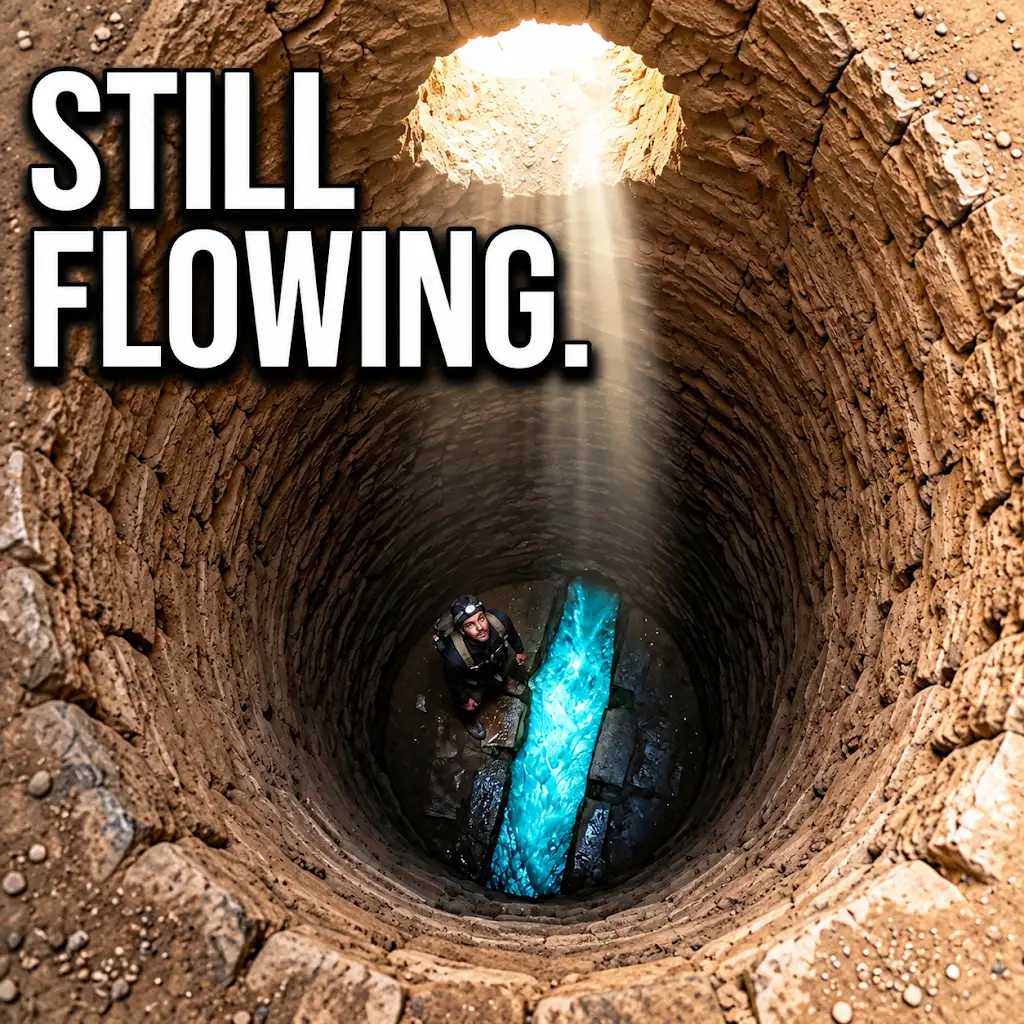
They Dug Water Tunnels Under the Desert… And They Still Flow
FAQs
What is the history of the Persian water distribution system?
The Persian water distribution system dates back to ancient times, with evidence of advanced aqueducts and underground channels used to transport water across vast distances.
How did the Persian water distribution system impact agriculture?
The Persian water distribution system revolutionized agriculture by providing a reliable water supply for irrigation, allowing for increased crop yields and the cultivation of a wider variety of crops.
What engineering techniques were used in the construction of the Persian water distribution system?
The Persian water distribution system utilized advanced engineering techniques such as underground tunnels, qanats, and aqueducts to transport water from distant sources to populated areas and agricultural lands.
What role did the Persian water distribution system play in urban development?
The Persian water distribution system played a crucial role in the growth and development of cities by providing a sustainable water supply for drinking, sanitation, and industrial purposes.
How does the Persian water distribution system compare to modern water management systems?
While the Persian water distribution system was an impressive feat of engineering for its time, modern water management systems incorporate advanced technology and infrastructure to efficiently distribute water to meet the needs of growing populations and changing environmental conditions.