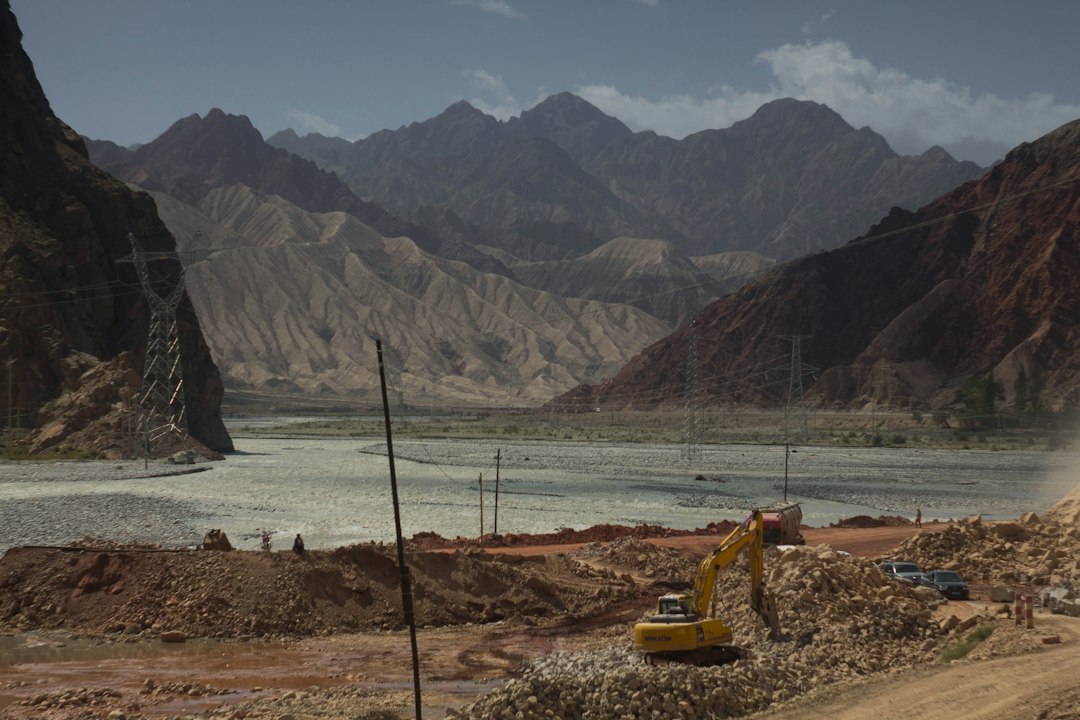
The intricate network of underground water channels known as qanats represents a triumph of ancient engineering, a testament to humanity’s ingenuity in harnessing subterranean water sources. For millennia, these vital arteries have supplied arid and semi-arid regions with life-giving water, supporting agriculture, settlements, and entire civilizations. At the heart of the qanat system lie the vertical shafts, or wells, which provide access to the water table, allow for excavation, and facilitate ventilation. The construction of these shafts, especially in challenging geological conditions, has evolved significantly, blending time-honored traditional techniques with the transformative impact of modern technological advancements. Understanding this evolution reveals not only the enduring principles of qanat construction but also the innovative spirit that continues to adapt these ancient systems to contemporary needs.
The Foundational Pillars of Traditional Qanat Shaft Construction
The construction of qanat shafts in antiquity was a labor-intensive undertaking, relying on a deep understanding of geology, meticulous planning, and the collective effort of skilled laborers. These methods, honed over centuries, laid the groundwork for the enduring legacy of qanat systems.
Geological Assessment and Site Selection
The success of a qanat hinged on the careful selection of its route and the precise placement of its access shafts. This process was guided by an intimate knowledge of the local terrain and a keen observation of natural indicators. Traditional builders would meticulously study the landscape, looking for signs of underground water, such as specific vegetation patterns – the presence of deep-rooted trees or lusher patches of greenery often pointed towards accessible water tables. The slope of the land was also crucial; a gentle, consistent gradient was necessary for gravity to ensure water flow from the water source to the distribution point. Furthermore, understanding the underlying geological strata was paramount. Builders would examine surface outcrops and soil types to infer the composition of subterranean layers, seeking permeable materials like sand and gravel that would readily yield water, while avoiding impermeable layers that could impede flow or flood the shaft. This initial assessment, though empirical, was remarkably accurate and dictated the entire layout and feasibility of a qanat project.
Excavation Methods and Tools
Once a site was chosen, the arduous process of shaft excavation began. Traditional methods primarily involved manual labor, using relatively simple yet effective tools. Digging was typically done with pickaxes, shovels, and sometimes specialized chisels for harder rock formations. The excavated material was then hauled to the surface, often in baskets or rudimentary buckets, which were lifted by ropes and pulleys. In deeper shafts, a system of counterweights or even human or animal power was employed to aid in the lifting process. The sides of the shafts were carefully shored up using timber or stones to prevent collapses, a critical step that demanded constant vigilance and material availability. The diameter of the shafts was generally kept to a minimum, just wide enough for a single worker to descend and excavate, thereby minimizing the amount of material to be removed and the structural challenges. This minimalist approach was a key factor in the sustainability of traditional construction.
Maintaining Shaft Stability and Safety
Ensuring the structural integrity and the safety of workers within these deep vertical excavations was a paramount concern. Traditional builders developed a series of practices to mitigate risks. As excavation progressed, the walls of the shaft were reinforced. In areas with soft soil, wooden planks or beams were installed in a circular or polygonal pattern to create a stable lining. In more solid rock, the excavated walls were often left exposed but carefully monitored for signs of instability. Ventilation was another critical aspect. As shafts deepened, the air could become stagnant and depleted of oxygen, posing a serious hazard. Builders ingeniously used the natural draft created by the difference in temperature and air pressure between the surface and the underground workings. In some cases, fires were lit at the surface, creating an updraft that pulled fresh air down into the shaft, or bellows were used to force air downwards. The careful management of groundwater ingress was also crucial; often, simple drainage channels were dug at the base of the shaft to divert minor seepage, preventing water accumulation that could impede progress or compromise stability.
Qanat shaft construction is a fascinating topic that highlights the ingenuity of ancient civilizations in managing water resources. For a deeper understanding of how power dynamics influenced resource management during crises, you can explore the article titled “Elite Control During Ancient Famine: Power and Privilege in Crisis” at this link: Elite Control During Ancient Famine. This article provides insights into the socio-political structures that governed resource allocation and the implications for communities facing environmental challenges.
The Impact of Modern Technologies on Qanat Shaft Construction
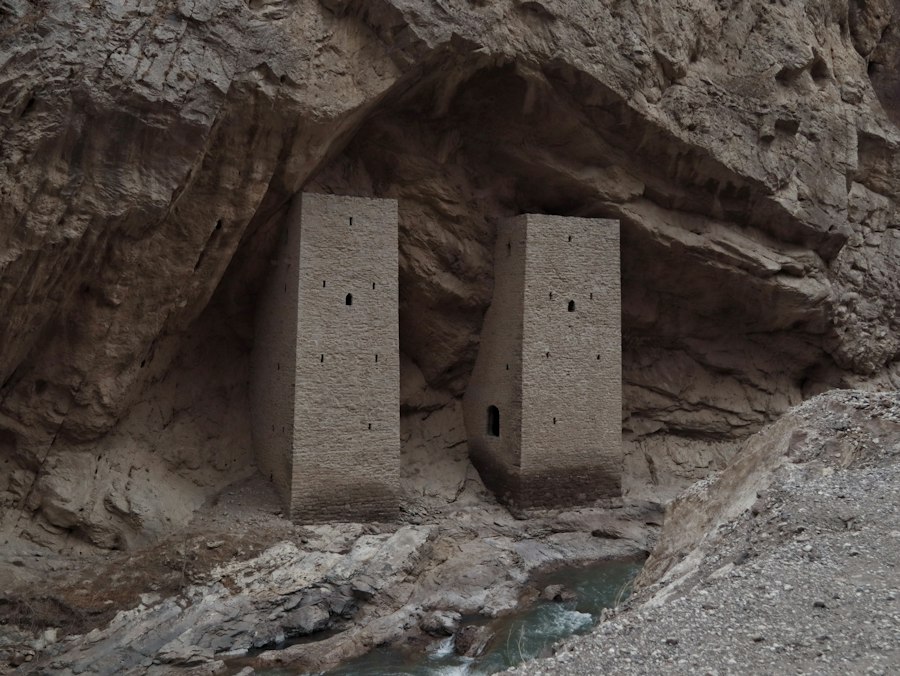
The advent of modern technology has revolutionized every aspect of construction, and qanat shaft development is no exception. These advancements have not only increased efficiency and safety but have also enabled the construction of qanats in previously inaccessible or challenging terrains.
Mechanized Excavation Techniques
The most significant impact of modern technology on qanat shaft construction lies in the realm of excavation. Gone are the days of solely relying on manual labor. Today, powerful drilling rigs equipped with various drilling heads, such as rotary drill bits, percussion hammers, and even specialized cutting tools, can rapidly bore through rock and soil. These machines can excavate shafts of considerable diameter with impressive speed and precision. For softer formations, continuous flight augers can effectively remove excavated material as they drill. Furthermore, the use of hydraulic excavators and specialized boring machines allows for the rapid creation of larger diameter shafts, which can be beneficial for maintenance access or for housing modern pumping systems if the qanat is hybridized. This mechanization drastically reduces the time and labor required for excavation, making qanat projects more economically viable.
Advanced Support and Lining Systems
Modern engineering has introduced a range of sophisticated materials and techniques for supporting and lining qanat shafts, significantly enhancing their long-term stability and durability. Instead of relying solely on timber and stone, builders now employ reinforced concrete segments, steel rings, or specialized synthetic liners. These pre-fabricated components can be quickly installed as excavation progresses, providing robust support and preventing collapses even in unstable ground conditions. Shotcrete, a method of spraying concrete onto the shaft walls, is also widely used to create a seamless and impermeable lining, offering excellent structural integrity and protection against water ingress. The use of advanced geotechnical surveying techniques, such as ground-penetrating radar and seismic surveys, allows engineers to precisely assess the subsurface conditions before excavation, enabling the selection of the most appropriate and effective support systems.
Enhanced Safety and Environmental Monitoring
Modern qanat construction places a far greater emphasis on worker safety and environmental protection. The risks associated with confined spaces, toxic gases, and potential collapses are significantly mitigated through the use of advanced monitoring equipment. Sensors can continuously measure oxygen levels, detect the presence of harmful gases like methane or carbon monoxide, and monitor the structural stability of the shaft walls. Automated systems can provide real-time alerts to workers, enabling prompt evacuation or corrective action. Furthermore, modern construction practices often incorporate measures to minimize the environmental impact of excavation, such as controlled disposal of excavated spoil and the prevention of groundwater contamination. The use of GPS and other surveying technologies also ensures greater precision in shaft alignment, minimizing the risk of deviation and potential structural issues over the length of the qanat.
Innovations in Access and Water Extraction
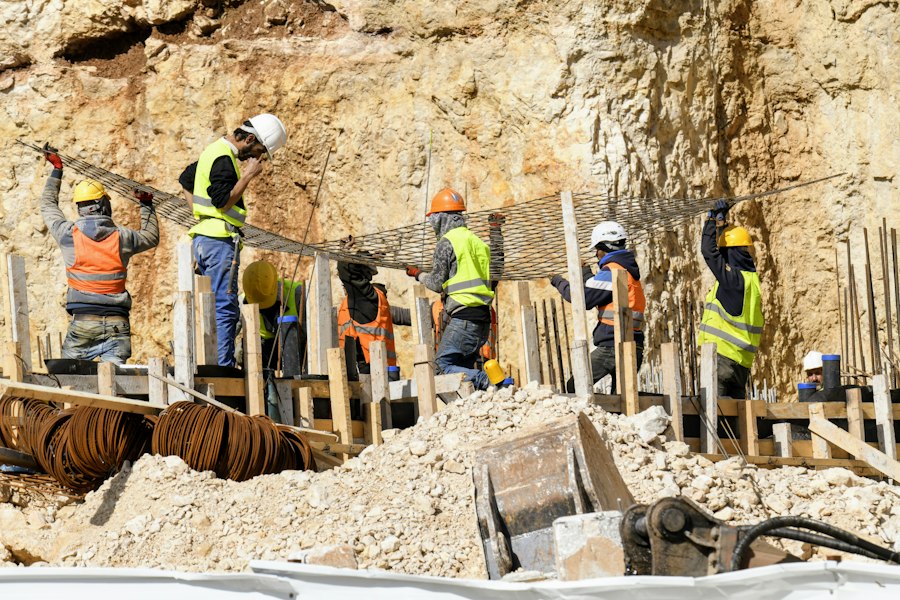
Beyond the primary excavation of the shafts, innovations have also transformed how access is maintained and how water is ultimately utilized from these ancient water systems. This includes making the shafts more amenable to modern infrastructure and improving the efficiency of water retrieval.
Modern Access and Maintenance Solutions
The traditional method of accessing qanat shafts involved simple ladders or rope-and-bucket systems. Modern approaches have introduced much safer and more efficient solutions for both routine maintenance and emergency access. These include the installation of permanent metal ladders with safety cages, providing secure and reliable passage for workers. In shafts that are frequently accessed or require the transport of equipment, small electric or manual winches can be installed, significantly easing the burden of ascent and descent. Furthermore, some modern qanat systems, particularly those integrated with urban water supplies, may incorporate small, purpose-built elevators or platforms within larger diameter shafts to facilitate the movement of personnel and machinery. The design of access points at the surface has also been improved, with secure covers and well-maintained surrounding areas that enhance safety and prevent unauthorized access.
Integrating Modern Pumping Technologies
While traditional qanats rely on gravity, the integration of modern pumping technologies offers a powerful solution for overcoming topographical challenges or maximizing water extraction, especially in areas where the water table has receded. Small, submersible electric pumps can be installed at the bottom of shafts to lift water to the surface. These pumps can be powered by solar energy, making them an environmentally friendly and sustainable option, particularly in remote qanat locations. The integration of smart pump controls and sensors allows for the optimization of water extraction, preventing over-pumping and ensuring the longevity of the aquifer. This hybridization of traditional gravity-fed systems with modern pumping technology allows qanats to remain a viable water source even in changing environmental conditions.
Advanced Groundwater Monitoring and Management
The sustainability of qanat systems, and thus the functionality of their shafts, is intrinsically linked to the health of the aquifer. Modern technologies provide sophisticated tools for monitoring groundwater levels and managing extraction. Automated sensors placed within shafts can continuously record water table depth, flow rates, and water quality parameters. This data can be transmitted remotely, allowing for real-time analysis and informed decision-making regarding water allocation and conservation. Geographic Information Systems (GIS) can be used to map qanat networks and their associated aquifers, providing a comprehensive overview of the water resources. This data-driven approach to groundwater management is crucial for ensuring the long-term viability of qanat systems in the face of increasing water demand and climate change.
The Synergistic Fusion of Tradition and Innovation
The most compelling advancements in qanat shaft construction are not those that completely abandon tradition, but rather those that thoughtfully integrate modern capabilities with the time-tested wisdom of ancient builders. This fusion creates systems that are both resilient and adapted to contemporary challenges.
Preserving Traditional Knowledge with Digital Tools
The preservation of traditional qanat knowledge is as vital as the engineering itself. Modern digital tools are playing an increasingly important role in documenting and disseminating this invaluable information. 3D laser scanning can create precise digital models of existing qanat shafts, capturing their intricate details and structural characteristics. This data can be used for historical archiving, educational purposes, and to inform the design of new shafts or the rehabilitation of old ones. Online databases and digital archives can store historical construction manuals, oral traditions, and case studies, making this knowledge accessible to a global audience of engineers, archaeologists, and students. This digital preservation ensures that the legacy of traditional qanat builders is not lost to future generations.
Hybrid Construction Models for Modern Applications
The future of qanat construction often lies in hybrid models that combine the efficiency of modern techniques with the resourcefulness of traditional methods. For instance, a new qanat might be initiated with modern mechanized drilling for the main shaft, but the final excavation and lining of the water-carrying gallery might still employ manual techniques for greater precision and minimal disturbance to delicate geological formations. Similarly, traditional shafts might be upgraded with modern ventilation systems or reinforced linings, extending their lifespan and improving safety without compromising their historical integrity. This adaptable approach allows for the construction of new qanat systems tailored to specific environmental and societal needs, while also revitalizing and enhancing existing ones.
Community Engagement and Sustainable Development
The successful implementation of both traditional and modern qanat shaft construction relies heavily on community engagement and a commitment to sustainable development. In many regions where qanats are still active, local communities possess a deep understanding of their water resources and traditional maintenance practices. Incorporating this local knowledge into modern projects ensures that the new infrastructure is culturally appropriate and effectively managed. Furthermore, modern qanat projects, especially those designed for agricultural or municipal water supply, must be planned with long-term sustainability in mind. This includes considering the impact on local ecosystems, ensuring equitable water distribution, and developing robust maintenance plans that involve both skilled professionals and the local community. The goal is to create water systems that benefit present generations without compromising the ability of future generations to meet their own needs.
The construction of qanat shafts is a fascinating aspect of ancient engineering that highlights the ingenuity of early civilizations in water management. For those interested in exploring this topic further, a related article provides valuable insights into various ancient water management systems and their significance. You can read more about these innovative techniques in the article on uncovering ancient water management systems. Understanding the methods used in qanat shaft construction can deepen our appreciation for the sophisticated approaches to resource management in arid regions.
Challenges and Future Directions in Qanat Shaft Development
| Metric | Description | Typical Value | Unit |
|---|---|---|---|
| Shaft Diameter | Diameter of the vertical shaft | 1.5 – 3 | meters |
| Shaft Depth | Depth from surface to qanat tunnel | 10 – 50 | meters |
| Distance Between Shafts | Horizontal spacing between adjacent shafts | 20 – 35 | meters |
| Construction Time per Shaft | Average time to construct one shaft | 1 – 3 | weeks |
| Labor Required | Number of workers per shaft construction | 5 – 10 | persons |
| Airflow Rate | Ventilation airflow through shaft during construction | 0.5 – 1.5 | m³/s |
| Water Flow Rate | Typical water flow in qanat tunnel | 10 – 50 | liters/second |
| Structural Support | Type of lining used in shaft walls | Stone masonry or brick | N/A |
Despite the remarkable advancements, the construction and maintenance of qanat shafts continue to present a unique set of challenges, prompting ongoing research and development for future solutions.
Adapting to Changing Environmental Conditions
Climate change, with its associated impacts on precipitation patterns and water availability, poses a significant challenge to qanat systems. As water tables recede, traditional qanat shafts may become too deep to access the water, or the water flow may diminish significantly. This necessitates innovative approaches to shaft construction, such as deeper drilling or the integration of more powerful pumping systems. Furthermore, increased frequency of extreme weather events, such as flash floods, can pose risks to the structural integrity of surface access points and underground galleries. Future directions in shaft development will likely focus on designing shafts that are more resilient to these environmental shifts, perhaps incorporating modular designs that can be extended or adapted as needed, or utilizing materials that are resistant to erosion and water damage.
Economic Viability and Resource Allocation
The economic feasibility of constructing and maintaining qanat shafts, especially in remote or developing regions, remains a critical consideration. While modern technology can expedite construction, the initial investment can be substantial. Therefore, future efforts will likely focus on developing cost-effective solutions, exploring the use of locally sourced materials where appropriate, and leveraging renewable energy sources for pumping and lighting. The allocation of resources for ongoing maintenance is also crucial. Sustainable qanat management often involves community-based maintenance programs, supplemented by governmental or non-governmental support. Innovative financial models, such as public-private partnerships or water user associations, could also play a role in ensuring the long-term economic sustainability of qanat systems and their associated shafts.
Knowledge Transfer and Skill Development
The legacy of qanat construction is built upon generations of accumulated knowledge and practical skills. However, as traditional practices decline in some areas and the demand for modernized systems grows, there is a need for effective knowledge transfer and the development of new skill sets. Future initiatives will need to focus on training programs that bridge the gap between traditional craftsmanship and modern engineering techniques. This could involve apprenticeships that pair experienced qanat builders with younger engineers, the development of standardized training modules for both traditional and modern methods, and the establishment of research centers dedicated to qanat technology. Ensuring a continuous pipeline of skilled individuals capable of both preserving and innovating qanat systems is paramount for their future success.
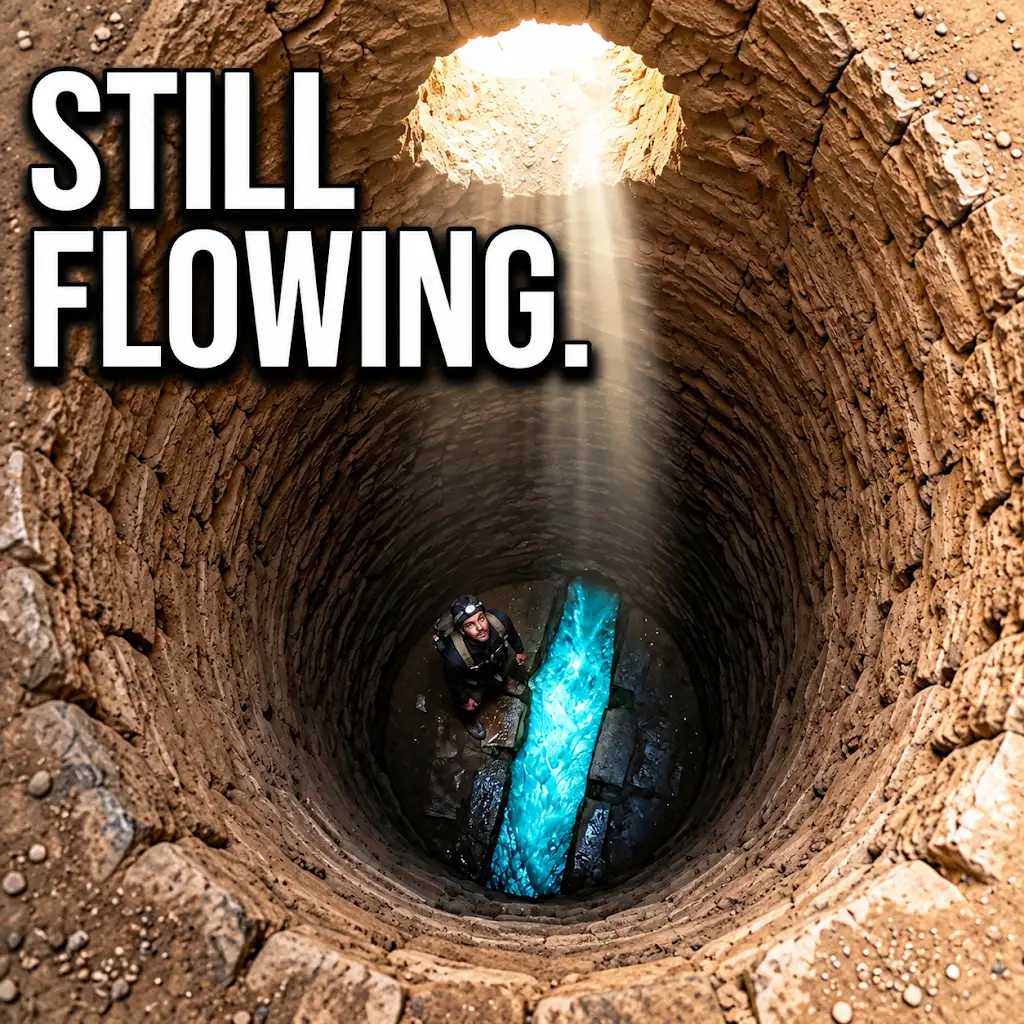
They Dug Water Tunnels Under the Desert… And They Still Flow
FAQs
What is a qanat shaft?
A qanat shaft is a vertical tunnel that is dug from the surface down to the level of the underground water source, allowing access to the water for irrigation and other purposes.
How is a qanat shaft constructed?
A qanat shaft is typically constructed by digging a vertical hole from the surface using manual labor or machinery until reaching the desired depth where the underground water source is located.
What materials are used in qanat shaft construction?
Qanat shafts are usually constructed using bricks, stones, or concrete to line the walls of the vertical tunnel, providing stability and preventing collapse.
What is the purpose of a qanat shaft in traditional water management systems?
In traditional water management systems, a qanat shaft serves as a crucial component for accessing underground water sources and channeling the water to the surface for irrigation, drinking water, and other uses.
Are there any specific techniques or tools used in qanat shaft construction?
Various techniques and tools are employed in qanat shaft construction, such as shovels, pickaxes, scaffolding, and pulley systems to remove excavated materials and facilitate the digging process.