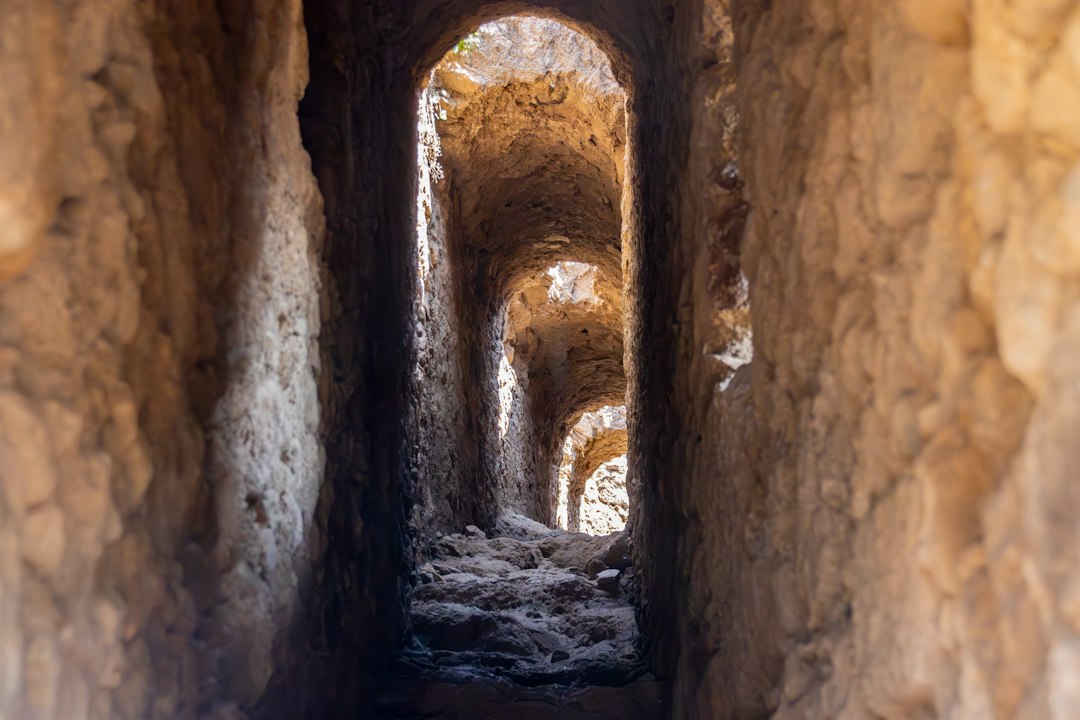
The murmur of water, a constant, life-giving presence, has been a soundtrack to human civilization since its inception. Yet, the methods by which ancient peoples harnessed and transported this vital resource often remain hidden beneath the earth, silent testaments to ingenuity that have endured for millennia. These are not mere ditches or rudimentary aqueducts; they are sophisticated feats of engineering, underground arteries that continue to channel water, sustaining communities and ecosystems even today. The story of these ancient water tunnels is a narrative of observation, of meticulous planning, and of an intimate understanding of geology and hydrology, demonstrating that the pursuit of sustainable water management is a timeless endeavor.
The Genesis of Subterranean Flow: Early Innovations and Needs
The earliest human settlements, often located in arid or semi-arid regions, faced a fundamental challenge: securing a reliable water supply. Rivers and springs were precious but often distant or seasonally unreliable. This environmental pressure spurred the development of methods to tap into groundwater sources and to convey water over significant distances, leading to the birth of underground water management. The very act of digging into the earth to find water, a practice known as well-digging, was the precursor to more elaborate tunnel construction. As populations grew and societies became more complex, the need for larger and more consistent water flow intensified, pushing these early engineers to explore more ambitious solutions.
Tapping the Earth’s Veins: Understanding Groundwater
Before tunnels could be dug, a profound understanding of how water behaves within the earth was necessary. Ancient peoples observed the landscape, noting areas where vegetation thrived, where dew lingered longer, or where surface streams mysteriously disappeared. These observations, coupled with a practical understanding of soil types and rock formations, allowed them to identify promising locations for water extraction. They learned to recognize the signs of underground aquifers – the porous rock layers that hold significant amounts of water. This knowledge was not derived from scientific instruments but from generations of accumulated experience, passed down through oral traditions and direct mentorship.
The First Digs: Simple Wells and Galleries
The initial steps towards subterranean water transport were often rudimentary. Simple wells, dug by hand, provided access to shallow groundwater. However, as the need for more water grew, and as the desired sources lay deeper or further away, a more sophisticated approach was required. This led to the development of shallow trenches and covered channels, a transitional phase between open-air canals and fully enclosed tunnels. These early attempts, while less complex than later marvels, were crucial in developing the techniques and knowledge base that would eventually lead to more ambitious projects. The success of these early endeavors provided the impetus for further exploration and refinement of their water-gathering technologies.
Ancient water tunnels, often referred to as qanats, are remarkable engineering feats that have stood the test of time, still flowing with water in various parts of the world. These underground channels were designed to transport water from aquifers in mountainous regions to arid areas, showcasing the ingenuity of ancient civilizations. For those interested in exploring the intersection of historical craftsmanship and engineering, a related article on the art of crafting Damascus steel can be found here: The Art of Crafting Damascus Steel. This article delves into the intricate techniques used by artisans, drawing parallels to the meticulous construction of ancient water systems.
The Architects of the Underworld: Principles of Ancient Tunnel Construction
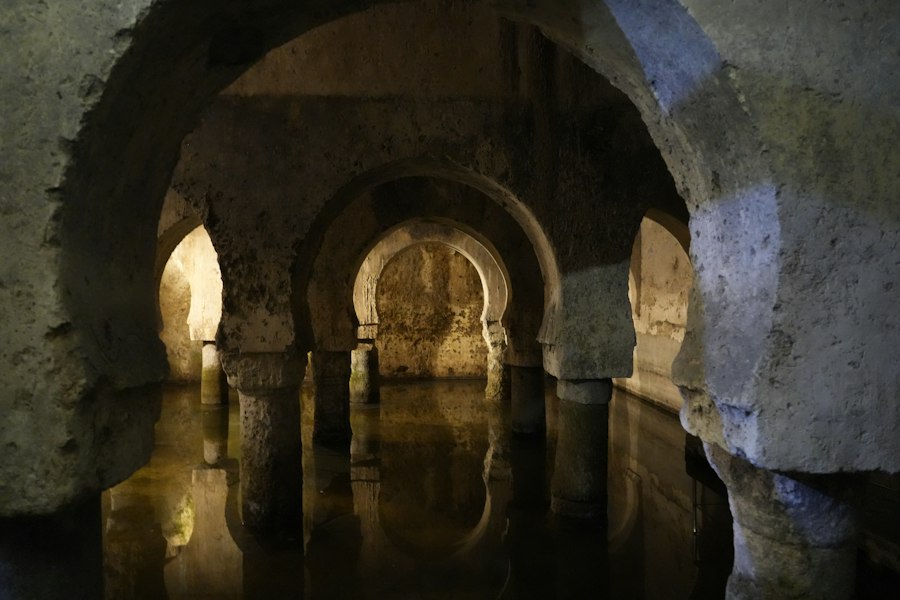
The construction of ancient water tunnels was a monumental undertaking, demanding a deep understanding of surveying, geology, and labor management. These were not simply holes dug at random; they were carefully planned and executed projects that often involved vast amounts of manual labor and impressive feats of organization. The success of these tunnels lay in their ability to channel water efficiently and without significant loss, a testament to the meticulous planning that went into their design and construction. The principles they employed, though lacking modern technology, were remarkably effective and continue to inspire engineers today.
Surveying the Unseen: Guiding the Flow
A critical element in the construction of any tunnel is maintaining the correct gradient to ensure water flows by gravity. Ancient surveyors, lacking sophisticated instruments like theodolites or laser levels, relied on keen observation and clever tools. They used water levels – essentially a U-shaped tube filled with water – to determine horizontal planes. For gradients, they employed plumb bobs and a keen eye for the subtle inclination of the ground. In some cases, they may have used astronomical observations to orient their projects. The ability to accurately predict and maintain the precise slope over long distances, often through challenging terrain, is one of the most astonishing aspects of their engineering prowess. Their understanding of how water would naturally seek its own level was fundamental to their success.
Excavation Techniques: From Pickaxe to Precision
The actual excavation of these tunnels was a backbreaking task. Primarily, it was done by hand, using simple tools like pickaxes, shovels, and chisels. The material removed would be hauled out in baskets or rudimentary carts. In softer soils, they might have used wooden supports to prevent collapse, while in solid rock, they would have relied on the inherent stability of the material, often aided by the natural fissures and weaknesses within the rock. Some tunnels were even bored from both ends, meeting in the middle, a testament to their surveying accuracy and the sheer determination of the workforce. The precision required to ensure the tunnel walls remained stable and the passage smooth enough for unimpeded water flow was extraordinary.
Exploring the fascinating world of ancient engineering, one can find remarkable examples of water management systems that have withstood the test of time. These ancient water tunnels, still flowing after centuries, showcase the ingenuity of past civilizations in harnessing natural resources. For a deeper understanding of these innovations, you can read more in this insightful article about ancient technology and the remarkable achievements of lost civilizations.
Material Science and Structural Integrity: Supporting the Earth
While many ancient water tunnels relied on the stability of the surrounding rock, some required reinforcement. Where the ground was unstable or the tunnel spanned a greater distance, builders incorporated structural elements. This could involve lining sections with carefully cut stone blocks, or in some cases, using carefully placed timber supports. The choice of materials and their placement were critical to preventing cave-ins and ensuring the long-term functionality of the tunnel. They understood, intuitively or through trial and error, the load-bearing capacities of different materials and how to best utilize them to create a durable structure beneath the ground.
Iconic Examples: Tunnels That Defy Time
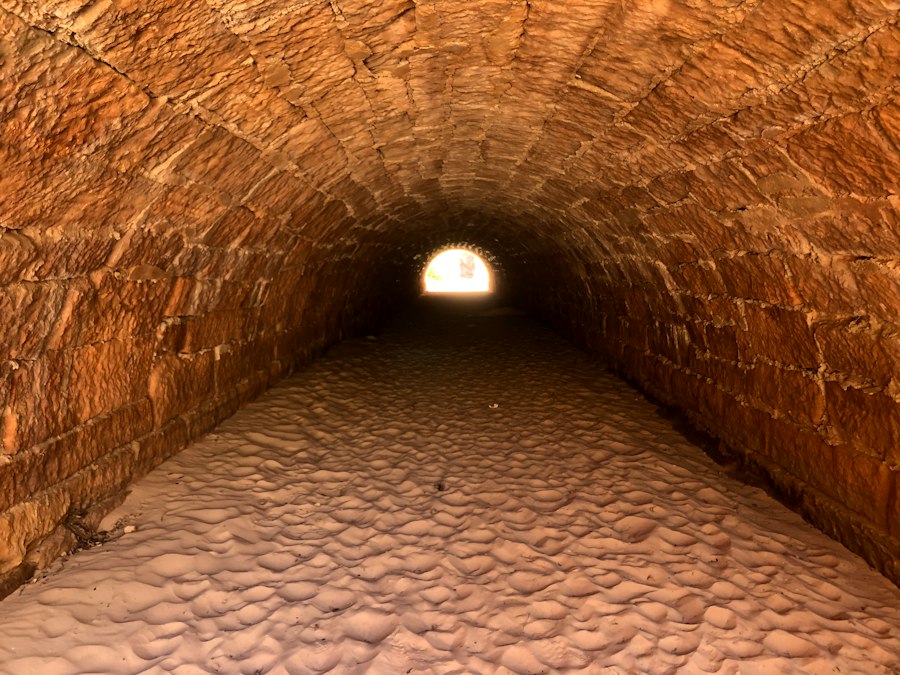
Across the globe, numerous ancient water tunnels stand as enduring testaments to human ingenuity. These marvels of engineering, often hidden from view, have continued to serve their communities for centuries, sometimes even millennia, demonstrating the remarkable durability of their construction and the foresight of their creators. Each of these examples offers a unique glimpse into the specific challenges and solutions developed by different cultures facing similar fundamental needs. Their continued operation is a powerful statement about the efficacy of their design and construction.
The Qanat System of Persia: A Desert Lifeline
Perhaps the most widespread and well-known example of ancient water tunnels are the qanats of Persia (modern-day Iran). These subterranean aqueducts consist of a series of vertical shafts connected by a gently sloping tunnel, tapping into underground water sources and bringing them to the surface for irrigation and domestic use. The Persians mastered the art of qanat construction, with some systems stretching for tens of kilometers. The ingenuity lies in the fact that the qanat only requires a slight downward slope, allowing water to flow by gravity without the need for pumps. The vertical shafts served not only to excavate the tunnel but also for ventilation, maintenance, and access. The development and maintenance of qanats were a communal effort, often managed by specialized guilds of “qanat diggers.”
Roman Aquaeducts: Above and Below Ground
While often celebrated for their impressive above-ground aqueduct systems, the Romans also employed extensive underground tunnel networks. These tunnels were crucial for traversing mountains, crossing valleys, or simply to protect the water from contamination. Roman engineering was characterized by its robust construction, often using concrete and stone masonry. The precision in their surveying and construction allowed for long, straight tunnels that efficiently carried water from distant springs to their cities. The sheer scale of Roman water management, encompassing both above and below-ground structures, underscores their commitment to providing a reliable and abundant water supply for their expanding empire.
The Minoan and Mycenaean Water Systems: Early Aegean Engineering
Even before the Greeks, the Bronze Age Minoan and Mycenaean civilizations on Crete and mainland Greece developed sophisticated water management systems. Archaeological evidence suggests the use of tunnels and covered channels to bring water from springs to their palaces and settlements. These early systems demonstrate a long-standing tradition of understanding and manipulating water resources in the Aegean region. The complexity of these systems, particularly for their time, indicates a well-developed understanding of hydraulics and construction techniques, laying the groundwork for later advancements in Greek and Roman engineering.
Japanese Chōsui-ro: Water Channels of Precision
In Japan, the “chōsui-ro” or water channels, particularly those found in ancient imperial gardens and religious sites, represent a sophisticated approach to managing water for aesthetic and practical purposes. These often involve intricate networks of underground tunnels and stone-lined conduits designed to control the flow of water for ornamental ponds, moats, and even to supply tea ceremonies. The Japanese excelled in precision stonework and the careful integration of water features into their landscapes, demonstrating a deep appreciation for the movement and sound of water, managed through these unseen conduits.
The Enduring Legacy: Modern Relevance and Inspiration
The ancient water tunnels are more than just historical relics; they represent a profound connection to our past and offer invaluable lessons for the future. Their continued functionality, often in regions facing water scarcity, highlights the sustainability and resilience of these ancient engineering solutions. As the world grapples with the challenges of climate change and increasing demand for water, the principles behind these ancient marvels are being re-examined and even emulated.
Sustainability Through Gravity: A Timeless Principle
The most striking aspect of these ancient water systems is their reliance on gravity. This fundamental principle of physics, harnessed by ancient engineers, eliminates the need for external energy sources like pumps. In an era where energy consumption and carbon emissions are major concerns, the “zero-energy” approach of qanats and other gravity-fed tunnels is incredibly relevant. Modern efforts to develop sustainable water infrastructure are increasingly looking to these ancient models for inspiration, seeking to replicate their efficiency and environmental friendliness. The passive nature of their operation makes them inherently resilient and low-maintenance.
Lessons in Water Management: Resilience and Community
The construction and maintenance of ancient water tunnels were often communal endeavors, fostering a strong sense of shared responsibility and resource stewardship. This collective approach to water management is a valuable lesson for modern societies. Furthermore, the longevity of these systems speaks to their resilience. They have weathered political upheaval, natural disasters, and centuries of use, demonstrating a robustness that is often lacking in contemporary infrastructure. Understanding how these communities ensured the equitable distribution and preservation of water resources can offer insights into building more resilient and equitable water systems today.
Modern Applications and Rediscovery
Inspired by these ancient systems, modern engineers and hydrologists are exploring ways to revive and adapt them. In many regions where qanats still function, efforts are underway to restore and protect them. Furthermore, the principles of gravity-fed tunnel construction are being applied in new contexts, particularly in areas where pumping water is prohibitively expensive or environmentally damaging. The study of these ancient technologies is not just an academic pursuit; it is a vital part of developing sustainable solutions for the water challenges of the 21st century. The ongoing rediscovery and re-application of these ancient engineering marvels underscore their profound and lasting significance.
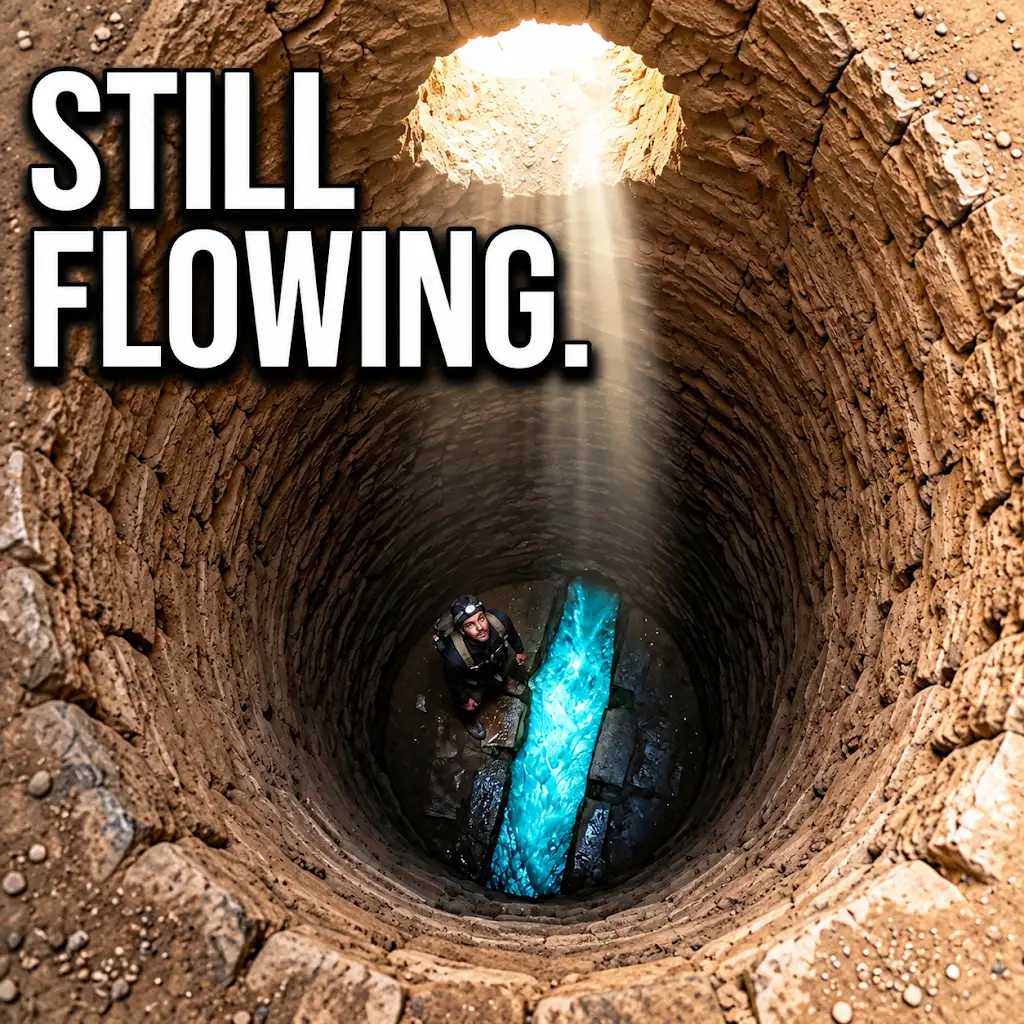
They Dug Water Tunnels Under the Desert… And They Still Flow
FAQs
1. How old are the ancient water tunnels that are still flowing?
The ancient water tunnels that are still flowing are believed to be thousands of years old, dating back to ancient civilizations.
2. Where are these ancient water tunnels located?
These ancient water tunnels are located in various regions around the world, including places like the Middle East, Europe, and South America.
3. How were these ancient water tunnels constructed?
These ancient water tunnels were typically constructed using advanced engineering techniques for their time, such as digging through solid rock or using aqueduct systems to transport water over long distances.
4. Why were these ancient water tunnels built?
These ancient water tunnels were built to provide a reliable water supply for ancient civilizations, enabling them to thrive and sustain their populations even in arid regions.
5. Are these ancient water tunnels still in use today?
Some of these ancient water tunnels are still in use today, providing water for modern communities and serving as a testament to the ingenuity of ancient engineering practices.