The scorching Iranian sun beats down relentlessly on the arid plains surrounding Yazd, a city steeped in history and resilience. For millennia, this desert metropolis has thrived not through conquest or trade alone, but through a marvel of ancient engineering: the qanat system. These subterranean aqueducts, a UNESCO World Heritage site, represent a profound understanding of hydrology and a testament to human ingenuity in the face of extreme environmental challenges. Exploring the qanat tunnels of Yazd is not merely a tourist excursion; it is a journey into the heart of Persian civilization, a tangible connection to the ingenuity that sustained life in one of the world’s most unforgiving landscapes.
The Lifeline of the Desert City
Yazd, nestled in the vast Dasht-e Kavir desert, would be uninhabitable without its qanat system. These intricate underground channels, some stretching for tens of kilometers, are the arteries that have pumped lifeblood into the city for over two thousand years. They are more than just water channels; they are an integral part of Yazd’s identity, shaping its architecture, its culture, and its very survival. The qanats tap into underground water sources, often at the foothills of distant mountains, and meticulously channel it towards the city and its surrounding agricultural lands. This sophisticated network allowed for the development of a thriving urban center and the cultivation of crops in an environment where surface water is virtually nonexistent. The construction and maintenance of these qanats were communal efforts, fostering a deep sense of shared responsibility and interdependence among the inhabitants of Yazd.
The Ingenuity of Underground Engineering
The construction of a qanat is a colossal undertaking, requiring meticulous planning, surveying, and labor. It begins with the identification of a suitable water source, typically an aquifer located at a higher elevation than the destination. Vertical access shafts, known as “chah-e kan” (well of the digger), are then dug at regular intervals. These shafts serve multiple purposes: they provide ventilation for the workers digging the horizontal tunnel, allow for the removal of excavated earth, and offer access for maintenance and repair. The horizontal tunnel, the “khat-e zireh” (underground line), is dug with an incredibly precise gradient, carefully calculated to ensure a steady, gravity-fed flow of water. This gradient is so subtle that it is often imperceptible to the naked eye, yet it is crucial for the qanat’s functionality. The entire process relied on a deep understanding of geology, hydraulics, and a remarkable ability to survey land without modern technology. The builders used simple tools like picks, shovels, and buckets, yet the precision of their work is astonishing.
Understanding the Mechanics of Flow
The brilliance of the qanat system lies in its passive operation. Once constructed, it requires no pumps or external power sources to function. The water flows naturally from the higher elevation source to the lower-lying city, driven solely by gravity. This inherent efficiency is what made the qanats so sustainable and enduring. The careful construction of the tunnel walls, often lined with waterproof materials like baked clay or bitumen, prevented leakage and minimized evaporation. The intermittent vertical shafts, strategically placed, allowed for the periodic release of air and ensured a consistent flow of water to the surface. At the destination, the water would emerge into surface reservoirs or “hawz” (pools), from which it could be distributed for drinking, sanitation, and irrigation. The ingenious design ensured that even in the driest months, a steady supply of water was available, transforming the desert into a fertile oasis.
The Yazd qanat tunnels, an impressive feat of ancient engineering, showcase the ingenuity of Persian civilization in managing water resources in arid environments. These underground channels not only highlight the importance of sustainable water management but also draw parallels to modern challenges faced in various regions around the world. For instance, the ongoing crisis in Sub-Saharan Africa emphasizes the urgent need for effective water management solutions, as detailed in a related article that discusses the pressing issues and potential actions required to address this humanitarian challenge. You can read more about it in the article here: Sub-Saharan Africa Crisis: The Urgent Need for Action.
Descending into the Depths: Experiencing a Qanat
To truly appreciate the qanats of Yazd, one must descend into their cool, dark embrace. Several qanats are accessible to visitors, offering a unique and immersive experience. These tours are more than just a walk through tunnels; they are a sensory journey that connects you to the past and the people who built and relied on these ancient water systems. The air within the qanat is a stark contrast to the oppressive heat above, cool and carrying a subtle dampness. The silence, broken only by the gentle murmur of flowing water, is profound, fostering a sense of introspection and awe.
The Architectural Marvels Within
As one ventures deeper, the sheer scale and precision of the qanat construction become evident. The walls of the tunnels are often smooth and remarkably consistent, a testament to the skill of the ancient builders. In some sections, you can still see the tool marks left by the excavators, a direct imprint of human effort from centuries past. The vertical shafts, rising like chimneys into the earth, create shafts of light that pierce the gloom, illuminating the subterranean world. These shafts also served as crucial points for ventilation, preventing the buildup of dangerous gases and ensuring the safety of the workers. The engineering is not just functional; there is a subtle aesthetic to the qanats, a raw beauty born from necessity and skill. The way the light plays on the damp stone, the echoing sounds of dripping water, and the sheer feeling of being deep within the earth contribute to a powerful and unforgettable experience.
The Human Element of Sustenance
The qanats are not just about water; they are about people. They represent a system of life, a commitment to community, and a deep understanding of the environment. Imagine the generations of men who toiled in these narrow passages, their lives dedicated to ensuring the survival of their city. The qanat system was a communal endeavor, with different families or villages often responsible for specific sections. This shared ownership and responsibility fostered a strong sense of social cohesion. The water was a precious commodity, and its distribution was carefully managed, often through elaborate systems of water rights and schedules. Understanding the human element transforms the qanat from a mere engineering feat into a profound story of human resilience and cooperation.
Preserving a Legacy: Modern Challenges and Conservation Efforts
The qanat system, despite its brilliance, faces numerous challenges in the modern era. Urban development, changes in land use, and the impacts of climate change are all threats to these ancient waterways. However, the enduring significance of the qanats has led to increasing efforts towards their preservation and even revitalization. Recognizing their historical and cultural importance, UNESCO has designated many of Yazd’s qanats as World Heritage sites, drawing attention to their value and encouraging their protection.
The Threats Posed by Modernization
The rapid pace of modern development often overlooks the intricate network of underground qanat systems. Construction projects, particularly those involving deep excavations, can inadvertently damage or disrupt the flow of water. Changes in agricultural practices, such as the increased reliance on modern irrigation methods, can also impact the demand for qanat water and, in some cases, lead to their abandonment. Furthermore, climate change, with its altered rainfall patterns and increased temperatures, can affect the water sources upon which the qanats depend, leading to reduced flow or even complete drying up of some systems. The sheer age of many qanats means that wear and tear are also a constant factor, requiring ongoing maintenance that can be difficult to fund and execute.
Initiatives for Safeguarding for the Future
Fortunately, there are dedicated individuals and organizations working to safeguard this invaluable heritage. Conservation efforts focus on meticulous repair and maintenance of the existing qanat structures, ensuring their continued functionality. Educational programs aim to raise awareness among local communities and visitors about the importance of the qanats and the need for their protection. Some innovative projects are exploring ways to integrate qanat water into modern urban planning, demonstrating that these ancient systems can still play a vital role in sustainable water management. The revival of traditional water management practices and the promotion of sustainable tourism are also key strategies in ensuring the long-term survival of the qanat legacy. These efforts not only preserve the physical structures but also the knowledge and cultural traditions associated with them.
Beyond Yazd: The Wider Qanat Network of Iran
The qanat system is not unique to Yazd. It is a testament to a broader tradition of water management that spans across the Iranian plateau and beyond. While Yazd boasts some of the most well-preserved and extensive qanat networks, similar systems can be found in many other desert regions of Iran, each with its own unique characteristics and history. These interconnected systems highlight a shared understanding of water scarcity and a collective ingenuity in overcoming it.
A Tradition Spanning the Plateau
From the ancient city of Kerman to the oases of the Khorasan province, the qanat tradition is deeply woven into the fabric of Iranian history and geography. Each region developed its own variations on the qanat theme, adapting to local geological conditions and water availability. The sheer number and extent of these qanats across Iran are astounding, a network of subterranean arteries that have sustained agriculture and settlements for millennia. These systems often formed the backbone of rural economies, enabling the cultivation of crops like dates, pomegranates, and grains, which in turn supported larger urban populations. The knowledge of qanat construction and maintenance was passed down through generations, becoming a highly specialized craft.
The Cultural Tapestry of Water Management
The qanats have profoundly influenced Iranian culture, art, and social structures. Water has always been considered a sacred element in Persian culture, and the qanats are a physical manifestation of this reverence. Stories, poetry, and proverbs often feature themes of water, its scarcity, and its life-giving properties. The complex systems of water rights and distribution also shaped social hierarchies and fostered a strong sense of community responsibility. The very landscape of Iran, with its terraced fields and arid plains dotted with villages, is a direct result of the qanat system. Exploring these wider networks reveals a shared legacy of human adaptation and a profound respect for the natural world.
The Yazd qanat tunnels, an impressive feat of ancient engineering, showcase the ingenuity of Persian civilization in water management. These underground aqueducts not only provided essential irrigation but also played a crucial role in the development of the region’s agriculture and economy. For a contemporary perspective on how strategic resource management can benefit modern economies, you might find it interesting to read about nearshoring strategies in this article on maximizing benefits for US companies. By understanding historical practices like those of the Yazd qanat tunnels, we can draw valuable lessons for today’s economic challenges. You can explore the article further here.
The Enduring Significance of Ancient Waterways
| Metric | Details |
|---|---|
| Location | Yazd Province, Iran |
| Type | Qanat (Underground Aqueduct) |
| Length | Varies; some qanats extend up to 70 km |
| Depth | Up to 100 meters in some sections |
| Number of Qanats | Several hundred historically, many still functional |
| Water Source | Mountain aquifers and underground water tables |
| Purpose | Irrigation, drinking water supply, and agriculture |
| Construction Era | Dates back over 2,500 years |
| UNESCO Status | Part of the Persian Qanat System, UNESCO World Heritage Site |
The qanat tunnels of Yazd are more than just ancient aqueducts; they are living monuments to human ingenuity, resilience, and a deep connection to the environment. They offer a powerful reminder that in the face of scarcity, human creativity can find elegant and sustainable solutions. The intricate engineering, the communal effort, and the profound cultural impact of the qanats make them a truly remarkable heritage.
A Lesson in Sustainability for the Modern World
In an era grappling with water scarcity and the impacts of climate change, the lessons learned from the qanat system are more relevant than ever. The qanats embody principles of passive design, resource efficiency, and community-based management – concepts that are central to modern sustainability efforts. They demonstrate that it is possible to thrive in arid environments through intelligent design and a deep understanding of natural processes. The qanats offer a tangible example of how ancient wisdom can provide valuable insights for addressing contemporary environmental challenges. Their enduring functionality serves as a powerful testament to the effectiveness of low-impact, gravity-fed water systems.
A Gateway to Understanding Persian Heritage
For visitors, exploring the qanat tunnels of Yazd is an unparalleled opportunity to connect with the heart of Persian heritage. It is a journey that transcends time, allowing one to walk in the footsteps of ancient engineers and to experience the tangible results of their labor. The qanats offer a unique perspective on the challenges and triumphs of life in a desert environment, revealing a civilization that not only survived but flourished through its remarkable adaptability and ingenuity. These subterranean marvels are an essential element in understanding the rich tapestry of Iranian culture and its enduring legacy. They are a testament to a civilization that learned to harness the earth’s hidden resources, creating a lasting testament to human determination and foresight.
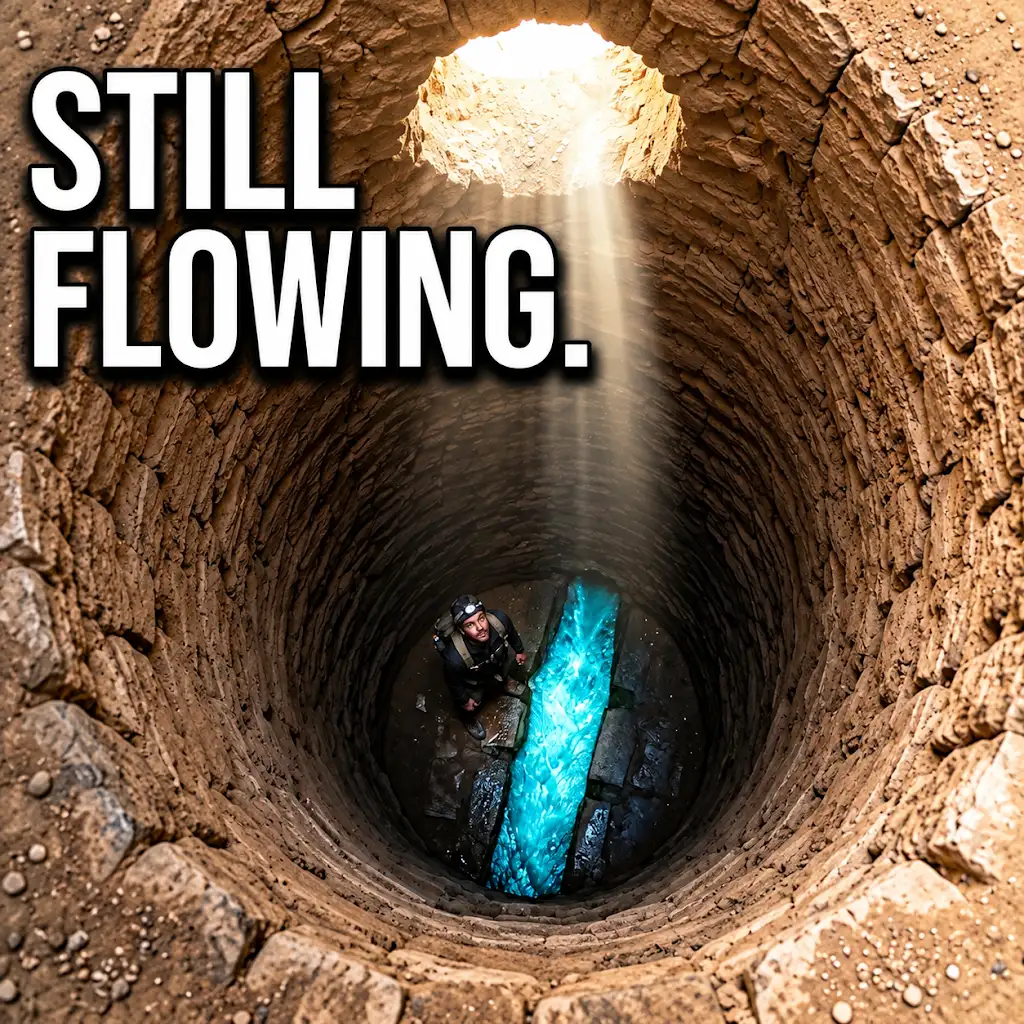
They Dug Water Tunnels Under the Desert… And They Still Flow
FAQs
What are qanat tunnels in Yazd?
Qanat tunnels in Yazd are a system of underground channels used to transport water from underground aquifers to the surface for irrigation and drinking purposes.
How old are the qanat tunnels in Yazd?
The qanat tunnels in Yazd are believed to date back over 2,500 years, making them ancient engineering marvels that have stood the test of time.
What is the significance of the qanat tunnels in Yazd?
The qanat tunnels in Yazd are crucial for sustaining agriculture and human settlements in the arid region by providing a reliable source of water for irrigation and daily use.
How were the qanat tunnels in Yazd constructed?
The qanat tunnels in Yazd were built using a combination of manual labor and engineering techniques, including digging wells, connecting tunnels, and using gravity to channel water to the surface.
Are the qanat tunnels in Yazd still in use today?
Yes, many of the qanat tunnels in Yazd are still in use today, serving as an important water source for agriculture and communities in the region.