
The ingenuity of ancient civilizations is often on full display when one examines their water management systems. Among the most remarkable of these are qanats, an elaborate network of underground aqueducts that have sustained communities for millennia, particularly in arid and semi-arid regions of the Middle East and North Africa. These sophisticated engineering marvels are not simply ditches; they represent a deep understanding of hydrology, geology, and human needs, allowing for the transport of water from natural sources to distant settlements without significant loss to evaporation. The construction and operation of qanats are a testament to the foresight and collaborative spirit of their creators, providing a sustainable solution for agriculture and domestic use in environments where surface water is scarce.
Unearthing the Origins of Qanats
The precise origin of qanat technology is a subject of ongoing debate among historians and archaeologists, but strong evidence points towards ancient Persia (modern-day Iran) as the likely birthplace. The word “qanat” itself is of Persian origin, derived from “qanāt,” meaning “channel” or “aqueduct.” It is believed that the development of qanats began as early as the 8th century BCE, possibly even earlier, during the Achaemenid Empire. These early systems were crucial for the agricultural development of vast, dry territories, enabling the cultivation of crops and the sustenance of growing populations.
The Cradle of Innovation: Ancient Persia’s Role
In regions like the Iranian plateau, where rainfall is unpredictable and rivers are few and far between, the necessity for innovative water management was paramount. Early Persians, observing the natural seepage of water from hillsides and mountains, likely conceived of a way to tap into these underground aquifers and guide the water to where it was needed. This would have involved extensive geological surveying and a deep understanding of how water moves through different soil and rock strata. The construction of the first qanats would have been a monumental undertaking, requiring considerable labor and coordination.
Diffusion and Adaptation Across Civilizations
From Persia, the qanat system spread. It traveled along ancient trade routes, influencing and being adopted by various cultures and empires. The Romans encountered and adapted qanat technology in North Africa and the Middle East, integrating it into their own vast infrastructure projects. Similarly, the Arabs, after their conquests, carried this knowledge further across North Africa, the Iberian Peninsula (where they are known as “qanats” or “acequias”), and eventually to parts of Central Asia and even China. Each civilization often added its own unique modifications and improvements, adapting the core principles to local geological conditions and available resources.
Qanats, an ancient irrigation system that transports water from aquifers to the surface, have played a crucial role in agriculture and water management in arid regions. To understand the historical context and the impact of such engineering marvels, you might find it interesting to read an article that discusses the deceptions of ancient rulers and their influence on water management practices. This article provides insight into how these rulers utilized systems like qanats to sustain their civilizations. For more information, you can check out the article here: Uncovering the Deceptions of Ancient Rulers.
The Intricate Engineering of a Qanat System
The construction of a qanat is a marvel of ancient engineering, involving a delicate balance of gravitational flow, precise gradients, and the careful avoidance of subterranean obstacles. It is a system designed to harness gravity alone, guiding water from a source, typically an aquifer located in higher elevations, to a lower-lying destination such as a village or agricultural fields. The entire process demands meticulous planning and execution, often spanning many years and requiring the labor of hundreds, if not thousands, of workers.
Tapping the Source: The Mother Well and Vertical Shafts
The starting point of any qanat is its water source. This is usually an aquifer found in the foothills or mountainous regions where there is greater precipitation and the water table is closer to the surface. The “mother well,” or “madre de agua,” is the initial, deepest vertical shaft dug down to intersect this aquifer. From the mother well, a series of progressively shallower vertical shafts, known as “access shafts” or “ventilation shafts,” are dug at regular intervals. These shafts serve multiple critical purposes.
Firstly, they provide access for construction crews to excavate the horizontal tunnel connecting them. This was a laborious process, with workers digging from both ends of each section and meeting in the middle. Secondly, these shafts allow for the removal of excavated soil and rock, which was hauled to the surface using buckets. Thirdly, and crucially, they provide ventilation for the workers laboring in the confined and potentially hazardous underground tunnel. Without these shafts, the air would quickly become unbreathable due to a lack of oxygen and the accumulation of toxic gases. The spacing of these shafts is determined by the depth of the horizontal tunnel; closer spacing is needed for deeper sections.
The Gentle Descent: The Underground Tunnel
The heart of the qanat system is the horizontal or slightly inclined tunnel that connects the mother well to the surface outlet. This tunnel, known as the “gallery” or “qanat tunnel,” is carefully excavated at a gradient precisely designed to allow water to flow by gravity without excessive speed. The gradient is typically very slight, often just a few centimeters per 100 meters. Too steep a gradient would cause erosion of the tunnel walls and excessive water velocity, while too shallow a gradient would result in slow or stagnant flow, negating the purpose of the qanat.
The dimensions of the tunnel vary depending on the expected water flow and the geology of the area. It is generally just large enough for a person to crawl or stoop through, facilitating maintenance and repair. The sides and roof of the tunnel are often lined with stones or rubble to prevent collapse, especially in areas with unstable soil or rock. The skill of the ancient engineers lay in their ability to maintain this precise gradient over long distances, often through challenging geological formations, requiring constant surveying and adjustment.
The Controlled Release: Surface Distribution and Usage
At its lowest point, the qanat tunnel emerges onto the surface, often near the settlement or agricultural lands it is intended to serve. This outlet is known as the “spring” or “exit.” The water that emerges is naturally filtered by the earth through which it has traveled, making it remarkably clean and pure. The flow is typically steady and continuous, providing a reliable water supply that is not subject to the seasonal fluctuations or evaporation losses of surface water sources.
The water is then channeled into a series of surface canals or reservoirs for distribution. In agricultural areas, this water irrigates fields, allowing for the cultivation of crops in arid regions that would otherwise be unproductive. In settlements, it supplies drinking water, baths, and other domestic needs. The controlled release of water was also important, often managed through sluice gates or by adjusting the height of the outlet to regulate the flow to different areas based on need.
The Science Behind the Gravity Flow
The remarkable efficiency of qanats lies in their adherence to fundamental principles of physics and hydraulics, harnessed through astute observation and practical application. The entire system operates on the power of gravity, a force that requires no external energy source once the initial gravitational potential energy of the water is established at its source. The genius of the qanat lies in its design to maintain and exploit this energy over considerable distances.
Understanding Hydrogeology and Aquifer Interception
The initial success of a qanat depends on a thorough understanding of hydrogeology. Ancient engineers needed to identify locations where underground aquifers were present and accessible. This often involved observing areas with natural springs, changes in vegetation indicating moisture, or seepages in hillsides. They would then carefully assess the geological formations to determine the likely depth and yield of the aquifer. The mother well is strategically positioned to intersect this underground water source, ensuring a constant supply. The selection of the mother well’s location is paramount, as it dictates the potential volume of water available and the overall feasibility of the project.
The Subtle Art of Gradient and Flow Control
The gradient of the qanat tunnel is perhaps the most critical engineering aspect. It must be sufficient to overcome friction and the resistance of the water flowing through the tunnel, yet shallow enough to prevent erosion and maintain a consistent, manageable flow. The ideal gradient is often determined through trial and error, observation of natural watercourses, and an intuitive grasp of how water behaves. The gradient is painstakingly maintained throughout the entire length of the tunnel. Even minor deviations could lead to the accumulation of sediment, blockage, or a loss of flow. The slow, steady flow minimizes evaporation within the tunnel and allows the water to arrive at its destination relatively cool.
Minimizing Evaporation and Contamination
One of the most significant advantages of qanat systems is their ability to drastically reduce water loss due to evaporation. By channeling water underground, it is shielded from the sun and wind, which would rapidly deplete surface water sources in arid climates. This preservation of water is what makes qanats so vital for long-term sustainability. Furthermore, the passage of water through the earth acts as a natural filtration system. Suspended particles and impurities are trapped by the soil and rock layers, resulting in clean, potable water at the outlet. This inherent purification process further enhances the value of the qanat as a reliable source of drinking and agricultural water.
The Societal Impact and Sustainability of Qanats
For centuries, qanats have been the lifeblood of communities in arid regions, shaping their development, economy, and social structures. Their success lies not only in their engineering brilliance but also in the collaborative effort required for their construction and maintenance, fostering a sense of shared responsibility and interdependence.
Sustaining Agriculture in Arid Landscapes
The most profound impact of qanats has been on agriculture. They have transformed seemingly infertile desert lands into productive agricultural oases, enabling the cultivation of a wide variety of crops. This has supported settled populations, reduced reliance on nomadic lifestyles driven by water scarcity, and fostered the growth of prosperous communities. The reliable water supply provided by qanats allows for consistent crop yields, contributing to food security and economic stability. The presence of a functioning qanat system often dictated the location and size of settlements, as they could only exist where this vital resource was available.
Fostering Community and Collaborative Maintenance
The construction and, more importantly, the maintenance of qanats are inherently communal undertakings. Building a qanat requires significant labor, often organized through community efforts or specialized guilds of qanat diggers (“karrid”). Once constructed, the ongoing upkeep is crucial. This involves regular inspection and repair of the tunnel sections, clearing of any sediment or blockages, and ensuring the integrity of the access shafts. This responsibility is typically shared among the users of the qanat, often codified in water-sharing agreements and traditional laws. This collaborative approach fosters strong social bonds and a sense of collective ownership and responsibility for this vital resource.
Enduring Legacy and Modern Relevance
Despite the advent of modern water technologies, many qanats continue to function today, a testament to their enduring design and the wisdom of their creators. In some regions, they are still the primary source of water, supporting traditional ways of life and agricultural practices. The knowledge and techniques associated with qanat construction are slowly being rediscovered and studied, offering valuable lessons for sustainable water management in contemporary arid and semi-arid regions facing increasing water stress. While modern infrastructure may supplement or replace some qanat functions, the principles of gravity-fed, underground water transport remain highly relevant, particularly in contexts where energy costs or environmental concerns make modern solutions less viable.
Qanats are an ancient irrigation system that effectively transports groundwater from aquifers to the surface, allowing for agricultural development in arid regions. This fascinating technology has been used for centuries, showcasing the ingenuity of early civilizations in managing water resources. For those interested in exploring the historical context and significance of such engineering marvels, a related article delves into the clues of pre-flood civilizations and their advanced techniques. You can read more about it in this insightful piece on unearthing pre-flood civilization clues.
Preserving the Past, Innovating for the Future
| Component | Description | Function | Typical Dimensions |
|---|---|---|---|
| Mother Well | Vertical shaft dug to reach the water table | Accesses underground water source | Diameter: 1-2 meters; Depth: varies by water table |
| Underground Tunnel | Sloping horizontal tunnel from mother well to surface outlet | Channels water by gravity flow | Width: 0.7-1.2 meters; Slope: 1:1000 to 1:1500 |
| Vertical Access Shafts | Series of vertical shafts along the tunnel | Provide ventilation, remove excavated material, and maintenance access | Diameter: 0.5-1 meter; Spacing: 20-35 meters apart |
| Outlet | Point where water emerges at the surface | Delivers water for irrigation and domestic use | Varies depending on terrain and usage |
| Water Flow Rate | Amount of water transported through qanat | Provides sustainable water supply | Typically 5-20 liters per second |
| Construction Time | Time required to build a qanat system | Depends on length and terrain | Several months to years |
The qanat system is more than just an ancient irrigation method; it is a cultural heritage and a symbol of human resilience and ingenuity. As the world grapples with climate change and increasing water scarcity, understanding and preserving these historical systems holds immense value. Efforts are underway in various countries to document, restore, and even revitalize traditional qanat networks, integrating them with modern water management strategies.
The Importance of Documentation and Research
Comprehensive documentation of existing qanat systems is a crucial first step in their preservation. This involves mapping their routes, recording their dimensions, noting the materials used in their construction, and understanding their historical and socio-economic context. Archaeological research plays a vital role in uncovering the full extent of these networks and deciphering the engineering techniques employed. Studying the hydrology of qanat-fed areas can also provide insights into groundwater management and the long-term sustainability of these systems. This research helps in understanding how these systems functioned optimally and what challenges they faced.
Restoration and Modern Integration of Qanat Systems
Restoration projects are essential for bringing neglected qanats back into active use. This can involve clearing debris, repairing collapsed sections, and ensuring the continued functionality of the mother well and outlet. In some cases, modern engineering techniques are being employed to supplement or enhance traditional qanat operations, such as improving the efficiency of water distribution or integrating them with modern pumping systems where necessary. The goal is often to harness the sustainable, gravity-driven flow of the qanat while leveraging modern technology for better management and equitable distribution. This integration can ensure their continued relevance in the face of evolving water needs.
Qanats as Models for Sustainable Water Management
The principles embodied by qanats – gravity flow, minimal evaporation, natural filtration, and community involvement – offer invaluable lessons for contemporary sustainable water management. In regions facing desertification and water scarcity, studying and adapting qanat technologies can provide low-cost, environmentally friendly solutions. Their ability to deliver water with minimal energy input and reliance on external power sources makes them particularly attractive in contexts where such resources are limited. Furthermore, the community-based maintenance models associated with qanats highlight the importance of local engagement and shared responsibility in ensuring the long-term success of water infrastructure. The qanat serves as a powerful reminder that ancient wisdom can hold the keys to modern challenges.
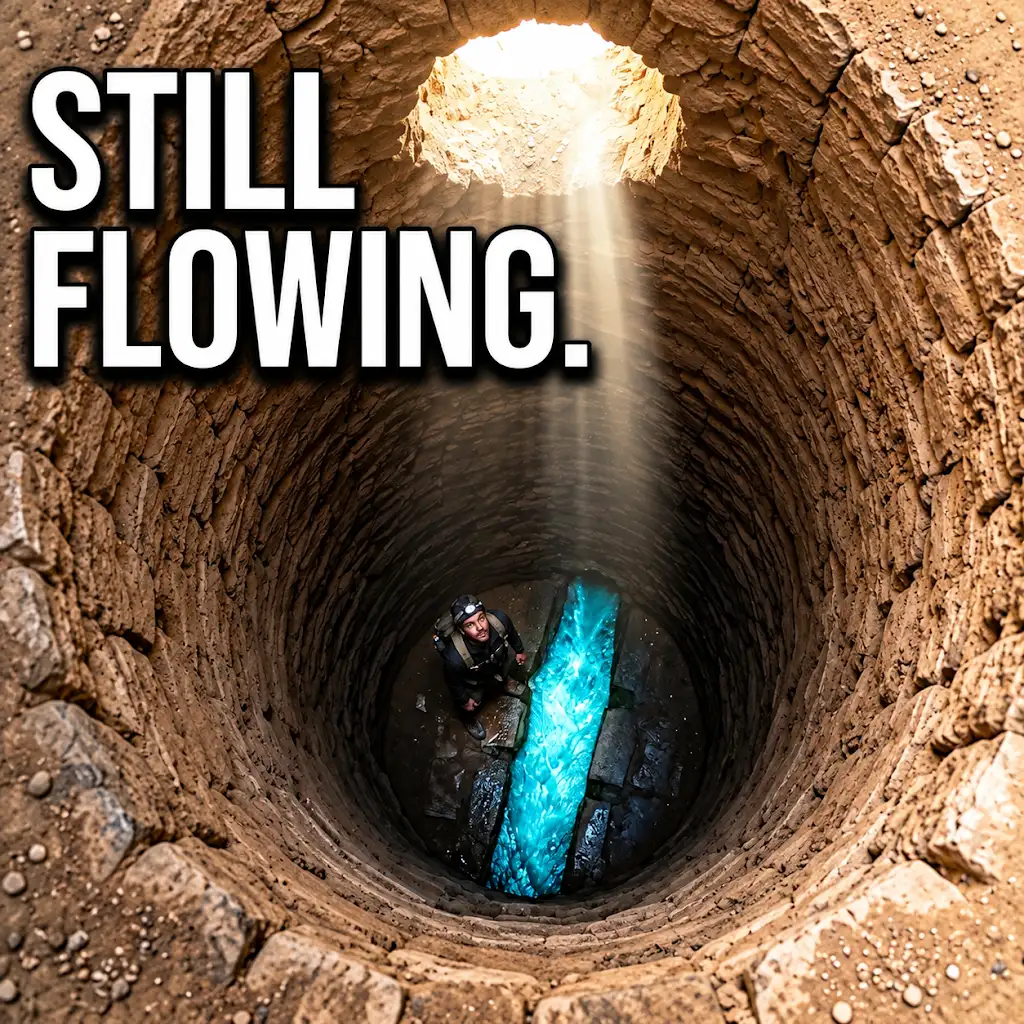
They Dug Water Tunnels Under the Desert… And They Still Flow
FAQs
What is a qanat?
A qanat is an underground water management system used to deliver water from an aquifer to the surface for irrigation and drinking purposes.
How do qanats work?
Qanats work by tapping into an underground water source, usually an aquifer, through a series of gently sloping tunnels. The tunnels channel the water downhill by gravity to a surface well, where it can be accessed for various uses.
Where are qanats commonly found?
Qanats are commonly found in arid and semi-arid regions of the world, such as Iran, North Africa, and parts of Central Asia. They have been used for centuries in these regions to provide a reliable source of water for agriculture and human consumption.
What are the advantages of using qanats for water management?
Some advantages of using qanats include efficient water delivery without the need for pumps, reduced evaporation losses compared to surface canals, and a more reliable water supply in arid regions where surface water sources may be scarce or unreliable.
How have qanats influenced the development of civilizations?
Qanats have played a significant role in the development of civilizations by enabling agriculture in arid regions, supporting urban growth, and facilitating trade and cultural exchange through the establishment of oases along qanat routes.