
The shadows of the past often hold the secrets to the triumphs of the present. In the realm of crime solving, the evolution of forensic science represents a profound narrative of ingenuity, persistence, and the relentless pursuit of truth. From rudimentary methods to sophisticated molecular analysis, historic breakthroughs in forensic science have not merely aided in apprehending criminals; they have fundamentally reshaped our understanding of justice and the very nature of evidence. This journey is a testament to human intellect, an unwavering commitment to deciphering the silent stories left behind at crime scenes, and the transformative power of scientific inquiry applied to the darker aspects of human behavior.
The Fingerprint Revolution: A Unique Identifier Emerges
For centuries, the identification of individuals relied on descriptions, witness testimony, and rudimentary methods. The advent of fingerprint analysis, however, marked a paradigm shift, introducing a scientific and objective means of identification that was both reliable and remarkably personal. This breakthrough, born from meticulous observation and tireless experimentation, offered law enforcement a potent new weapon against elusive outlaws.
Early Forerunners and the Birth of Classification
While the uniqueness of fingerprints was recognized by many individuals throughout history, it was during the 19th century that serious scientific investigation began. Sir William Herschel, a British civil servant in India, began taking fingerprints of locals in the 1850s, initially for contractual purposes. He observed that fingerprints remained unchanged throughout a person’s life, a critical insight that laid the groundwork for their use in identification. Independently, Henry Faulds, a Scottish surgeon working in Japan, also began studying fingerprints in the 1870s and advocated for their use in criminal investigations. He noted the persistence of ridge patterns and their potential for identification.
Galton’s Framework and the Dawn of a System
The true systematization of fingerprint analysis is largely attributed to Sir Francis Galton, a cousin of Charles Darwin. In the late 19th century, Galton undertook a comprehensive study of fingerprints, analyzing thousands of examples. He identified the three fundamental patterns – arches, loops, and whorls – and, crucially, described the minutiae points, also known as Galton’s details or ridge characteristics (e.g., ridge endings, bifurcations, dots). These specific points of comparison became the cornerstone of fingerprint matching. His seminal work, “Finger Prints,” published in 1892, provided a scientific basis for fingerprint identification and laid the foundation for its widespread adoption. Galton’s work demonstrated that fingerprints were not only unique but also remarkably stable, making them an invaluable tool for identifying individuals and linking them to crime scenes. This era witnessed the transition from anecdotal observations to a robust scientific discipline, offering an unprecedented level of certainty in identification. The impact of this breakthrough was profound, allowing for the identification of repeat offenders and the corroboration of alibis with a degree of accuracy previously unimaginable.
The Alphonse Bertillon System: A Precursor and a Counterpoint
Before the full integration of fingerprinting, another anthropometric system of identification, developed by Alphonse Bertillon, a French police officer, held sway. The Bertillon system, introduced in the late 19th century, relied on a series of precise physical measurements of the human body, such as head length, width, foot length, and forearm length. It was believed that these measurements, taken in combination, were sufficiently unique to identify individuals. While the Bertillon system was a significant step forward in systematic identification and was widely adopted, its limitations soon became apparent. It was prone to error, especially if measurements were taken inconsistently, and it struggled to differentiate between individuals with similar body types. The eventual triumph of fingerprinting over the Bertillon system underscored the inherent superiority of a method based on unique, unalterable biological markers. The decline of the Bertillon system, while initially a setback for anthropometry, ultimately paved the way for the more accurate and enduring legacy of fingerprint science, solidifying its place as a foundational element of modern forensic investigation.
Historical forensic science investigations have played a crucial role in uncovering the truths behind notorious outlaws and their activities throughout history. One fascinating aspect of this field is how it intersects with archaeology and ancient texts, as seen in the article “Unearthing Ancient Drought: Biblical Evidence” which explores the historical context of droughts mentioned in biblical times and their implications on societal behavior. For those interested in the intersection of history, science, and crime, this article provides valuable insights into how environmental factors can influence human actions, including those of outlaws. You can read more about it here: Unearthing Ancient Drought: Biblical Evidence.
The Power of the Microscope: Revealing the Unseen Clues
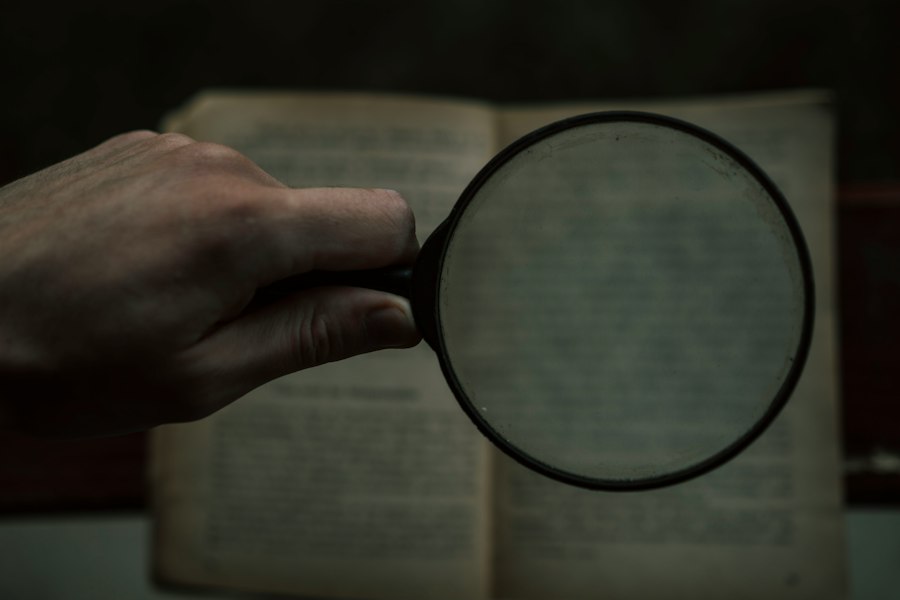
The microscope, a seemingly simple instrument, has been instrumental in unlocking microscopic evidence that often escapes the naked eye. Its ability to magnify the minute has transformed the examination of trace evidence, allowing investigators to connect perpetrators to crimes through the smallest of details.
Early Microscopic Analysis of Hair and Fibers
The application of microscopy in forensic investigations began to gain traction in the late 19th and early 20th centuries. Early forensic scientists recognized that hairs and fibers, often shed inadvertently at a crime scene or on a victim, could carry vital information. Microscopic examination allowed for the differentiation of animal and human hair, the determination of hair color, diameter, and the presence of artificial treatments like dyes. Similarly, the microscopic analysis of textile fibers could reveal their composition, color, and manufacturing characteristics, enabling investigators to potentially link a suspect’s clothing to a victim’s clothing or to a crime scene. This was particularly crucial in cases where direct eyewitness testimony was absent, providing silent witnesses to the interactions that occurred.
The Magnifying Glass of Ballistics: Bullet and Gun Analysis
The microscope also became indispensable in the field of ballistics. When a firearm is discharged, microscopic imperfections on the barrel of the gun are transferred to the bullet and the cartridge casing. These imperfections, often referred to as striations and markings, are unique to each firearm. The comparison microscope, which allows two separate images to be viewed side-by-side, became a critical tool for forensic ballisticians. By examining the microscopic markings on a bullet recovered from a crime scene and comparing them to test-fired bullets from a suspect’s weapon, investigators could determine with a high degree of certainty whether the same firearm was used. This breakthrough revolutionized the investigation of firearms offenses, moving beyond mere caliber matching to a precise, individualized comparison. The ability to definitively link a bullet to a specific gun provided irrefutable evidence, crucial for securing convictions and preventing wrongful accusations.
Blood Spatter and Serology: Unraveling the Dynamics of Violence
While not solely reliant on microscopy, the early development of serology and the analysis of bloodstain patterns also benefited significantly from microscopic observation. Serology, the study of blood and other bodily fluids, allowed for the identification of blood types, a crucial step in excluding or implicating suspects in the early days of forensic science. While DNA analysis has since surpassed blood typing in specificity, blood typing was a significant early breakthrough that provided a tangible link between individuals and biological evidence. Furthermore, the microscopic examination of bloodstains could reveal details about the nature of the event that produced them. The shape, size, and distribution of blood spatter could provide insights into the force of impact, the direction of travel, and the sequence of events, offering a narrative of the crime that words alone could not convey. This early understanding of blood dynamics, even without sophisticated computer modeling, was a vital step in reconstructing crime scenes.
The Dawn of Chemical Forensics: Unmasking Poisons and Explosives
The application of chemistry to forensic investigations opened up new avenues for identifying and analyzing substances that played a critical role in criminal acts, particularly poisonings and the use of explosives. This scientific discipline provided the means to detect and quantify these often invisible agents of destruction.
Identifying Toxins: The Legacy of Marsh and Orfila
The 19th century witnessed significant advancements in toxicology, the study of poisons. The development of sensitive chemical tests allowed for the detection of even minute amounts of toxic substances in biological samples. One of the earliest and most impactful breakthroughs was the Marsh test, developed by James Marsh in the 1830s for the detection of arsenic. This test, which involved reacting suspected arsenic compounds with sulfuric acid and zinc, produced a characteristic deposit of arsenic that could be visually identified. Another pivotal figure was Mathieu Orfila, a Spanish-born French chemist, often referred to as the “father of toxicology.” His comprehensive treatises on poisons, particularly “Traité des poisons,” published in 1814, systematically classified poisons, described their effects, and detailed methods for their detection in post-mortem examinations. These early toxicological advancements were instrumental in solving numerous poisoning cases, which were notoriously difficult to prove without scientific evidence. The ability to scientifically identify poisons provided irrefutable proof of foul play, transforming the investigation of suspected murders.
Unraveling Explosives: The Chemistry of Destruction
The use of explosives in criminal activities presented a new set of challenges for investigators. The chemical analysis of explosive residues became crucial for identifying the type of explosive used, potentially linking it to a suspect or source. Early forensic chemists worked to develop methods for detecting and identifying nitrates, fulminates, and other common explosive components. Analyzing the fragmentation patterns of exploded devices and identifying chemical traces left behind allowed investigators to reconstruct the event and understand the perpetrator’s methodology. This early chemical analysis of explosives was vital in terrorism investigations and cases involving deliberate destruction, providing critical evidence for prosecution and preventing future attacks by understanding the methods employed. The development of these chemical techniques marked a significant evolution in forensic science, enabling the investigation of a wider range of criminal activities.
Chromatography and Spectroscopy: Enhancing Sensitivity and Specificity
As chemical forensic techniques evolved, more sophisticated analytical methods emerged. The development of chromatography, a technique used to separate and analyze compounds, and spectroscopy, which studies the interaction of matter with electromagnetic radiation, revolutionized the sensitivity and specificity of chemical analysis. Chromatography, in its various forms (e.g., gas chromatography, liquid chromatography), allowed for the separation and identification of complex mixtures of chemicals, including drugs, accelerants in arson cases, and trace amounts of explosives. Spectroscopy, particularly techniques like infrared and mass spectrometry, provided highly specific identification of substances by analyzing their unique spectral fingerprints. These advancements enabled forensic chemists to identify a wider array of substances with greater accuracy and at much lower concentrations, further empowering investigators to uncover hidden clues and build stronger cases.
The Dawn of DNA Analysis: The Ultimate Identifier
The discovery of the structure of DNA and the subsequent development of techniques to analyze it represent the most profound breakthrough in the history of forensic science. DNA profiling has revolutionized crime solving, providing an unparalleled level of certainty in identifying individuals and linking them to crime scenes.
The Unlocking of the Genetic Code: Early Discoveries
The journey to DNA profiling began with the discovery of DNA’s double helix structure by James Watson and Francis Crick in 1953, building upon the work of Rosalind Franklin and Maurice Wilkins. However, it was not until the 1980s that the concept of using DNA for individual identification began to take shape. Sir Alec Jeffreys, a British geneticist, made the groundbreaking discovery of “DNA fingerprinting” in 1984. He observed that certain regions of human DNA, known as variable number tandem repeats (VNTRs), were highly variable between individuals. By analyzing the patterns of these VNTRs, he developed a method to create a unique genetic profile for each person. This discovery, initially intended for paternity testing and immigration cases, quickly demonstrated its immense potential for forensic applications.
PCR and STRs: Revolutionizing Sensitivity and Speed
While Jeffreys’ VNTR analysis was a monumental achievement, it required relatively large amounts of DNA. The development of the Polymerase Chain Reaction (PCR) in the late 1980s by Kary Mullis was a transformative step. PCR allows scientists to amplify even minute quantities of DNA, making it possible to generate profiles from degraded or limited samples. The subsequent shift from VNTR analysis to Short Tandem Repeats (STRs) further enhanced the power and efficiency of DNA profiling. STRs are shorter DNA sequences than VNTRs, making them more amenable to amplification by PCR and more stable in degraded samples. The use of a standardized set of STR loci, coupled with PCR, became the foundation of modern DNA profiling, enabling the generation of highly discriminatory genetic profiles from crime scenes, even from trace evidence like saliva, semen, hair follicles, and skin cells.
The Impact on Justice: Solving Cold Cases and Exonerating the Innocent
The widespread adoption of DNA analysis has had an immeasurable impact on the criminal justice system. It has been instrumental in solving a vast number of “cold cases” – crimes that had remained unsolved for years or even decades due to a lack of identifying evidence. DNA evidence can definitively link a suspect to a crime scene, even when traditional forms of evidence are scarce or inconclusive. Conversely, DNA analysis has also played a crucial role in exonerating individuals who were wrongfully convicted. By re-examining old evidence using modern DNA techniques, many innocent people have been cleared of charges, highlighting the fallibility of previous investigative methods and the unparalleled accuracy of DNA profiling. The creation of national DNA databases has further streamlined the process, allowing for rapid comparisons and the identification of matches that might have otherwise gone undiscovered, thus strengthening the pursuit of justice and ensuring that outlaws are brought to account based on the most robust scientific evidence.
Historical forensic science investigations have played a crucial role in solving crimes committed by outlaws throughout history, shedding light on the methods used to bring these individuals to justice. For those interested in the intersection of science and history, a fascinating article discusses the implications of securing long-term human presence on the moon, which can provide insights into how forensic techniques might evolve in future explorations. You can read more about this intriguing topic in the article here.
Beyond the Lab: The Evolving Landscape of Forensic Tools
| Investigation | Outlaw(s) Involved | Year | Forensic Technique Used | Outcome |
|---|---|---|---|---|
| Jack the Ripper Case | Unknown | 1888 | Blood analysis, Crime scene examination | Unsolved |
| Al Capone Tax Evasion | Al Capone | 1931 | Forensic accounting, Handwriting analysis | Convicted and Imprisoned |
| Bruno Hauptmann and the Lindbergh Kidnapping | Bruno Hauptmann | 1932 | Handwriting analysis, Wood forensics | Convicted and Executed |
| Bonnie and Clyde Shootout | Bonnie Parker and Clyde Barrow | 1934 | Ballistics, Crime scene reconstruction | Killed in shootout |
| John Wayne Gacy Serial Murders | John Wayne Gacy | 1978 | Forensic anthropology, DNA analysis | Convicted and Executed |
The history of forensic science is not solely about groundbreaking discoveries within the laboratory; it is also about the innovative application of existing technologies and the continuous development of new tools that enhance investigative capabilities.
The Rise of Digital Forensics: Investigating the Cyber Realm
As society became increasingly digitized, so too did the nature of crime. The emergence of digital forensics, a branch of forensic science focused on extracting and analyzing data from digital devices, became essential. This field evolved from basic file recovery to complex analysis of computer systems, mobile phones, and networks. Early breakthroughs involved the development of tools to recover deleted files, track internet activity, and reconstruct digital timelines. The ability to uncover digital footprints left by criminals – emails, text messages, browsing history, GPS data – provided a new and powerful source of evidence. This discipline has become critical in investigating cybercrime, fraud, and even traditional crimes where digital devices may hold crucial clues, extending the reach of forensic science into the vast and intricate digital world.
Impression Evidence: Footprints, Tire Tracks, and Bite Marks
Impression evidence, such as footprints, tire tracks, and bite marks, has long been a valuable component of criminal investigations. While the initial analysis was often qualitative, advancements in imaging techniques and measurement technologies have elevated the scientific rigor of this field. Sophisticated photography, electrostatic lifting devices for dust prints, and 3D scanning have allowed for more precise comparison and analysis of impressions. The examination of the unique wear patterns on shoe soles or tire treads, and the intricate details of dental impressions, can provide direct links between a suspect and a crime scene. Forensicodontology, the application of dental knowledge to legal matters, has been particularly successful in identifying victims and perpetrators through unique dental characteristics, even in cases of severe decomposition or dismemberment.
Forensic Anthropology and Odontology: Identifying the Unidentified
In cases involving decomposed or skeletal remains, forensic anthropology and odontology play a critical role in identifying victims and providing information about the circumstances of death. Forensic anthropologists, utilizing their knowledge of skeletal anatomy and decomposition processes, can estimate age, sex, stature, and ancestry from skeletal remains. They can also identify signs of trauma or disease that may have contributed to death. Forensicodontologists specialize in the identification of human remains through dental records. The unique characteristics of a person’s teeth, fillings, and dental work can be compared to ante-mortem dental records to establish a positive identification. These disciplines have been invaluable in mass disaster investigations, historical re-examinations, and cases where conventional identification methods are impossible, offering a voice to those who can no longer speak for themselves.
The history of forensic science is a dynamic and ongoing narrative of innovation and discovery. Each breakthrough, from the unique patterns of a fingerprint to the intricate code of DNA, has not only served to bring outlaws to justice but has also profoundly deepened our understanding of evidence and the pursuit of truth. The relentless evolution of these scientific disciplines ensures that the shadows of the past will continue to be illuminated, providing clarity and certainty in the pursuit of justice for generations to come.

The Jesse James DNA Myth: Why Are There 3 Graves?
FAQs
What is forensic science?
Forensic science is the application of scientific principles and techniques to solve crimes. It involves collecting, preserving, and analyzing evidence from crime scenes to help investigators understand what happened and identify the responsible parties.
How does historical forensic science help in investigating outlaws?
Historical forensic science uses modern scientific methods to re-examine evidence from past crimes involving outlaws. By applying new technologies and techniques, investigators can potentially uncover new information, solve cold cases, and gain a better understanding of historical events.
What types of evidence are commonly analyzed in historical forensic science investigations of outlaws?
Common types of evidence analyzed in historical forensic science investigations of outlaws include DNA, fingerprints, ballistics, toxicology reports, and trace evidence such as hair, fibers, and soil. Additionally, historical documents, photographs, and eyewitness accounts may also be examined.
How do historical forensic science investigations of outlaws differ from modern cases?
Historical forensic science investigations of outlaws often face challenges such as degraded or limited evidence, lack of modern technology used in the original investigations, and the need to interpret historical context. However, advancements in forensic science can help overcome these obstacles and provide new insights into past crimes.
What are some famous historical forensic science investigations involving outlaws?
Some famous historical forensic science investigations involving outlaws include the examination of evidence related to famous criminals like Jesse James, Billy the Kid, and Al Capone. These investigations have shed new light on their criminal activities and provided valuable insights into their lives and actions.