
The echoes of gunshots and the dust of forgotten trails may have long since settled, but the mysteries they left behind can still be unsettling. In the annals of the American West, tales of daring outlaws and swift justice, or sometimes the lack thereof, are plentiful. Yet, beyond the romanticized narratives of shootouts and train robberies, lies a more tangible, and often more elusive, reality: the evidence. While the Wild West lacked the sophisticated crime-solving tools of today, a burgeoning understanding of forensic science, even in its nascent stages, played a crucial role in bringing some of these historical wrongdoers to account, or at least in shedding light on their actions. This article delves into the fascinating intersection of forensic science and the unraveling of old crimes from the Wild West era, exploring how rudimentary scientific principles were applied, the challenges faced, and the enduring impact of this early application of scientific inquiry to the pursuit of justice in a lawless land.
The Scarcity of Forensics in a Frontier World
The concept of forensic science as we know it today, with its intricate laboratories and specialized disciplines, was virtually nonexistent during the peak of the Wild West. The prevailing methods of investigation were largely based on eyewitness testimony, confession, and circumstantial evidence. The legal system itself was often a rough-and-tumble affair, with rapid trials and swift, sometimes brutal, punishments. Yet, even within this seemingly primitive landscape, there were individuals and situations where rudimentary scientific observations proved invaluable.
The Limitations of Early Investigation
Law enforcement in the Wild West was a disparate and often under-resourced endeavor. Sheriffs and marshals, while often brave and determined, lacked formal training in evidence collection and preservation. Investigations were typically conducted by individuals with a practical, rather than scientific, understanding of the world. This meant that physical evidence, if recognized at all, was often handled carelessly, contaminating it or rendering it useless for later analysis. Fingerprinting, for instance, was a technique still in its infancy, and its application in criminal investigations was years away from widespread adoption. Ballistics, the study of projectiles, was also a largely unexplored field. The ability to definitively link a bullet to a specific firearm was a distant dream. Furthermore, the transient nature of frontier life meant that witnesses could disappear, and crime scenes could be easily disturbed by the elements or by individuals seeking to conceal evidence. The vastness of the territory also presented significant challenges in terms of communication and the transportation of evidence, further complicating any attempt at rigorous scientific examination.
Early Seeds of Scientific Inquiry
Despite these limitations, a few scattered examples demonstrate an intuitive grasp of scientific principles. Bloodstain analysis, while not the detailed pattern analysis of today, was sometimes used. The presence of blood at a scene, or on a suspect’s clothing, could be a significant indicator of involvement in violence. Likewise, the examination of wounds and the types of projectiles recovered from victims could offer clues, albeit rudimentary ones, about the nature of the weapon used. The study of poisons, though not widely applied in criminal cases during this period, was a developing scientific discipline, and its principles might have been known to some physicians and apothecaries who could have been consulted in cases of suspected poisoning. The understanding of decomposition and the estimation of time of death, though imprecise, were also based on observable biological processes. While these were not formalized forensic techniques, they represented early attempts to apply observation and logic to understand the physical evidence left behind by criminal acts.
Forensic science has played a crucial role in unraveling the mysteries surrounding Wild West outlaws, providing insights into their criminal activities and the law enforcement efforts to bring them to justice. An intriguing article that delves into the intersection of history and technology is available at Uncovering Ancient Tech: Lost Civilizations & Innovations, which explores how advancements in forensic techniques can shed light on historical events, including those involving notorious figures from the Wild West era.
Tracing the Bullet: Ballistics and the Frontier Gunfight
Firearms were the ubiquitous tools of the Wild West, and the bullets they discharged were often the instruments of crime and conflict. While the sophisticated ballistics analysis of today was far off, the simple act of recovering a bullet and examining it for unique markings could sometimes provide crucial, albeit circumstantial, evidence.
The Challenge of Firearm Identification
The challenge in the Wild West was not just identifying the type of firearm used, but linking it definitively to a specific weapon. In a time when firearms were mass-produced and interchangeable parts were becoming more common, distinguishing one revolver from another of the same make and model was difficult without advanced tooling and knowledge. Marks left on a bullet, such as those from the rifling inside a barrel, could be identified as belonging to a certain type of gun, but attributing them to a singular weapon was often impossible. The absence of detailed records of firearm manufacturing and the lack of standardized ballistic databases meant that even if a unique characteristic was observed, there was no established baseline for comparison. Furthermore, the rapid wear and tear on firearms in the harsh frontier environment could alter the markings, making precise identification even more problematic. This often left investigators relying on less scientific methods, such as matching a bullet to a gun found in the possession of a suspect based on caliber and perceived fit.
Improvised Ballistic Clues
Despite these hurdles, some investigators and individuals with practical knowledge of firearms could glean useful information. The caliber of a bullet, for instance, was a key piece of information that could narrow down the possibilities of the weapon used. Recovering bullets from a crime scene or a victim and comparing them visually or by simple measurement to the ammunition carried by suspects was a common, if not scientifically rigorous, practice. In cases where a specific firearm was recovered in connection with a crime, a skilled gunsmith or an experienced lawman might be able to make a tentative assessment about whether bullets found at the scene could have been fired from that weapon, based on observable damage or wear. These were often based on intuition and experience rather than established scientific methodology, but they represented early attempts to use the physical characteristics of projectiles to inform investigations. For example, the presence of unusual markings on a bullet, perhaps due to a damaged barrel or a faulty manufacturing process in the firearm, could, in rare instances, be a distinguishing feature if that specific firearm was later found.
Fingerprints and Imprints: The Dawn of Identification
The concept of using fingerprints for identification was a groundbreaking development in forensic science, and while its widespread adoption in the Wild West was limited, the seeds of this idea were being sown. The ability to leave a unique, indelible mark offered a powerful new tool for linking individuals to places and objects.
Early Recognition of Fingerprint Uniqueness
The understanding that no two individuals possess identical fingerprints dates back to the 19th century. However, the systematic application of this knowledge to criminal investigations was a slow process. In the Wild West, the ability to lift and preserve fingerprints was largely absent. Surfaces were often rough and porous, making it difficult to obtain clear impressions. Moreover, the chemical processes required to enhance and visualize latent fingerprints were not yet widely available or understood by frontier lawmen. The concept of a fingerprint database, essential for matching a recovered print to a known offender, was still a distant aspiration. Consequently, while some individuals might have unknowingly left their fingerprints at a crime scene, the means to detect and utilize this evidence were generally not in place.
Beyond Fingerprints: Other Trace Evidence
While fingerprints were a nascent technology, other forms of trace evidence were, in a less scientific manner, sometimes considered. The impression of a boot print in the mud, the mark left by a wagon wheel, or even the fibers of a torn piece of fabric could offer clues. These were often interpreted by experienced investigators based on their knowledge of the terrain, local footwear, and common materials. A distinctive boot sole pattern, if recognized, could be used to place a suspect at a scene. Similarly, the type of mud or soil found on a suspect’s clothing or boots could be compared to the soil at a crime scene, offering a basic form of environmental profiling. While these were not the meticulous microscopic analyses of today, they represented a fundamental understanding of the principle that a perpetrator often leaves behind physical traces of their presence. The sheer rarity of certain types of footwear or wagon wheels in a specific area could make such an observation highly significant, even without sophisticated forensic analysis.
Forensic Anthropology and the Silent Witnesses of the Ground
The human remains found in the vast expanse of the West often held the keys to unsolved mysteries. Forensic anthropology, though not a recognized discipline in its modern form, played a role through the observations of physicians and coroners who examined the deceased.
Unearthing Clues from Skeletal Remains
In cases where bodies were discovered, particularly those that had been buried or exposed for extended periods, the examination of skeletal remains could provide crucial information. Forensic anthropologists specialize in the examination of human skeletal remains to determine identity, cause of death, and manner of death. While this specialization was not formalized in the Wild West, physicians and coroners often had to make these determinations based on their medical knowledge. They might observe the presence of trauma that indicated a violent death, such as bullet wounds or fractures consistent with blows. The condition of the bones could also offer clues about the age and sex of the individual, as well as the approximate time since death, based on the degree of decomposition and weathering of the remains. The location where remains were found could also be significant, suggesting an attempt to conceal a body or indicating a struggle.
Challenges in Identification and Recovery
The primary challenge in dealing with human remains in the Wild West was identification. Without dental records, DNA analysis, or detailed personal descriptions, it was often difficult to determine who the deceased was. Many individuals in the West lived transient lives, and their disappearance might go unnoticed for a considerable time, if at all. The elements also played a significant role in the decomposition and scattering of remains, making recovery and analysis extremely difficult. Furthermore, the remote locations where bodies were sometimes found meant that the remains might be scavenged by animals or further disturbed by natural processes before they could be examined by authorities. Despite these challenges, careful observation of the skeletal structure and any associated personal effects could sometimes lead to a tentative identification, offering a starting point for further investigation into the circumstances surrounding the death.
Forensic science has played a crucial role in unraveling the mysteries surrounding Wild West outlaws, shedding light on crimes that once seemed unsolvable. The techniques developed in forensic investigations have evolved significantly since those tumultuous times, allowing modern law enforcement to piece together evidence from the past. An insightful article discusses how government authorities can seize assets related to criminal activities, which can be linked to the historical context of outlaw behavior and the legal ramifications that followed. To learn more about this intriguing intersection of law and crime, you can read the article here: what you need to know.
The Long Reach of Justice: Modern Science Re-examines the Past
| Outlaw Name | Era | Known Crimes | Forensic Evidence Used | Outcome |
|---|---|---|---|---|
| Jesse James | 1866-1882 | Bank Robbery, Train Robbery, Murder | Ballistics analysis of bullet wounds | Killed by Robert Ford in 1882 |
| Butch Cassidy | 1890s-1908 | Train Robbery, Bank Robbery | Fingerprint analysis on stolen goods | Presumed killed in Bolivia, 1908 |
| The Sundance Kid | 1890s-1908 | Robbery, Murder | Ballistics and eyewitness testimony | Presumed killed with Butch Cassidy, 1908 |
| Belle Starr | 1860s-1889 | Horse Theft, Bootlegging | Trace evidence from stolen horses | Murdered in 1889, case unsolved |
| Wild Bill Hickok | 1860s-1876 | Gunslinger, Lawman, Murder Victim | Ballistics and eyewitness accounts | Killed in Deadwood, 1876 |
The passage of time, far from erasing the crimes of the Wild West, has, in many cases, provided an opportunity for modern forensic science to illuminate what was once shrouded in mystery and conjecture. Advances in technology have allowed investigators to revisit old evidence with a precision unimaginable to their predecessors.
DNA Analysis and Cold Cases
One of the most transformative tools in modern forensics is DNA analysis. The ability to extract and analyze DNA from even minute biological samples – such as hair, blood, or bone fragments – has revolutionized the investigation of historical crimes. In the context of the Wild West, this technology offers the potential to identify unknown victims, link suspects to crimes with a high degree of certainty, and even exonerate individuals who may have been wrongly accused based on flawed or circumstantial evidence of their time. Many cold cases from the frontier era, once deemed unsolvable, are now being reopened, with scientists meticulously re-examining preserved evidence, such as bullets recovered from victims or clothing fragments found at crime scenes, in search of biological material that can yield a DNA profile. This has led to the potential for definitive identification of individuals whose fates were once unknown and for the resolution of long-standing mysteries that have persisted for over a century.
Digital Forensics and Archival Evidence
While not directly applicable to the physical crime scenes of the Wild West, the principles of digital forensics can be applied to the preservation and analysis of historical documents and records. Photographs, letters, diaries, and official reports from the era, once digitized and analyzed using specialized software, can reveal hidden patterns, connections, and details that might have been overlooked in their original physical form. For example, handwriting analysis, a form of forensic document examination, can be used to authenticate or challenge the authorship of historical documents. The systematic analysis of newspaper archives and law enforcement records, often facilitated by digital indexing and search capabilities, can help piece together timelines, identify potential witnesses, and establish the context of crimes committed during the Wild West. This digital detective work, when combined with traditional historical research and the application of modern scientific techniques to physical evidence, offers a powerful, multi-faceted approach to unraveling the enduring enigmas of the frontier. The ability to cross-reference vast amounts of digitized information allows for a more comprehensive understanding of events, potentially leading to new insights into crimes that have long been considered closed or unresolvable.
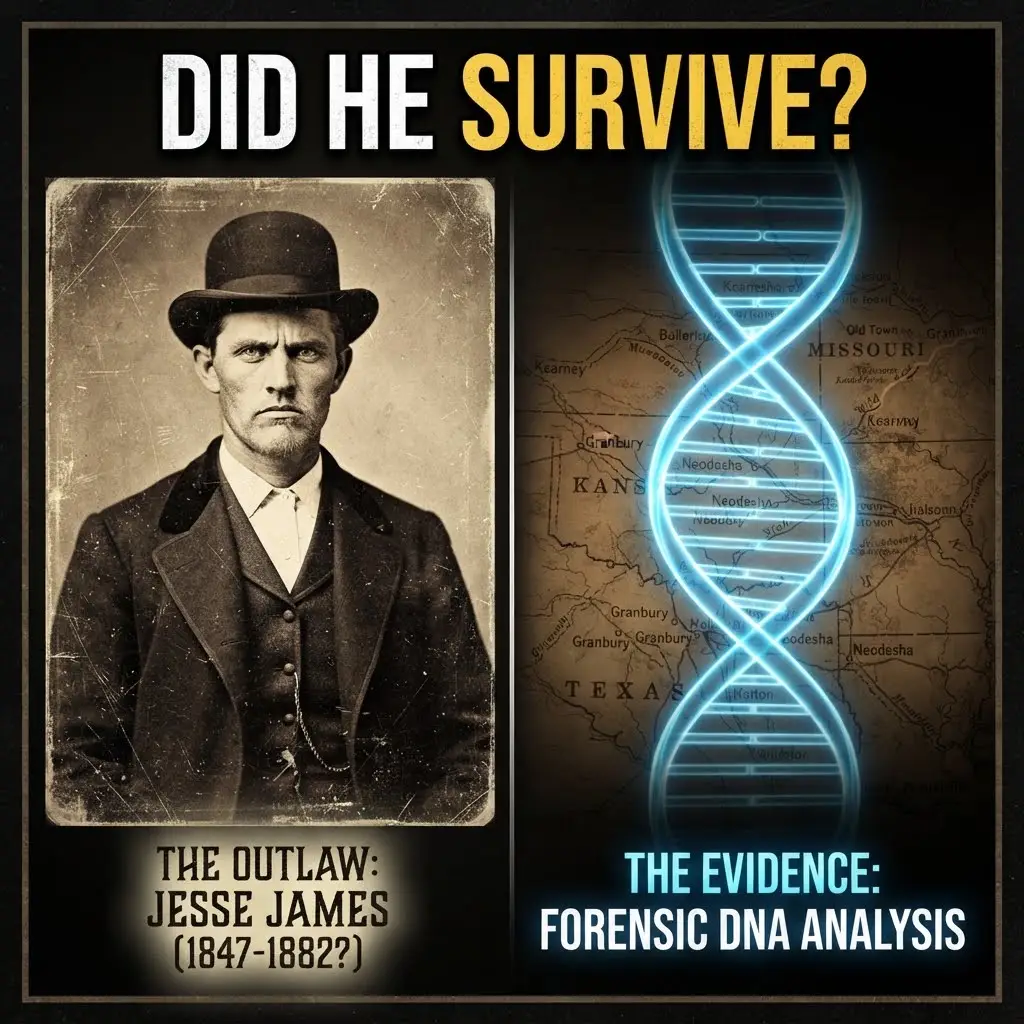
The Jesse James DNA Myth: Why Are There 3 Graves?
FAQs
What role did forensic science play in investigating Wild West outlaws?
Forensic science played a crucial role in investigating Wild West outlaws by providing evidence such as fingerprints, ballistics analysis, and handwriting analysis to link suspects to crimes.
How did Wild West outlaws try to evade forensic detection?
Wild West outlaws often tried to evade forensic detection by wearing masks, using false identities, and fleeing to remote areas where law enforcement had limited resources.
Were Wild West outlaws ever captured using forensic evidence?
Yes, some Wild West outlaws were captured using forensic evidence. For example, the fingerprints left at crime scenes helped law enforcement identify and apprehend notorious criminals like Jesse James and Billy the Kid.
What challenges did forensic scientists face when investigating Wild West crimes?
Forensic scientists faced challenges such as limited technology, lack of standardized procedures, and the harsh conditions of the Wild West, which made preserving evidence and conducting thorough investigations difficult.
How has the legacy of Wild West outlaws influenced modern forensic science practices?
The legacy of Wild West outlaws has influenced modern forensic science practices by highlighting the importance of evidence collection, analysis, and the development of new forensic techniques to solve crimes more effectively.